
Legislators urge broader cooling-off law after abrupt Hotstone Yoga closure
Hong Kong’s rapidly expanding wellness market has encountered a stark reminder of consumer vulnerability after the sudden collapse of Hotstone Yoga, a chain that left customers claiming losses of HK$3.9 million (approximately US$497,030).
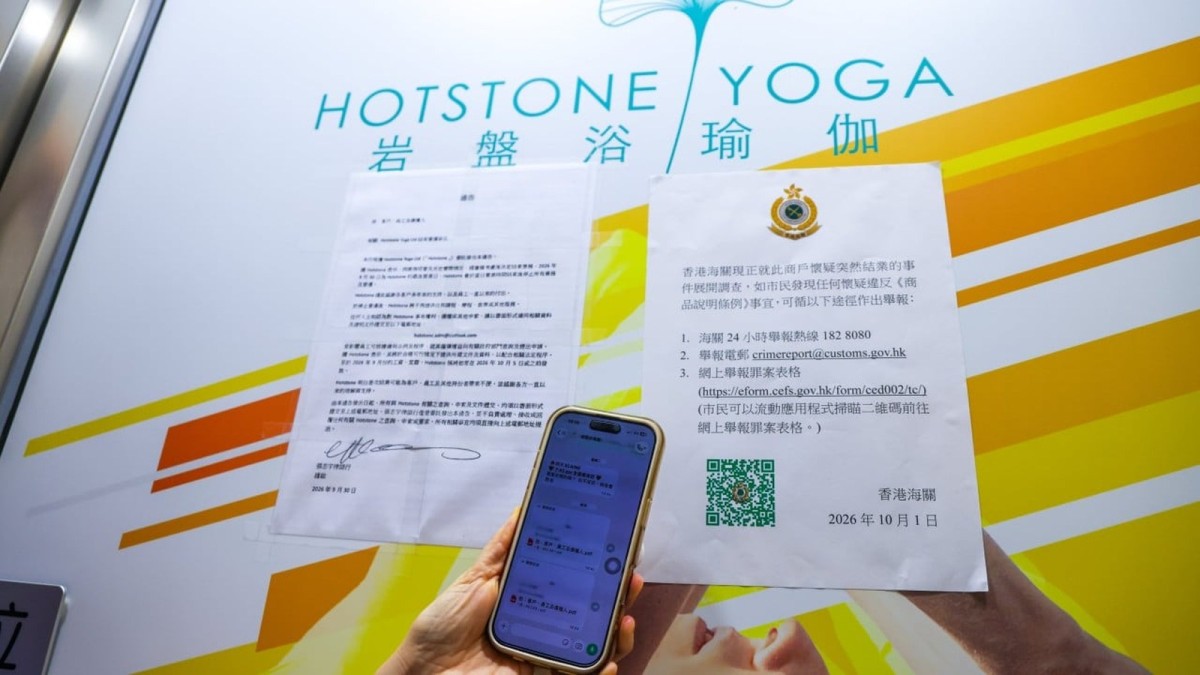
Hong Kong’s rapidly expanding wellness market has encountered a stark reminder of consumer vulnerability after the sudden collapse of Hotstone Yoga, a chain that left customers claiming losses of HK$3.9 million (approximately US$497,030). The incident has sparked a vigorous debate within the Legislative Council about the adequacy of the government’s proposed statutory cooling‑off law, which is intended to protect consumers who pre‑pay for fitness and beauty services. Lawmakers argue that the current draft, focused narrowly on traditional gyms and salons, fails to anticipate the evolving landscape of health‑and‑wellness offerings that now include a wide array of specialised classes and boutique experiences.
Background to the cooling‑off proposal
The Hong Kong government announced its intention to introduce a statutory cooling‑off period for prepaid fitness and beauty contracts in the first half of next year. The measure is designed to give consumers a limited window—typically a few days—during which they can cancel a contract and receive a refund, thereby mitigating the risk of being locked into services that later become unavailable or unsatisfactory. This approach mirrors similar consumer‑protection frameworks in other jurisdictions, where regulators have responded to the surge in subscription‑based wellness services.
While the proposal reflects a proactive stance, lawmakers have highlighted that the draft’s scope is limited to conventional fitness centres and beauty parlours. As the wellness sector diversifies, the narrow definition could leave consumers exposed to losses from emerging trends that fall outside the current categories.
The Hotstone Yoga collapse
Hotstone Yoga, a chain that offered yoga classes across multiple districts, ceased operations abruptly, leaving a substantial number of prepaid members unable to recover their funds. Customers reported collective losses amounting to HK$3.9 million, a figure that underscores the financial impact on individual participants who had invested in memberships, class packages, and related merchandise. The sudden shutdown raised questions about the financial stability of boutique wellness providers and the adequacy of existing consumer safeguards.
The incident also illuminated gaps in the regulatory framework. Because Hotstone Yoga’s services were primarily classified under “yoga,” a category not explicitly covered by the proposed cooling‑off law, affected customers were ineligible for statutory recourse. This outcome has intensified calls for a broader definition that encompasses a wider spectrum of wellness activities.
Lawmakers’ concerns about narrow definitions
Legislator Jeff Yiu Ming articulated a central criticism: the proposed law must evolve in step with market dynamics. He noted that fitness offerings have expanded beyond traditional gym memberships to include kickboxing, Pilates, and yoga—activities that attract a growing demographic seeking specialised, experience‑driven wellness solutions. By limiting protection to gyms and salons, the legislation risks creating a regulatory blind spot for a significant segment of the market.
Other lawmakers echoed this sentiment, warning that without an expanded scope, consumers could continue to face financial exposure as new wellness formats proliferate. They stressed that the law should be adaptable, allowing regulators to incorporate emerging trends without requiring frequent legislative amendments.
Implications for the wellness industry
The debate has prompted industry stakeholders to reassess risk management practices. Operators of boutique studios, martial‑arts gyms, and hybrid wellness centres are now under heightened scrutiny to demonstrate financial resilience and transparent contract terms. Some businesses have begun voluntarily adopting clearer refund policies, aiming to pre‑empt regulatory pressure and maintain consumer confidence.
At the same time, the sector’s rapid growth—driven by consumer demand for personalised health experiences—means that many new entrants may lack the capital reserves to weather unexpected downturns. The Hotstone Yoga case serves as a cautionary tale, suggesting that without statutory safeguards, the market could experience a wave of consumer distrust, potentially slowing expansion.
Potential legislative pathways
Lawmakers propose several avenues to broaden the cooling‑off law. One option is to redefine “fitness and beauty contracts” to include any prepaid service that falls under the umbrella of health, wellness, or personal care, thereby capturing yoga studios, kickboxing gyms, and similar entities. Another approach involves creating a flexible “wellness services” category that can be updated by regulatory agencies as new trends emerge.
These proposals would require careful drafting to balance consumer protection with the operational realities of small‑scale providers. Overly burdensome requirements could deter entrepreneurship, while insufficient safeguards would leave consumers vulnerable. The legislative debate is expected to intensify as the bill moves toward committee review in the coming months.
Comparative perspectives from the region
Across the Asia‑Pacific, several jurisdictions have grappled with similar challenges. In Japan, for example, consumer‑protection laws have been extended to cover prepaid health‑club memberships, reflecting a recognition of the sector’s diversification. South Korea has introduced a “cooling‑off” period for certain subscription services, though its applicability to boutique wellness providers remains limited.
These regional experiences provide useful reference points for Hong Kong policymakers. By examining how neighbouring economies have adapted their legal frameworks, legislators can design a cooling‑off regime that is both comprehensive and adaptable, ensuring Hong Kong remains competitive while safeguarding consumer interests.
Outlook and next steps
As the government prepares to table the cooling‑off bill in the Legislative Council during the first half of next year, the pressure from lawmakers to broaden its scope is likely to shape the final text. The Hotstone Yoga episode has already heightened public awareness of the risks associated with prepaid wellness services, creating a climate in which consumers may demand stronger protections.
In the interim, consumer advocacy groups are expected to lobby for immediate interim measures, such as mandatory disclosure of financial guarantees by wellness providers. Meanwhile, industry associations may seek to self‑regulate, offering standardized contract templates that incorporate cooling‑off provisions. The outcome of this legislative process will set a precedent for how Hong Kong balances innovation in the wellness sector with the imperative to protect its citizens from financial loss.
This article was produced with AI-assisted research and editorial support. Reporting is based on the source material cited below. Sources: South China Morning Post; scmp.com; Global1.News (02 October 2026).
By Kenji Tanaka, Staff Writer
What's Your Reaction?
 Like
0
Like
0
 Dislike
0
Dislike
0
 Love
0
Love
0
 Funny
0
Funny
0
 Wow
0
Wow
0
 Sad
0
Sad
0
 Angry
0
Angry
0

Japan Correspondent at Global1.News. Tokyo-based voice covering Japanese politics, technology, economy, and culture. Tracks the intersection of tradition and innovation in one of the world's most dynamic societies.















Comments (0)