
Canada and U.S. Edge Toward Trade Deal as Tariff Deadline Looms, Premiers Split on Concessions
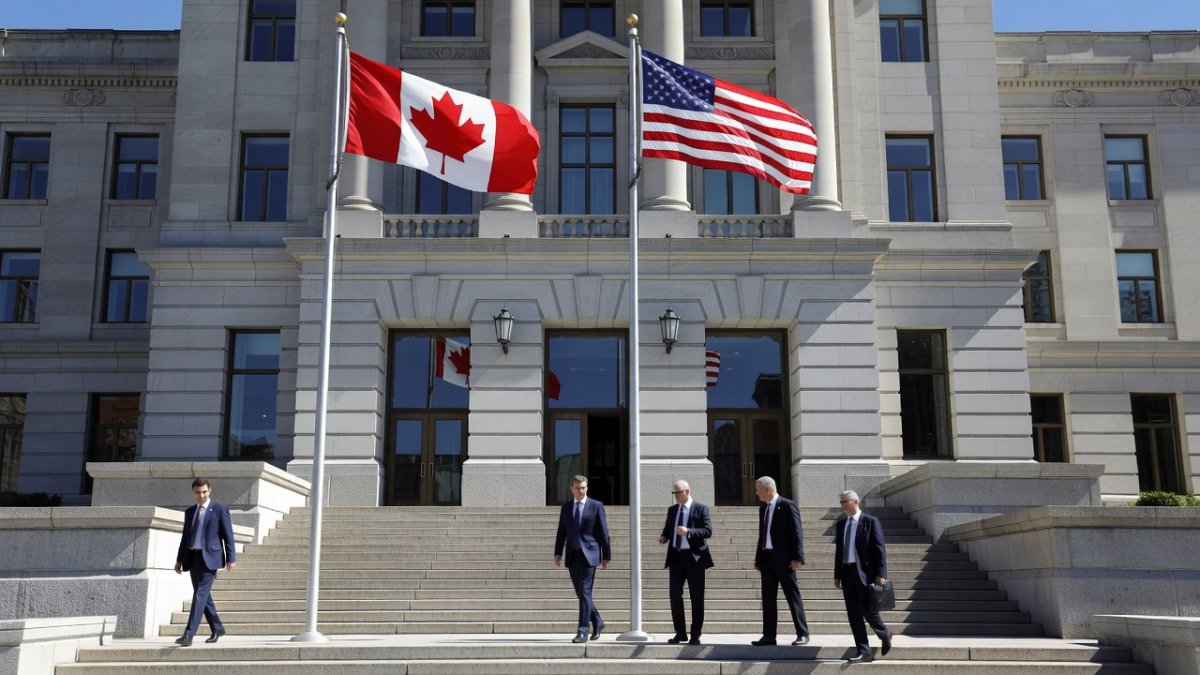
In a recent CBC News report, negotiators from Canada and the United States were shown working around the clock this week to finalise a trade agreement that could reshape the economic relationship between the two countries. The report captured the tense, high-stakes atmosphere in Ottawa and Washington as officials raced against a Friday deadline to avert a new wave of punishing tariffs.
In a recent CBC News report, negotiators from Canada and the United States were shown working around the clock this week to finalise a trade agreement that could reshape the economic relationship between the two countries. The report captured the tense, high-stakes atmosphere in Ottawa and Washington as officials raced against a Friday deadline to avert a new wave of punishing tariffs. The footage underscored a pivotal moment: after months of escalating threats and retaliatory measures, both sides appear closer than ever to a deal, yet significant hurdles remain.
Canada and U.S. Edge Toward Trade Deal as Tariff Deadline Looms, Premiers Split on Concessions
Ottawa – This week — The Canada-U.S. trade dispute took a dramatic turn on Wednesday when U.S. President Donald Trump declared that the two countries "probably have a deal with Canada" and suggested the long-dormant Keystone XL pipeline "may be awoken from the grave." The comments came just one day after Trump delayed new 50 per cent tariffs on Canadian goods for three days, a last-minute reprieve that arrived less than two hours before the duties were scheduled to take effect. The tariffs, invoked under Section 338 of the U.S. Tariff Act of 1930, cover more than 550 categories of goods — including autos, dairy, alcohol, electronics, machinery, cement and consumer products — representing roughly $30 billion in annual trade.
The postponement, which pushes the deadline to end of day Friday, August 21, has set off a flurry of diplomatic activity. Prime Minister Mark Carney met virtually with the premiers on Thursday to discuss the tentative framework, asking provinces and territories to put U.S. alcohol back on store shelves as a gesture of goodwill. Carney told the first ministers he would bear any public pushback personally, acknowledging the political sensitivity of the request after months of Canadian consumers boycotting American products.
The Story: What Happened This Week
The sequence of events this week has been nothing short of chaotic. On Tuesday, Trump was poised to impose 50 per cent tariffs on Canadian goods under the rarely used Section 338 statute, a 1930 law that allows the president to levy duties on countries he deems to be engaging in discriminatory trade practices. The tariffs were triggered by U.S. complaints over provincial booze bans, dairy import quotas (specifically tariff-rate quotas), and Canadian auto tariffs. With less than two hours to spare, Trump delayed the implementation for three days, citing "productive conversations" with Canadian officials.
By Wednesday, Trump's tone had shifted markedly. Speaking to reporters, he said the United States "probably have a deal with Canada" and floated the idea of reviving Keystone XL, the $8 billion pipeline project that was cancelled in 2021. The pipeline, which would have carried Alberta crude oil to Nebraska, has become a symbolic flashpoint in Canada-U.S. relations. Trump's suggestion that it "may be awoken from the grave" was met with cautious optimism in Alberta and deep scepticism among environmental groups.
Canada-U.S. Trade Minister Dominic LeBlanc described the cabinet-first ministers meeting as a "constructive and, frankly, very important conversation," but cautioned that "we have more work to do." Provincial sources tell CTV News the deal is NOT done yet, with cautious optimism prevailing. Sources say the tariff reduction's impact would be felt roughly half in Ontario and half in the rest of Canada, a distribution that appears sufficient to get Ontario Premier Doug Ford on board.
What's in the Tentative Deal
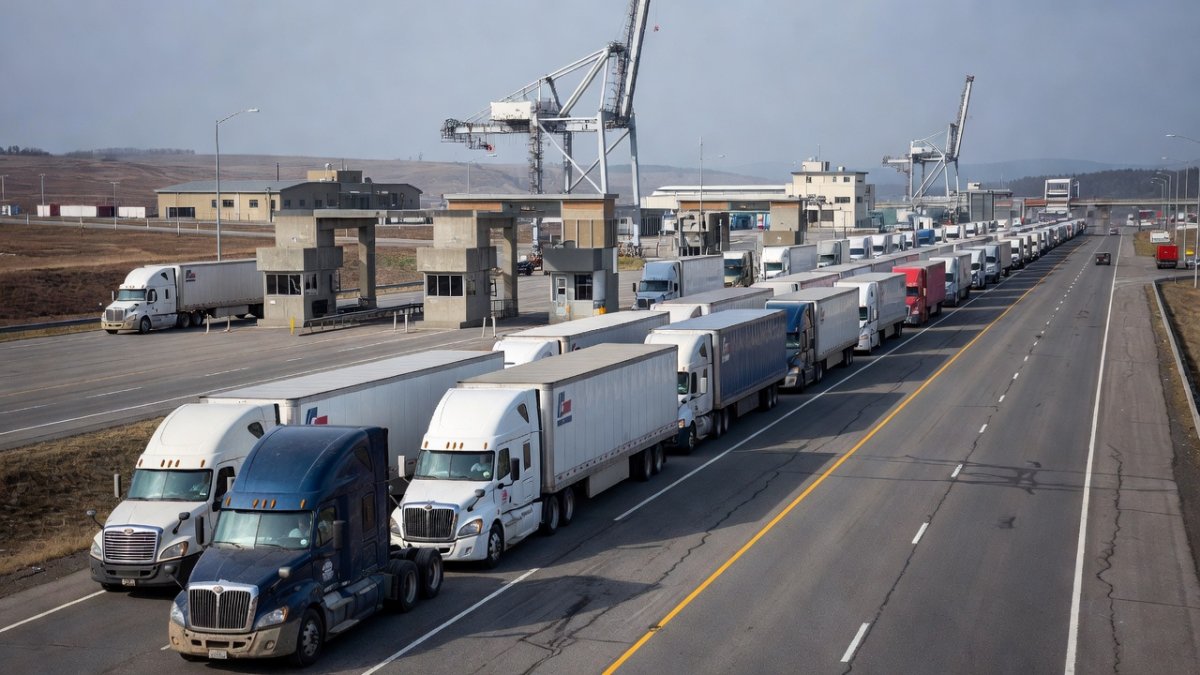
While the full text of the agreement remains under wraps, several key elements have emerged from official statements and leaked details. The U.S. is reportedly considering cutting tariffs on the non-U.S. content of Canadian automobiles to 15 per cent from the current 25 per cent. This would be a significant concession for the auto sector, which is concentrated in Ontario — particularly in Windsor and Oshawa — and relies heavily on integrated cross-border supply chains.
Sectoral tariffs on steel and aluminum are also expected to be reduced, though the scope remains unknown. Sources say the details will "make or break the deal" politically for Carney, who faces pressure from domestic manufacturers to secure meaningful relief. Steel and aluminium tariffs could fall to 25 per cent, down from the current 50 per cent, but industry leaders are pushing for even deeper cuts.
Canada, for its part, is pushing for the U.S. to drop the 50 per cent tariffs entirely, secure relief from sectoral tariffs on steel, aluminum, lumber and autos, and secure a joint announcement that CUSMA (Canada-United States-Mexico Agreement) talks will resume in the fall. Bloomberg reports that the U.S.-Canada draft deal is piling pressure on Mexico to match its terms, potentially creating a two-tier trade relationship within North America.
The Premiers' Divide
The premiers are far from unanimous in their assessment of the tentative deal. Quebec Premier Christine Fréchette said she needs more information from Ottawa before deciding whether the agreement is good for Quebec. She insists that supply management and the cultural exception must be maintained — two pillars of Quebec's economic and cultural identity that have been under threat in past trade negotiations. The cultural exception protects Canadian content in broadcasting and digital media, while supply management shields dairy, poultry and egg farmers from foreign competition.
Saskatchewan Premier Scott Moe, by contrast, is enthusiastic. He called the tentative deal good for both countries and said it gives Canada "preferred market access" — potentially "the best trade agreement of any country in the world with the United States." Moe's support is significant given Saskatchewan's reliance on agricultural exports and potash, both of which have been caught in the crossfire of the trade dispute.
Nova Scotia Premier Tim Houston said returning U.S. alcohol to shelves is "pending a final deal" and he would be willing to do it for the prime minister, though he questioned whether Canadians will actually buy it. Northwest Territories Premier R.J. Simpson said the territory is prepared to restock U.S. alcohol but noted "those days are gone, and it's a different trading environment now." The divide reflects the varying economic interests of the provinces, from Ontario's manufacturing base to Quebec's cultural industries to the Prairie provinces' resource exports.
Canadian Context: From Booze Bans to Supply Management
The trade dispute has its roots in Trump's invocation of the rarely used 1930 Section 338 statute, which imposes 50 per cent duties on Canadian goods over complaints about provincial booze bans, dairy import quotas, and auto tariffs. The booze bans and retaliatory auto tariffs were part of Canada's initial response to Trump's tariff threats when he returned to the White House last year. Provincial liquor monopolies — the LCBO in Ontario and the SAQ in Quebec — pulled American products from shelves, a move that resonated with Canadian consumers but infuriated U.S. producers.
Supply management has been a particular point of contention. Canada's tariff-rate quotas on dairy imports limit the amount of foreign dairy that can enter the country at low tariffs, protecting domestic farmers but drawing criticism from U.S. dairy producers who see it as an unfair trade barrier. The U.S. has long pushed for greater access to Canada's dairy market, and the current negotiations are no exception. Canadian dairy farmers, concentrated in Quebec and Ontario, are watching the talks closely, fearful that concessions could undermine their livelihoods.
The auto sector is equally exposed. Ontario's auto industry, centred in Windsor and Oshawa, relies on the seamless movement of parts and vehicles across the border. Tariffs on non-U.S. content would disrupt this integrated supply chain, potentially leading to job losses and plant closures. The sectoral tariffs on steel and aluminum, meanwhile, affect producers in Ontario, Quebec and British Columbia, who have already been hit hard by previous rounds of U.S. duties.
Impact on Canadians
The outcome of these negotiations will have direct consequences for Canadian consumers and businesses. If the deal goes through, Canadians could see lower prices on a range of goods, from automobiles to electronics to construction materials. The reduction in steel and aluminum tariffs would ease cost pressures on manufacturers, potentially leading to lower prices for consumers and improved competitiveness for Canadian exporters.
However, the return of U.S. alcohol to store shelves may not translate into sales. A Nanos Research survey found that most Canadians say they will not purchase U.S. alcohol even if it returns to store shelves. This suggests that the consumer boycott, which has been a powerful symbol of Canadian resistance to Trump's trade policies, may persist regardless of the deal's outcome. The survey highlights the deep-seated anger among Canadians over the tariffs, which many view as an attack on Canadian sovereignty.
The deal also has implications for the broader Canadian economy. The trade dispute has already contributed to economic uncertainty, affecting investment decisions and consumer confidence. A successful resolution would remove a major source of instability, potentially boosting economic growth and creating jobs. Conversely, a failure to reach a deal could lead to renewed tariffs, higher costs for businesses and consumers, and a further deterioration in Canada-U.S. relations.
Reactions and Analysis
Reactions to the tentative deal have been mixed, reflecting the complexity of the issues at stake. Prime Minister Carney and President Trump have both confirmed progress toward an agreement, with Carney telling the New York Times that the two sides were "moving towards an agreement." This public confirmation of progress is significant, as it suggests that both leaders see political value in reaching a deal.
Trade experts have noted that the deal, if finalised, would represent a significant shift in Canada-U.S. trade relations. The reduction in auto tariffs and sectoral tariffs on steel and aluminum would provide much-needed relief to Canadian manufacturers, while the resumption of CUSMA talks would create a framework for addressing longer-term trade issues. However, analysts caution that the details matter, and the scope of tariff reductions will determine whether the deal is seen as a victory or a capitulation.
For Carney, the political stakes are high. The prime minister has staked his credibility on securing a deal that protects Canadian interests while restoring stability to the bilateral relationship. The premiers' divide reflects the challenge of balancing regional interests, from Quebec's cultural and agricultural concerns to Ontario's manufacturing priorities to the Prairie provinces' resource exports. Carney's willingness to bear public pushback on the alcohol issue suggests he is prepared to make politically difficult decisions to secure a deal.
What Happens Next
The immediate focus is on the Friday deadline. If the deal is not finalised by end of day Friday, the 50 per cent tariffs will take effect, triggering a new round of retaliation and potentially escalating the trade war. Negotiators are working around the clock to resolve the remaining issues, with Canada-U.S. Trade Minister Dominic LeBlanc and chief trade negotiator Janice Charette meeting with U.S. Trade Representative Jamieson Greer in recent days.
Earlier this month, CBC News reported that Canada was prepared to halt booze bans and meet other U.S. demands in exchange for tariff relief. This willingness to compromise suggests that both sides are serious about reaching a deal, but the details remain contentious. The scope of tariff reductions on steel, aluminum and autos will be critical, as will the treatment of supply management and the cultural exception.
Beyond the immediate deadline, the deal could have long-term implications for North American trade. Bloomberg reports that the U.S.-Canada draft deal is piling pressure on Mexico to match its terms, potentially leading to a renegotiation of CUSMA that could reshape the continent's economic landscape. For Canada, the deal represents an opportunity to secure preferential access to the U.S. market, but it also raises questions about the future of supply management, the cultural exception and the country's ability to maintain its sovereignty in the face of U.S. pressure.
As the clock ticks down, Canadians are watching closely. The outcome of these negotiations will determine not only the price of goods on store shelves but also the nature of Canada's relationship with its largest trading partner. For Carney, the premiers and the millions of Canadians affected by the tariffs, the stakes could not be higher.
By Alex Thompson, Staff Writer
This article was produced with AI-assisted research and editorial support. Reporting is based on sources cited in the article.
What's Your Reaction?
 Like
0
Like
0
 Dislike
0
Dislike
0
 Love
0
Love
0
 Funny
0
Funny
0
 Wow
0
Wow
0
 Sad
0
Sad
0
 Angry
0
Angry
0

Canada Correspondent at Global1.News. Based in Toronto, covering Canadian politics, energy, trade, and US-Canada relations. Provides the Canadian perspective on North American and global affairs.














Comments (0)