
Bundibugyo Ebola Outbreak 2026: DRC Crisis Explained
The Democratic Republic of Congo is losing the race against the deadliest Ebola outbreak the world has seen in a decade — and the alarm bells are ringing far beyond Central Africa. With 2,128 people dead out of 4,566 recorded cases, no approved vaccine, and a rare strain that global health systems were not built to fight, the 2026 Bundibugyo outbreak is a case study in what happens when the world prepares for the wrong pathogen.
The Democratic Republic of Congo is losing the race against the deadliest Ebola outbreak the world has seen in a decade — and the alarm bells are ringing far beyond Central Africa. With 2,128 people dead out of 4,566 recorded cases, no approved vaccine, and a rare strain that global health systems were not built to fight, the 2026 Bundibugyo outbreak is a case study in what happens when the world prepares for the wrong pathogen. For Latin America, a region that has lived through Zika, dengue and chikungunya, the lesson is urgent: the next pandemic may not wear a familiar face.
Bundibugyo Ebola Outbreak 2026: The World's Blind Spot Is Killing Congo
Kinshasa, DR Congo – August 13, 2026 — The outbreak was officially declared on May 15, but genetic sequencing has revealed the virus has been circulating undetected since February. What follows is the story of how a rare pathogen outpaced every defense the global health community thought it had built.
A Pandemic in the Making: Ebola's Second Act in Eastern Congo
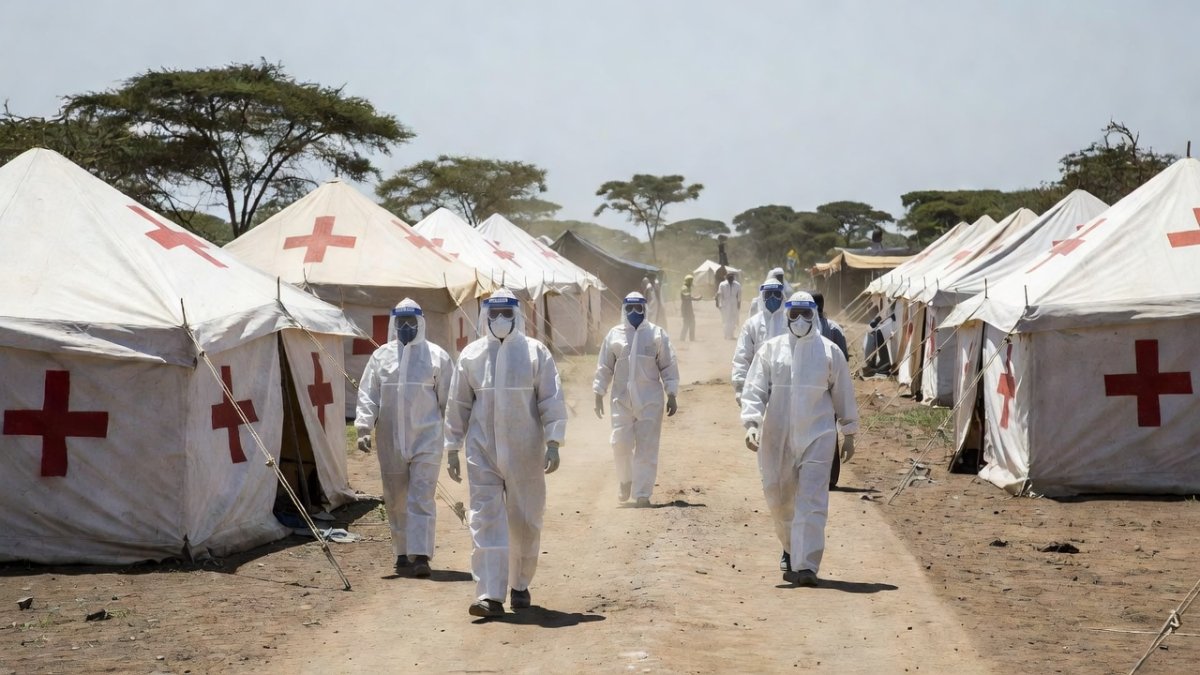
The Democratic Republic of Congo is facing a public health emergency of a scale and speed that has not been seen since the darkest days of the West Africa Ebola epidemic. On May 15, 2026, the World Health Organization (WHO) confirmed an outbreak of Ebola in the eastern part of the country, but genetic sequencing has since revealed a far more troubling reality: the virus has been circulating undetected since February 2026. This is not a sudden flare-up; it is a slow-burning wildfire that has been smoldering for months, and it is now consuming entire communities. The outbreak is caused by the Bundibugyo ebolavirus, a rare and poorly understood strain that has historically been less lethal than its Zaire counterpart but has proven to be anything but benign in this iteration. According to DRC government figures released on August 13, 2026, the outbreak has already killed 2,128 people out of 4,566 recorded cases. That is a mortality rate approaching 47 percent, a staggering figure that dwarfs the historical 25-35 percent mortality associated with Bundibugyo since it was first identified in Uganda's Bundibugyo District in 2007.
The speed of transmission is the most alarming metric. The 2014-2016 West Africa epidemic, which killed more than 11,000 people and infected at least 28,000, took roughly eight months to reach 1,000 deaths. This current outbreak has killed more than 2,000 people in approximately four months. WHO Director-General Tedros Adhanom Ghebreyesus stated on Wednesday, August 12, that "at its current pace" the outbreak is on track to surpass the deadliest Ebola on record. The virus is not merely spreading; it is accelerating. Al Jazeera reporting indicates that the outbreak is killing roughly 50 people every day. This is not a contained crisis in a remote corner of the world; it is a pandemic in the making, and the window to reverse its trajectory is closing rapidly. The world is watching a pathogen outpace every response mechanism designed to stop it, and the consequences of failure are measured in thousands of lives lost each month.
Six Provinces and Counting: How the Outbreak Is Spreading
The geographic footprint of this outbreak is expanding with a ferocity that has overwhelmed provincial health systems. The epicenter is Ituri province, but the virus has now breached the borders of five other provinces: North Kivu, South Kivu, Haut-Uele, Tshopo, and, most recently, Bas-Uele. The sixth province was confirmed on Thursday, August 13, when a man died in Buta, the capital of Bas-Uele, after traveling from Haut-Uele province. This is a critical development because it demonstrates that the virus is moving along human transport corridors, not just within isolated villages. Africa CDC chief Jean Kaseya announced the spread with a stark warning: "If we do not stop this outbreak, it will last more than a year and will be the largest in the world." He also cautioned about the risk of spread to other countries, a scenario that keeps regional health officials awake at night given the porous borders with South Sudan and Uganda.
The pattern of spread is not random. It is following the paths of displaced people and traders moving through the region's fragile infrastructure. Most new cases and deaths are occurring in communities outside the reach of health workers, in areas characterized by poor roads, ill-equipped clinics, and remote conflict-affected zones near the borders. The virus is exploiting the gaps in the system, finding the most vulnerable populations and moving through them with devastating efficiency. The fact that it has reached six provinces in under six months of confirmed circulation is a testament to its transmissibility and the inability of the current response to keep pace. Each new province represents a new front in the battle, requiring the deployment of scarce resources, the establishment of new treatment centers, and the arduous task of building trust with wary communities. The response is perpetually one step behind, chasing the virus rather than containing it.
No Vaccine, No Cure: The Bundibugyo Challenge
The fundamental challenge of this outbreak is that the world's Ebola arsenal is largely useless against the Bundibugyo strain. The approved vaccines and therapeutics that proved so effective in combating the Zaire ebolavirus during the 2018-2020 Kivu outbreak are strain-specific. They cannot simply be swapped in for Bundibugyo. This is the blind spot that global health experts have long feared. As STAT News reported on August 10, the world prepared for the wrong Ebola species. Global Ebola preparedness, from the stockpiles of vaccines to the diagnostic tests and therapeutic cocktails, was built almost exclusively around the Zaire strain. The result is that for this outbreak, there is no approved vaccine and no approved treatment. Health workers are left with only supportive care, which is woefully inadequate against a virus that causes severe vomiting, diarrhea, and hemorrhaging.
The clinical picture is grim. Ebola spreads through bodily fluids, including vomit, blood, and semen, as well as contaminated surfaces like bedding and clothing. The disease is severe and often fatal. The historical mortality rate for Bundibugyo was 25-35 percent, but this outbreak is far more deadly, with a case fatality rate approaching 47 percent. The reasons for this higher lethality are not yet fully understood, but it is likely a combination of the virus's genetic makeup, the poor health status of the affected population, and the lack of access to even basic medical care. The absence of a vaccine also means that health workers are at extreme risk. They are on the front lines without the protection that their counterparts in Zaire-strain outbreaks had. This is not just a medical crisis; it is a moral one, asking doctors and nurses to risk their lives with tools that are decades old. The race to develop a Bundibugyo-specific countermeasure is not a matter of scientific curiosity; it is a matter of life and death for thousands.
Behind the Numbers: Camps, Conflict and Collapsing Clinics
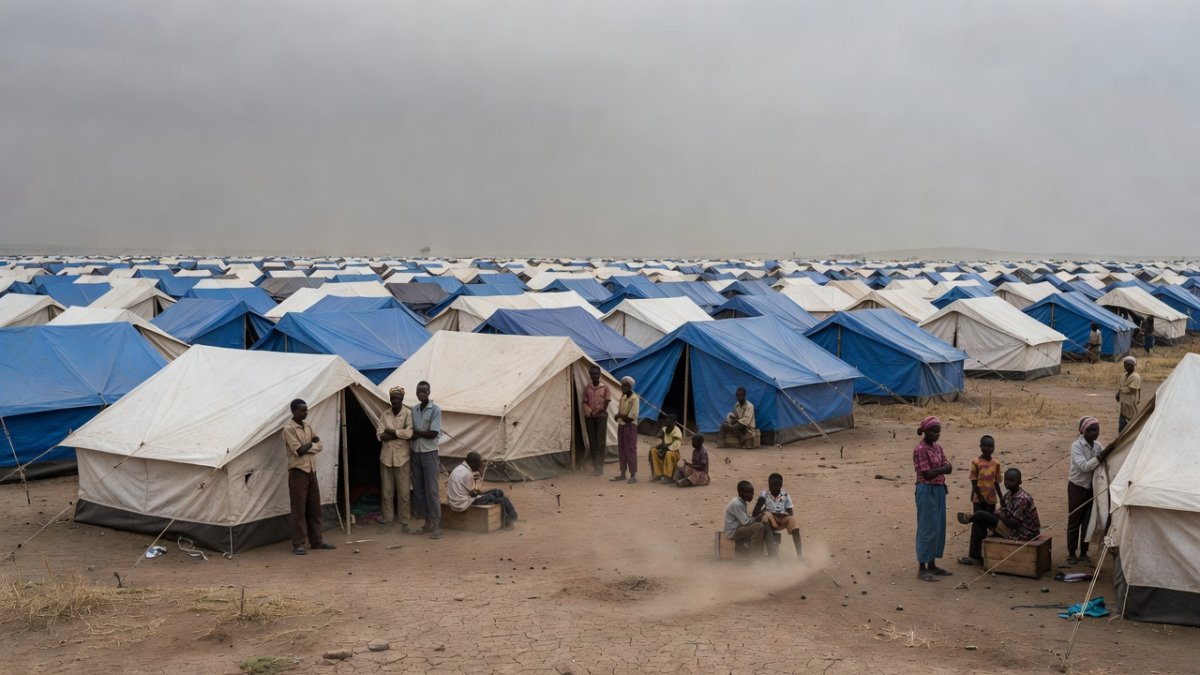
The statistics of 4,566 cases and 2,128 deaths are abstract until one considers the human reality on the ground. The eastern DRC is home to 1.3 million displaced people living in camps, and these camps are high-risk environments for Ebola transmission. Overcrowding, lack of clean water, and poor sanitation create the perfect conditions for the virus to spread like wildfire. In these camps, a single case can quickly become dozens. The displaced populations are also the most mobile, moving between camps and back to their villages, inadvertently carrying the virus with them. The human toll is not just in the number of deaths but in the disruption of lives, the fear that grips families, and the mistrust that prevents people from seeking help. Misinformation circulates in these communities, and some are wary of outsiders, including health workers. This mistrust keeps some patients at home, hiding their symptoms, which risks wider transmission and makes the outbreak even harder to track.
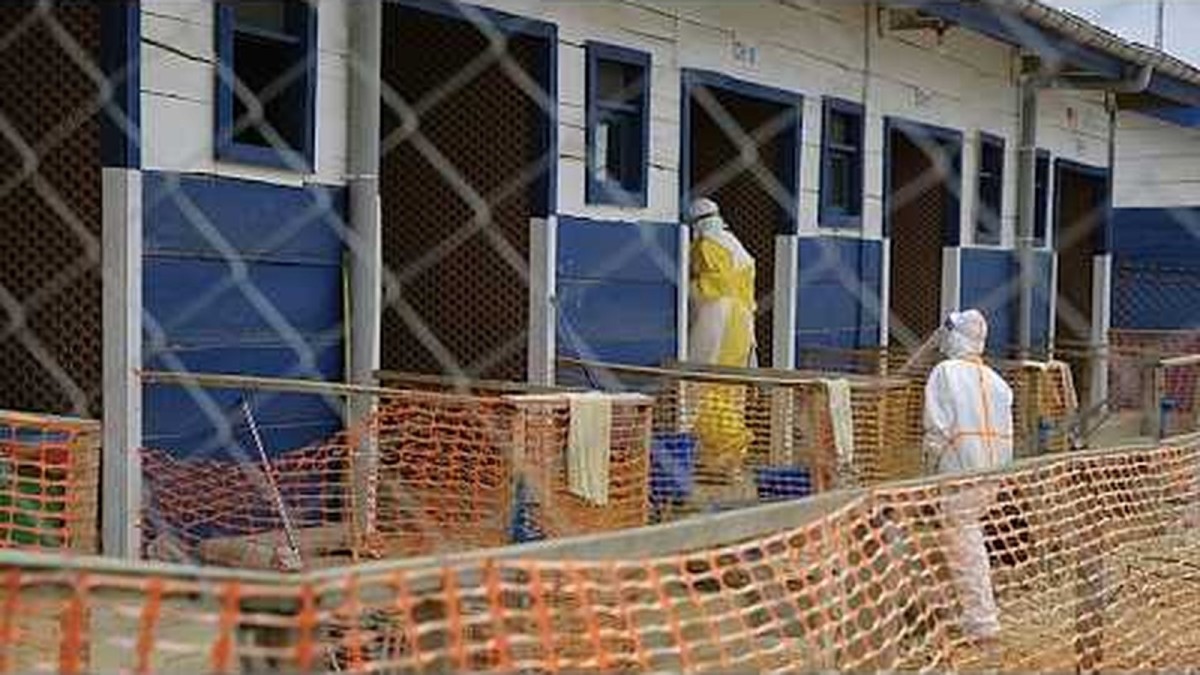
The health system in Ituri is on the verge of collapse. Health workers are overwhelmed, and treatment centers have been attacked, creating an environment of fear and insecurity. Some health workers have been on strike since May over unpaid wages, a situation reported by Médecins Sans Frontières (MSF). This is a catastrophic failure of governance and support. The people who are supposed to be saving lives are being forced to choose between their own survival and their duty to their patients. A second treatment facility is under construction, but it is a race against time. The existing centers are at capacity, and the new one cannot come soon enough. The combination of conflict, displacement, and a collapsing health system is a lethal cocktail. The outbreak is not just a biological event; it is a social and political one, and until those underlying issues are addressed, the virus will continue to find fertile ground to spread.
Why the World Was Caught Off Guard
The global health community has a painful lesson to learn from this outbreak: it prepared for the wrong war. For over a decade, the focus of Ebola research, funding, and stockpiling has been on the Zaire strain. This was a rational decision, given that the Zaire strain caused the 2014-2016 West Africa epidemic and the 2018-2020 Kivu outbreak. Billions of dollars were poured into developing vaccines and treatments for Zaire, and they worked. But this success created a dangerous complacency. The scientific community knew that Bundibugyo existed, but it was considered a minor threat, a rare and less deadly cousin of the main killer. This assumption has been shattered. The current outbreak is proving that Bundibugyo can be just as deadly, if not more so, and that the world has no tools to fight it. The diagnostics, therapeutics, and vaccines for the Zaire strain cannot simply be swapped in for Bundibugyo; they are as different as a key is to a lock they were not designed to open.
A study published in Nature Medicine on August 10, 2026, provided another crucial piece of the puzzle. The study found that this outbreak began when the virus jumped from an infected animal to a person, a new zoonotic spillover, not a continuation of earlier outbreaks. The virus is genetically different from previously known Bundibugyo strains. This means that the world was not just unprepared for the species; it was unprepared for this specific variant of the species. The blind spot was twofold: a lack of investment in Bundibugyo-specific countermeasures and a lack of surveillance to detect new strains as they emerge. The global health security architecture is built on the assumption that we can predict the next threat. This outbreak is a stark reminder that nature does not follow our predictions. The world's focus on the Zaire strain was not wrong, but it was incomplete. The lesson is that we must prepare for the entire family of threats, not just the one that has hurt us most recently.
What This Means for Latin America
For Latin America, the Bundibugyo outbreak is a distant tragedy with a profound local lesson. The region has its own history of viral outbreaks, from Zika to dengue to chikungunya, and it knows all too well the cost of being caught unprepared. The Pan American Health Organization (PAHO) has long warned about the vulnerability of the region to emerging infectious diseases, and the Ebola outbreak in the DRC is a case study in what happens when those warnings are ignored. The lesson for Latin America is not about Ebola specifically, but about the broader principle of pandemic preparedness. The world prepared for the wrong Ebola species, and Latin American health systems must not repeat that mistake by preparing for the wrong pathogen. The region must invest in broad-spectrum surveillance, flexible response systems, and the capacity to develop and deploy countermeasures quickly, regardless of the specific threat.
The Zika outbreak in 2015-2016 was a wake-up call for the region, but the sense of urgency has faded. Dengue and chikungunya continue to cause significant morbidity, but they are often treated as endemic problems rather than potential pandemics. The Bundibugyo outbreak shows that a rare and neglected pathogen can suddenly become a global threat. Latin America must not assume that its threats will come from familiar viruses. The region's biodiversity, its tropical climates, and its high levels of urbanization and inequality create conditions that are ripe for zoonotic spillover. The lesson from the DRC is that the cost of inaction is measured in thousands of lives. The investment in preparedness is not a luxury; it is a necessity. Latin American countries must work with PAHO to strengthen their health systems, improve laboratory capacity, and build the trust with communities that is essential for an effective response. The next pandemic could start anywhere, and the region must be ready.
The Race for Treatments and Vaccines
In the midst of the crisis, there is a glimmer of hope. The scientific community is mobilizing at an unprecedented pace to develop countermeasures specifically for the Bundibugyo virus. Clinical trials of two possible treatments for Bundibugyo began last month, in July 2026, in Ituri. These trials are being conducted under the most difficult conditions imaginable, in the heart of the outbreak zone, but they are essential. The data they generate will determine whether these drugs can save lives. In addition to treatments, two vaccines developed specifically for the Bundibugyo virus are being tested in people for the first time, as announced by the WHO on Wednesday. This is a historic milestone, but it is also a race against time. The trials will take months to complete, and the outbreak is killing 50 people a day. The question is whether the science can move fast enough to outpace the virus.
The WHO is also exploring a more immediate option: testing whether an existing Ebola vaccine, the one developed for the Zaire strain, could offer some protection against Bundibugyo. Animal studies have shown promising results, and if this is confirmed in humans, it could provide a stopgap measure while the specific vaccines are being developed. This is a pragmatic approach, but it is not a guaranteed solution. The immune response to one strain does not always translate to another. The race for treatments and vaccines is not just a scientific endeavor; it is a logistical and ethical one. The trials must be conducted ethically, with the informed consent of the participants, and the results must be shared quickly and transparently. The world is watching, and the outcome of these trials will shape the response to future outbreaks of rare pathogens. The stakes could not be higher.
The Bottom Line — What Comes Next
The immediate future is bleak. WHO's Dr Abdirahman Mahamud, director for health emergency alert and response operations, expects the peak of the outbreak in about six months under a moderate scenario, with a worse-case scenario of 9-12 months. This means the worst is yet to come. The WHO hopes to reverse the spread within three months, but it has been clear that the outbreak will not end by then. The virus is spreading faster than any previous Ebola epidemic, and the response is struggling to keep up. The Africa CDC chief has warned that if the outbreak is not stopped, it will last more than a year and become the largest in the world. This is not hyperbole; it is a realistic assessment based on the current trajectory. The international community must step up its support, not just with funding but with personnel, supplies, and political will.
The CDC (US) is responding, and there are no confirmed cases in the United States from this outbreak, but the risk of international spread is real. The world cannot afford to wait for the outbreak to reach its shores before acting. The lesson from the 2014-2016 West Africa epidemic is that an outbreak anywhere is a threat everywhere. The bottom line is that this is a test of the global health security architecture, and so far, it is failing. The world prepared for the wrong Ebola species, and it is paying the price. The only way forward is to redouble efforts to contain the outbreak in the DRC, to accelerate the development of treatments and vaccines, and to learn the hard lessons that will prevent this from happening again. The people of eastern Congo are bearing the brunt of this failure, and they deserve better. The world must act now, decisively and collectively, before the outbreak becomes a pandemic that no one can stop.
By Elena Vasquez, Staff Writer
This article was produced with AI-assisted research and editorial support. Reporting is based on sources cited in the article.
What's Your Reaction?
 Like
0
Like
0
 Dislike
0
Dislike
0
 Love
0
Love
0
 Funny
0
Funny
0
 Wow
0
Wow
0
 Sad
0
Sad
0
 Angry
0
Angry
0

Latin America Correspondent at Global1.News. Based in Mexico City, covering politics, economics, energy, and culture across the region. Brings an on-the-ground perspective to stories spanning from the Rio Grande to Patagonia.












Comments (0)