
Brazil's Zika Mothers Demand Justice and Lifelong Support 10 Years On
The mothers of Brazil's Zika-affected children refuse to let the world forget their struggle, even as new health threats emerge across the region.
The mothers of Brazil's Zika-affected children refuse to let the world forget their struggle, even as new health threats emerge across the region.
Brazil's Zika Mothers Demand Justice and Lifelong Support 10 Years On
Maceio, Brazil – August 8, 2026 — Ten years after the 2015-2016 Zika epidemic devastated northeastern Brazil, the mothers of children born with Congenital Zika Syndrome continue their relentless campaign for justice, adequate lifelong support, and recognition that the crisis is far from over despite vaccines and fading public attention.
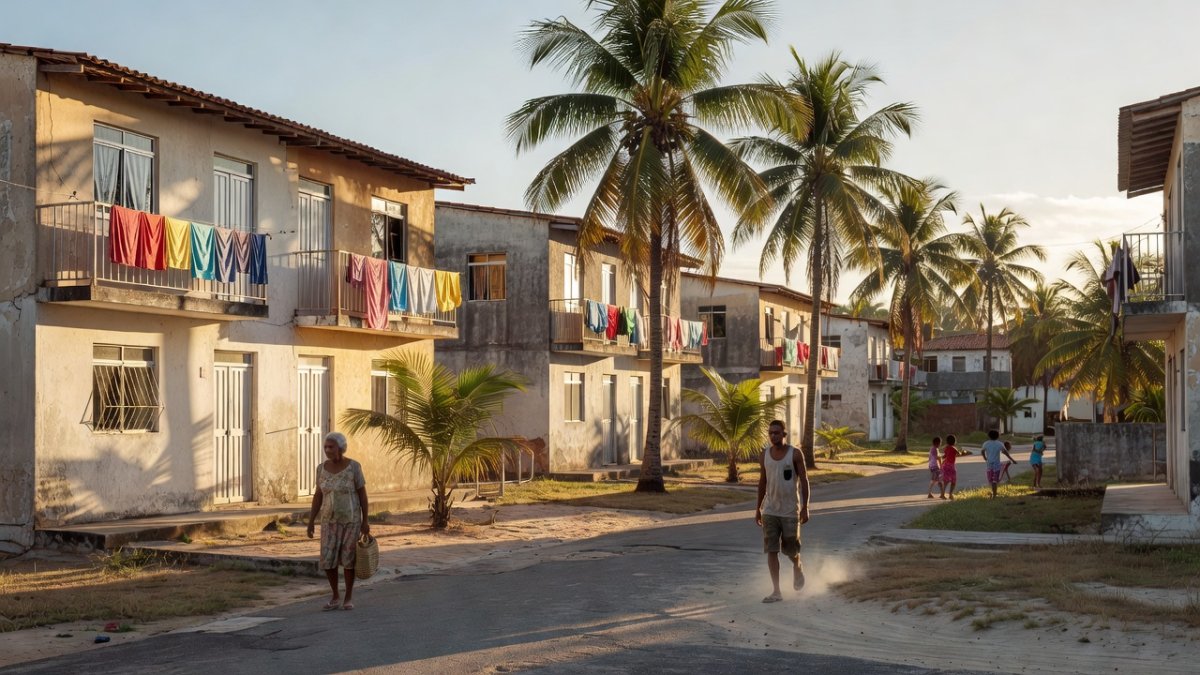
Ten Years On, the Mothers Are Still Fighting
Rute Freires watches her daughter Tamara eat through a feeding tube every day, a routine that underscores the permanent care demands of Congenital Zika Syndrome. Anne Caroline da Silva Rosa balances the needs of her two children, Moises and Maria, while Lenice Franca celebrates the rare autonomy her son Enzo has achieved amid severe limitations. Alessandra Hora raised her grandson Erik after losing her own son to violence, and Iana Flor describes the unpredictable nature of care: “It’s complicated because one day can be good and the next day it’s like a bomb.” These women, along with roughly fifteen others, share a public housing complex in Maceio known as the Zika mothers’ housing block, where they have lived for five years wearing yellow shirts proclaiming “Microcephaly is not the end.” They survive on state benefits of around $265 per month, the minimum wage, while forming a tight support network. Psychologist Luciana Brito of the Anis Institute of Bioethics notes that for these families Zika is simply not over. Their demands center on sustainable government funding rather than one-time payments, as daily therapies, medical equipment, and specialized education remain essential. The mothers have organized protests and legal actions, insisting that the Brazilian state must guarantee lifelong support instead of allowing the epidemic to fade from collective memory. Their yellow shirts serve as constant reminders that nearly 3,300 Zika babies were born over four years, and 261 have already died according to official figures.
An Epidemic That Shook the World
The Zika virus epidemic struck Brazil between 2015 and 2016, resulting in nearly 2,000 babies born to women infected during that period according to BBC reporting, with the total reaching approximately 3,300 children over four years per NPR data. The formal connection between Zika and microcephaly was confirmed on November 28, 2015, prompting the World Health Organization to declare a Public Health Emergency of International Concern on February 1, 2016. That international alert remained active until May 2017. Congenital Zika Syndrome encompasses far more than microcephaly, including heart problems, joint contractures, difficulties with chewing and swallowing coordination, plus hearing and visual impairments. Not every affected child presents with microcephaly at birth, complicating early diagnosis. The northeast region bore the brunt, yet the national response initially focused on vector control without addressing the long-term needs of surviving children. Government statistics later recorded 261 deaths among those diagnosed with congenital Zika syndrome. The epidemic exposed deep gaps in Brazil’s public health infrastructure, particularly for families in low-income areas who suddenly faced lifelong caregiving responsibilities. International attention surged briefly, then shifted, leaving mothers to navigate fragmented services alone. The 2015-2016 outbreak remains a defining moment in Latin American health history, illustrating how a mosquito-borne virus can reshape entire generations when surveillance and support systems prove inadequate.
Maceio: The Epicenter That Time Forgot
Maceio, the coastal capital of Alagoas, registered 75 percent of Brazil’s congenital Zika virus syndrome cases, making it the symbolic heart of the epidemic. The broader northeast, with Recife in Pernambuco as the initial hotspot, experienced the highest concentration of affected births. Here, clusters of families confronted the reality of raising children with complex disabilities while living on minimal state support. Approximately fifteen mothers relocated to the same public housing complex five years ago, creating the Zika mothers’ housing block that functions as both home and activist headquarters. Daily life revolves around feeding tubes, physical therapy schedules, and managing seizures or sensory impairments. The women exchange practical advice and emotional support, their yellow shirts visible during marches and media appearances. Despite the passage of a decade, basic infrastructure for specialized care remains insufficient in Maceio. Many families travel long distances for appointments, and the economic burden of lost wages compounds the strain of the $265 monthly benefit. Anthropologist Debora Diniz has documented their persistent advocacy, highlighting how the city that once symbolized the epidemic’s peak now represents its forgotten aftermath. The concentration of cases in Maceio underscores regional inequalities in healthcare access that continue to shape outcomes for these children and their caregivers.
Justice Delayed: The Fight for Compensation
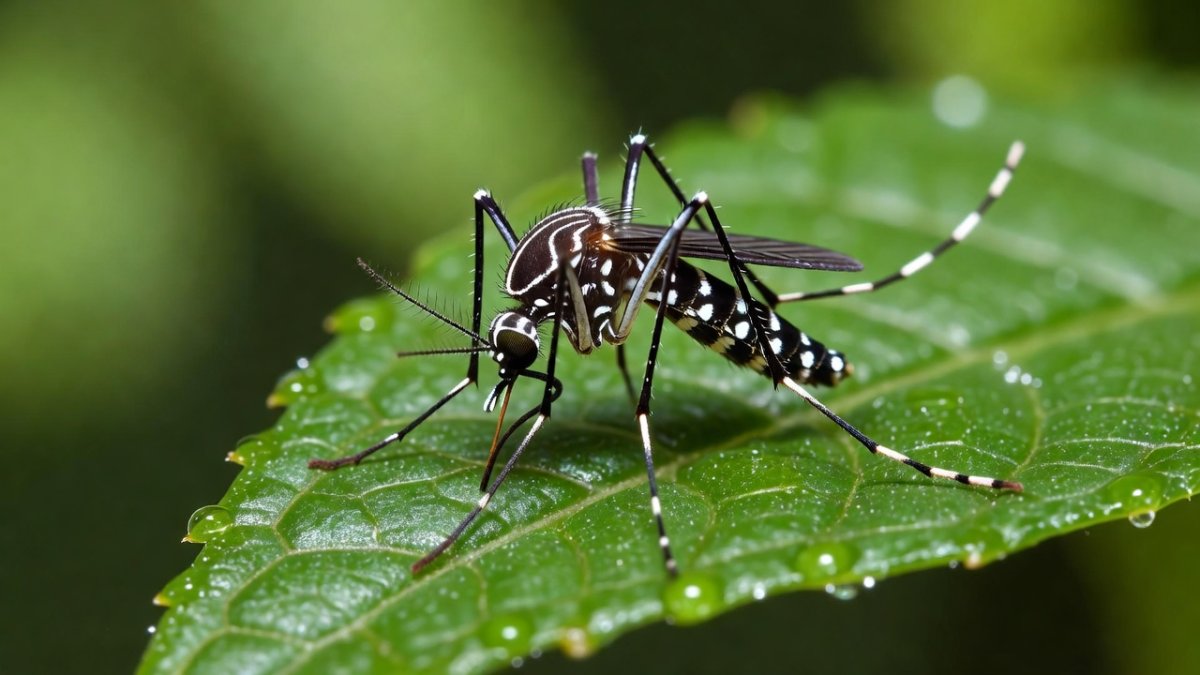
On May 20, 2025, Brazil’s Ministries of Social Security and Health together with the National Institute of Social Security issued a joint ordinance extending eligibility for a one-time R$60,000 payment, roughly US$11,000, to children born between January 1, 2015 and December 31, 2024 who developed disabilities from maternal Zika infection. The measure draws from the federal budget program for indemnities and special pensions, with payments limited to fiscal year 2025 and multiple family members permitted to apply. On September 29, 2025, the federal government began disbursing moral-damages indemnification, prioritizing families already receiving special pensions under a 2020 law. Between 2015 and 2023, authorities registered 828 children with congenital syndrome associated with Zika virus. While these steps represent progress, mothers argue the amounts fall short of covering decades of medical and therapeutic needs. Infectious disease physician Mardjane Lemos has emphasized that one-time support cannot replace continuous assistance. The mothers continue pressing for indexed lifelong stipends, accessible rehabilitation centers, and educational accommodations tailored to CZS. Legal battles persist in courts, with families demanding recognition that the state bears responsibility for both prevention failures and ongoing care deficits. The compensation framework, though historic, highlights how justice arrives slowly for those most affected by the epidemic.
The Science of Congenital Zika Syndrome
Congenital Zika Syndrome was first described in Brazil and includes microcephaly alongside heart defects, joint deformities, feeding and swallowing difficulties, plus hearing and vision loss. The syndrome’s variable presentation means some children appear typical at birth yet develop impairments later. Official records show 261 children diagnosed with the condition have died since the epidemic. The connection to maternal Zika infection was established in late 2015, shifting global understanding of flavivirus risks during pregnancy. In Maceio and surrounding areas, clinicians documented clusters that revealed the full spectrum of CZS manifestations. Psychologist Luciana Brito notes that families confront not only physical disabilities but also profound social and economic exclusion. Data from 2021 to 2023 indicate between four and eight new cases of Zika-associated microcephaly annually, proving the virus has not vanished. Researchers continue studying long-term developmental trajectories, emphasizing the necessity of multidisciplinary care teams. The syndrome’s complexity demands sustained investment in neurology, cardiology, and rehabilitation services that many public systems still lack. Mothers like Rute Freires and Iana Flor live these scientific realities daily, advocating for research funding that translates into practical support rather than remaining confined to academic papers.
Why Zika Faded — and Why Scientists Stay Alert
In 2024, Brazil recorded nearly 6 million confirmed dengue cases according to DataSUS, while Zika registered only 1,981 cases with 1,561 laboratory confirmations. Both viruses share the Aedes aegypti vector, yet vector control alone does not explain the disparity. Scientists hypothesize that infection with the single known Zika serotype likely confers long-lasting immunity, reducing susceptible populations after the initial outbreak. Between 2021 and 2023, annual microcephaly cases linked to Zika remained low at four to eight nationally. In 2025 the Ministry of Health inaugurated the world’s largest Wolbachia biofactory, releasing modified Aedes aegypti mosquitoes that suppress transmission of Zika, dengue, and chikungunya. Nevertheless, viral RNA detected in wild mosquito populations raises concerns about a possible sylvatic cycle in forested areas. The national dengue vaccination campaign may further alter population immunity and influence Zika dynamics. Experts including Mardjane Lemos warn that climate change and urbanization continue expanding mosquito habitats, keeping the threat alive. The decline in reported Zika cases offers cautious optimism, yet surveillance must remain vigilant to detect any resurgence before another generation faces congenital impacts.
What This Means for Latin America
Aedes aegypti remains endemic throughout Latin America, enabling simultaneous circulation of dengue, chikungunya, and Zika. The record 2024 dengue season across the Americas demonstrated how environmental factors amplify arbovirus transmission. Climate change extends mosquito ranges into higher altitudes and previously unaffected zones, while rapid urbanization creates breeding sites in densely populated neighborhoods. Brazil’s experience with nearly 3,300 Zika babies and ongoing low-level transmission serves as a regional warning. Other countries lack equivalent compensation mechanisms or specialized support networks for affected families. The Wolbachia biofactory model could offer scalable vector control if adopted regionally, yet funding and political commitment vary widely. Mothers in Maceio have inspired cross-border advocacy, sharing strategies with groups in Colombia and Central America facing similar outbreaks. The 2015-2016 epidemic revealed that health systems unprepared for emerging pathogens leave permanent legacies of disability and poverty. Coordinated surveillance, vaccine equity, and climate-resilient urban planning are essential to prevent repetition across the continent.
The Bottom Line — A Debt That Cannot Be Forgotten
Ten years after the epidemic, Brazil’s Zika mothers continue demanding recognition that Congenital Zika Syndrome requires lifelong public investment, not temporary indemnities. The R$60,000 payments and 2025 ordinance mark partial victories, yet daily realities for families in Maceio’s housing block reveal gaps that one-time funds cannot close. With 261 children lost and hundreds more requiring constant care, the state’s obligation extends beyond fiscal year 2025. Scientists caution that Zika persists at low levels and could resurge under changing ecological conditions affecting all of Latin America. The mothers’ yellow shirts and organized resistance embody a refusal to accept silence. Justice means sustained pensions, accessible therapies, and research that directly improves quality of life. As new dengue records and Wolbachia releases dominate headlines, the original Zika families remind policymakers that epidemics create multi-generational responsibilities. Brazil and its neighbors must honor that debt through policies ensuring no child or mother is left behind.
By Elena Vasquez, Staff Writer
This article was produced with AI-assisted research and editorial support. Reporting is based on sources cited in the article.
What's Your Reaction?
 Like
1
Like
1
 Dislike
0
Dislike
0
 Love
0
Love
0
 Funny
0
Funny
0
 Wow
0
Wow
0
 Sad
0
Sad
0
 Angry
0
Angry
0

Latin America Correspondent at Global1.News. Based in Mexico City, covering politics, economics, energy, and culture across the region. Brings an on-the-ground perspective to stories spanning from the Rio Grande to Patagonia.














Comments (0)