
Boks wary of Suaalii aerial threat
South African rugby fans are bracing for a test of nerves and tactics as the Springboks travel to Perth for a one‑off clash against the Wallabies this Sunday.
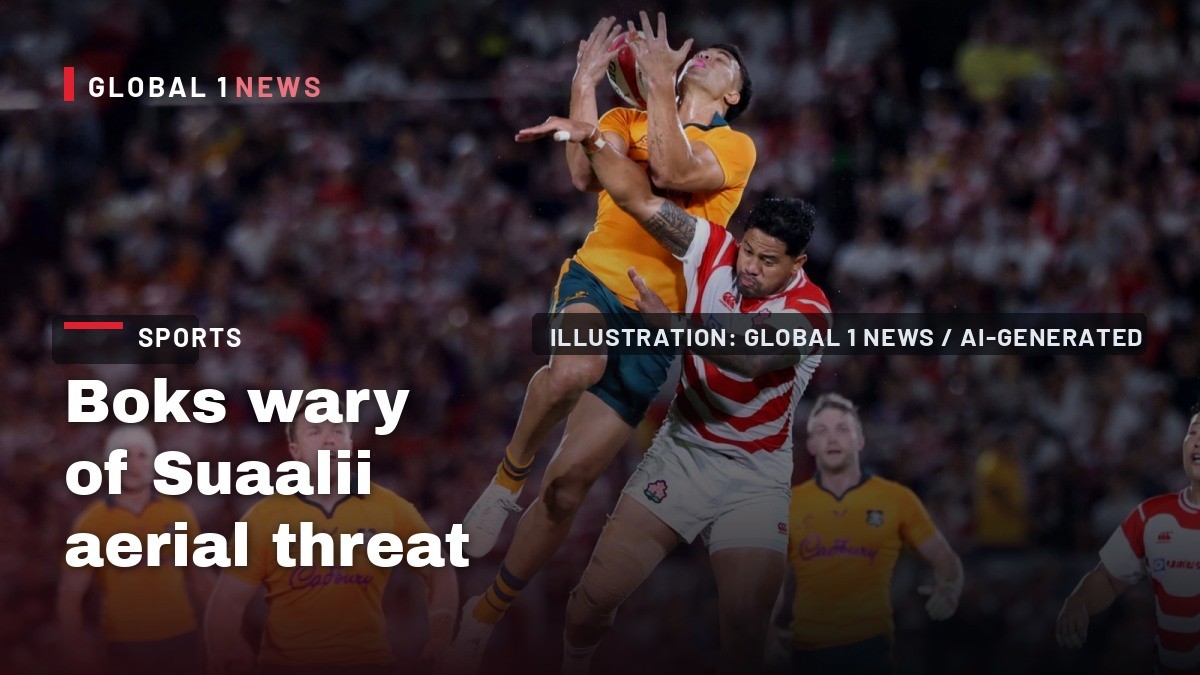
South African rugby fans are bracing for a test of nerves and tactics as the Springboks travel to Perth for a one‑off clash against the Wallabies this Sunday. Assistant coach Mzwandile Stick has sounded the alarm on a new aerial threat – Joseph Suaalii – whose size, pace and leaping ability could add a fresh dimension to Australia’s game plan. The conversation in the Springbok camp is now centred on how to neutralise that wing‑man while staying true to the Boks’ hard‑earned DNA of disciplined, forward‑driven play.
Joseph Suaalii: From centre to wing, a new weapon
Stick revealed that Suaalii has been named on the left wing for the Optus Stadium showdown, a shift from his usual role at outside centre since making the switch to rugby union. The move is not merely positional; it is strategic. “If I look at that backline, they’ve got very strong, powerful runners in that centre partnership in Hunter Paisami and Len Ikitau,” Stick told the media on Saturday, before adding that “they’ve got Suaalii on the wing, so they’ll probably come with a strong kicking game with Ben Donaldson at 10.”
The emphasis on Suaalii’s aerial prowess signals that the Wallabies intend to contest high balls and use the back three as a secondary line of attack. For South African supporters, the image of a towering wing leaping for a contestable kick conjures memories of the Boks’ own aerial duels against the All Blacks, where the ability to win the ball in the air proved decisive.
Australia’s backline firepower
Beyond Suaalii, the Wallabies boast a backline that Stick described as “very strong, powerful runners” in the centre partnership of Paisami and Ikitau. Their physicality, combined with the kicking acumen of fly‑half Ben Donaldson, suggests a game plan that will look to stretch the Springbok defence both laterally and vertically. The presence of a potent kicking game, especially at home, means the Boks could face relentless territorial pressure.
Stick’s assessment underscores a broader concern: the Wallabies have assembled what he calls “probably their best possible 23‑man team.” That depth across the backline and forward pack is a reminder that Australia will not be a side to be taken lightly, particularly on familiar turf where crowd support can turn a close contest into a decisive advantage.
Learning from Ellis Park: A cautionary tale
Stick referenced the Springboks’ own recent history at Ellis Park, where a commanding 22‑0 lead in the first quarter of a Rugby Championship Test in Johannesburg slipped away, allowing the Wallabies to rally and eventually win 38‑22. “After 20 minutes when you lead by 22 points and you drift away from your plan, it’s something we’ve learned from that Test in terms of how we want to play the game, our DNA and how we want to operate as a team,” he explained.
This memory serves as a stark reminder that complacency can be costly. The Boks’ early dominance in that Johannesburg encounter was undone by a loss of focus, a lesson that Stick hopes will be ingrained in the squad’s preparation for Perth. The emphasis on sticking to a game plan, especially when faced with a high‑pressing Australian side, will be crucial.
The home‑soil advantage: Perth’s unique challenge
Playing at Optus Stadium brings its own set of variables. The Wallabies will enjoy the roar of a home crowd, familiar conditions, and the psychological edge of defending on home soil. Stick warned, “We know it’s going to be a tough challenge, especially playing them at home and this is a team where if you’re not good on the day, they’ve got what it takes to punish you.”
For the Springboks, the task is to translate their physicality and structured play into a performance that can withstand the intensity of a packed Australian stadium. The ability to manage the tempo, keep possession, and limit the opportunities for Australia’s aerial game will be vital in neutralising that home advantage.
Strategic implications of Suaalii’s aerial threat
Australia’s potential reliance on a strong kicking game, as hinted by Stick, means the Springboks must be prepared for contested high balls. Suaalii’s size and leaping ability could turn routine kicks into turning points, especially if the Boks fail to secure clean ball under pressure. The challenge lies in maintaining a disciplined defensive line while allowing the wing the space to contest without exposing gaps.
South African coaches have historically placed a premium on a tight defensive structure, but the emergence of a wing like Suaalii forces a re‑evaluation of traditional patterns. The Springboks may need to adjust their kicking strategy, perhaps opting for shorter, higher kicks that limit the opportunity for a leaping opponent to dominate the aerial contest.
Preparing the Springbok bench: Depth and adaptability
Stick’s comments about a “loaded bench” hint at the importance of having versatile players ready to step in should the game’s dynamics shift. The Boks’ bench will need to bring forward power to match Australia’s physical centre partnership, while also offering back‑row options capable of contesting high balls and supporting the back three in defensive duties.
The ability to adapt mid‑game will be a hallmark of a successful Springbok performance. If the Wallabies succeed in creating aerial pressure, the Boks must be ready to bring on fresh legs that can maintain intensity and enforce the defensive line, ensuring that any lapse in concentration does not become a costly mistake.
What this test means for South African rugby
Beyond the immediate result, the Perth test carries broader significance for South African rugby. A strong showing against a well‑assembled Australian side will reinforce the Springboks’ standing on the global stage, especially after a year that saw them grapple with the lessons from Ellis Park. Conversely, a loss could spark fresh debates about tactical rigidity and the need for greater adaptability in the modern game.
For fans across the nation, from the streets of Johannesburg to the townships of the Eastern Cape, the match is a reminder of how sport unites us in anticipation and hope. Whether the Boks can neutralise Joseph Suaalii’s aerial threat and impose their own game plan will be a story that reverberates through club fields and school grounds, inspiring the next generation of Springbok hopefuls to chase the dream of wearing the green and gold.
This article was produced with AI-assisted research and editorial support. Reporting is based on the source material cited below. Sources: SARugbyMag; sarugbymag.co.za; Global1.News (26 September 2026).
By Dante Williams, Staff Writer
What's Your Reaction?
 Like
0
Like
0
 Dislike
0
Dislike
0
 Love
0
Love
0
 Funny
0
Funny
0
 Wow
0
Wow
0
 Sad
0
Sad
0
 Angry
0
Angry
0

Breaking News and Investigations Correspondent at Global1.News. Based in London, covering global breaking news, security, and investigative stories. Known for digging deeper and connecting the dots across continents.














Comments (0)