
Former Guerrero Governor Arrested in Ayotzinapa Evidence Case
Federal authorities arrested former Guerrero Governor Angel Aguirre on charges of concealing evidence in the 2014 disappearance of 43 Ayotzinapa students. The FGR says he ordered the hiding of video showing the students' bus being stopped by police in Iguala.
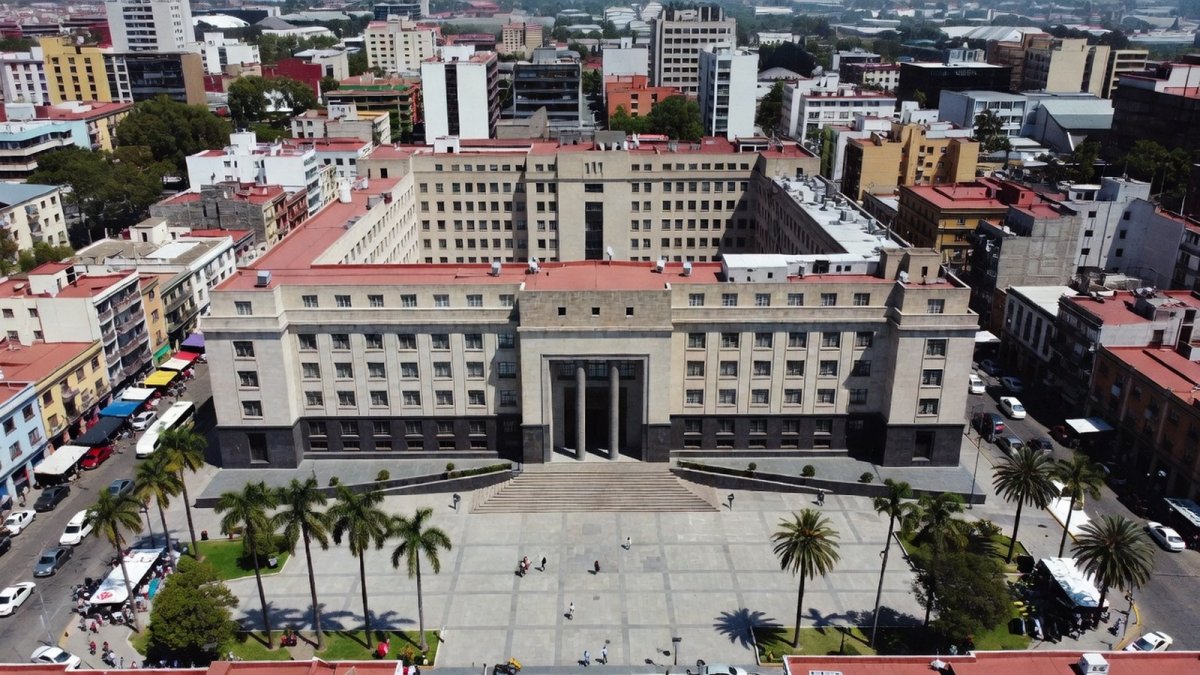
Former Guerrero Governor Arrested in Ayotzinapa Evidence Case
Thursday brought news that reached deep into Mexican homes and plazas from Guerrero to the Estado de Mexico. Federal authorities announced the arrest of former Guerrero Governor Angel Heladio Aguirre Rivero in connection with the 2014 abduction and presumed murder of 43 students from the Ayotzinapa Rural Teachers College. The detention touches families who have carried the weight of this loss for nearly twelve years.
Communities across the country paused to absorb the update from the Fiscalia General de la Republica. For the madres buscadoras and the parents who still search, the moment stirs both hope and caution. The case remains a wound that has shaped conversations in kitchens, markets, and town squares about trust in institutions.
People in rural colonias and Indigenous villages know how such events ripple outward. The arrest connects directly to the daily lives of ordinary Mexicans who demand accountability from those who once held power.
Tags: Ayotzinapa, Angel Aguirre, Guerrero governor, FGR arrest, 43 students, Iguala, evidence concealment, Murillo Karam, state crime, madres buscadoras
The Arrest of Angel Aguirre
Personnel from the federal Public Security Secretariat detained Angel Aguirre at 9:46 a.m. Thursday in the Tepotzotlan municipality of the Estado de Mexico. The National Detention Registry recorded the operation, which followed a warrant requested, obtained, and executed by the FGR. Agents then transferred him to Cefereso No. 1 Altiplano, the maximum-security federal prison in Almoloya de Juarez.
The charges center on concealment and possible destruction of evidence related to the students' whereabouts. The FGR described the action as part of a new investigative model that included fresh acts of investigation. These steps allowed authorities to confirm the possible participation of the former governor in efforts to hide key material.
Officials emphasized that the arrest did not occur in isolation. It formed part of a broader reexamination of the September 2014 events that has continued under the current administration. Families in Guerrero and beyond watched the developments closely, aware that every procedural step carries weight for their long pursuit of answers.
Local communities noted the timing and location of the detention. The move from the state where Aguirre once governed to a federal facility underscored the national scope of the case. Residents in rural areas expressed quiet hope that the process would remain transparent and respectful of due process.
What the FGR Says Aguirre Did
Attorney General Ernestina Godoy stated that the FGR holds evidence Aguirre ordered the concealment of video footage. The recordings captured the Estrella de Oro bus number 1531, carrying the group of teacher-training students, as it was stopped by municipal and state police officers. Security cameras 12 and 15 outside the State Palace of Justice in Iguala documented the moment on the night of September 26, 2014.
Earlier official accounts had claimed the video did not exist because of technical failures. Later investigations showed those claims were false. A collaborating witness came forward in January 2026 and confirmed the recordings existed, naming the individual who removed them and delivered them directly to the former governor. The witness cited threats that had kept him silent until then.
In May 2026 a second protected witness testified that Aguirre called a meeting with top-level officials in his government. The purpose was to ensure any evidence connected to the events at the Iguala Palace of Justice disappeared. Godoy described the concealment as the result of a willful and deliberately structured operation from the top of the state executive power, not a simple technical omission.
These details reached families who have waited years for clarity. The FGR presentation framed the actions as coordinated rather than accidental, a distinction that matters deeply in communities still mourning the students.
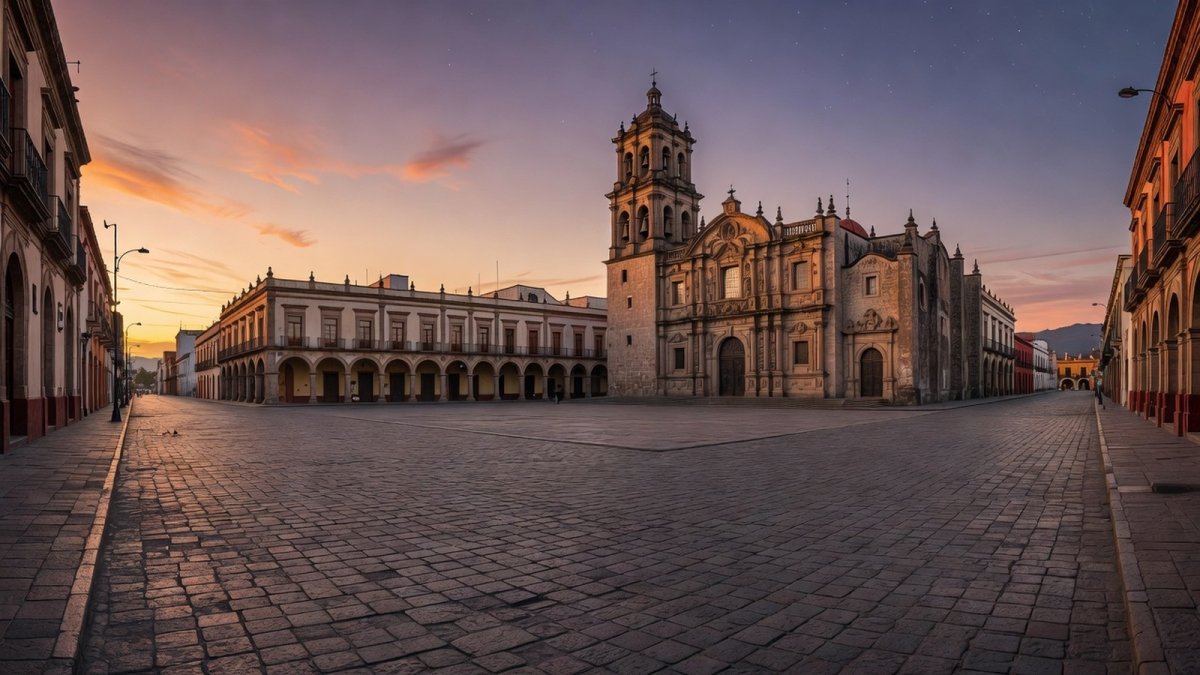
Ayotzinapa: A Case That Shook Mexico
On September 26, 2014, 43 young men from the Escuela Normal Rural Raul Isidro Burgos in Tixtla, Guerrero, disappeared in Iguala. The buses they had taken to travel to Mexico City were stopped by municipal and state police. Reports indicate the officers handed the students over to members of the Guerreros Unidos crime gang.
The disappearances triggered immediate outrage that spread far beyond Guerrero. International attention focused on the case as a stark example of state violence, corruption, and impunity. For families in rural and Indigenous communities, the events crystallized long-standing concerns about safety and accountability.
Parents and civil organizations have marched consistently for nearly twelve years. The madres buscadoras continue their searches, keeping the memory of the students alive in public spaces across the country. Their persistence has shaped national conversations about justice and the role of government in protecting its citizens.
The case remains a reference point in discussions about how power operates in Mexico. Communities in Guerrero and neighboring states still feel its effects in daily life and in their expectations of institutions.
A Second High-Profile Detention
Aguirre becomes the second highest-ranking former official detained in the Ayotzinapa investigation. Former Attorney General Jesus Murillo Karam was arrested on August 19, 2022, as the alleged architect of the discredited Verdad Historica narrative. That account claimed the students were incinerated at the Cocula garbage dump.
A 2022 Truth Commission report concluded that the case involved a state crime. The finding added weight to calls for deeper examination of official actions at the time. Aguirre's detention follows this pattern of renewed scrutiny on high-level figures.
Residents in affected regions view these arrests as steps that test the system's capacity to address past wrongs. The sequence of detentions signals continued focus on the case without guaranteeing outcomes. Families emphasize the need for processes that honor the law and their years of advocacy.
Reactions: Families Demand Truth
The parents of the 43 students and accompanying civil organizations issued a statement Thursday noting they had not been notified of the arrest. They said they do not yet know the specifics of the accusation. The groups added that if the process proves solid and in accordance with the law, it can begin to settle a debt of justice they have pursued for almost twelve years.
Morena's National Executive Committee welcomed the arrest as a step toward truth and justice. The party described the Verdad Historica of the previous government as a symbol of impunity. It called for investigations to continue with due process and without political protection for any individual.
Community leaders in Guerrero echoed the need for clear communication with families. They stressed that transparency strengthens public confidence in the judicial process. Ordinary citizens expressed support for any measure that respects the dignity of those who have waited so long.
What This Means for Mexican Communities
The arrest resonates in colonias and rural towns where families of the disappeared continue daily life amid uncertainty. Madres buscadoras and other searchers see each development as part of a larger effort to restore faith in institutions. For many, the case represents a test of whether justice can reach those who once held high office.
Indigenous and rural communities in Guerrero feel the effects most directly. The events of 2014 altered how residents view local and state authorities. The current investigation offers a chance to address those fractures through consistent, lawful action.
People across Mexico recognize that accountability at the top affects everyday safety and trust. The focus on evidence and procedure matters to families who want answers rather than narratives. This moment connects to broader hopes for a justice system that serves all communities equally.
What to Watch For
The judicial process will now move forward with the charges of concealment and possible destruction of evidence. Observers will monitor whether additional detentions follow and how the government maintains its commitment to the case. Families have requested clear updates so they can follow developments without delay.
Continued attention to due process remains essential. Communities expect investigations to proceed without political interference and with respect for the rights of all involved. The coming months will reveal how the new investigative model handles the remaining questions.
For the parents, the madres buscadoras, and the wider public, the path ahead involves steady pressure for truth. The arrest marks one chapter in a story that has already lasted nearly twelve years. Mexican families will keep watching, as they have from the beginning, for signs that justice is truly taking shape.
By Rosa Martinez, Staff Writer
This article was produced with AI-assisted research and editorial support. Reporting is based on sources cited in the article.
What's Your Reaction?
 Like
0
Like
0
 Dislike
0
Dislike
0
 Love
0
Love
0
 Funny
0
Funny
0
 Wow
0
Wow
0
 Sad
0
Sad
0
 Angry
0
Angry
0

Latin America/Andes Correspondent at Global1.News. Based in Bogota, covering politics, environment, energy, and social movements across the Andean region. Passionate about environmental journalism and communities protecting their land.












Comments (0)