
Air India Orders Dope Tests for All Pilots After Captain Tests Positive for Marijuana
In a landmark safety directive, Air India has ordered mandatory drug screening for all its pilots across the group, effective Thursday, August 13, 2026, following a confirmatory test that found the captain of a Phuket-Delhi flight positive for marijuana.
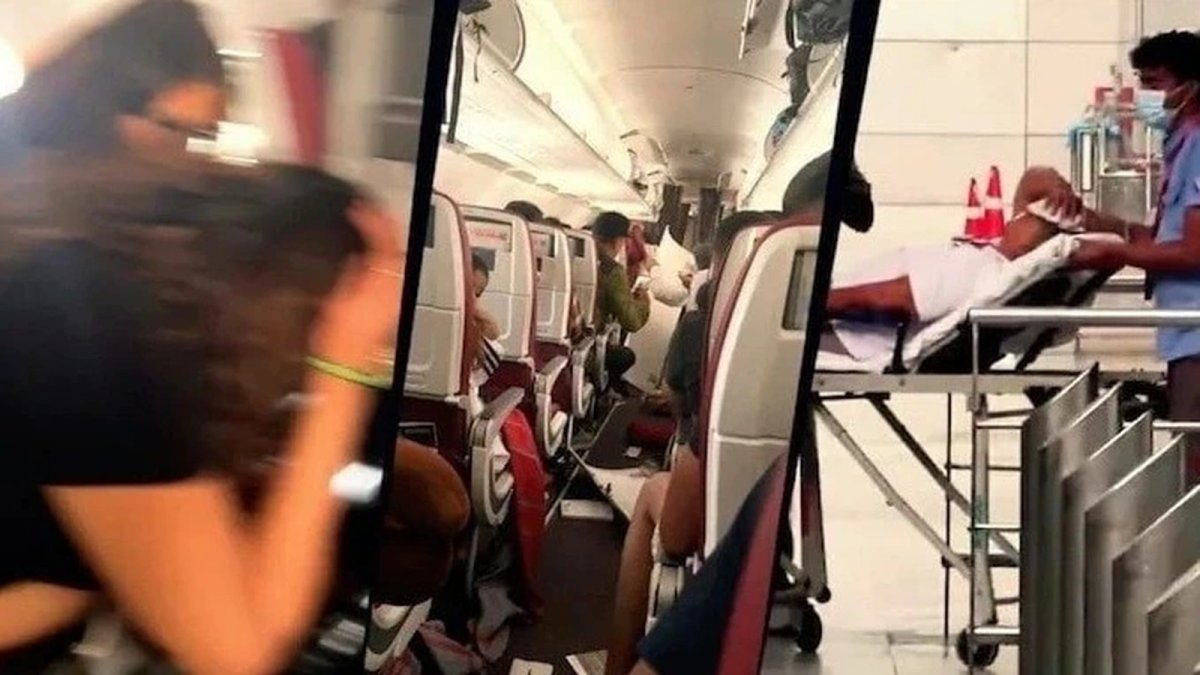
In a landmark safety directive, Air India has ordered mandatory drug screening for all its pilots across the group, effective Thursday, August 13, 2026, following a confirmatory test that found the captain of a Phuket-Delhi flight positive for marijuana. The decision comes in the wake of a sudden 300-foot mid-air altitude drop over Odisha on August 4, which injured at least 24 passengers and crew and has triggered a multi-agency investigation into technical, operational, and human-factor failures.
Air India’s Zero-Tolerance Shift: Mandatory Screening for All Pilots After Confirmatory Marijuana Test
New Delhi – August 13, 2026 — The Directorate General of Civil Aviation (DGCA) and Air India are moving decisively to overhaul pilot screening protocols after the pilot-in-command of Flight AI 2379, an Airbus A320 operating from Phuket to Delhi, tested positive for marijuana in a confirmatory laboratory analysis. The positive result, which followed an initial screening that flagged the need for further testing, has prompted the airline to implement a sweeping dope-testing regime that goes well beyond current regulatory requirements.
The Incident: A 300-Foot Drop Over Odisha
On August 4, 2026, Flight AI 2379 was cruising over Odisha airspace when the aircraft suffered a sudden, unexplained 300-foot altitude loss. The Airbus A320 was carrying 137 passengers and 8 crew members, with injury reports varying across sources: India Today confirmed 24 passengers and crew injured, while the New Indian Express reported 17 people including four crew, and ABP Live cited at least 20 passengers and four crew requiring medical attention. The aircraft landed safely at Delhi’s Indira Gandhi International Airport, but the event has since spiraled into one of the most significant pilot-conduct investigations in Indian aviation history.
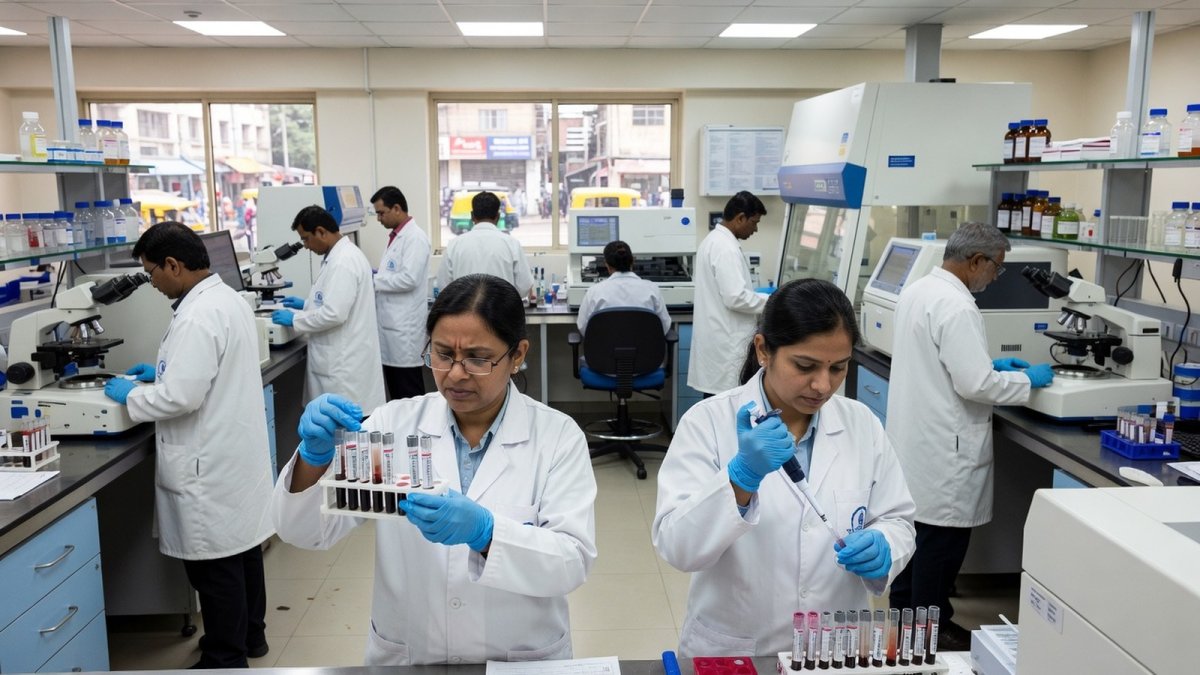
Immediately after landing, both the pilot-in-command and the co-pilot were administered Breathalyser tests for alcohol — both returned negative. However, blood, urine, and hair samples were also collected and sent for laboratory analysis. The pilot-in-command, described as being in his late thirties, tested positive for marijuana in the confirmatory test conducted at a designated laboratory, validating the initial screening’s suspicion.
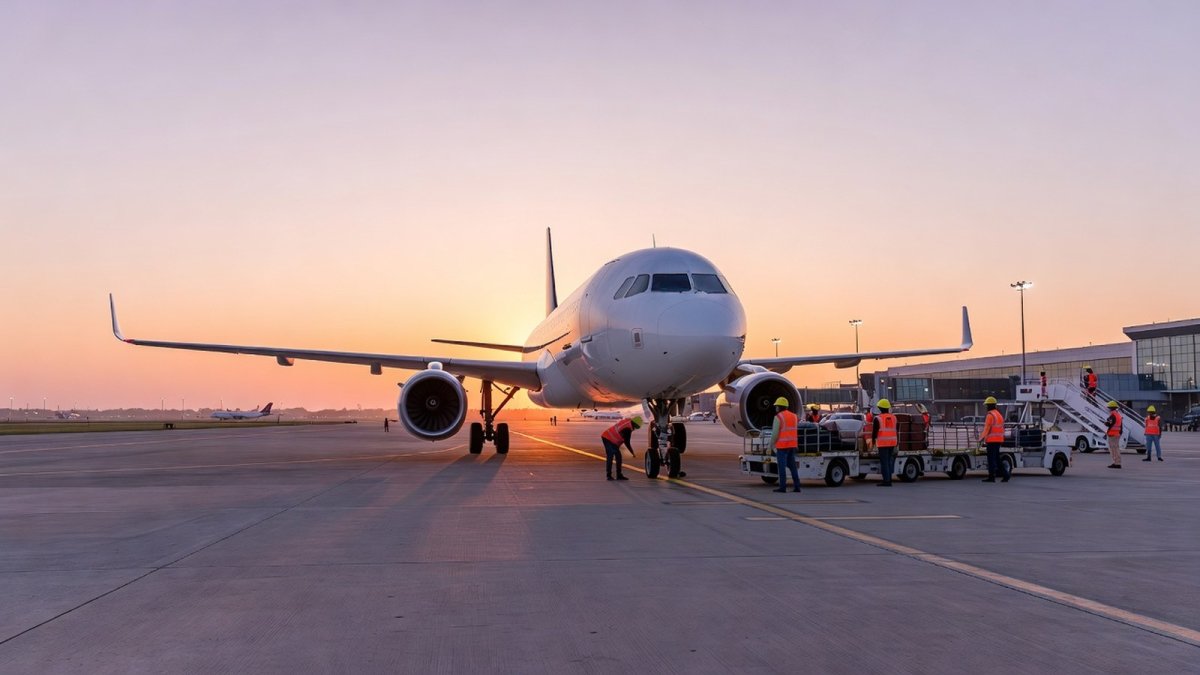
Immediate Action: Derostering and Investigation
The DGCA acted with unusual speed, immediately derostering both the pilot-in-command and the co-pilot pending a full investigation. The Aircraft Accident Investigation Bureau (AAIB) has taken charge of the probe, with technical assistance from Airbus and France’s BEA. The AAIB is examining four parallel streams of evidence: technical snags, operational decisions, medical records, and human-factor considerations. An automated post-flight maintenance report flagged nine separate technical issues on the Airbus A320, adding a layer of complexity to the investigation.
Civil Aviation Minister K. Rammohan Naidu has made the government’s stance unequivocal. “If the pilot is found to have indulged in any substance abuse, it would be treated very seriously,” he said. “If there needs to be any tweaking of the existing legislation, we will do that also.” The minister summoned outgoing Air India CEO Campbell Wilson over the incident, signaling that the government views this as a systemic failure, not an isolated lapse.
Air India’s Sweeping New Screening Regime
In a move that surpasses DGCA mandates, Air India has ordered mandatory screening of all pilots across the group for prohibited substances and drugs, effective Thursday. The screening will be conducted at the Gurugram Academy, Flight Briefing Centre, and base locations, and will also apply after training sessions and flying duties. This is a significant escalation from the current practice of random or suspicion-based testing, and it places Air India at the forefront of proactive safety enforcement in the region.
The airline’s zero-tolerance policy means the pilot in question faces a strong likelihood of termination. Captain CS Randhawa, president of the Federation of Indian Pilots, has gone further, calling for the pilot to be debarred for life. Randhawa also used the incident to renew his demand for a standalone Civil Aviation Authority, arguing that the DGCA’s dual role as regulator and investigator dilutes oversight effectiveness.
India’s Current Dope-Testing Framework: Enforcement Gaps
India’s existing regulations for psychoactive substance testing are aligned with international norms in Europe and the United States, but the enforcement and rehabilitation pathways reveal significant gaps. Under the current DGCA framework, aviation personnel who test positive for psychoactive substances are referred to a rehabilitation programme. A second positive test can result in suspension of the licence for three years, and a third violation can lead to cancellation of the licence altogether.
The return-to-duty process is equally stringent on paper: a pilot must undergo treatment at a de-addiction or rehabilitation centre, and can only resume flying after a negative confirmatory test and a fitness certificate from the airline’s medical in-charge. This process typically takes six to eight months. However, the Air India case highlights a critical weakness — the initial screening process, which flagged the need for confirmatory analysis, was not sufficient to prevent the pilot from being rostered for a commercial flight in the first place.
Policy Implications: What the Ministry Is Considering
The Ministry of Civil Aviation has formally asked the DGCA to review dope-testing rules and examine how psychoactive-substance testing is conducted in other countries, with a view to strengthening India’s protocols. This review is expected to consider several key questions: Should testing be mandatory and periodic for all flight crew, rather than random? Should the threshold for confirmatory testing be lowered? And should the rehabilitation pathway be replaced with a more punitive framework for first-time offenders?
The minister’s warning about tweaking legislation suggests that the government is prepared to move beyond administrative circulars. If the DGCA’s review recommends legislative changes, India could see its first statutory overhaul of pilot drug-testing rules in over a decade. The Federation of Indian Pilots has already staked out a position, with Randhawa arguing that the current three-strike system is too lenient for a profession where a single lapse can cost hundreds of lives.
The Human Factor: Sleep Medication and Substance Abuse
Reports indicate that the pilot was also on sleep medication, raising questions about the interaction between prescribed drugs and prohibited substances. The AAIB’s medical and human-factor investigation will need to determine whether the pilot’s use of marijuana was a one-off lapse or part of a broader pattern of self-medication and fatigue management. This is a critical distinction, as it will shape both the disciplinary outcome and the regulatory response.
For Indian passengers, the incident is a stark reminder that aviation safety is not solely a function of aircraft maintenance and air traffic control. The human element — pilot health, mental well-being, and substance use — remains the most unpredictable variable in the safety equation. The fact that the pilot passed an alcohol Breathalyser test but failed a marijuana confirmatory test underscores the need for more comprehensive and routine screening, not just for alcohol but for a wider range of psychoactive substances.
The Bottom Line
Air India’s decision to screen all pilots, effective August 13, 2026, is a direct and necessary response to a systemic vulnerability. With 137 passengers and 8 crew aboard Flight AI 2379, the margin between a 300-foot altitude drop and a catastrophic incident was measured in seconds. The DGCA’s review of dope-testing protocols, the ministry’s willingness to amend legislation, and the AAIB’s multi-pronged investigation collectively signal that Indian aviation is finally treating substance abuse by flight crew as the existential threat it represents. The pilot in question faces termination and likely debarment; the industry faces a reckoning that should have come sooner.
— By Dr. Raj Patel, Staff Writer
This article was produced with AI-assisted research and editorial support. Sources: NDTV, Reuters, New Indian Express, India Today, ABP Live, News18.
What's Your Reaction?
 Like
0
Like
0
 Dislike
0
Dislike
0
 Love
0
Love
0
 Funny
0
Funny
0
 Wow
0
Wow
0
 Sad
0
Sad
0
 Angry
0
Angry
0

India/South Asia Correspondent at Global1.News. Analytical voice with a background in science and health journalism. Based in New Delhi, covering Indian politics, education, healthcare, technology, and policy. Breaks down complex data into clear, actionable reporting.














Comments (0)