
30 Canadians Missing After Deadly Nepal-Tibet Flash Floods
In a recent CBC News report, the scale of the catastrophic flash floods and mudslides that swept through communities along the Nepal-Tibet border on Wednesday came into sharp focus, with at least 389 people confirmed dead in Nepal and hundreds more missing—including 30 Canadians and permanent residents.
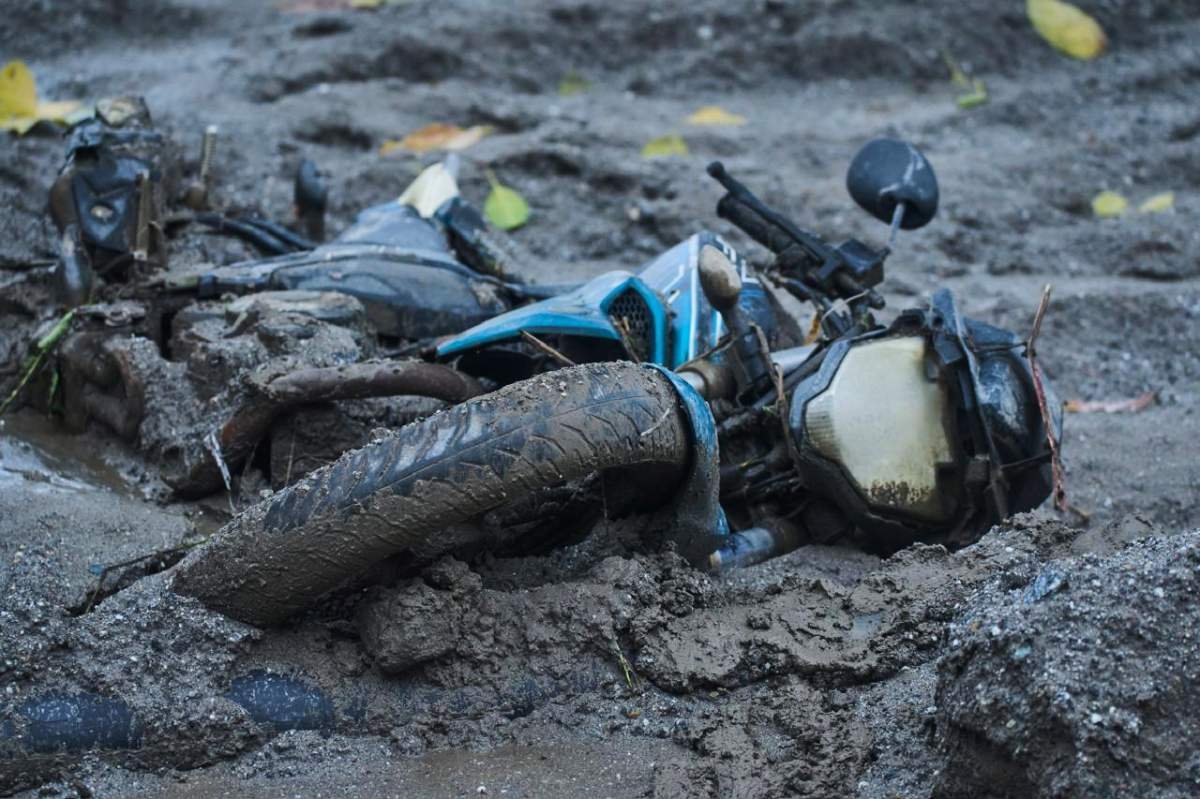
In a recent CBC News report, the scale of the catastrophic flash floods and mudslides that swept through communities along the Nepal-Tibet border on Wednesday came into sharp focus, with at least 389 people confirmed dead in Nepal and hundreds more missing—including 30 Canadians and permanent residents. The footage from the region shows raging torrents of brown water crushing infrastructure, engulfing border crossings, and leaving entire villages buried under debris, a scene that has now drawn an urgent consular response from Ottawa.
30 Canadians Missing After Deadly Nepal-Tibet Flash Floods; Ottawa Deploys Consular Team to Kathmandu
Ottawa, Ontario — Foreign Affairs Minister Anita Anand confirmed on Thursday that 30 Canadians and permanent residents are unaccounted for following the devastating floods, a number she cautioned may fluctuate given the extremely difficult circumstances on the ground. The disaster, which struck the popular Himalayan trekking region on Wednesday, has killed at least 389 people in Nepal alone, with more than 460 injured and 910 listed as missing by Nepali police. The CBC News video "30 Canadians missing in deadly Nepal-Tibet flash floods" highlights the growing anxiety among families in Canada who have been unable to reach loved ones travelling in the region.
What Happened: A Wall of Water and Mud
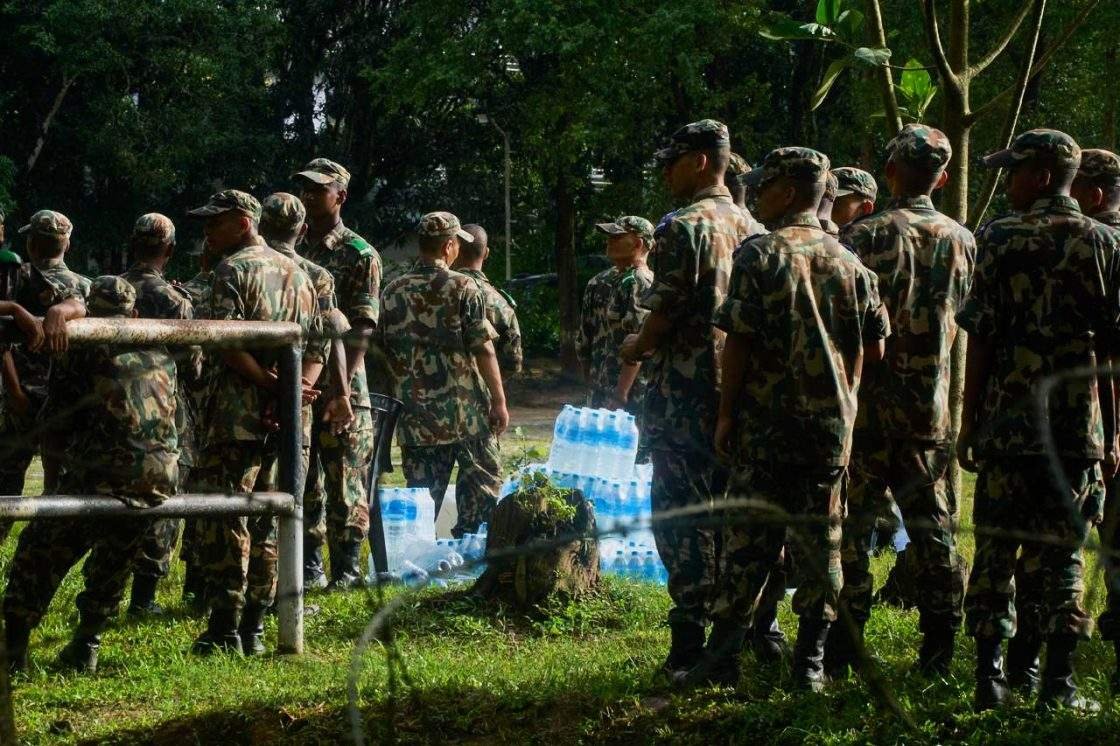
The disaster unfolded on Wednesday when torrential rains triggered a series of flash floods and mudslides across the rugged terrain separating Nepal from the Tibet Autonomous Region of China. In Nepal, the raging floodwaters crushed a hydroelectric dam under construction, while a mudslide engulfed the Nepal-China border crossing at Gyirong County as people attempted to flee. The National Emergency Operation Center in Kathmandu reported that the missing include 113 Nepali tourists, 85 security personnel from the army and police, 161 residents from Rasuwa district, and one from Nuwakot district.
On the Tibetan side of the border, the situation is equally dire. Chinese state broadcaster CCTV reported at least 3 dead and 558 missing in Gyirong County, with 260 of those missing being foreigners. Nearly 100 Chinese citizens are also unaccounted for on the Nepali side of the border. The numbers are staggering, and rescue teams are now engaged in a desperate search for survivors amid the debris and mud. The National Tourism Board in Nepal said 517 foreigners are missing, a figure that underscores the international scope of this tragedy.
The Canadian Response: A Consular Surge
Minister Anand said in a statement that Global Affairs Canada (GAC) is deploying five additional consular officials to Kathmandu to support Canadians and coordinate with local officials and partners. "Our consular officials are working urgently to establish contact and confirm their safety," Anand said. Canada is working with Nepali and Chinese counterparts and coordinating with international partners and allies who also have citizens in the region. The minister's office has been in close contact with families of the missing, though the fluid nature of the situation has made precise numbers difficult to pin down.
The number of missing Canadians has fluctuated significantly since the disaster struck. Nepal's embassy in Ottawa said Thursday that the number was 25, down from 24 on Wednesday, but by Thursday evening GAC had revised the figure upward to 30. This volatility reflects the chaos on the ground, where communication lines are down, roads are destroyed, and many travellers are simply unreachable. GAC said late Thursday that 858 Canadians in Nepal and 18 in Tibet had signed up with the department's Canadians abroad registry system, though registration is voluntary and the true number of Canadians in the region may be higher.
Who Is Missing: A Global Toll
The missing are not just Canadians. People from roughly 30 countries are unaccounted for, according to officials. India has the highest number at 288, including 73 workers on a power project and many pilgrims who were travelling to the sacred Mount Kailash. The United States has 65 missing, Ukraine 55, Malaysia 51, Australia 35, and the United Kingdom 33. South Korea has 9 missing, all workers at a hydropower plant, while Singapore, Germany, and Russia each report 8. South Africa and Latvia have 6 each, Japan and New Zealand 5, France 4, and Belgium and Spain 3 each. The list goes on, a grim roll call of tourists, pilgrims, and labourers who were in the wrong place at the wrong time.
For Canadians, the missing include trekkers who were exploring the popular Himalayan routes that draw thousands of Canadian adventure travellers every year. The region is known for its stunning vistas and challenging trails, but it is also geologically volatile. The fact that so many Canadians were in the area is not surprising to those familiar with the trekking industry, but it has nonetheless sent a shockwave through the Canadian travel community. Families are now waiting by phones, desperate for any word from Global Affairs Canada or the Canadian embassy in Kathmandu.
Why the Himalaya Are Vulnerable: A Glacial Lake Threat
The disaster is consistent with a glacial lake outburst flood (GLOF) scenario, a phenomenon that scientists and officials are now examining closely. A GLOF occurs when a glacial lake, formed by melting ice, suddenly breaches its natural dam of moraine or ice, releasing a catastrophic torrent of water and debris downstream. Climate change is accelerating glacial melt across the Himalaya, increasing both the size and number of these lakes and the risk of such outburst floods. The region has seen several devastating GLOFs in recent decades, and Wednesday's event may be among the worst.
Adding to the immediate danger, officials have warned that a glacial lake in the area now poses a new flood threat as the death toll continues to rise. The lake, swollen by the same rains that triggered the initial disaster, could breach at any moment, sending another wave of water into already devastated communities. Rescue teams are working against the clock, not only to find survivors but also to evacuate people from the danger zone. The scientific community is watching closely, as this event could provide critical data on how climate change is reshaping the world's highest mountain range.
Impact on Canadians: Travel, Safety, and Consular Services
For Canadians, the immediate concern is the safety of the 30 missing individuals and their families. Global Affairs Canada is urging any Canadians in the region to register with the Canadians abroad registry if they have not already done so. The department is also reminding Canadians to contact their loved ones as soon as possible to confirm their safety, as the registry is the primary tool for consular officials to locate citizens in crisis zones.
Canada has not yet issued new travel advice beyond existing advisories for Nepal and Tibet, which already warn of the risks of trekking in remote areas and the potential for natural disasters. However, given the scale of this event, it is likely that GAC will update its travel advisories in the coming days, potentially recommending against non-essential travel to the affected regions. For Canadians planning trips to the Himalaya, this disaster serves as a stark reminder of the power of nature and the importance of being prepared for emergencies in remote areas.
The federal government's response has been measured but swift, reflecting the seriousness of the situation. Anand's statement emphasized that Canada is coordinating with international partners, including the United States, the United Kingdom, and Australia, all of whom have citizens missing. This multilateral approach is typical of Canadian foreign policy, which prioritizes cooperation and shared responsibility in times of crisis. It also ensures that resources are pooled and information is shared, increasing the chances of finding survivors.
What Happens Next: Recovery and Rebuilding
The immediate priority is search and rescue, but the longer-term challenge will be recovery and rebuilding. The destruction of the hydroelectric dam, the border crossing, and countless homes and roads means that the affected communities will need substantial international aid. Nepal, already one of the poorest countries in Asia, will struggle to cope with the scale of this disaster without significant external support. Canada, through Global Affairs Canada's international assistance programs, is likely to contribute to relief efforts, though no specific commitments have been announced yet.
For the families of the missing, the coming days will be agonizing. The fluctuating numbers from GAC and the Nepali government are a reflection of the chaos on the ground, not a lack of effort. Consular officials are working around the clock, but in a region where roads are destroyed and communication is sporadic, progress is slow. The Canadian government has promised to keep families informed as new information becomes available, but it has also cautioned that some answers may not come quickly.
This disaster is a stark reminder of the fragility of life in the world's most extreme environments. It is also a test of Canada's commitment to its citizens abroad and to the international community. The response from Ottawa has been professional and compassionate, but the true measure of success will be in the coming days, as the search continues and the full scale of the tragedy becomes clear. For now, Canadians can only wait, hope, and support the families of those who are missing.
By Alex Thompson, Staff Writer
This article was produced with AI-assisted research and editorial support. Reporting is based on sources cited in the article.
What's Your Reaction?
 Like
0
Like
0
 Dislike
0
Dislike
0
 Love
0
Love
0
 Funny
0
Funny
0
 Wow
0
Wow
0
 Sad
0
Sad
0
 Angry
0
Angry
0

Canada Correspondent at Global1.News. Based in Toronto, covering Canadian politics, energy, trade, and US-Canada relations. Provides the Canadian perspective on North American and global affairs.











Comments (0)