
Zelensky Tells Trump Ukraine Is Ready for an Energy Ceasefire. The Kremlin Wants Peace, Not a Truce
Zelensky told Trump at the UN that Ukraine is ready to stop striking Russian energy targets if Moscow stops hitting Ukraine's grid, but the Kremlin said it wants a signed peace, not a ceasefire, as US diesel prices hit a record.
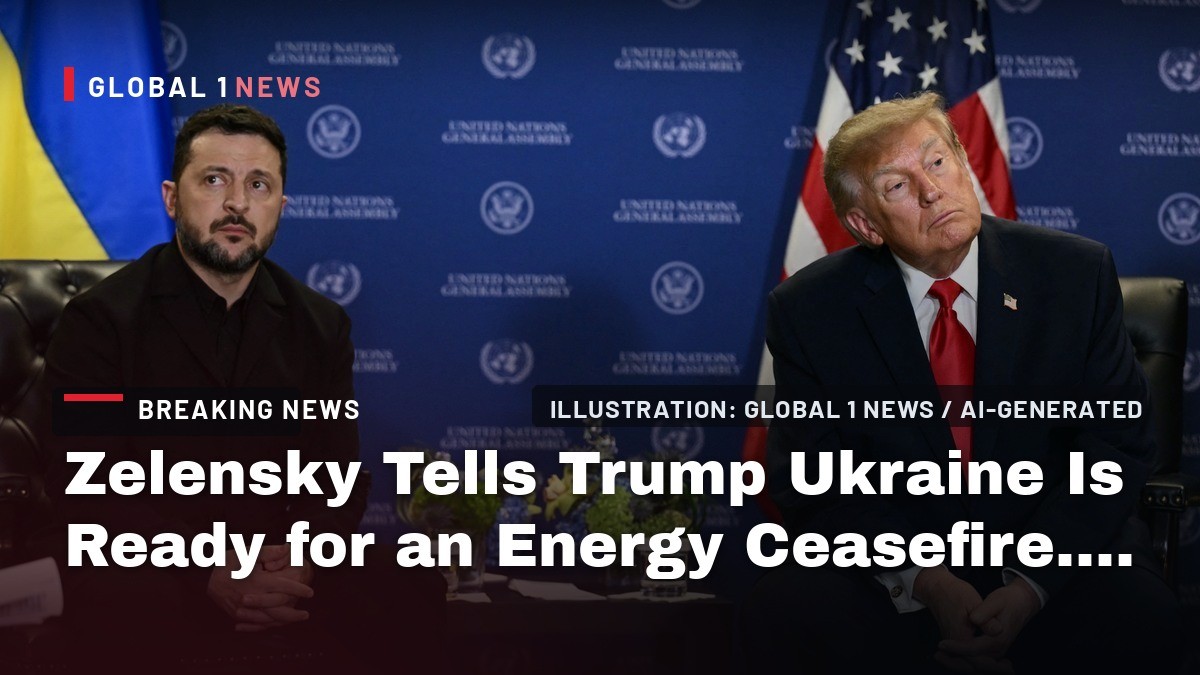
Ukraine's president walked out of a forty-minute meeting with Donald Trump at the United Nations on Tuesday and offered Moscow a deal that would spare both countries' power grids this winter. Hours later, the Kremlin welcomed the idea and declined to take it — saying it wants a signed peace, not a pause in the shooting.
Zelensky Tells Trump Ukraine Is Ready for an Energy Ceasefire. The Kremlin Wants Peace, Not a Truce
UNITED NATIONS — Volodymyr Zelensky met Donald Trump at UN headquarters in New York on Tuesday, 22 September 2026, on the sidelines of the 81st UN General Assembly. It was the two leaders' first face-to-face meeting since July. It lasted forty minutes.
What Was Agreed, and What Was Not
Zelensky called the talks "positive and productive" in a post on X. "Both the US and Ukraine want to see this senseless Russian war ended before winter," he wrote. "We discussed potential de-escalatory steps that can open up the way to diplomacy."
The concrete proposal on the table is narrow and reciprocal. Ukraine would stop striking Russian energy facilities if Russia stops striking Ukraine's. Zelensky said Washington agreed to carry the message to Moscow.
"We are ready for energy ceasefire," he told reporters afterwards. "If they don't want us to attack their diesel and refineries, and etc, we are ready — if they will not attack our energy system, our electricity, heating system, water supplies."
He was equally clear about what was not agreed. There was, he said, no discussion of Kyiv unilaterally ending its attacks on the Russian oil industry, and Ukraine has received no "one-sided order" to stop. It stops only if Moscow does the same.
The Kremlin Says It Wants Peace, Not a Ceasefire
Moscow's response arrived through Dmitry Peskov, the Kremlin spokesman. He said the idea of halting strikes on energy facilities "is important for the people," then declined to sign up to it.
"I'll leave out some nuances, but we are working on peace, not on a ceasefire," Peskov said. "A stable, guaranteed, long-term peace, achieved through the signing of appropriate documents, is an absolute priority."
Earlier in the week Peskov had called Trump's energy-truce proposal "an undoubtedly excellent idea" and said Russia was in contact with Washington about it, while insisting the authorities could stabilise the domestic fuel supply without any truce. Russian officials have also described the Ukrainian proposal as a temporary respite "precisely in the area that is Kyiv's weakest point" — Peskov's own phrase for Ukraine's power system, which he called its "Achilles' heel."
Foreign Minister Sergei Lavrov, who is in New York for the General Assembly, said Russia does not reject negotiations. "Trilateral, bilateral, that's fine with us," he said, adding that he had a meeting scheduled with US Secretary of State Marco Rubio. Rubio had told Fox News before the Trump-Zelensky meeting that an energy infrastructure ceasefire would be "an ideal outcome."
The Diesel Number That Put This on the Agenda
The reason an energy truce is suddenly the subject of a superpower conversation is a pump price. US average diesel costs hit a record $6.51 a gallon on Tuesday, according to AAA figures cited by Reuters, against roughly $3.52 before the US and Israeli strikes on Iran in late February.
Trump has argued that Ukraine's refinery campaign is the main cause. Experts put the split differently but not small: Patrick De Haan of GasBuddy estimated that 60 to 65 percent of the recent diesel spike stems from Ukrainian attacks on Russian refining, with the remainder from Iran's chokehold on the Strait of Hormuz.
The gap is real on both ends. Russia normally supplies around one in nine barrels of the world's diesel and used to export about a million barrels a day of it; it banned diesel exports in July and has extended that ban to the end of October, with petrol exports barred into January. Ukraine's drone campaign has removed much of the rest. The research group CREA found Russia's fossil fuel export revenues fell 8 percent in August, after drone attacks shut a key shipping terminal for nine consecutive days — the longest such shutdown of the war.
Trump's Own Suggestion, and Why Analysts Say It Backfires
Trump went further than urging Ukraine to stop. He said he backed a short-term ban on US diesel exports. "I've called for it, too. I said, 'Let's not send out the diesel,'" he said.
Republican senators from farm states, including Chuck Grassley, have pushed for an embargo, and Senate Majority Leader John Thune said he is "open to exploring" one. Oil-state Republicans and the American Petroleum Institute are against it. API president Mike Sommers warned that restricting exports would "make the problem worse, not better — for consumers, farmers and the broader U.S. economy."
The arithmetic behind that objection matters. US refineries produce about 5.3 million barrels a day of distillates against domestic demand of about 3.6 million barrels a day, and the United States exported a record 1.6 million barrels a day of diesel in August, according to Kpler data cited by Reuters. Analysts warn that capping exports would push refiners to cut runs, starve allies including Mexico and Europe, and leave untouched the global price that sets American prices.
Why September Is the Month This Gets Decided
There is a seasonal logic to the timing, and both capitals understand it. An energy truce agreed in September protects whoever would be bombed in December.
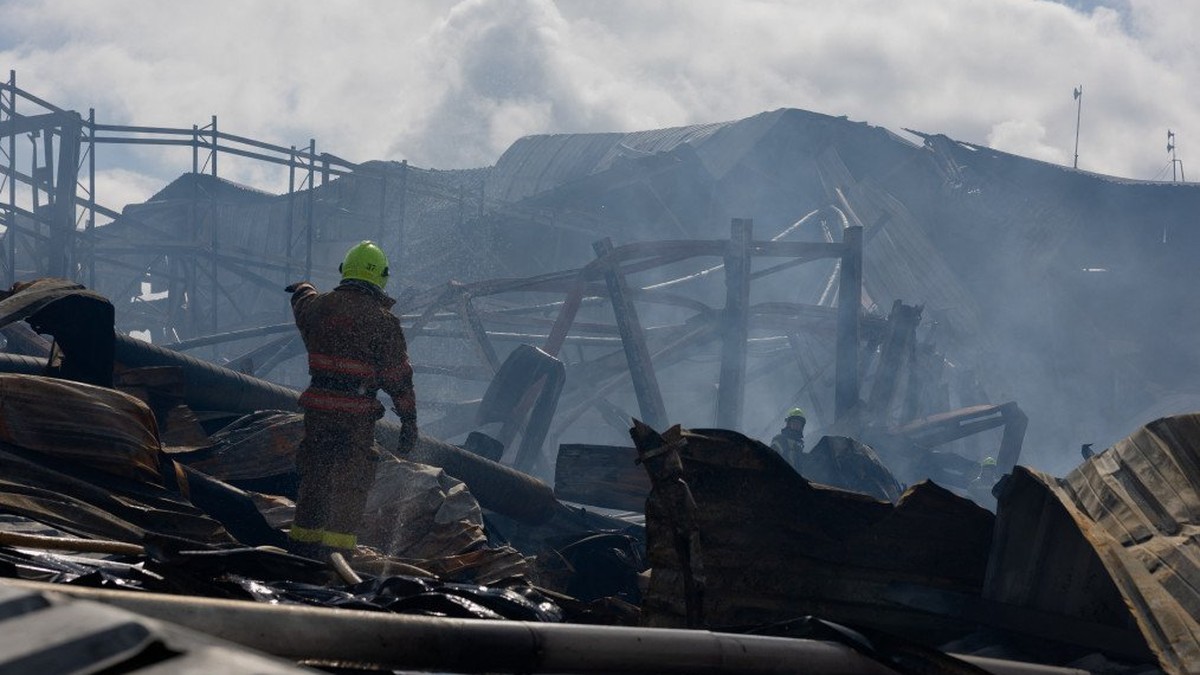
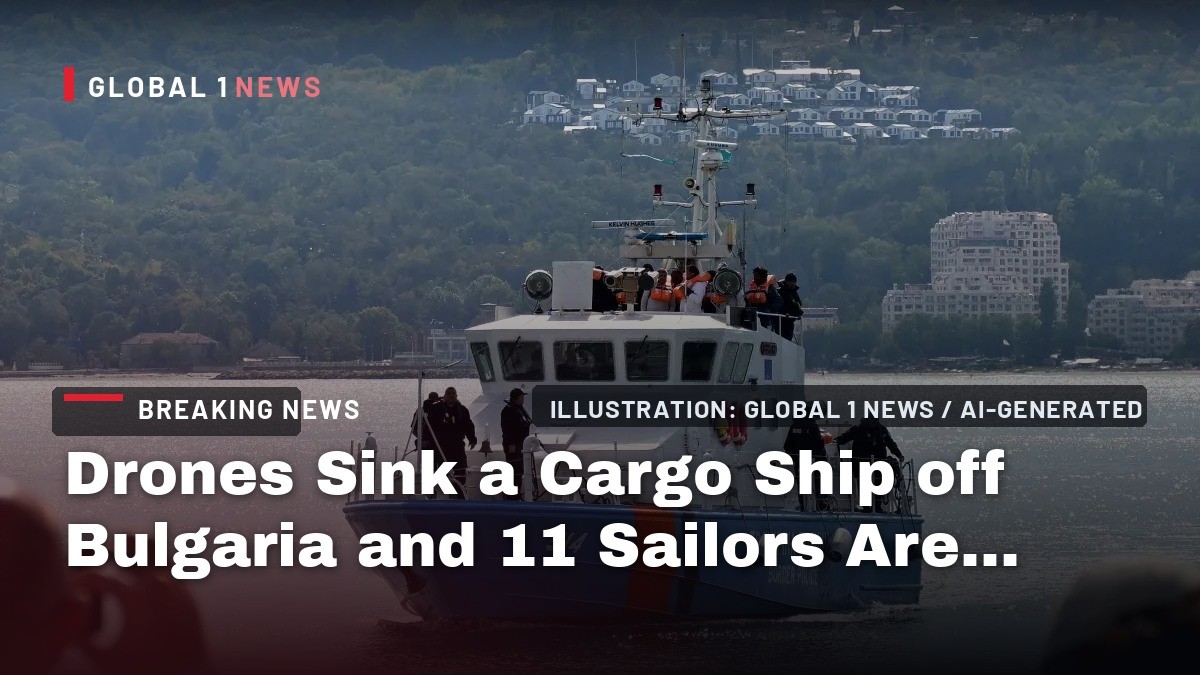
Russia has spent the past month hammering Ukraine's power, fuel, port and logistics infrastructure as temperatures fall. On 15 September it launched about 200 drones across the country, hitting petrol stations in Kyiv as well as energy and port facilities elsewhere, according to Ukrainian officials. On 17 September a large-scale overnight attack on Kyiv wounded at least 16 people, and a Russian drone strike on a Tanzanian-flagged civilian ship in the Black Sea killed its captain. Two days later, strikes across Ukraine killed eight people, Ukrainian authorities said.
Zelensky said on 20 September that Russia had fired more than 2,000 attack drones, 1,700 aerial bombs and 19 missiles of various types at Ukraine in a single week. Rolling blackouts have returned to the capital, and the country is in the middle of a rush to rebuild generation and grid capacity it will need within weeks.
The Refineries Ukraine Has Not Stopped Hitting
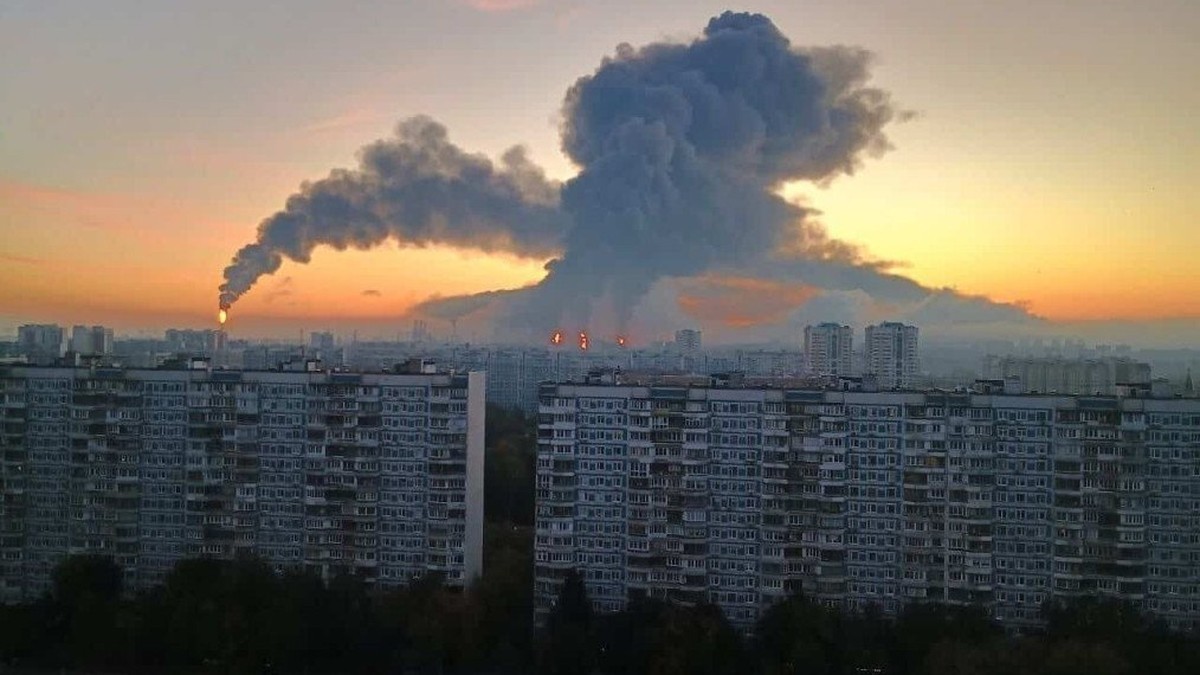
Whatever is agreed in New York, the campaign that brought both sides to the table is still running. On the night of 19-20 September Ukraine fired more than 1,000 drones at Russia, and the mayor of Moscow said the wave aimed at the capital was the largest of the war. Ukraine's deep-strike drones have now reached targets as far as 3,000 kilometres from its border.
The target that mattered was the Moscow Oil Refinery in Kapotnya, operated by Gazprom Neft. Three units were hit: the AVT-6 primary refining unit, the integrated crude-processing unit and the isomerization unit. The plant sits roughly 560 kilometres from Ukrainian territory and about 15 kilometres from the Kremlin, has a nameplate capacity reported at between 11 and 12 million tonnes of oil a year, and supplies around 40 percent of Moscow's fuel market and 70 percent of the Moscow region's petrol and jet fuel needs. Reuters, citing three industry sources, reported that both primary distillation units caught fire and that repairs could take weeks and might stretch to months.
That is one plant in a long list. Rosneft's Syzran and Saratov refineries halted processing in mid-September after drone strikes, with Syzran's main crude unit — 71 percent of its capacity — expected to need at least a month. The Ryazan refinery shut on 10 September. The Slavneft-Yanos plant at Yaroslavl, jointly controlled by Rosneft and Gazprom, caught fire on 17 September. Ukraine's General Staff said the strikes it carried out between 14 and 20 September had disabled more than 45 percent of Russia's design refining capacity. Zelensky named the weapons used in the Moscow operation: the FP-1, RZ-100, MICH-2000, Palianytsia, Vendetta, Liutyi, Bars, Flamingo, Sichen and Pelican drones. "One of Russia's key oil industry facilities and the aggressor's logistics facility were hit," he wrote. "These are billions of dollars that sustain the war machine."
The Patriots Problem
Zelensky's other request in New York was harder to grant and more urgent than the truce. He asked Trump for a package of Patriot air-defence missiles — the only weapon in Ukraine's arsenal capable of intercepting Russian ballistic missiles, and the one thing standing between the grid and another winter of strikes.
Global stocks of Patriots have been depleted by the US-Israeli war on Iran as well as the war in Ukraine. Zelensky's answer is a swap: Patriot interceptors from American stockpiles this winter, repaid with future interceptors from Ukraine's own deal with Germany, which has agreed to supply 600 Patriots in 2027 and 2028. He said it was a good sign that the idea was not rejected, and acknowledged that Trump had not agreed to it.
Trump also signalled openness to licensing Patriot production inside Ukraine. Raytheon is willing, Zelensky said: "Raytheon is ready. We asked the president to help us to move quick. He is positive with licenses." Trump had floated the same idea at the NATO summit in Ankara in July and then pulled back. "We have not agreed to that. We're talking about it, but it's a hard thing to give away that kind of technology," he said. Even if approved, the project would take at least a year and a half — a limit Zelensky conceded. "It's for the future," he said.
A Truce With No Terms, No Date and No Verifier
The last time this was tried, it lasted less than a day. On 14 September Trump announced on Truth Social that Russia and Ukraine had agreed to stop striking each other's energy facilities. Neither government confirmed it. Russia hit petrol stations in Kyiv; Ukraine bombed a Russian refinery. The truce was over before it had terms.
There is a formal precedent too. In March 2025, after a call between Trump and Vladimir Putin, the two sides agreed a thirty-day pause on energy infrastructure strikes. Both then accused the other of violations, and it lapsed.
That history is why the questions now being asked are the boring ones. What is the scope — energy only, or all critical infrastructure? When does it start, and for how long? And who rules on a violation? None of that has been answered. Moscow has spent the past year describing any freeze as futile, and Russia's UN ambassador, Vasily Nebenzya, has said attempts to impose one under the guise of a ceasefire are pointless.
What Happens Next
The negotiations did not stop when the cameras left. Trump's envoys Steve Witkoff and Jared Kushner were expected to meet late on Tuesday with Ukraine's negotiating team and representatives from Britain, France and Germany to work through Kyiv's de-escalation proposals. Zelensky said he is ready to meet Putin trilaterally at any time. Trump said he believes Putin is willing to meet, but did not say where.
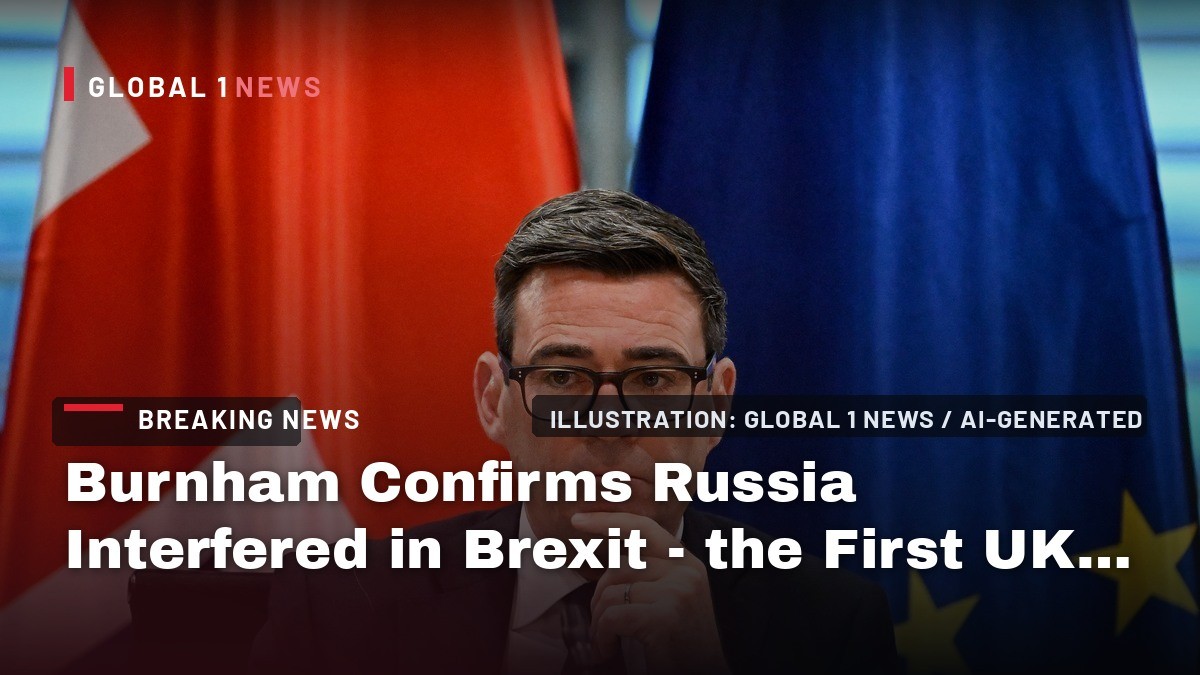
Europe is moving on its own track in parallel. Emmanuel Macron said Russia's strikes "threaten to deprive millions of families of heating and electricity," that France would stand by Ukraine through the winter and that G7 energy ministers would be mobilised, and that he had discussed both an energy truce and a Black Sea moratorium with Trump. Britain's prime minister, Andy Burnham, said he had lobbied Trump in New York for the energy ceasefire and promised Kyiv further money for infrastructure.
The Clock That Runs Out First
Two deadlines are converging. The first is the weather. Ukraine's heating season begins in a matter of weeks, and every week of delay is another week Moscow can spend hitting substations instead of signing documents. The second is political: Trump's approval ratings have fallen to a record low amid the fuel prices, with US midterm elections in November.
Trump said both leaders want the war over before winter. The Kremlin said it wants peace, not a truce. Those two sentences can both be true and still leave Kharkiv dark in January. What would change that is not another announcement but a signature, a start date and someone empowered to say when the ceasefire has been broken — none of which exists tonight.
By Jessica Ali, Staff Writer
This article was produced with AI-assisted research and editorial support. Sources: Reuters, Al Jazeera, Agence France-Presse via France 24, the Kyiv Independent, the Kyiv Post, Meduza, The Guardian, The Moscow Times, CNN, CBS News, PolitiFact via WRAL, The Hill, The National, the Irish Times, PBS NewsHour, RBC-Ukraine, UATV, the Office of the President of Ukraine, the Kremlin via TASS, and the US Department of State.
What's Your Reaction?
 Like
0
Like
0
 Dislike
0
Dislike
0
 Love
0
Love
0
 Funny
0
Funny
0
 Wow
0
Wow
0
 Sad
0
Sad
0
 Angry
0
Angry
0

Editor-in-Chief at Global1.News. Atlanta-based journalist who cuts through the BS and tells it like it is. Lead anchor, host, and the voice you hear when the spin stops and the truth starts.










Comments (0)