
Bantag allegedly disguised as poultry worker, not found during Ifugao police operation
Former Bureau of Corrections chief Gerald Bantag remains at large, sparking fresh debate over law‑enforcement coordination and the lingering shadows of high‑profile crimes that have shaken the nation.
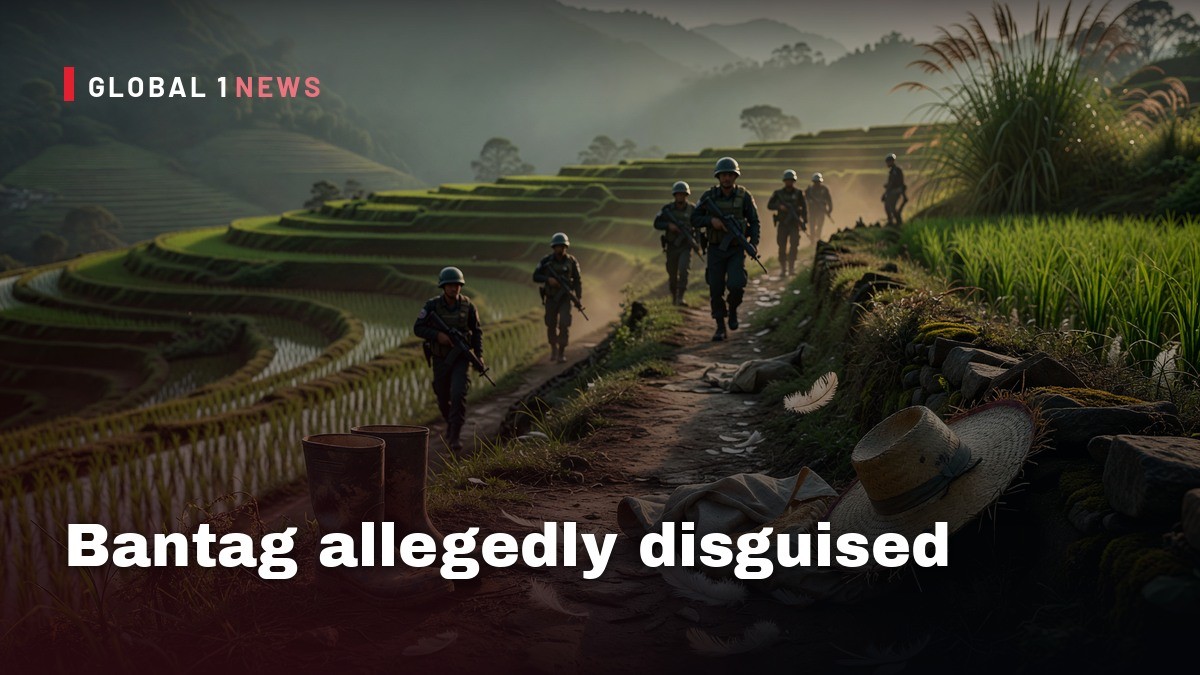
Former Bureau of Corrections chief Gerald Bantag remains at large, sparking fresh debate over law‑enforcement coordination and the lingering shadows of high‑profile crimes that have shaken the nation. The latest episode unfolded in the remote barangay of Pugol, Lamut, Ifugao, where local officials claim the fugitive was spotted masquerading as a poultry worker. While the police operation conducted by the Police Regional Office‑Cordillera (PRO‑CAR) found no trace of Bantag, the incident has reignited public concern over the safety of ordinary Filipinos and the capacity of our institutions to bring justice to victims of political violence.
From the corridors of power to a poultry farm
Mayor Mariano Buyagawan Jr. of Lamut took to Facebook on Sunday, November 1, to describe a scene that seemed straight out of a thriller. According to his post, Bantag was allegedly hiding inside a local poultry farm, wearing slippers and carrying a bucket of chicken feed as if he were a humble “poultry boy.” The mayor’s vivid description painted a picture of a fugitive who, rather than fleeing to the mountains or crossing borders, chose to blend in with the everyday labor of a rural community.
Buyagawan’s account emphasized the incongruity of a former high‑ranking corrections official resorting to such a low‑profile disguise. “So what is a fugitive General doing? He was not hiding in the mountains. Not in a cave. Not in another country. He was hiding inside the poultry farm in Pugol!” he wrote, underscoring the surreal nature of the alleged hideout. The mayor’s narrative, shared on a public platform, quickly captured the attention of netizens, many of whom expressed both disbelief and concern for the safety of barangay residents who might inadvertently become unwitting hosts to a wanted man.
The police operation: timing and execution
PRO‑CAR confirmed that an operation to arrest Bantag was indeed carried out, involving personnel from the Ifugao Provincial Police Office (PPO) and the 1501st Regional Mobile Force Battalion 15. The raid was timed for 5 a.m. on Sunday, a strategic hour when most farm workers would be beginning their day, potentially increasing the chance of locating a suspect who might be trying to blend in with early‑morning activities.
Despite the coordinated effort, the police statement clarified that the operation yielded no arrest because Bantig was not present at the identified location when the raid took place. “The subject of the warrant was not present in the area during implementation,” the statement read, and further asserted that claims of Bantag’s evasion were inaccurate. This clarification suggests a disconnect between the mayor’s public claim and the police’s assessment of the situation, raising questions about the flow of intelligence and the reliability of on‑the‑ground reports.
Why the hunt matters: the crimes behind the manhunt
Bantag’s fugitive status is rooted in two high‑profile murder cases that have left deep scars on the nation’s collective conscience. He faces murder charges linked to the killing of broadcaster Percy Lapid, a vocal critic of the administration whose death sparked nationwide calls for press freedom and accountability. In addition, Bantag is implicated in the death of inmate Jun Villamor, a case that highlighted alleged abuses within the correctional system.
Beyond the murder charges, Bantag is also under investigation for corruption‑related complaints concerning the alleged misuse of funds earmarked for prison projects. These allegations touch on broader concerns about the integrity of public officials and the stewardship of public resources. The combined weight of these accusations has made Bantag a symbol of alleged impunity among senior law‑enforcement figures, intensifying public demand for his capture and prosecution.
The role of alleged accomplices
One of Bantag’s alleged accomplices, Denver Mayores, has already faced the consequences of the Lapid killing. He was sentenced to a term ranging from two to eight years in prison for his involvement. Mayores’ conviction underscores the judiciary’s willingness to hold individuals accountable, yet the continued freedom of Bantag highlights the challenges of apprehending those who remain at large, especially when they have the resources and networks to evade capture.
The contrast between Mayores’ sentencing and Bantag’s evasion fuels a sense of injustice among victims’ families and the broader public. It also underscores the importance of community cooperation in providing credible information that could lead to the arrest of high‑profile fugitives. Police officials have repeatedly urged citizens to remain vigilant and to report any leads that could assist in locating wanted persons.
Community impact and the fear of hidden fugitives
For residents of Lamut and neighboring barangays, the notion that a fugitive could be walking among them—disguised as a poultry worker—has stirred unease. The image of a wanted individual blending into the routine of a sari‑sari store or a local farm taps into deep‑seated anxieties about safety and the reach of criminal networks. In a country where community ties and bayanihan spirit are strong, the presence of a high‑profile fugitive can disrupt the sense of trust that underpins daily interactions.
Moreover, the incident brings to light the challenges faced by local law enforcement agencies in rural areas. Limited resources, vast terrains, and the need for accurate intelligence can hamper swift action. The PRO‑CAR operation, while coordinated, ultimately did not locate Bantag, highlighting the logistical hurdles that police face when pursuing fugitives who may have the means to relocate quickly and adopt low‑profile disguises.
Legal and institutional responses
The Department of Justice, together with the Office of the Ombudsman, continues to monitor the case, ensuring that warrants remain active and that any new intelligence is acted upon. The ongoing investigation into Bantag’s alleged misuse of prison project funds also remains a priority, as it reflects broader concerns about corruption within the penal system.
Meanwhile, the Senate and the House of Representatives have been urged by civil society groups to strengthen mechanisms for tracking and apprehending fugitives, especially those linked to politically sensitive crimes. Calls for legislative reforms include proposals for better inter‑agency data sharing and enhanced protection for whistleblowers who may provide crucial tips.
Looking ahead: what the public can do
As the hunt for Gerald Bantag continues, the onus remains on ordinary Filipinos to stay alert and assist law‑enforcement authorities. Police have reiterated the importance of “credible information” that could lead to a breakthrough. Community members are encouraged to report any suspicious activity, especially in areas where unusual behavior—such as a stranger working in a poultry farm without prior ties—might be observed.
In a nation where the spirit of bayanihan has historically helped communities overcome adversity, the collective effort to bring a fugitive to justice reflects a broader commitment to uphold the rule of law. While the outcome of the current investigation remains uncertain, the episode serves as a reminder that the pursuit of justice is a shared responsibility, extending from the halls of Congress to the humble streets of barangays across the Philippines.
This article was produced with AI-assisted research and editorial support. Reporting is based on the source material cited below. Sources: Philstar.com; Global1.News (02 November 2026).
By Bella Reyes, Staff Writer
What's Your Reaction?
 Like
0
 Dislike
0
 Love
0
 Funny
0
 Wow
0
 Sad
0
 Angry
0

Philippines/Southeast Asia Correspondent at Global1.News. Manila-based journalist covering Philippine politics, environment, maritime security, and social issues. Passionate about marine conservation and the communities protecting the Philippines' natural heritage.















Comments (0)