
Why Britain's Young Care Leavers Are Dying at Higher Rates
The government-commissioned review into the deaths of young care leavers in England has laid bare a national tragedy: 112 people aged 18 to 24 died in 2025, with suicide rates potentially five times higher than the general population. The findings, co-authored by broadcaster Ashley John-Baptiste and social worker Clare Chamberlain, paint a devastating picture of isolation, abandonment and systemic failure that begins the moment a young person turns 18.
The government-commissioned review into the deaths of young care leavers in England has laid bare a national tragedy: 112 people aged 18 to 24 died in 2025, with suicide rates potentially five times higher than the general population. The findings, co-authored by broadcaster Ashley John-Baptiste and social worker Clare Chamberlain, paint a devastating picture of isolation, abandonment and systemic failure that begins the moment a young person turns 18.
The 'Care Cliff' Is Killing Britain's Young People — And the Government Knows It
London, UK – 25 August 2026 — The numbers are stark, the conclusions damning. A review commissioned by the Department for Education has confirmed what campaigners have argued for years: young people leaving the care system in England are dying at rates three to four times higher than their peers, and the system designed to protect them is failing at its most critical juncture. Children's Minister Josh MacAlister did not mince words when the report landed: "Care leavers have been left so isolated, so lonely, and that is the core of the problem... This is a stain on society because all of us have failed."
The Numbers Behind the Tragedy
The statistics demand attention. In 2025, 112 deaths of care leavers aged 18-24 were notified in England — an estimated death rate of around 130 per 100,000, three to four times higher than the general population for that age group. But the breakdown reveals even more uncomfortable truths. Twenty-two of those deaths — one-fifth — occurred at age 18, more than any other age. The review describes this as "strongly suggestive of the stark challenges and pressures" young people face when they leave care.
Just over a third of the deaths — between 36 and 40 per cent — were thought to be suicide, potentially five times the general population rate. For young women, the picture is even more alarming: suicide rates among female care leavers were potentially 15 times higher than the general population. Of the 112 deaths, 24 were women. These are not abstract figures; they represent young lives cut short across every region of England, from inner-city London boroughs to rural communities in the North East and the South West.
The 'Care Cliff' at 18
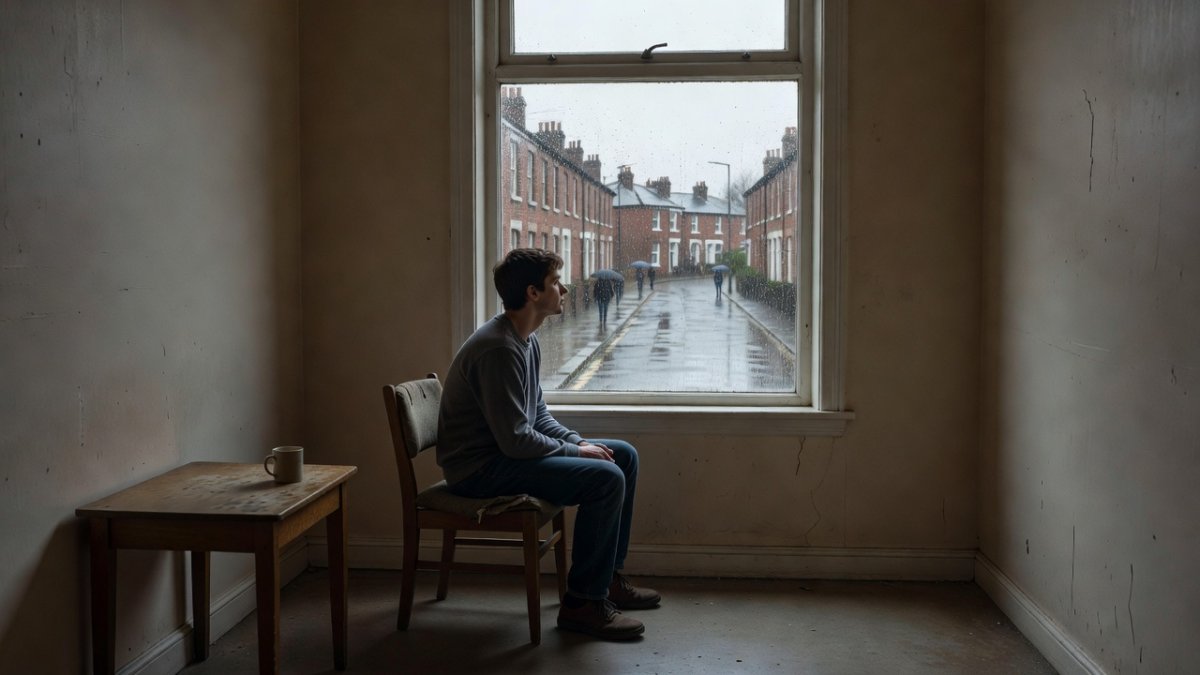
The review identifies what it calls the "care cliff" — a dramatic drop-off in support when care leavers turn 18 and lose "significant levers of support." This is not a gradual transition but an abrupt severance. At 18, a young person in care loses their children's services safety net, their foster placement or children's home, and often their access to specialist health services. They are expected to navigate adulthood alone, frequently without the family support that most young people take for granted.
Ashley John-Baptiste, who grew up in the care system, knows this reality intimately. He lived in four foster homes, was "made to live alone and work out how to be an adult," and slept on a mattress on the floor of his council flat. The deep abandonment and isolation he describes is echoed throughout the review's case studies. His own experience gives the report a moral authority that statistics alone cannot convey — this is not an academic exercise but a lived reality for thousands of young people across the UK.
A System That Hardly Knew Them
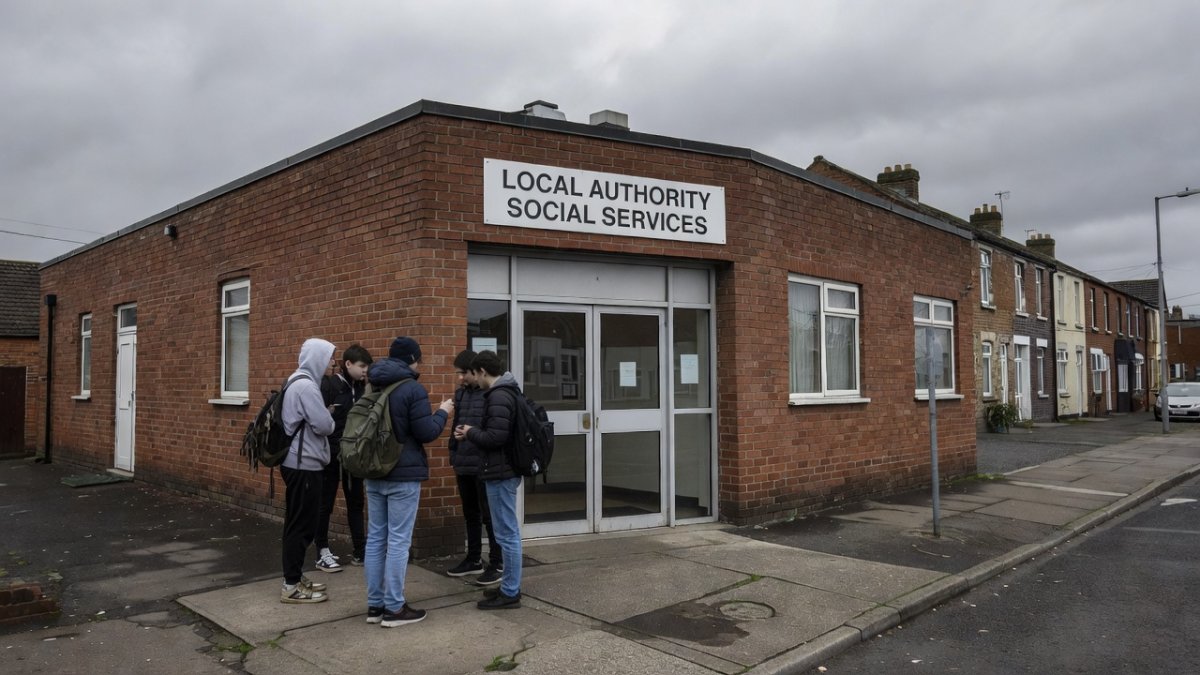
At the heart of the support framework are personal advisers (PAs) — the individuals tasked with guiding care leavers into adulthood. The minimum visiting requirement is once every two months, a frequency the review found woefully inadequate. Quality "varies greatly from place to place," with some PAs who "hardly knew" the young people they supported, were untrained, and "avoided the emotional side of the transition."
The case of David (not his real name) illustrates the human cost of this systemic failure. David had type 1 diabetes and died in summer 2025 from lack of insulin after losing access to his children's diabetes nurse when he left care at 18. His personal adviser was on leave, and the care leavers' hub he used was closed for refurbishment. His body was not found for two weeks. Two weeks. A young man with a manageable medical condition, left to die alone because the system that should have caught him simply wasn't there.
The deaths examined in the review include care leavers in custody, mothers whose children had been removed, young asylum seekers, murder victims, and people who died from medical conditions. This is not a single-issue problem but a systemic one, touching every corner of the care leaver population.
What This Means for the UK
The implications extend far beyond the individuals directly affected. Every care leaver who dies represents a failure of the state's corporate parenting duty — a legal and moral obligation that local authorities in England, Scotland, Wales and Northern Ireland all carry. The review's findings have resonance across the devolved nations, where similar patterns of support drop-off exist, though data collection varies.
In England, the Department for Education has already taken one step: since December 2023, local authorities must report care leaver deaths through a serious incident notification system. This is progress, but it is reactive — it tells us how many young people are dying, not why the system continues to fail them. The review's recommendations are more ambitious: a 0-25 service that would provide continuous support through the transition to adulthood, a major national review of the knowledge and skills of the workforce, better mental health expertise, and better preparation for adulthood.
The regional picture is uneven. Some local authorities have developed innovative approaches — extended support, dedicated mental health teams, peer mentoring programmes — but the review found these are the exception rather than the rule. A care leaver in Manchester may receive a completely different level of support than one in Cornwall or Newcastle, depending on the priorities and resources of their local authority. This postcode lottery is unacceptable for a group of young people who have already experienced significant disadvantage.
Reaction and Response
The government's initial response has been to announce £25m in investment for connected housing options for care leavers, including supported and shared housing. This is welcome but partial — housing alone does not address the isolation, the mental health crisis, or the lack of trained professionals that the review identifies as core problems.
Josh MacAlister's language — "a stain on society" — signals a recognition that this is not a peripheral issue but a fundamental test of the UK's commitment to its most vulnerable young people. The question is whether the government will follow the review's recommendations in full, or whether this becomes another report that gathers dust on a shelf. The Channel 4 News investigation, titled "Why Britain's young care leavers are dying at higher rates," has brought this issue into the national spotlight, but sustained pressure will be needed to ensure meaningful change.
The Bottom Line — What Comes Next
The review's recommendations are clear, evidence-based and achievable. A 0-25 service would bridge the care cliff, providing continuity of support through the most vulnerable years. A national review of workforce skills would address the quality variations that leave some care leavers with PAs who "hardly knew" them. Better mental health expertise would tackle the suicide crisis head-on. Better preparation for adulthood would equip young people with the practical skills they need to survive independently.
But recommendations are not action. The government must now set a timeline for implementation, with clear milestones and accountability mechanisms. Local authorities need funding certainty to plan and deliver improved services. The workforce needs training, support and manageable caseloads. And the young people themselves — the 112 who died in 2025, and the thousands currently navigating the care system — deserve a system that treats their lives as the precious, irreplaceable things they are.
The review is a starting point, not an ending. The question now is whether the UK has the political will to act on what it knows. The 112 young people who died in 2025 cannot be brought back, but their deaths can — and must — catalyse the change that will save the next generation of care leavers. As Ashley John-Baptiste said, this is a national tragedy. The only acceptable response is a national commitment to end it.
By Erica Thornton, Staff Writer
This article was produced with AI-assisted research and editorial support. Reporting is based on sources cited in the article.
What's Your Reaction?
 Like
0
Like
0
 Dislike
0
Dislike
0
 Love
0
Love
0
 Funny
0
Funny
0
 Wow
0
Wow
0
 Sad
0
Sad
0
 Angry
0
Angry
0

US Politics and Policy Correspondent at Global1.News. Based in Washington DC, covering American politics, policy, elections, and the courts. Knows how the system works and tells you what it actually means.















Comments (0)