
Who Is Dr Heidi Overton, Trump's Pick To Lead The FDA? A Test For India's $10 Billion Generic Drug Pipeline
Trump's FDA pick Dr Heidi Overton signals a MAHA shift, impacting India's $10B generic drug exports and 600+ USFDA-approved plants. What it means for approvals.
Who Is Dr Heidi Overton, Trump's Pick To Lead The FDA? A Test For India's $10 Billion Generic Drug Pipeline
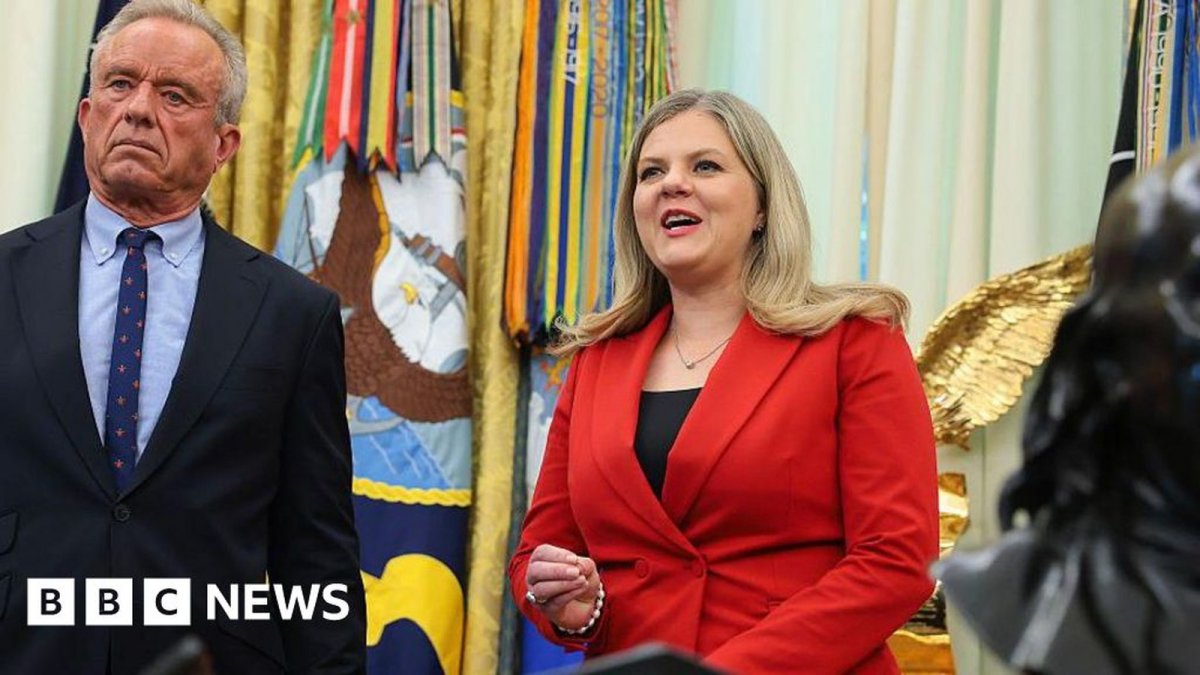
New Delhi, India – August 20, 2026 — With India supplying 42 percent of all prescription drugs consumed in the United States and exporting roughly USD 10 billion worth of generics to that market in FY25, the nomination of Dr. Heidi Overton as the next Commissioner of the US Food and Drug Administration (FDA) carries direct financial consequences for Hyderabad, Ahmedabad, and Mumbai's pharmaceutical corridors. President Donald Trump announced the pick via Truth Social on Wednesday, August 19, 2026, tapping the deputy director of the White House Domestic Policy Council to replace former FDA chief Marty Makary, who resigned in May 2026 after clashing with the White House over flavoured vape safety. For Indian drugmakers operating 600-plus USFDA-approved manufacturing facilities — more than any country outside the US — the Overton era signals a sharp pivot toward the Make America Healthy Again (MAHA) agenda, with uncertain implications for drug approvals, plant inspections, and the proposed tariff regime that could hit Indian pharma exports after 2028.
The Third Nominee in a Tumultuous FDA Tenure
Overton is Trump's third pick for the FDA's top job, following acting Commissioner Kyle Diamantas and former Republican congressman Brad Wenstrup. Her nomination comes at a moment of institutional fragility: the agency has spent much of the second Trump administration in turmoil, marked by widespread job cuts, disease outbreaks, and the firing of the CDC's expert vaccine advisory panel by Health Secretary Robert F. Kennedy Jr. Overton's own credentials are substantial — she holds a medical degree from the University of New Mexico School of Medicine, attended Johns Hopkins University Bloomberg School of Public Health, and earned a doctoral degree in clinical investigation from Johns Hopkins. Before joining the White House, she served as chief policy officer at the conservative America First Policy Institute, a Washington think tank. STAT News reports that while Kennedy has been the public face of MAHA, Overton has functioned as the top health policymaker behind the scenes — a role that now moves from the shadows to the centre of American drug regulation.
MAHA's Policy Architect Steps Into the Spotlight
Trump's announcement praised Overton as a "ROCKSTAR" who has worked "directly with Secretary Kennedy, Dr. Oz, and team" to deliver what he called "the MOST TRANSFORMATIVE Health Agenda in History." His statement listed priorities including "FASTER Cures, INCREASED American Innovation, MAJOR Clinical Trial Reforms, LOWER Drug Prices, and even more MAHA WINS." For Indian pharmaceutical companies, the critical question is how these priorities translate into regulatory practice. The FDA commissioner shapes drug approval timelines, foreign plant inspection policy, import alerts, and regulatory predictability — all of which determine whether Indian generics reach American pharmacies on schedule. Overton's track record suggests she will prioritise speed and deregulation, but her alignment with MAHA's vaccine scepticism and abortion restrictions introduces a new ideological dimension to an agency traditionally focused on scientific evidence.
The MMR Vaccine Order and Its Fallout
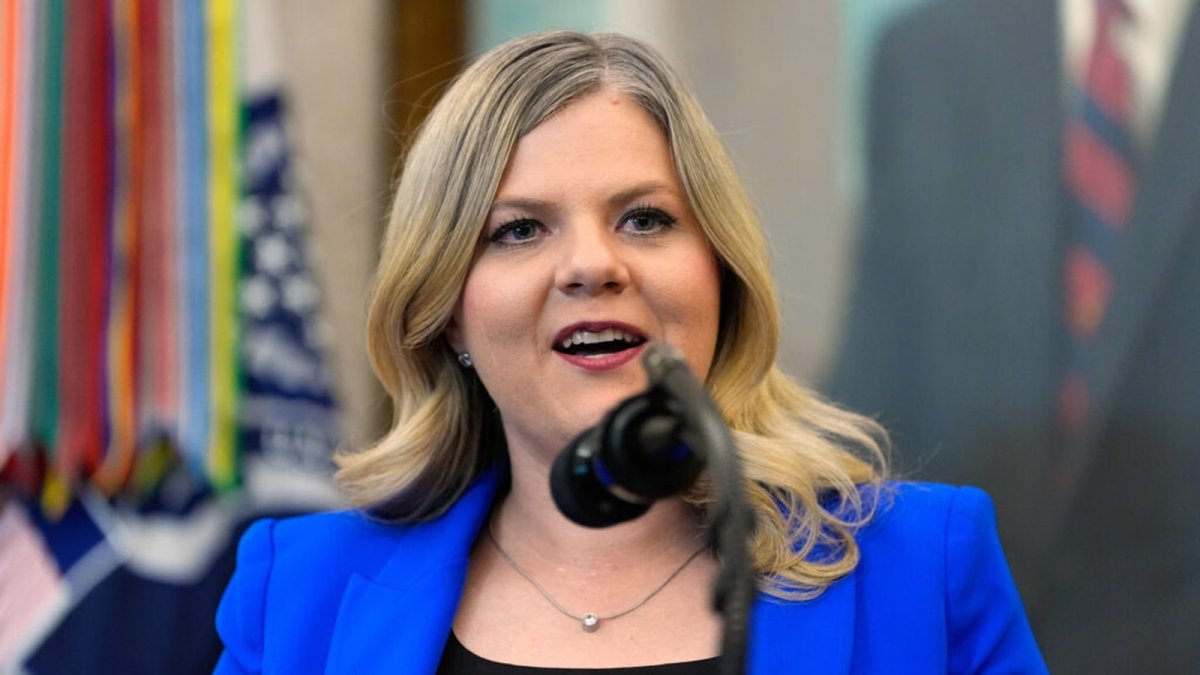
Overton's most visible public moment came on August 10, 2026, when she appeared alongside Trump at a press conference for an executive order splitting the measles, mumps and rubella (MMR) vaccine into three separate shots. At that event, Overton said: "We do still recommend the measles vaccine for all children, but we want parents to be informed about the timing and to have the option to separate them out. So, Mr President, this is a historic action." The American Academy of Pediatrics (AAP) described the order as "not only disheartening but dangerous," and health experts have cited it as sowing confusion about vaccinations even as the US faces its worst measles outbreak in 30 years. Trump repeatedly claimed, without evidence, that the change would improve autism rates — despite studies finding no connection between autism and vaccines. Overton also criticised "blue states" for following AAP guidance rather than the CDC, whose expert vaccine advisory panel was fired by Kennedy. For Indian public health officials watching from New Delhi, the episode underscores a broader shift: the FDA's scientific independence is being subordinated to political priorities, a trend that could reshape how the agency evaluates drugs and devices from overseas manufacturers.
Abortion Drug Stance Raises Regulatory Red Flags
Overton's position on reproductive health adds another layer of complexity. She has previously described abortion as "corrosive" to women, and in a 2023 policy brief she characterised the abortion drug mifepristone as "teleabortion" and "abortion-on-demand," urging Congress to strictly regulate it "to protect women and children." Mifepristone has become a critical access point for the 23 million women living in US states with abortion bans. Her nomination comes amid growing conservative pressure on the FDA to limit access to abortion drugs — a move that would have ripple effects beyond American borders. India is a major manufacturer of generic mifepristone and misoprostol, and any FDA action restricting these drugs could disrupt supply chains and set a precedent for other regulators. The Indian pharmaceutical industry, which has built its global reputation on affordable generics, now faces the prospect of an FDA commissioner who views a category of approved medicines through an ideological rather than scientific lens.
What This Means for India's 'Pharmacy of the World'
India's pharmaceutical exports reached USD 28 billion-plus in FY 2024-25, with roughly USD 10 billion — almost 35 percent of total pharma exports — going to the United States. Indian generics now supply 42 percent of all prescription drugs in the US, up from around 21 percent in 2013, a doubling that reflects decades of regulatory trust built through the FDA's abbreviated new drug application (ANDA) pathway. Overton's nomination introduces three specific risks for Indian drugmakers. First, her MAHA alignment could accelerate the FDA's shift toward faster approvals, which may benefit Indian companies seeking quicker market entry but could also lower the regulatory bar, creating reputational risks. Second, her criticism of CDC guidance and vaccine policy suggests a willingness to override expert consensus, raising questions about how she will handle foreign plant inspections and import alerts. Third, Trump has separately proposed phased tariffs on imported generic medicines — up to 100-200 percent duties in later phases — a plan that could hit Indian pharma exports after 2028. An FDA commissioner aligned with that agenda could use regulatory tools to complement tariff policy, creating a double squeeze on Indian manufacturers.
The Cyclospora Outbreak and the FDA's Credibility Test
Overton's nomination also arrives amid criticism over the national US response to an outbreak of the parasite cyclospora, a foodborne illness that has exposed gaps in the FDA's food safety oversight. The agency regulates the nation's prescription drugs, medical devices, much of the food supply, and tobacco products — a mandate that has become increasingly difficult to manage amid job cuts and political interference. For India, the FDA's credibility is not an abstract concern. Indian food exporters, spice manufacturers, and pharmaceutical companies all depend on the agency's predictable, science-based regulation. If Overton's tenure prioritises political loyalty over scientific rigour, the long-term cost could be borne by Indian exporters who have invested heavily in USFDA compliance. The 600-plus USFDA-approved facilities in India represent billions of dollars in capital expenditure, and any shift in inspection standards or approval criteria would directly impact their bottom lines.
A Defining Moment for Global Drug Regulation
The Senate confirmation process will now determine whether Overton's ideological positions translate into FDA policy. Her supporters argue that her clinical training and policy experience make her uniquely qualified to reform a bloated agency; her critics warn that her vaccine scepticism and abortion stance could undermine public health. For India, the stakes are existential. The country's pharmaceutical industry has built its global dominance on the twin pillars of quality compliance and cost competitiveness, both of which depend on a stable, predictable FDA. Overton's nomination represents the clearest signal yet that the Trump administration intends to remake the FDA in the MAHA image — with faster approvals, fewer regulatory hurdles, and a willingness to challenge established scientific consensus. Indian drugmakers, policymakers in New Delhi, and the 42 percent of American prescriptions that originate in India will all be watching the confirmation hearings with more than passing interest. The outcome will determine not just the future of American drug regulation, but the viability of India's USD 10 billion annual export pipeline to the world's largest pharmaceutical market.
— By Dr. Raj Patel, Staff Writer
This article was produced with AI-assisted research and editorial support. Sources: BBC News, The Guardian, STAT News, NDTV, IBEF.
What's Your Reaction?
 Like
0
Like
0
 Dislike
0
Dislike
0
 Love
0
Love
0
 Funny
0
Funny
0
 Wow
0
Wow
0
 Sad
0
Sad
0
 Angry
0
Angry
0

India/South Asia Correspondent at Global1.News. Analytical voice with a background in science and health journalism. Based in New Delhi, covering Indian politics, education, healthcare, technology, and policy. Breaks down complex data into clear, actionable reporting.














Comments (0)