
US States Sue Over Trump Tariffs Tied to Forced Labour Claims
Twenty-five Democratic-led states have launched a major legal challenge against sweeping Section 301 tariffs imposed by the Trump administration, targeting dozens of trading partners including China, the UK and the European Union over alleged forced labour failures in supply chains. The duties, ranging from 10% to 12.5% and covering 99.4% of US imports, took effect in July and have already sparked retaliatory warnings and diplomatic friction.
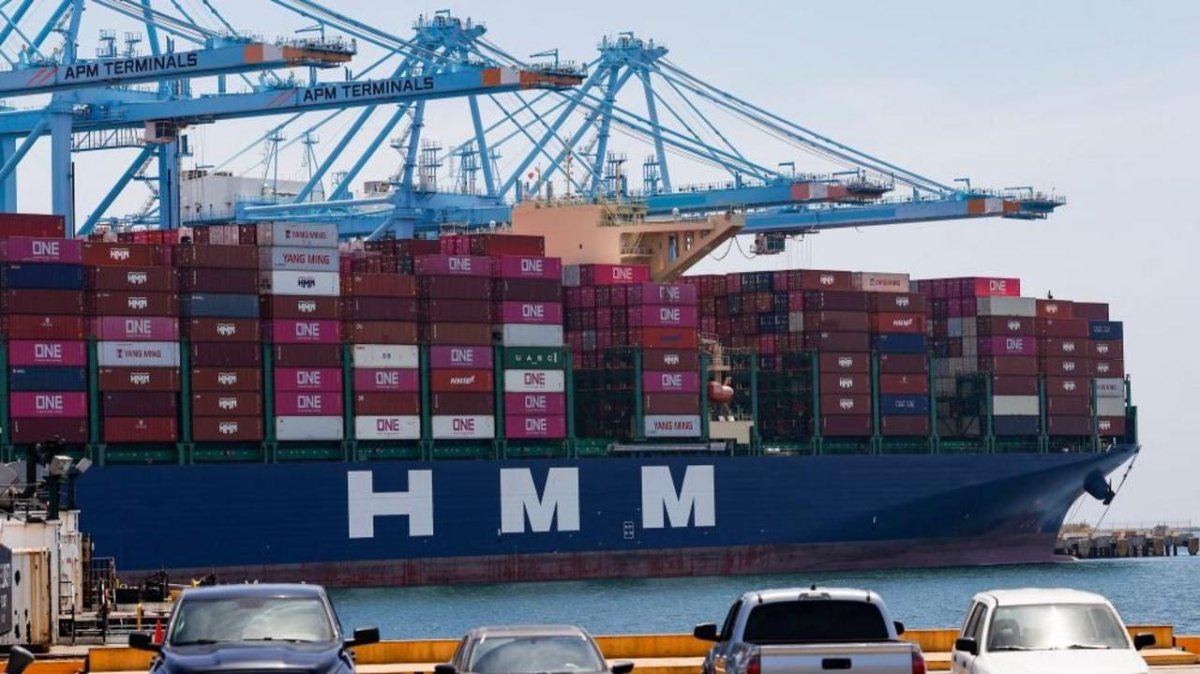
Twenty-five Democratic-led states have launched a major legal challenge against sweeping Section 301 tariffs imposed by the Trump administration, targeting dozens of trading partners including China, the UK and the European Union over alleged forced labour failures in supply chains. The duties, ranging from 10% to 12.5% and covering 99.4% of US imports, took effect in July and have already sparked retaliatory warnings and diplomatic friction. This litigation tests the boundaries of presidential trade authority at a time when global supply chains face mounting pressure from multipolar competition.
US States Challenge Trump Tariffs Over Forced Labor
Washington, D.C. — Twenty-five Democratic-led states filed suit on Monday, setting up a legal confrontation that could redefine the limits of presidential tariff authority.
Democratic States Launch Legal Action Against Tariffs
Twenty five states filed suit against President Donald Trump's administration on Monday, challenging tariffs ranging from 10% to 12.5% imposed on dozens of countries. The measures target trading partners including the UK, China and the European Union, with the US citing failures to address forced labour in supply chains. The duties took effect in July under Section 301 of the 1974 US Trade Act and cover 99.4% of US imports, according to the Office of the US Trade Representative.
Legal Arguments in the Lawsuit
The coalition described the decision as "arbitrary, capricious, and contrary to law" in court filings. New York Governor Kathy Hochul stated that "President Trump's illegal tariffs are nothing more than a tax on hardworking families." Oregon attorney general Dan Rayfield added that the administration is "trying yet again to inflict more chaos on working families and homegrown Oregon businesses" and that "We're all paying the price for these unlawful tariffs, not foreign governments."
Administration's Defense on Forced Labour
White House spokesman Kush Desai defended the action, saying the US is "using its lawful authority" to address practices that burden American businesses. He described foreign countries' failure to tackle goods produced with forced labour as "unreasonable" and in need of resolution. Desai further noted that "Section 301 tariffs have proven to be a legally durable tool since the president's first term, and they remain so now."
Previous Court Outcomes and Precedents
Section 301 of the 1974 Trade Act grants the president broad authority to impose tariffs on nations engaging in unfair practices, a tool first deployed extensively against China during Donald Trump's initial term. Those earlier duties withstood multiple court challenges, establishing a precedent for unilateral action that survived scrutiny from domestic industries and trading partners alike. The April 2025 Supreme Court decision overturning the "Liberation Day" tariffs, however, introduced new constraints by requiring stricter adherence to statutory limits, resulting in substantial refunds to affected importers.
The current 25-state lawsuit tests whether the forced labour rationale can sustain similarly expansive measures covering nearly all US imports. This litigation carries implications for presidential tariff powers, as a successful challenge could narrow executive discretion in future trade disputes and prompt greater congressional oversight. For Beijing, any erosion of US unilateral authority would align with its long-standing advocacy for multilateral dispute resolution mechanisms under the WTO framework. Hochul referenced this history, noting that the court has clarified the administration "cannot ignore the law to impose sweeping tariffs."
China's Position on the Tariffs
China's foreign ministry spokesperson Mao Ning called the tariffs an "excuse for political manipulation." The measures arrive amid a US-China tit-for-tat tariff conflict that is currently on hold. Beijing views the duties as part of broader efforts to pressure trading partners, aligning with its focus on protecting domestic industries and advancing technological self-sufficiency amid ongoing trade tensions.
Beijing's strategic calculus centres on deflecting Xinjiang-related allegations under the Uyghur Forced Labor Prevention Act while accelerating domestic substitution and technological self-reliance. The tit-for-tat conflict remains suspended following earlier negotiations, yet the fresh duties risk reigniting tensions at a moment when both sides seek stable supply chains for critical technologies. By positioning itself as a victim of Washington's unilateralism, China continues to court Global South partners through expanded Belt and Road trade corridors and alternative payment systems.
Expert Views on the Challenge's Prospects
Alex Capri, a business lecturer at the National University of Singapore, described the lawsuit as posing a "formidable challenge" to the levies. He highlighted the lack of credible evidence supporting claims that countries harmed US firms through forced labour violations. Capri expects "carve outs and walk-backs to gradually take the bite out of these tariffs" as the case proceeds.
Capri also highlighted the evidentiary gaps in linking broad tariffs to specific violations, noting that many targeted countries lack clear mechanisms to demonstrate compliance. The mismatch between the USTR's stated aims and coverage of 99.4 percent of imports raises questions about proportionality under the 1974 statute. Critics argue the forced labour framing serves domestic political objectives more than precise trade enforcement, risking dilution of the moral authority of genuine labour standards initiatives while inviting reciprocal accusations from trading partners.
International Responses from Trading Partners
Brazil and Japan's governments separately labelled the measures "unjustified," while other affected partners expressed disappointment. The broad scope of the tariffs has raised questions about their alignment with stated aims under the 1974 statute. These reactions underscore shifting dynamics in global trade, with implications for supply chain realignments and cooperation among major economies.
The characterisation underscores growing frustration among middle powers caught between US and Chinese economic spheres, while the UK's evolving position reflects the diminished appeal of bilateral deals once anticipated under earlier tariff relief. These reactions accelerate supply chain diversification away from single-market dependence, with implications for regulatory harmonisation across ASEAN and the EU. The ongoing investigations into 16 countries over manufacturing overcapacity signal the next phase of US trade activism, potentially reshaping Global South industrial policies.
Future Trade Policy Directions
A temporary 10% levy on global imports expired in July after earlier duties were overturned. The US is now investigating 16 countries over manufacturing overcapacity claims, signalling potential additional tariffs ahead. Such steps could reshape global supply chains and influence regulatory approaches in the Global South as nations navigate multipolar trade pressures.
By Prof. Marcus Chen, Staff Writer
This article was produced with AI-assisted research and editorial support. Reporting is based on sources cited in the article.
What's Your Reaction?
 Like
0
Like
0
 Dislike
0
Dislike
0
 Love
0
Love
0
 Funny
0
Funny
0
 Wow
0
Wow
0
 Sad
0
Sad
0
 Angry
0
Angry
0

World Politics Analyst at Global1.News. Based in Beijing, covering US-China relations, global trade, and geopolitical strategy. Brings deep analytical perspective to the power dynamics shaping international affairs.









Comments (0)