
US Expands Iran Sanctions as Pakistan Steps Up Mediation in Stalled Gulf War
US expands sanctions on 60 Iran-linked entities as Treasury Secretary Bessent spares Chinese banks ahead of the Trump-Xi summit, while Pakistan mediation in Tehran revives hopes of reopening the Strait of Hormuz.
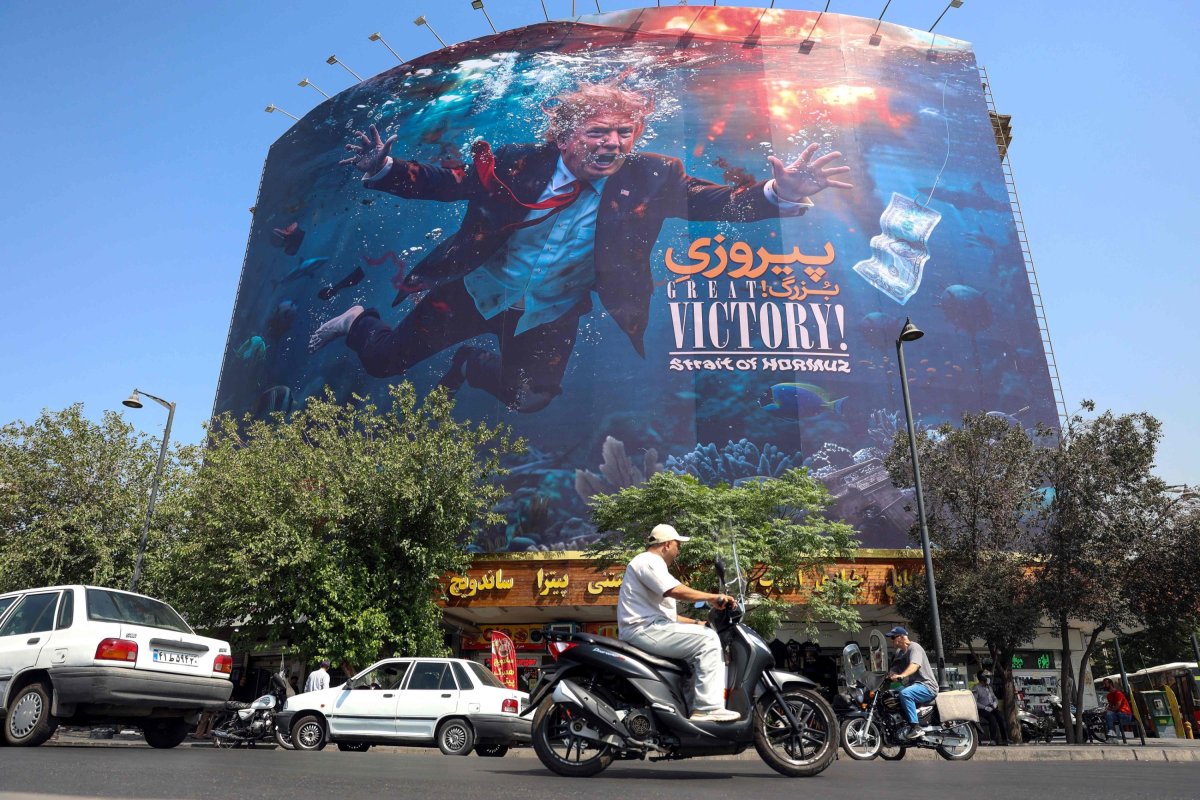
The United States has broadened its economic war against Iran with a fresh round of sanctions targeting 60 individuals, entities and vessels, even as Washington treads carefully around Chinese banks and Pakistan pushes a renewed diplomatic track to end a conflict that has crippled global oil flows. Nearly six months into a war that began with U.S. and Israeli attacks on Iran in February 2026, Treasury Secretary Scott Bessent unveiled the measures Monday, stopping short of the most punishing financial curbs while warning that countries continuing to trade with Tehran risk being cut off from the dollar-based system. The moves come as Pakistan's army chief and interior minister claim "significant progress" in Tehran talks aimed at reviving a collapsed June 2026 framework agreement, even as oil tanker attacks persist near the Strait of Hormuz and U.S. public support for the war hits record lows.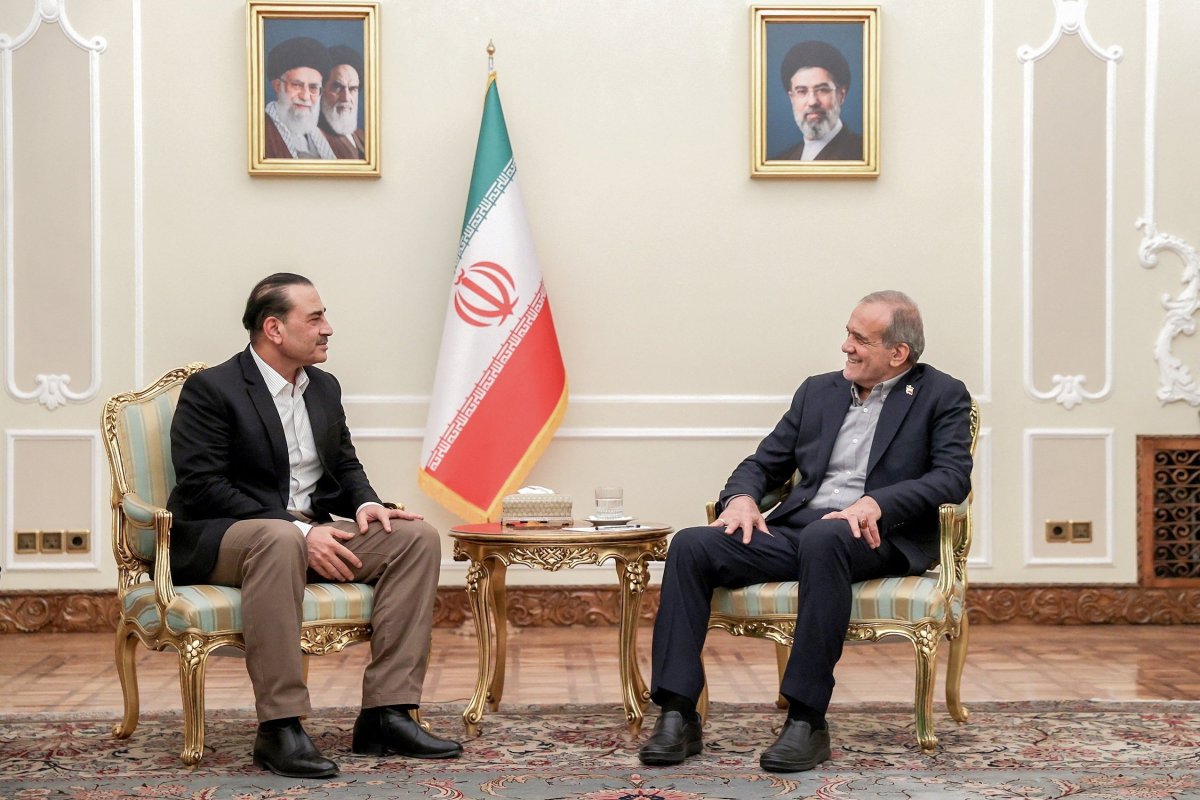 Amid the military and economic confrontation, Pakistan has emerged as an unlikely but active mediator. Pakistani Interior Minister Mohsin Naqvi and army chief Field Marshal Asim Munir visited Tehran on August 24-25, holding what Naqvi described as "a very positive and productive meeting" with Iranian President Masoud Pezeshkian."We had a very constructive exchange on the issues involved," Naqvi wrote on X, adding, "We remain hopeful that this momentum will help pave the way for further progress and lasting peace in the region." A Pakistani military statement said the talks focused on preventing further escalation, reopening the Strait of Hormuz and expediting the conflict's termination.The Pakistani delegation's meetings extended beyond the presidency, with Munir also consulting Mohsen Rezaee, the newly appointed head of Iran's National Security Council, Parliament Speaker Bagher Ghalibaf and Foreign Minister Abbas Araghchi. An official at the Iranian president's office, Mehdi Tabatabaei, said on X that Munir's visit "yielded highly valuable diplomatic achievements, the results of which will soon be revealed."Munir spoke with U.S. President Donald Trump ahead of his Tehran visit, according to Reuters, positioning Pakistan as a conduit between Washington and Tehran. The mediation effort aims to revive the framework agreement concluded in mid-June 2026—sometimes called the "Islamabad MoU"—which was intended to bring about a cease-fire, the reopening of the Strait of Hormuz and a long-term peace settlement through negotiations within 60 days.
This article was produced with AI-assisted research and editorial support. Sources: Daily Sabah, Reuters, Press TV, UKMTO.
Amid the military and economic confrontation, Pakistan has emerged as an unlikely but active mediator. Pakistani Interior Minister Mohsin Naqvi and army chief Field Marshal Asim Munir visited Tehran on August 24-25, holding what Naqvi described as "a very positive and productive meeting" with Iranian President Masoud Pezeshkian."We had a very constructive exchange on the issues involved," Naqvi wrote on X, adding, "We remain hopeful that this momentum will help pave the way for further progress and lasting peace in the region." A Pakistani military statement said the talks focused on preventing further escalation, reopening the Strait of Hormuz and expediting the conflict's termination.The Pakistani delegation's meetings extended beyond the presidency, with Munir also consulting Mohsen Rezaee, the newly appointed head of Iran's National Security Council, Parliament Speaker Bagher Ghalibaf and Foreign Minister Abbas Araghchi. An official at the Iranian president's office, Mehdi Tabatabaei, said on X that Munir's visit "yielded highly valuable diplomatic achievements, the results of which will soon be revealed."Munir spoke with U.S. President Donald Trump ahead of his Tehran visit, according to Reuters, positioning Pakistan as a conduit between Washington and Tehran. The mediation effort aims to revive the framework agreement concluded in mid-June 2026—sometimes called the "Islamabad MoU"—which was intended to bring about a cease-fire, the reopening of the Strait of Hormuz and a long-term peace settlement through negotiations within 60 days.
This article was produced with AI-assisted research and editorial support. Sources: Daily Sabah, Reuters, Press TV, UKMTO.
Bessent's Calculated Sanctions Strategy
Treasury Secretary Scott Bessent's announcement Monday represents a carefully calibrated escalation rather than a full-spectrum assault on Iran's economy. The new designations cover 60 individuals, entities and vessels, but notably exclude the Chinese financial institutions widely suspected of facilitating Iran's oil trade—a deliberate omission that reveals Washington's strategic caution ahead of high-stakes talks between President Donald Trump and Chinese President Xi Jinping expected at the White House on September 24."Why would I want to blow up the global financial system?" Bessent asked when pressed on why the measures had not gone further, signaling that the administration is balancing economic pressure against the risk of systemic disruption. He declined to provide a timeline or identify specific countries that might face secondary sanctions, saying he would give them time to comply with the new directive."We want to make clear here today that no one is above the reach of U.S. sanctions," Bessent said in response to questions about Chinese banks, even as experts note Washington is wary of Chinese retaliation for any sanctions on its financial institutions, particularly regarding China's exports of critical minerals.China responded Tuesday by asserting that its cooperation with Iran is conducted within the framework of international law and "should not be interfered with or disrupted," a statement that underscores the limits of U.S. leverage over Beijing's energy relationships.Iran's Defiant Retaliation Posture
Tehran's response to the expanded sanctions was swift and combative, with senior officials vowing retaliation while expressing confidence that key trading partners would withstand American pressure. Iranian Economy Minister Ali Madanizadeh told state television that Iran was prepared for the economic assault, declaring, "Our defense is no longer so defensive; the enemies should wait for an attack."Madanizadeh asserted that neither China nor Russia had "accepted" the U.S. measures, predicting that other countries would resist Washington's pressure campaign. His remarks reflect Tehran's calculation that its strategic partnerships with Beijing and Moscow provide sufficient economic insulation to weather the sanctions regime.The military dimension of Iran's response was articulated by Brigadier General Hossein Mohebbi, a spokesperson for the Islamic Revolutionary Guard Corps, who vowed "heavy blows to U.S. vital interests and energy chokepoints" if Iran's infrastructure is threatened, according to Press TV. This threat carries particular weight given Iran's demonstrated ability to disrupt shipping in the Strait of Hormuz, through which roughly one-fifth of global oil consumption transits.Iran's defiance comes despite significant degradation of its conventional military capacity and the killing of then-Supreme Leader Ayatollah Ali Khamenei, who died in the opening U.S.-Israeli strikes of February 2026, according to Iranian state media. The exact state of Iran's nuclear program, which the U.S. and Israel aim to eliminate, remains unknown—a wildcard that continues to shape strategic calculations on all sides.Strait of Hormuz and the Oil Market Calculus
The sanctions escalation unfolded against a backdrop of continued maritime insecurity in the Persian Gulf. An oil tanker was struck Tuesday by an unidentified projectile and disabled approximately 9 nautical miles northeast of Oman's Ash Shishah, at the entrance to the Strait of Hormuz, according to the United Kingdom Maritime Trade Operations.Oil prices fell for a second day as traders brushed off the sanctions' immediate impact, though market participants remained wary of Iran's continued ability to disrupt shipping. The attacks have already exacted a devastating toll on global energy flows: provisional tracking from shiptracker Vortexa showed oil transits through the Strait of Hormuz at just 5 million barrels per day Monday, down from more than 20 million barrels per day before the war.Iran has threatened to shut down all oil exports from the Gulf in retaliation for U.S. economic measures, a threat that has driven oil price volatility throughout the conflict. Oil rose to a three-week high on August 19 amid concerns about supply disruptions, before easing as traders weighed the limited scope of the latest sanctions.The blockade of Iran's ports, renewed by Washington in mid-July, has already cut Iranian oil flows to China, which had been the biggest buyer of Iranian crude for several years. The combination of the naval blockade and the threat of further tanker attacks has created a persistent risk premium in global energy markets that shows no signs of dissipating.China-Russia Dynamics and the Trump-Xi Summit
The sanctions package's most significant omission—the absence of designations against Chinese financial institutions—reflects the delicate diplomatic dance between Washington and Beijing. The Trump-Xi meeting scheduled for September 24, 2026 looms large over U.S. decision-making, with any curbs on China's exports of critical minerals especially sensitive.China's position as Iran's primary oil customer and strategic partner gives Beijing substantial leverage in the conflict's economic dimensions. While the U.S. blockade has reduced Iranian oil flows to China, Beijing has not abandoned its relationship with Tehran, and Chinese officials continue to frame their cooperation as legitimate international commerce.Russia's role adds another layer of complexity. Moscow has provided diplomatic cover for Iran throughout the conflict and maintains its own sanctions-battered economy that has adapted to operating outside the dollar-based system. Iranian officials' confidence that neither China nor Russia will capitulate to U.S. pressure reflects the deepening alignment among these powers against the Western-led financial order.The Treasury Department's decision to hold back on Chinese bank sanctions suggests Washington recognizes that pushing Beijing too hard could trigger retaliatory measures that would harm the U.S. economy and complicate the upcoming summit. This strategic restraint, however, limits the effectiveness of the sanctions regime and gives Iran room to maneuver.Pakistan's Mediation Track in Tehran
Amid the military and economic confrontation, Pakistan has emerged as an unlikely but active mediator. Pakistani Interior Minister Mohsin Naqvi and army chief Field Marshal Asim Munir visited Tehran on August 24-25, holding what Naqvi described as "a very positive and productive meeting" with Iranian President Masoud Pezeshkian."We had a very constructive exchange on the issues involved," Naqvi wrote on X, adding, "We remain hopeful that this momentum will help pave the way for further progress and lasting peace in the region." A Pakistani military statement said the talks focused on preventing further escalation, reopening the Strait of Hormuz and expediting the conflict's termination.The Pakistani delegation's meetings extended beyond the presidency, with Munir also consulting Mohsen Rezaee, the newly appointed head of Iran's National Security Council, Parliament Speaker Bagher Ghalibaf and Foreign Minister Abbas Araghchi. An official at the Iranian president's office, Mehdi Tabatabaei, said on X that Munir's visit "yielded highly valuable diplomatic achievements, the results of which will soon be revealed."Munir spoke with U.S. President Donald Trump ahead of his Tehran visit, according to Reuters, positioning Pakistan as a conduit between Washington and Tehran. The mediation effort aims to revive the framework agreement concluded in mid-June 2026—sometimes called the "Islamabad MoU"—which was intended to bring about a cease-fire, the reopening of the Strait of Hormuz and a long-term peace settlement through negotiations within 60 days.Strategic Calculus Behind the Stalemate
The conflict's persistence despite the June 2026 framework agreement reflects deep mutual distrust and incompatible strategic objectives. Both sides accused each other of violating the agreement, and military clashes occurred repeatedly, ultimately collapsing the cease-fire and leading Iran to resume attacks that have blocked most energy exports from the Gulf.For Washington, the war has become a political liability. U.S. public approval of the conflict fell to its lowest level since the early days, with Trump's popularity at a record low ahead of congressional elections in November, according to a Reuters/Ipsos poll that closed Monday. The administration faces pressure to show progress while avoiding escalation that could further destabilize global energy markets.Iran, despite suffering significant military degradation and economic hardship, retains the ability to attack Gulf neighbors and threaten oil tankers. Its leadership appears willing to absorb continued punishment rather than accept terms that would compromise its nuclear program or regional influence. The killing of Khamenei in the opening strikes has not produced the leadership collapse that some U.S. strategists may have anticipated.Pakistan's mediation role reflects its unique position as a nuclear-armed state with relationships across the divide. Islamabad has economic interests in Gulf stability, given its large diaspora workforce in the region, and maintains channels with both Washington and Tehran. The "significant progress" claimed by Pakistani officials may be optimistic, but the mere fact of sustained dialogue offers a potential off-ramp from a conflict that has already killed thousands, most of them in Iran and Lebanon.Regional Implications and the Road Ahead
The expanded sanctions and continued military confrontation carry profound implications for the broader Middle East. Gulf states, heavily dependent on energy exports, face ongoing threats to their economic lifeline as long as the Strait of Hormuz remains contested. The reduction of oil transits from over 20 million barrels per day to 5 million represents a seismic shift in global energy markets with cascading effects for producers and consumers alike.The conflict has also reshaped regional alignments. Iran's ability to threaten Gulf neighbors despite its degraded military demonstrates the asymmetric nature of modern warfare, where disruption capabilities can offset conventional disadvantages. The U.S. naval blockade and sanctions regime aim to strangle Iran's economy, but Tehran's resilience after decades of sanctions suggests economic pressure alone may not force capitulation.The upcoming Trump-Xi meeting will be a critical inflection point. If Washington seeks Chinese cooperation in constraining Iran, it may need to offer concessions on trade or other issues. If Beijing refuses, the sanctions regime's effectiveness will remain limited, and Iran will retain access to its most important economic lifeline.Pakistan's mediation efforts, while showing signs of progress, face formidable obstacles. The framework agreement's collapse demonstrates how quickly diplomatic breakthroughs can unravel in the absence of sustained commitment from all parties. With no major strikes by either side in weeks, there is a fragile window for diplomacy—but little sign that the underlying disputes have been resolved.The human cost continues to mount, with thousands of people killed, most of them in Iran and Lebanon, according to regional casualty reports, and Iran's economy struggling under the weight of war and sanctions. The path to peace remains uncertain, but the combination of U.S. political pressure, Iranian resilience, Chinese caution and Pakistani mediation suggests that all parties may eventually conclude that a negotiated settlement serves their interests better than continued conflict. Whether that calculation materializes before further escalation remains the region's most pressing question.By Malik Hassan, Staff Writer
What's Your Reaction?
 Like
0
Like
0
 Dislike
0
Dislike
0
 Love
0
Love
0
 Funny
0
Funny
0
 Wow
0
Wow
0
 Sad
0
Sad
0
 Angry
0
Angry
0
Malik Hassan
Middle East Correspondent at Global1.News. Based in Beirut, covering politics, conflict, energy, and society across the Middle East. Brings context and depth to a region often reduced to headlines.










Comments (0)