
Ukraine's 'Long-Range Sanctions': Drone Strikes Hit Two Russian Oil Refineries
In a recent BBC News report, Ukraine confirmed it had struck two major oil refineries deep inside Russian territory in a coordinated overnight campaign that also targeted Moscow's shadow fleet in the Black Sea.
In a recent BBC News report, Ukraine confirmed it had struck two major oil refineries deep inside Russian territory in a coordinated overnight campaign that also targeted Moscow's shadow fleet in the Black Sea.
Ukraine's 'Long-Range Sanctions': Drone Strikes Hit Two Russian Oil Refineries
Moscow – 6 August 2026 — President Volodymyr Zelensky said Ukrainian forces had hit the Slavneft-Yanos refinery in Yaroslavl and the Bashneft-Novoil refinery in Ufa, calling the strikes "long-range sanctions" aimed at cutting the oil revenue Moscow uses to finance its war against Ukraine. The attacks came as Russia reported one of its largest overnight drone barrages of the conflict, with the Defence Ministry claiming 605 Ukrainian drones intercepted across the country and annexed Crimea.
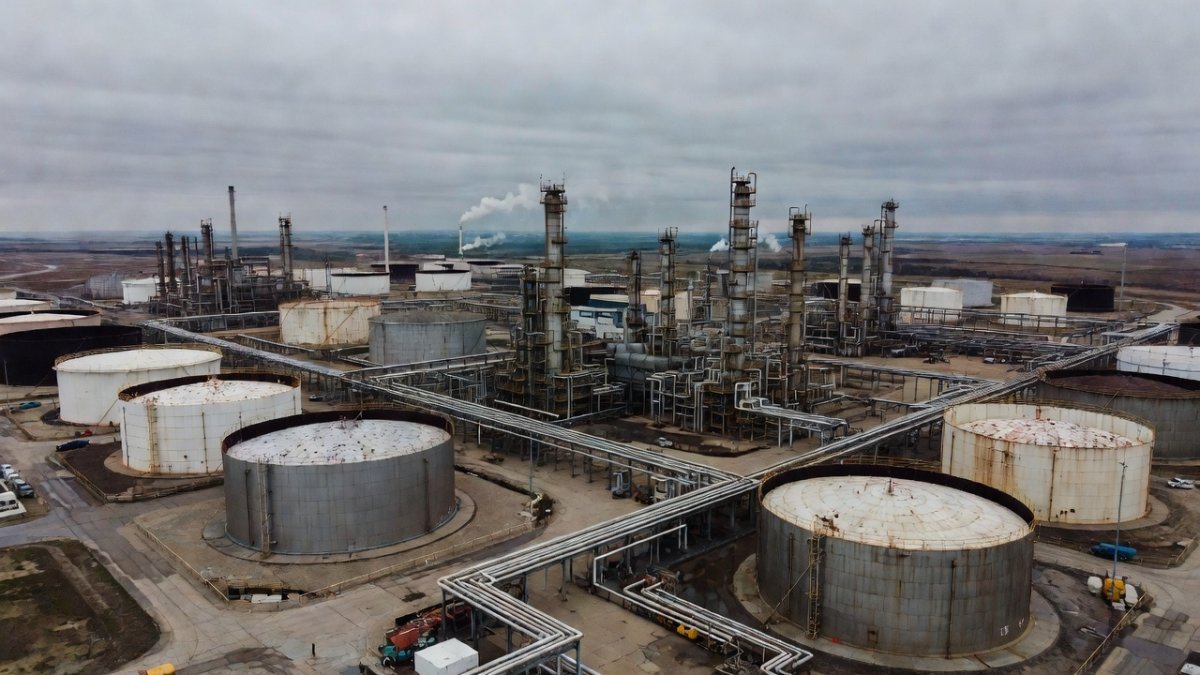
The Two Refineries in the Crosshairs
The Slavneft-Yanos facility, a joint venture between Rosneft and Gazprom Neft, ranks among Russia's five largest refineries with an annual processing capacity of roughly 15 million metric tons. Zelensky said it lies almost 700 kilometres from the Ukrainian border. Yaroslavl regional governor Mikhail Evraev described the attack as the "largest enemy drone attack" on the region, saying falling debris hit the refinery's storage tanks and that emergency services were working to extinguish the fire. Energy infrastructure in Yaroslavl has been targeted multiple times by Ukraine in previous months, underscoring the persistent nature of these operations against facilities that supply fuel to both domestic markets and export routes. The strikes highlight how Ukraine seeks to disrupt revenue streams that sustain Russian military operations launched after the full-scale invasion of February 2022.
The second target, Bashneft-Novoil in Ufa, processes about 7.4 million metric tons of crude a year and sits roughly 1,300 kilometres from Ukraine, according to Zelensky. The Bashkortostan authorities had not publicly commented on the reported strike by the time of writing, and open-source reporting suggested it was at least the third attack on Bashneft refineries in Ufa within a week. BBC Verify confirmed multiple videos and images on social media showing huge plumes of smoke rising from the Yaroslavl site, with at least four separate fires visible. Ukraine's military claims to have struck Slavneft-Yanos twice already in July, demonstrating the campaign's persistence despite Russian air defences. These actions form part of a broader effort to impose economic pressure on Moscow's war financing.
Regional officials in Yaroslavl noted that the scale of the drone incursion required extensive coordination of emergency response teams across multiple districts. The involvement of major state-linked energy companies such as Rosneft and Gazprom Neft illustrates the direct link between these facilities and Kremlin revenue collection mechanisms. Analysts interpret the repeated targeting as an attempt to create cumulative strain on Russia's refining sector without immediate battlefield gains on the static front lines.
Moscow's Air Defence Response
Governor Mikhail Evraev stated that 93 drones were shot down over the Yaroslavl region overnight, with four people injured and several homes, apartment buildings and vehicles damaged. The Russian Defence Ministry claimed 605 Ukrainian drones were intercepted or shot down across the country and annexed Crimea between Wednesday evening and Thursday morning. Later on Thursday, authorities in the Bryansk region said two people were killed in Ukrainian drone strikes. These figures represent official Russian assessments of the scale of the incursion and the defensive measures deployed by air defence units under the Defence Ministry's command structure.
Ukraine's military claims to have struck Slavneft-Yanos twice already in July, showing the campaign's persistence even as Russian forces report high interception rates. The pattern suggests sustained Ukrainian efforts to reach deep targets despite layered defences around major population centres and industrial sites. Kremlin statements attribute the drone activity to Ukrainian forces operating from positions near the border, while emphasising the effectiveness of systems protecting critical infrastructure.
Ordinary Russians in affected regions experience these events through disrupted routines and heightened alerts, with local authorities coordinating debris clearance and medical support. The Defence Ministry's nightly tallies serve as the primary channel for public information on the extent of Ukrainian operations, framing the response as successful containment of threats to civilian areas and energy assets.
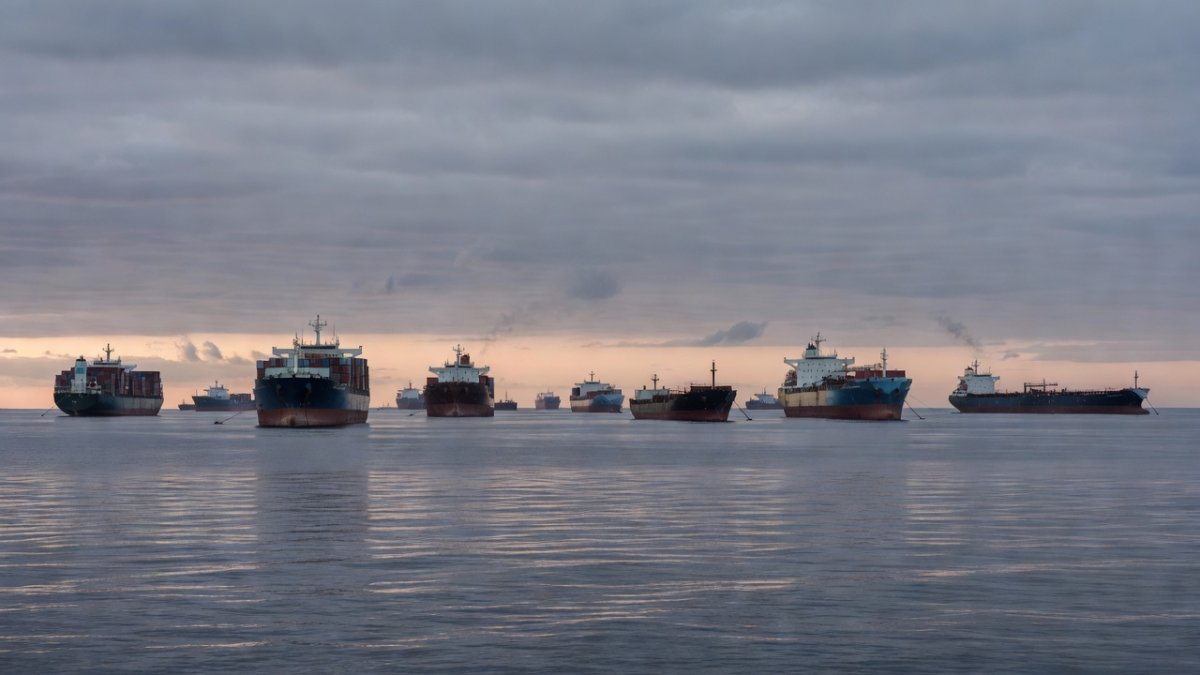
The Black Sea Shadow Fleet Under Fire
President Volodymyr Zelensky said two military patrol boats and shadow fleet vessels were hit in the Black Sea, referring to tankers Russia uses to illegally export sanctioned oil. The shadow fleet consists of aging vessels with opaque ownership structures that allow Moscow to circumvent Western sanctions on crude exports by concealing origins and destinations. These operations sustain revenue flows that support the Russian military budget amid ongoing hostilities that began with the full-scale invasion in February 2022.
In Odesa, one person was killed when Russia hit two dry cargo ships, underscoring the maritime dimension of the war. This incident reflects the reciprocal targeting of shipping assets on both sides, with Ukrainian forces focusing on vessels tied to sanctioned trade and Russian strikes affecting civilian maritime traffic. The involvement of the Black Sea as a theatre highlights how energy exports and logistics remain central to the conflict's economic stakes.
Interpretations from regional observers suggest these maritime actions could further complicate already strained shipping lanes, potentially affecting fuel supply chains for countries reliant on Black Sea routes. The EU and NATO have previously expressed concerns over shadow fleet activities, viewing them as mechanisms that prolong Russia's capacity to fund military operations without direct diplomatic engagement.
Russia's Retaliation: Blackouts and Civilian Toll
Ukraine said at least 11 people were killed in Russian attacks overnight and into Thursday. Three people were killed in the town of Balakliya in the Kharkiv region in an overnight Russian drone attack, with private residential houses targeted and fires reported in two buildings, according to the State Emergency Service. Kharkiv regional head Oleh Synehubov said two more people were killed when drones attacked the train station in Lozova, with eight injured. Five people were killed in strikes on the central Dnipropetrovsk region, illustrating the widespread impact on civilian areas across multiple oblasts.
In the south, the entire city of Kherson lost electricity after a critical infrastructure facility was hit overnight, regional head Oleksandr Prokudin said. Internet monitoring group NetBlocks told BBC Verify it observed deep disruption to connectivity in the Kherson region, with connectivity falling to about 31 percent at its lowest overnight. Head of research Isik Mater noted that generators and backup supplies helped mitigate some effects but could not prevent significant outages affecting daily life for residents.
Russia said it targeted fuel, energy and transport facilities as well as drone storage sites. These claims from the Defence Ministry frame the operations as responses to Ukrainian actions, focusing on infrastructure supporting military logistics. The civilian toll reported by Ukrainian authorities underscores the human cost in regions near the front lines, where energy and transport disruptions compound existing hardships for local populations.
Wildberries and the Expanding Drone Campaign
In the central Tver region, local authorities reported slight damage to a warehouse operated by Wildberries, Russia's largest online retailer, as a result of overnight Ukrainian attacks. Ukraine has attacked almost two dozen Wildberries logistics centres since mid-July, accusing the company of supplying the Russian military with drone parts and other equipment. Wildberries did not immediately comment on the latest incident, leaving open questions about operational continuity at its distribution network.
The broader pattern shows Ukraine's deepening strikes on Russia's economic infrastructure beyond the energy sector, extending pressure to commercial entities perceived as linked to military supply chains. This expansion reflects an evolving strategy that targets logistics hubs supporting both civilian commerce and defence needs. Observers note that such actions could influence domestic supply chains for ordinary Russians reliant on online retail for essential goods.
Regional authorities in Tver coordinated damage assessments and repairs, consistent with responses to similar incidents elsewhere. The focus on Wildberries highlights how Ukrainian operations now encompass a wider range of economic targets, potentially affecting employment and distribution networks in central Russia while drawing attention to corporate ties with state military procurement.
Analysis: An Energy War With No Off-Ramp
Both Russia and Ukraine have in recent weeks intensified attacks on major cities, energy facilities and warehouses, as the vast front line remains virtually static and all mediation efforts to end the war have brought no breakthrough. President Volodymyr Zelensky said Russia must choose peace, adding that Ukrainian attacks were strengthening chances for diplomacy. This interpretation suggests the refinery campaign aims to raise the economic costs for Moscow, potentially influencing internal debates within Kremlin circles about the sustainability of prolonged operations funded by oil revenues.
The strikes on facilities operated by Rosneft and Gazprom Neft could contribute to tighter domestic fuel supplies, with possible effects on prices experienced by ordinary Russians in regions far from the conflict zone. Export revenues tied to these refineries support state budgets, and disruptions may prompt adjustments in allocation priorities among ministries. Analysts suggest this dynamic risks further escalation if both sides continue targeting economic assets without diplomatic channels reopening.
Perspectives from CSTO and EU actors indicate limited appetite for renewed mediation given the entrenched positions, while NATO statements emphasise support for Ukraine's defensive capabilities. The absence of off-ramps leaves the energy dimension as a persistent pressure point, where cumulative damage to refining capacity intersects with civilian impacts across Russia and Ukraine. Ordinary citizens on both sides navigate these developments through fluctuating energy availability and security alerts that shape daily routines in affected areas.
By Irina Volkov, Staff Writer
This article was produced with AI-assisted research and editorial support. Reporting is based on sources cited in the article.
What's Your Reaction?
 Like
0
Like
0
 Dislike
0
Dislike
0
 Love
0
Love
0
 Funny
0
Funny
0
 Wow
0
Wow
0
 Sad
0
Sad
0
 Angry
0
Angry
0

Russia/Eastern Europe Correspondent at Global1.News. Covering Russian politics, energy, security, and the shifting dynamics of the post-Soviet space. Provides clear-eyed analysis on one of the world's most opaque regions.












Comments (0)