
Trump plans $2.8bn sale of 40,000 heavy bombs to Israel
The Trump administration is moving forward with a $2.8 billion weapons package for Israel that would deliver 40,000 two‑thousand‑pound bombs – a scale that dwarfs historic World War II air raids and raises fresh concerns about civilian casualties in Gaza.
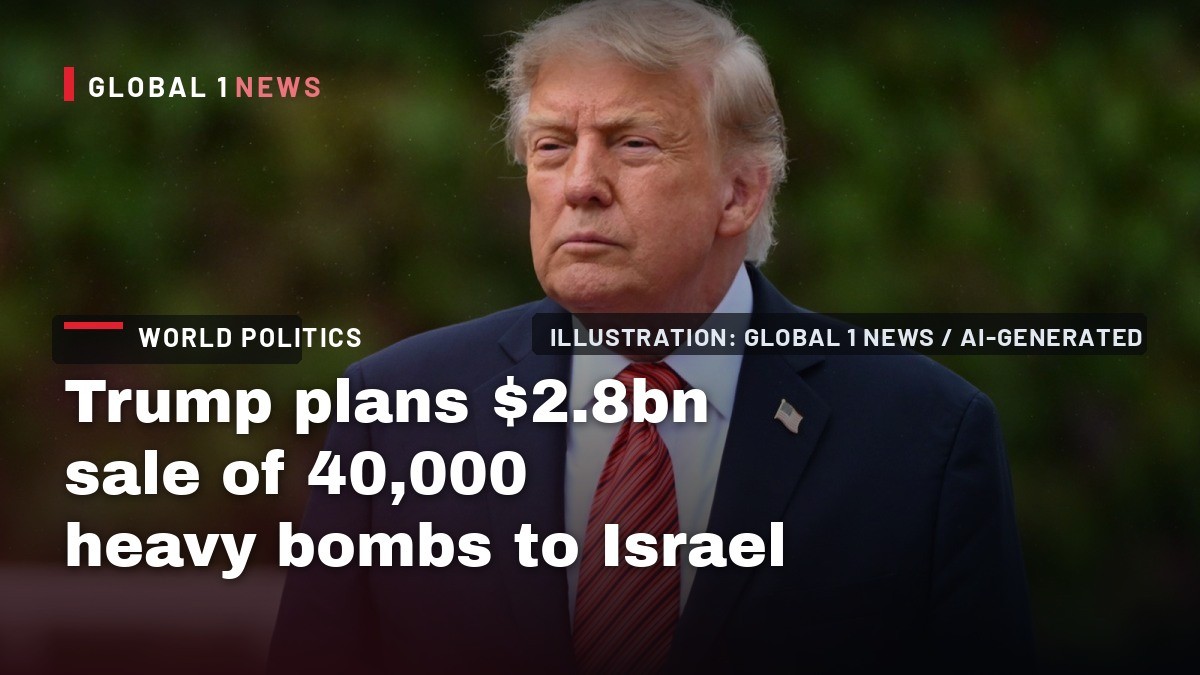
The Trump administration is moving forward with a $2.8 billion weapons package for Israel that would deliver 40,000 two‑thousand‑pound bombs – a scale that dwarfs historic World War II air raids and raises fresh concerns about civilian casualties in Gaza. While the sale is being routed through U.S. Foreign Military Financing, meaning American taxpayers would shoulder most of the cost, the human impact of such a massive transfer of explosive power is already sparking fierce criticism across the political spectrum and among human‑rights observers.
Scope of the proposed sale
The package, as described by a U.S. official to Reuters, consists of an equal split of MK‑84 general‑purpose bombs and BLU‑117 precision‑guided bombs, each weighing roughly two thousand pounds. In total, the shipment would amount to 40,000 bombs, or about 40,000 tons of ordnance. The inclusion of I‑2000 penetrator warheads, intended for hardened underground targets, further expands the destructive potential of the sale.
Congressional committees have been informed informally, and the deal has already been flagged by the Washington Post as the largest single transfer of munitions in recent years. Most of the financing would flow through the U.S. Foreign Military Financing program, a mechanism that allows American funds to be used by allied governments to purchase U.S. weapons. In practice, this means that U.S. taxpayers would be financing the bulk of the transfer.
Historical comparison and public reaction
Commentators have highlighted the sheer size of the shipment by comparing it to the largest American air raids of World War II. Tucker Carlson noted that the 40,000‑ton shipment represents roughly thirteen times the tonnage dropped by the Eighth Air Force on Berlin in March 1945, and about twenty‑five times the tonnage used in the infamous Operation Meetinghouse over Tokyo, which killed more than 100,000 civilians. These comparisons underscore how the proposed sale would deliver more explosive material in a single shipment than any single battle in that conflict.
The stark scale of the sale has provoked criticism from across the political aisle. Democratic Senator Chris Van Hollen has pledged to oppose the deal, arguing that it does not put American interests first. Other political figures have echoed concerns that the shipment would exacerbate civilian suffering in Gaza, a point that resonates with the broader public outcry over the humanitarian toll of the conflict.
Human cost in Gaza
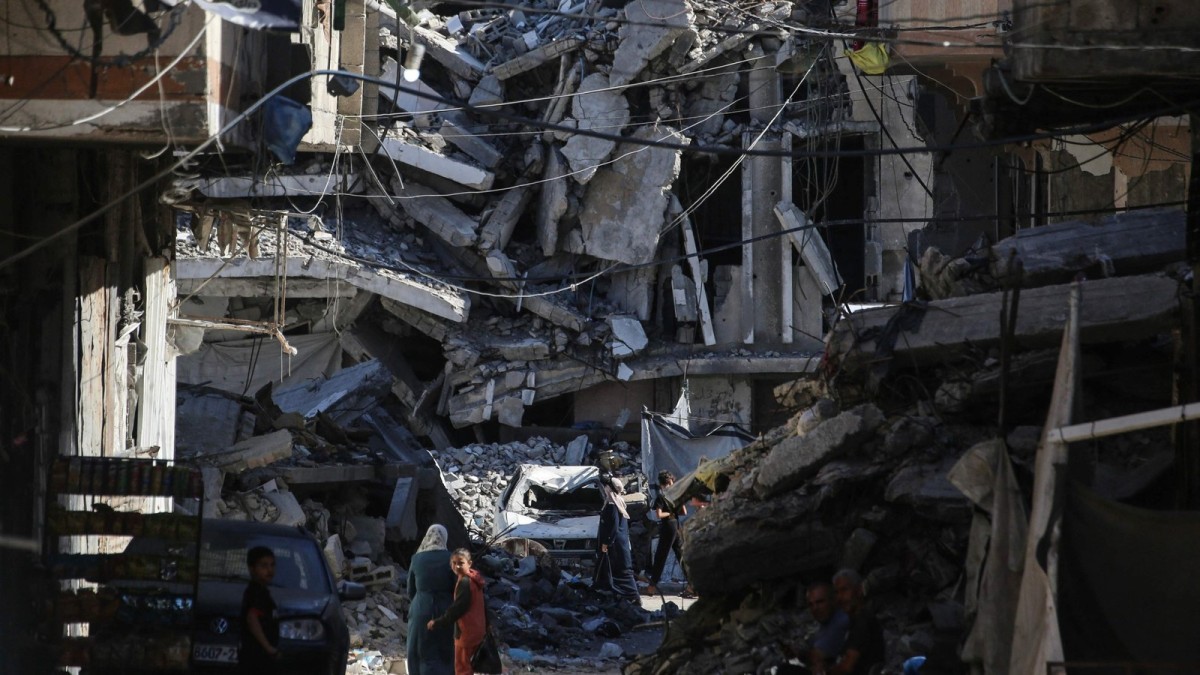
According to the source material, the reported Palestinian death toll in Gaza has already exceeded 73,000. The United Nations has conducted an inquiry that concluded Israel’s actions in Gaza amount to genocide. The introduction of an additional 40,000 heavy bombs into the theater of war raises the likelihood of further civilian casualties, given the destructive capacity of both the MK‑84 and BLU‑117 munitions.
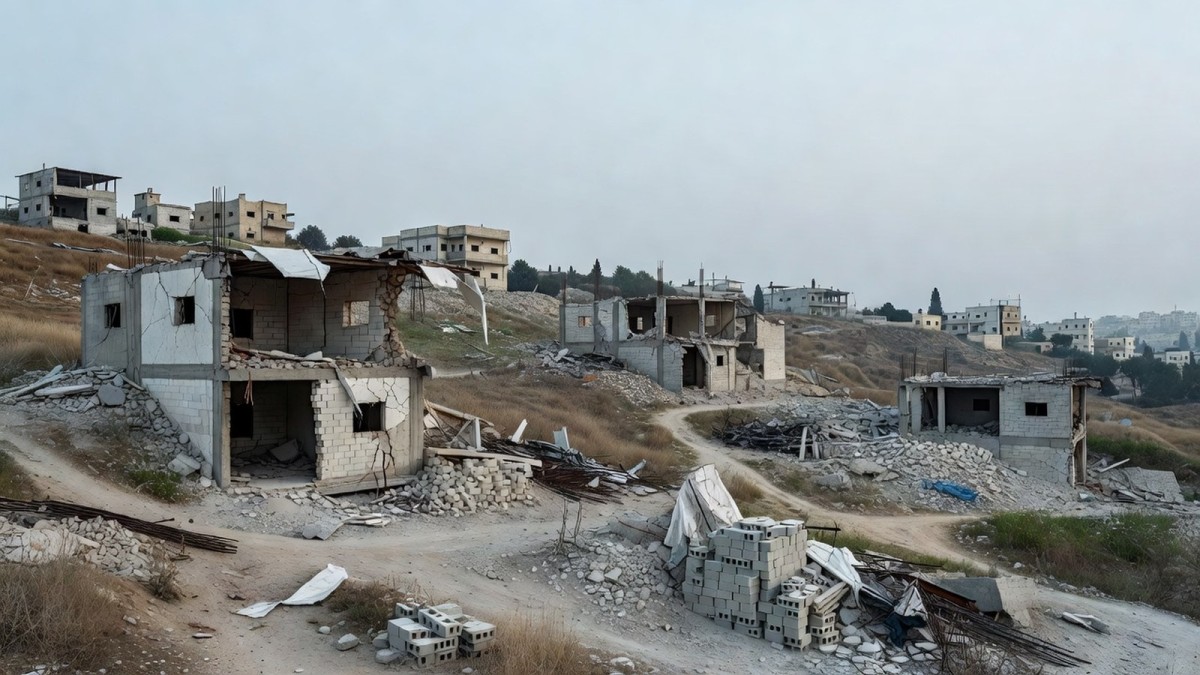
Human‑rights advocates stress that each bomb, weighing two thousand pounds, can cause extensive blast radius damage, collapse of residential structures, and secondary injuries from debris. In densely populated urban areas such as Gaza, the probability that any aerial strike will affect civilians is high, and the scale of this proposed shipment magnifies that risk dramatically.
Legal implications under international law
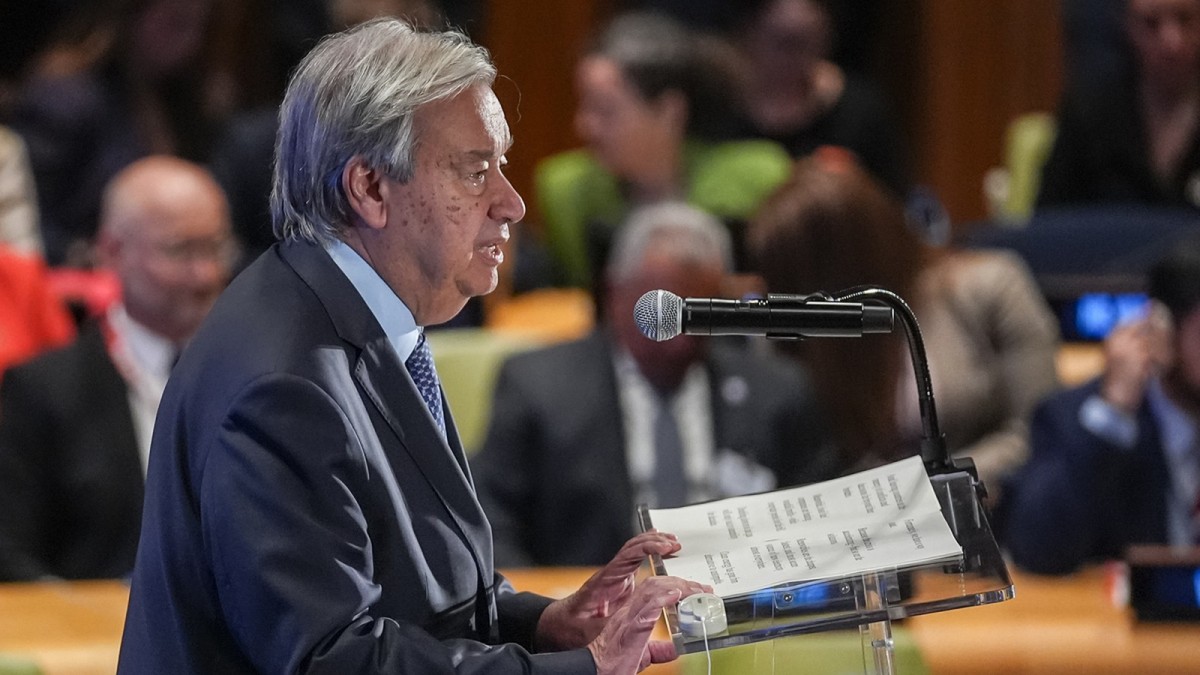
International humanitarian law obligates parties to a conflict to distinguish between combatants and civilians and to take all feasible precautions to avoid or minimize civilian harm. The United Nations inquiry’s finding of genocide suggests that Israel’s conduct may already breach the prohibition against acts intended to destroy, in whole or in part, a protected group. Supplying additional high‑capacity bombs could be seen as facilitating further violations of these legal obligations.
Legal scholars argue that the United States, by providing the means for potentially indiscriminate attacks, could be implicated in complicity. The use of foreign military financing to fund the purchase of such weapons places the U.S. government in a position where it must assess whether the transfer meets the criteria for lawful arms exports under the Arms Export Control Act, which requires consideration of the recipient’s human‑rights record.
Political dynamics within the United States
The proposed sale has ignited debate within Congress, with bipartisan voices expressing alarm. While the article cites Senator Van Hollen’s opposition, it also notes that the sale has been informally briefed to relevant committees, indicating that the administration is seeking legislative clearance. The fact that the sale is being pursued despite “longstanding concerns” over civilian impact suggests a prioritization of strategic alliance over humanitarian considerations.
Media coverage, such as the reporting by the Washington Post and the commentary by Tucker Carlson, reflects a broader public discourse that questions the moral calculus of supplying massive quantities of conventional explosives to a conflict already marked by high civilian casualties. The political pressure may influence the final decision, but the administration’s commitment to the sale appears strong.
Potential impact on ceasefire negotiations
The timing of the sale coincides with ongoing ceasefire talks, as referenced by the linked article about a separate $3 billion military sale to Israel. Introducing a large new stockpile of bombs could harden Israel’s negotiating position, giving it greater leverage to continue offensive operations rather than seek a diplomatic resolution.
Conversely, the heightened international scrutiny and the United Nations’ genocide finding may increase diplomatic pressure on both Israel and the United States to curb the escalation. The interplay between military aid and peace efforts will likely shape the trajectory of the conflict in the months ahead.
Human‑rights perspective and the way forward
From a human‑rights standpoint, the proposed transfer represents a stark reminder that arms sales are not merely transactions but decisions that shape the lived reality of civilians in conflict zones. The scale of the shipment, its financing through U.S. taxpayer money, and the existing humanitarian crisis in Gaza together create a moral imperative for rigorous scrutiny.
Human‑rights organizations and concerned citizens are calling for a halt to the sale until a transparent, independent assessment can determine whether the weapons will be used in compliance with international law. They argue that the United States must weigh its strategic partnership with Israel against its own legal and ethical obligations to prevent mass civilian harm. As the debate unfolds, the ultimate decision will signal how the international community balances security interests with the fundamental right to life and safety for the people of Gaza.
This article was produced with AI-assisted research and editorial support. Reporting is based on the source material cited below. Sources: Middle East Monitor; middleeastmonitor.com; Global1.News (17 September 2026).
By Fatima Al-Rashid, Staff Writer
What's Your Reaction?
 Like
0
Like
0
 Dislike
0
Dislike
0
 Love
0
Love
0
 Funny
0
Funny
0
 Wow
0
Wow
0
 Sad
0
Sad
0
 Angry
0
Angry
0

Gulf/MENA Correspondent at Global1.News. Based in Doha, covering Gulf politics, energy markets, diplomacy, and development across the Middle East and North Africa. Tracks the economic transformation of the Gulf states.












Comments (0)