
Trump's New Orders Target Birthright Citizenship Again
Folks, grab your coffee, because the White House just threw a legal grenade into the middle of the Constitution, and I am still picking my jaw up off the studio floor. On August 6, 2026, President Donald Trump signed not one, but two new executive orders aimed at gutting birthright citizenship and slamming the door on birth tourism. This is a direct sequel to the Supreme Court smackdown he took just five weeks ago, and it is every bit as audacious as it sounds.
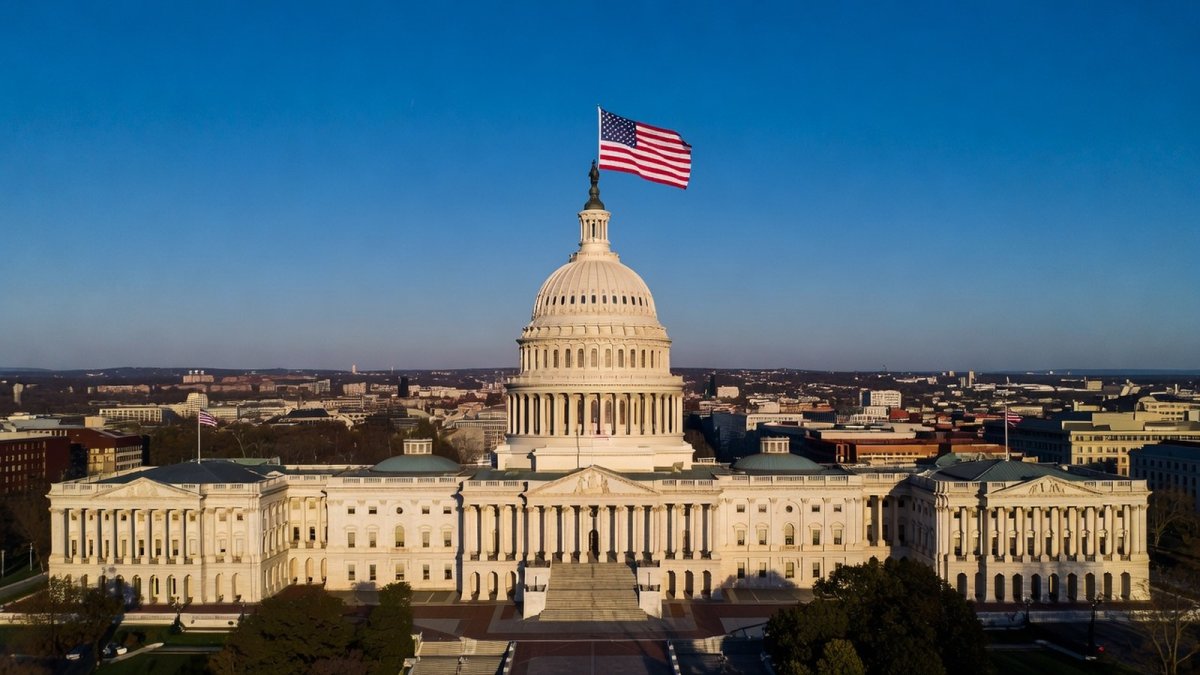
Folks, grab your coffee, because the White House just threw a legal grenade into the middle of the Constitution, and I am still picking my jaw up off the studio floor. On August 6, 2026, President Donald Trump signed not one, but two new executive orders aimed at gutting birthright citizenship and slamming the door on birth tourism. This is a direct sequel to the Supreme Court smackdown he took just five weeks ago, and it is every bit as audacious as it sounds.
Trump's New Orders Target Birthright Citizenship Again
Washington, D.C. — The ink was barely dry on the Supreme Court's landmark June ruling before the administration came back for round two. This isn't a retreat, folks; it's a flanking maneuver. And if you're as fired up as I am about what this means for the Fourteenth Amendment, you're going to want to stick with me, because we are breaking down every single angle of this political and legal firestorm.
What Trump Just Signed
Let's get the receipts straight, because the details matter. On August 6, 2026, in the Oval Office, President Trump signed two executive orders in a single event that also touched on the polysilicon industry — because nothing says "constitutional crisis" like mixing trade policy with the very definition of American citizenship. The White House published a fact sheet titled "President Donald J. Trump Ends Birth Tourism and Protects the Meaning and Value of American Citizenship," which is a mouthful for what is essentially a two-pronged attack on who gets to call themselves an American at birth.
Order number one is the big one. It seeks to broaden the categories of children ineligible for automatic US citizenship, specifically targeting children born to parents who are either unlawfully present or temporarily present in the United States. That means a baby born in a Dallas hospital to a mom on a tourist visa? Not a citizen, according to this order. A kid born in Phoenix to a dad who overstayed his work visa? Also not a citizen. This is a sweeping redefinition of the Fourteenth Amendment, and it is designed to pick up right where the last failed order left off.
Order number two is the "birth tourism" ban. This one gives the Secretary of State explicit power to stop the entry of birth tourists, including the authority to not grant or revoke visas. The administration is essentially weaponizing the visa process to prevent pregnant women from traveling to the US for the purpose of giving birth on American soil. It's a direct hit on an industry that has existed for decades, and it's being sold as a protection of "the meaning and value of American citizenship." But let's be real — this is about testing the limits of executive power, one signature at a time.
The Supreme Court's June Ruling: A Total Smackdown
You cannot understand the audacity of this move without revisiting June 30, 2026. That's the day the Supreme Court dropped the hammer in Trump v. Barbara, 609 U.S. ___ (2026). Chief Justice John Roberts wrote the majority opinion, and he was crystal clear: children born in the United States, including those born to parents unlawfully or temporarily present, are "subject to the jurisdiction" of the United States and are citizens at birth under the Citizenship Clause of the Fourteenth Amendment. That clause, ratified in 1868, reads: "All persons born or naturalized in the United States and subject to the jurisdiction thereof, are citizens of the United States and of the State wherein they reside."
Roberts didn't just uphold the law; he anchored it in the text, the history, and the plain meaning of those words. The ruling was a decisive rejection of Trump's original 2025 order, which was signed on the first day of his second term and decreed that children born to parents in the US illegally or on temporary visas would not automatically become citizens. That order was struck down as unconstitutional, and the Court made it clear that the Citizenship Clause is not a suggestion — it's the law of the land.
But here's where it gets spicy. Justice Clarence Thomas wrote the lead dissent — a massive 91-page opinion that agreed with Trump's assertion that the Fourteenth Amendment only applied to former slaves and their descendants. That's a historical interpretation that most legal scholars have rejected for over a century, but Thomas is nothing if not consistent in his originalism. Justice Kavanaugh wrote a notable concurrence, which suggests there's some nuance in the conservative wing, but the bottom line is this: the majority was unambiguous.
The Birth Tourism Order: Visas on the Chopping Block
Now, let's talk about the second order, because this one is already having real-world consequences. The State Department has been given the green light to revoke visas and deny entry to anyone suspected of coming to the US for birth tourism. And they are moving fast. By August 16, 2026, the State Department announced it had revoked more than 750 visas in the birth tourism crackdown — about 150 of those in the days immediately following the order. That's not a slow burn; that's a wildfire.
The power granted to the Secretary of State is sweeping. They can now stop the entry of birth tourists, not grant visas, and revoke existing ones. This isn't just about pregnant women at the border; it's about anyone who has ever applied for a visa with the intent to give birth in the US. The administration is using the visa system as a blunt instrument, and the numbers show they are not messing around. The Eastern Herald reported the State Department's announcement, and the message is clear: if you're coming here to have a baby, you're not coming at all.
But here's the thing, folks — this order is not just about visas. It's about creating a chilling effect. The administration wants to send a message to the entire world that American citizenship is not a souvenir you can pick up at the hospital gift shop. And while that might sound tough on the campaign trail, it's a legal minefield that's about to explode.
Legal Analysis: A Different Approach, Same Problems
So, is this new order any different from the one the Supreme Court just struck down? On the surface, yes. The administration is trying to narrow the scope by focusing on "temporary" presence and "unlawful" presence, rather than making a blanket declaration. But legal experts are already pointing out that this is the same constitutional fight wearing a new hat. The Fourteenth Amendment doesn't carve out exceptions for visa status. It says "subject to the jurisdiction thereof," and the Supreme Court just ruled that includes everyone born on US soil, period.
The NAACP Legal Defense Fund has been challenging the administration's efforts to dismantle birthright citizenship, and they are not backing down. USA Today reported that the new order is likely to face legal challenge, and you can bet your bottom dollar that the lawsuits are already being drafted. The question is whether the administration can find a legal loophole that the Court didn't already close. Spoiler alert: they probably can't.
But here's the strategic twist. The administration has NOT asked the Supreme Court to rehear the birthright citizenship case, as reported by SCOTUSblog on July 28, 2026. That's a deliberate move. They're not trying to overturn Trump v. Barbara; they're trying to work around it. By issuing new orders that are slightly different in scope, they're forcing the courts to start from scratch. It's a delay tactic, a political statement, and a legal gamble all rolled into one. And it's going to take years to litigate.
Who Is Affected: Families, Travelers, and Communities
Let's get real about the human cost here, because this isn't just about legal theory. This is about families. This is about pregnant women who are terrified of flying to the US for a baby shower or a family visit, worried that they'll be turned away at the border. This is about immigrant communities who are watching the news and wondering if their American-born children are suddenly going to be stateless. The anxiety is palpable, and it's not just in immigrant neighborhoods — it's in hospitals, in schools, in every corner of this country.
The birth tourism order is already affecting travelers. The 750-plus visa revocations are just the beginning. Imagine being a family in Nigeria or China or Brazil who saved up for years to come to the US for a medical procedure or a family reunion, and suddenly your visa is revoked because someone at the State Department thinks you might be coming to have a baby. The collateral damage is enormous, and it's hitting people who have done nothing wrong.
And for the children already born in the US to parents on temporary visas? The administration's order doesn't retroactively strip their citizenship, but it creates a climate of fear. Parents are asking: "Will my child's passport be honored? Will they be able to go to school? Will they be treated as Americans?" The answer, legally, is yes — but the psychological toll is real. This is a war on the idea of citizenship itself, and the battlefield is the lives of ordinary people.
Political Reaction and the Stakes
Politically, this is a powder keg. Trump is betting that his base will rally around the idea of "protecting American citizenship," and he's not wrong — this is a red-meat issue that gets crowds roaring. But the legal reality is that he's on a collision course with the courts, and the Supreme Court has already told him once that he's wrong. The question is whether he cares. For Trump, this is about the fight itself, not the outcome. He's showing his supporters that he's willing to go to the mat for them, even if he loses.
On the other side, Democrats and civil rights groups are framing this as an existential threat to the Constitution. The NAACP Legal Defense Fund has been relentless, and they're not alone. Every major civil rights organization in the country is gearing up for a legal battle that could define the next decade of American jurisprudence. The stakes couldn't be higher: if the administration succeeds in narrowing birthright citizenship, it would fundamentally change who gets to be an American. And if it fails, it will be a massive political defeat for Trump.
The media coverage has been intense. The Guardian, ABC News, The New York Times, USA Today, and CNBC have all been covering this story with the urgency it deserves. And the public is paying attention. This isn't a niche legal issue; it's a national conversation about identity, belonging, and the very definition of America.
What Happens Next
So, what's the play from here? First, expect the lawsuits. The NAACP Legal Defense Fund and other groups are going to file challenges immediately, and they're going to argue that these orders violate the Fourteenth Amendment, the Immigration and Nationality Act, and basic due process. The courts are going to have to decide whether the administration can use executive orders to override a Supreme Court ruling. That's a question that could end up back at the Supreme Court, and fast.
Second, watch the State Department. The visa revocations are going to continue, and they're going to get messier. There are going to be horror stories about families separated, about pregnant women detained, about people who were just trying to visit the Statue of Liberty getting caught in the crossfire. The administration is going to try to spin this as a victory for national security, but the human cost is going to be impossible to ignore.
Third, keep your eyes on the midterms. This is going to be a defining issue in the 2026 elections, and both parties are going to use it to mobilize their bases. If the courts strike down these orders, Trump will cry judicial activism. If they uphold them, we're in uncharted constitutional waters. Either way, this is not going away.
Folks, here's what I need you to do. Stay informed. Read the actual Supreme Court opinion in Trump v. Barbara — it's a masterclass in constitutional law. Follow the legal challenges as they unfold, and don't let anyone spin you into believing this is a simple issue. It's not. It's about the soul of this country, and it's going to take all of us paying attention to make sure the Constitution wins.
And remember, you have power. Call your representatives. Support organizations like the NAACP Legal Defense Fund that are fighting for your rights. And most importantly, don't let the noise drown out the truth: birthright citizenship is the law, it's been the law for over 150 years, and no executive order can change that without a constitutional amendment. The fight is on, and we're all in it together.
By Jessica Ali, Staff Writer
This article was produced with AI-assisted research and editorial support. Sources: The Guardian, ABC News, The New York Times, USA Today, CNBC, SCOTUSblog, White House fact sheet, Supreme Court opinion in Trump v. Barbara (June 30, 2026).
What's Your Reaction?
 Like
0
Like
0
 Dislike
0
Dislike
0
 Love
0
Love
0
 Funny
0
Funny
0
 Wow
0
Wow
0
 Sad
0
Sad
0
 Angry
0
Angry
0

Editor-in-Chief at Global1.News. Atlanta-based journalist who cuts through the BS and tells it like it is. Lead anchor, host, and the voice you hear when the spin stops and the truth starts.









Comments (0)