
Trump, Lula Clash Over Election Meddling as Brazil Votes in October
In a recent BBC News report, the Global Story programme examined whether the Trump administration is trying to influence foreign elections, as a diplomatic standoff between Washington and Brasilia intensifies weeks before Brazil votes.
In a recent BBC News report, the Global Story programme examined whether the Trump administration is trying to influence foreign elections, as a diplomatic standoff between Washington and Brasilia intensifies weeks before Brazil votes. The episode, which aired this week and ran for 27 minutes, featured BBC Brazil correspondent Leandro Prazeres on the fallout between the two governments and Politico correspondent Nahal Toosi on the long history of US interference in foreign elections — from offering subtle incentives for preferred outcomes to secretly sponsoring coups. The timing could not be more charged: Brazil's presidential election is set for October 4, and the race is statistically tied.
Is Trump Trying to Influence Foreign Elections? The Brazil Row Exposes a New US Playbook
Brasilia – 12 August 2026 — Brazil has denied visas to two US officials it accuses of seeking to meddle in October's presidential election, deepening a diplomatic standoff that has made Washington a central and unpredictable force in the campaign. The Trump administration has called the allegations baseless, but the episode has reignited a global debate about the limits of American influence in foreign elections.
The Diplomatic Standoff Over Denied Visas
The immediate flashpoint came in late July, when Brazil denied visas to two US officials who had planned to travel to the country. President Luiz Inacio Lula da Silva confirmed the decision with characteristic bluntness, telling reporters: "This week we had to deny visas to two young folks they were sending to Brazil to meddle in Brazil's elections." Reuters, citing two Brazilian officials, reported that the visa requests were rejected because the officials had planned to cast doubt on the integrity of Brazil's electoral system — a system that has been under sustained attack from the Bolsonaro camp since the 2022 election, when Jair Bolsonaro refused to concede and later faced criminal charges for his role in an attempted coup.
The US State Department rejected any suggestion of a "ploy" to undermine Brazil's elections, calling the claims "baseless" and describing the visit as routine and consistent with the Bureau of Democracy, Human Rights, and Labor's statutory mandate. A department spokesperson insisted the officials were traveling for standard diplomatic engagement, not electoral interference. The dueling narratives reveal a fundamental breakdown in trust: Brasilia sees Washington's democracy-promotion apparatus as a vehicle for regime-change politics, while Washington insists it is merely fulfilling its long-standing institutional mission. Neither side appears willing to de-escalate, and the episode has become a rallying cry for both Lula's nationalist base and the Bolsonaro camp, which accuses the government of paranoia.
The episode comes at a delicate moment in US-Brazil relations, which have deteriorated sharply since President Trump returned to the White House. In early August, the row deepened further when Washington designated two of Brazil's largest criminal organizations — Comando Vermelho and the First Capital Command (PCC) — as foreign terrorist groups, a move that Lula had long resisted as an intrusion on Brazilian sovereignty. The BBC report framed the standoff as part of a broader pattern of Trump administration pressure on Latin American governments, with Brazil emerging as the most consequential test case. The question now is whether the visa dispute is an isolated incident or the opening salvo in a coordinated campaign to shape the October vote.
A Race Decided at the Margins
Brazil's October 4 election pits Lula, the 80-year-old leftist incumbent seeking a fourth term, against right-wing Senator Flavio Bolsonaro, a Trump ally and the eldest son of former President Jair Bolsonaro. Polls show the two in a statistical tie, a dead heat that analysts describe as genuinely open and decided at the margins. In such a contest, outside influence can matter enormously — a few percentage points shifted by foreign intervention could determine the outcome. The elder Bolsonaro, serving a 27-year sentence for his role in the attempted coup and barred from running, endorsed his son in December, lending Flavio the family's formidable political machine and its deeply entrenched base of support.
Flavio Bolsonaro has positioned himself as the standard-bearer of the Brazilian right, campaigning heavily on crime and security — issues that polls consistently show as the strongest for the conservative camp. The terrorist-group designations of Comando Vermelho and the PCC, a long-standing Bolsonaro demand, handed Flavio a significant political gift. He claimed credit for the designations, arguing that his relationship with the Trump administration had delivered results that Lula's resistance had blocked for years. The move also allowed Flavio to frame himself as the candidate who can secure international cooperation against organized crime, while painting Lula as weak on security and hostile to Washington.
For Lula, the tightness of the race has transformed the sovereignty issue into a central campaign theme. He has branded Flavio a "traitor" for allegedly encouraging the new US tariffs on Brazilian goods, framing himself as the defender of a proud, export-driven nation against foreign bullying. The strategy is risky: while nationalist sentiment runs deep in Brazil, so does admiration for American power and culture. Washington's moves cut both ways — the terrorist designations help Flavio on crime, but the tariff threats and visa dispute help Lula on sovereignty. Analysts suggest the two forces may roughly cancel out, leaving the race as tight as ever and the outcome genuinely uncertain.
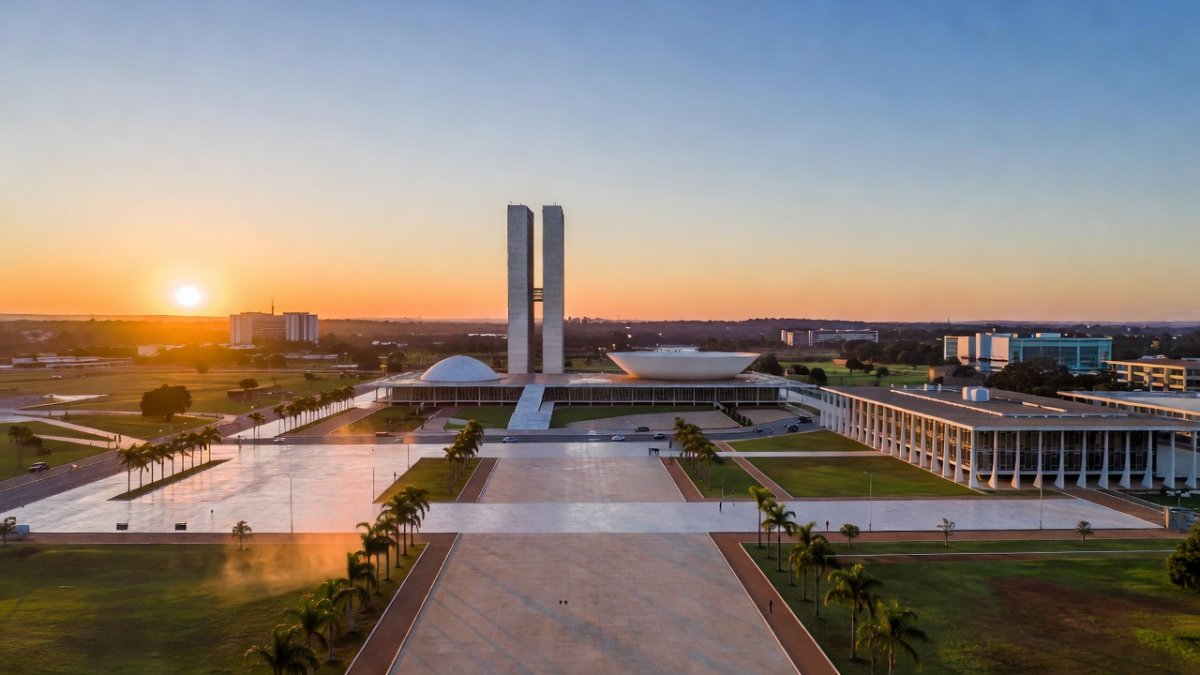
Trump's Overt Endorsement Playbook
Trump has pursued an overt endorsement strategy across the region, a marked departure from the covert interference of past administrations. He issued a "complete and total endorsement" of Colombia's President-elect Abelardo De La Espriella, threw his support behind Argentina's President Javier Milei, and backed Chile's Jose Antonio Kast. These public declarations, delivered via social media and campaign-style rallies, represent a new blueprint for US foreign policy — one that abandons the subtlety of the Cold War era in favor of open partisanship. Politico correspondent Nahal Toosi, speaking on the BBC episode, traced the historical arc: from offering incentives for preferred political outcomes to secretly sponsoring coups against governments Washington disliked. The Trump approach, she argued, is different in kind, not just degree.
The playbook is not limited to endorsements. Trump has pushed Lula to drop charges against Jair Bolsonaro and threatened tariff retaliation over his prosecution. A punishing 50% tariff round hit Brazil in 2025, and Trump has floated new tariffs of around 25% on some Brazilian goods, reviving the trade fight. The message is unmistakable: Washington will reward its friends and punish its adversaries, and it will do so openly. For Brazil, the implications are profound. Trump met Lula at the White House in May, a meeting that produced little beyond diplomatic pleasantries. Lula has previously described Trump as acting like an "emperor" by trying to influence other countries, and the May meeting appears to have done nothing to soften that assessment.
The overt strategy carries risks for Washington as well. By openly backing Flavio Bolsonaro, Trump has made himself a campaign issue in Brazil, allowing Lula to frame the election as a choice between Brazilian sovereignty and American domination. The BBC episode highlighted this dynamic, noting that Trump's public defense of the elder Bolsonaro — whom he has called a victim of an "unfair" trial — has further inflamed tensions. For the Bolsonaro camp, the American card is a double-edged sword: it brings resources and legitimacy, but it also allows Lula to paint Flavio as a foreign agent. The coming weeks will test whether Trump's overt playbook can deliver a victory in Latin America's largest democracy, or whether it will backfire and strengthen the nationalist backlash.
Tariffs, Terror Listings and the Bolsonaro Shadow
The economic and security levers Washington has pulled are substantial. The 50% tariff round in 2025, imposed over Jair Bolsonaro's prosecution, dealt a significant blow to Brazilian exports and signaled that the Trump administration would use trade as a weapon in its political battles. Now, Trump has floated new tariffs of around 25% on some Brazilian goods, reviving the trade fight just weeks before the election. The threat has sent shivers through Brazil's agricultural and manufacturing sectors, which depend heavily on access to the US market. Lula has seized on the tariffs to rally nationalist sentiment, arguing that Flavio Bolsonaro's closeness to Trump has encouraged the pressure.
The terrorist designations of Comando Vermelho and the PCC have proven equally consequential, though in the opposite direction. Flavio has used the designations to claim results on security, telling voters that his connections in Washington delivered what Lula could not. The designations carry real weight: they unlock US counterterrorism resources, intelligence sharing, and financial sanctions against the organizations' networks. For Brazilian voters concerned about crime — and polls suggest that is the top issue — the designations are a tangible achievement. Lula had resisted them for years, arguing that they represented an intrusion on Brazilian sovereignty and that Brazil was capable of handling its own security challenges.
Analysts suggest the moves roughly cancel out: the tariffs hurt Lula's economic narrative, while the designations help Flavio on crime, but the sovereignty framing cuts the other way. Lula has complained that Secretary of State Marco Rubio blocks the direct channel to Trump, forcing him to negotiate through intermediaries. "Trump sometimes seems to want to pick a fight with me," Lula said. "I don't want a fight with him... I'm not stupid. I want peace, and I want to defeat them in the battle of narratives." The Bolsonaro shadow looms over the entire contest: the elder Bolsonaro's 27-year sentence and his December endorsement of his son have made the election a referendum on his legacy, and Trump's continued defense of the former president has kept the issue alive.
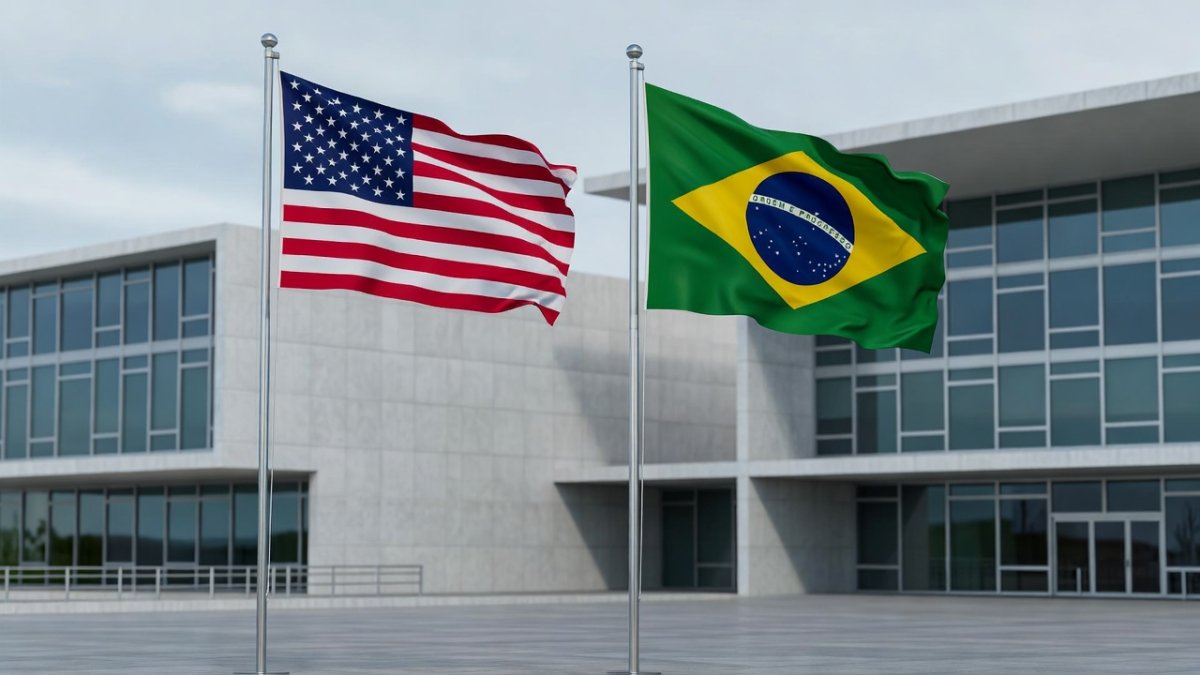
Lula's Counter-Strategy: The Battle of Narratives
Lula's counter-strategy is built on a refusal to escalate. He has declined to match Trump's bellicosity, instead framing himself as the mature statesman in a world of impulsive strongmen. "I don't want a fight with him," he said. "I want peace, and I want to defeat them in the battle of narratives." The approach reflects Lula's decades of diplomatic experience and his understanding that direct confrontation with Washington rarely ends well for Latin American leaders. Instead, he has sought to turn the sovereignty issue into a moral advantage, presenting himself as the defender of Brazilian independence against a bullying superpower.
His June warning after the G7 was pointed: "Don't meddle in the Brazilian elections, because the Brazilian elections are a problem for Brazil." The message was directed at Trump, but it was also aimed at Brazilian voters, reminding them that foreign interference is an affront to national dignity. Lula has also deployed humor to defuse tensions, dismissing Trump's friendship with the Bolsonaro family with a shrug: "It's his problem. There's no accounting for taste." The quip, delivered to reporters, was widely shared on Brazilian social media and helped humanize Lula's resistance to American pressure.
The strategy carries risks. Nationalist backlash is a live risk for the Brazilian right if it leans too hard on the American card — even Bolsonaro allies have warned that Flavio must play the Trump connection carefully, lest he be seen as a foreign puppet. Lula's framing of himself as the defender of a proud, export-driven nation has resonance in a country that has long chafed at American dominance. But it also risks alienating voters who see the United States as a model and a partner. The battle of narratives, as Lula calls it, is being fought on multiple fronts: economic, security, and cultural. The outcome may well determine not just the election, but the future direction of Brazilian foreign policy.
A New Blueprint for US Foreign Policy?
The historical record of US interference in foreign elections is long and well-documented. From offering subtle incentives for preferred political outcomes to secretly sponsoring coups against governments Washington disliked, the United States has been accused of influencing events abroad throughout its history. The BBC episode, drawing on Toosi's reporting, traced this arc: the Cold War-era interventions in Iran, Guatemala, Chile, and elsewhere; the more subtle pressure campaigns of the post-Cold War era; and now the Trump administration's overt endorsement strategy. The question is whether Trump's approach represents a durable new model or a personal style that ends with his presidency.
Trump's method differs from the covert playbook in fundamental ways. He issues public endorsements via social media, declares his support for favored candidates in campaign-style rallies, and wields tariff and security leverage openly rather than through back channels. There is no pretense of neutrality, no attempt to disguise American influence as something else. The approach is transparent, but it is also aggressive: it treats foreign elections as legitimate arenas for American power projection, with no apology and no subtlety. For democracies across Latin America and the Global South, the implications are profound. Sovereignty debates have intensified, electoral-integrity questions have become more urgent, and governments are adapting to a world in which Washington's preferences are stated openly and enforced with economic and security leverage.
Whether the model endures depends on the outcome of the Brazilian election. If Flavio Bolsonaro wins, Trump's playbook will be validated, and other leaders across the region will take note. If Lula prevails, the strategy will be seen as a failure, and future administrations may revert to more subtle methods. The BBC episode framed this as a pivotal moment: the first major test of whether overt endorsement politics can deliver results in a large, consequential democracy. The answer will shape not just US-Brazil relations, but the broader pattern of American engagement with the hemisphere for years to come.
Analysis and Implications
The standoff between Washington and Brasilia has transformed the October vote into a referendum on sovereignty and foreign influence. In a race this tight, any nudge can count, and both camps have received gifts from Washington — Flavio the terrorist designations and the implicit promise of American support, Lula the tariff threats and the visa dispute as evidence of foreign meddling. The risk is that US involvement becomes a campaign issue that mobilizes nationalism on both sides, polarizing the electorate further and making the post-election period even more fraught. Brazil's electoral system, already under attack from the Bolsonaro camp since 2022, faces a credibility test that will determine whether the loser accepts the result.
The bigger question is whether overt endorsement politics erodes or simply renames the old covert playbook. Trump has abandoned the pretense of neutrality, but the underlying goal — shaping foreign elections to serve American interests — remains unchanged. The difference is that the pressure is now visible, which may actually strengthen democratic accountability: voters can see what is happening and respond accordingly. But it also normalizes foreign interference, treating it as a routine part of great-power rivalry rather than an aberration. For ordinary Brazilians, the stakes are concrete: the credibility of their electoral system, the integrity of their democracy, and the independence of their foreign policy.
Analysts suggest the coming weeks will test whether Lula's "battle of narratives" can hold against the full weight of Washington's leverage. The outcome may define the limits of American influence in the hemisphere for years. If Lula wins despite Trump's overt opposition, it will signal that sovereignty appeals can trump superpower pressure. If Flavio wins, it will confirm that American endorsement is a decisive asset. Either way, the Brazilian election has become a proxy for a larger struggle over the future of US-Latin American relations — and the world is watching.
By Irina Volkov, Staff Writer
This article was produced with AI-assisted research and editorial support. Reporting is based on sources cited in the article.
What's Your Reaction?
 Like
0
Like
0
 Dislike
0
Dislike
0
 Love
0
Love
0
 Funny
0
Funny
0
 Wow
0
Wow
0
 Sad
0
Sad
0
 Angry
0
Angry
0
Russia/Eastern Europe Correspondent at Global1.News. Covering Russian politics, energy, security, and the shifting dynamics of the post-Soviet space. Provides clear-eyed analysis on one of the world's most opaque regions.










Comments (0)