
Topos Azteca Rescue Team Arrives in Colombia After 7.4 Quake
Mexico’s Topos Azteca Answer the Call in Colombia The familiar orange helmets and the steady hands of Mexico’s most legendary rescue workers have arrived in Colombia. A 45-member team of the Azteca International Rescue Brigade, known worldwide as the Topos, or Moles, touched down in the city of Cali on Wednesday, ready to dig through the rubble left by the devastating 7.4 magnitude earthquake that struck southwestern Colombia on Monday morning.
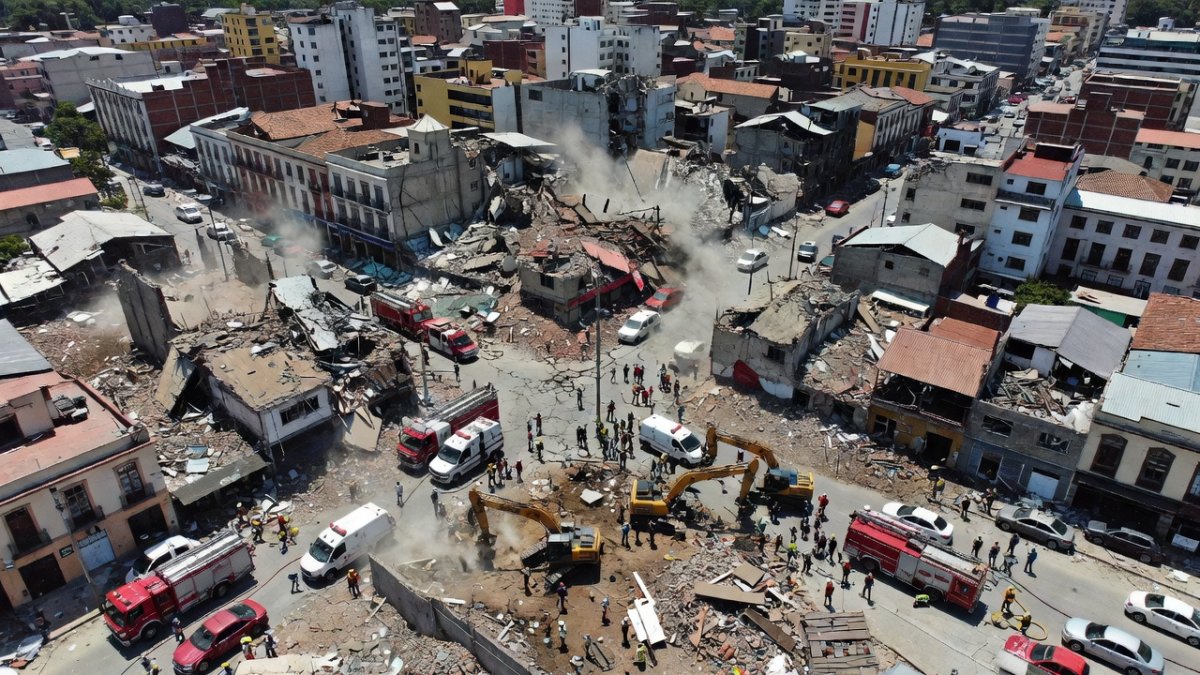
Mexico’s Topos Azteca Answer the Call in Colombia
The familiar orange helmets and the steady hands of Mexico’s most legendary rescue workers have arrived in Colombia. A 45-member team of the Azteca International Rescue Brigade, known worldwide as the Topos, or Moles, touched down in the city of Cali on Wednesday, ready to dig through the rubble left by the devastating 7.4 magnitude earthquake that struck southwestern Colombia on Monday morning.
Their arrival marks a powerful moment of Latin American solidarity, but it was not an easy path to the disaster zone. The brigade confirmed their presence via social media, writing in part, “We are ready to put our hands, our knowledge, and our hearts at the service of our Colombian brothers and sisters. Stay strong, Colombia!” For Mexicans watching from home, the sight of the Topos deploying is a familiar and emotional one—these are the same volunteers who have crawled through the ruins of Mexico City’s 1985 and 2017 earthquakes, and who have traveled to disasters from Haiti to Turkey.
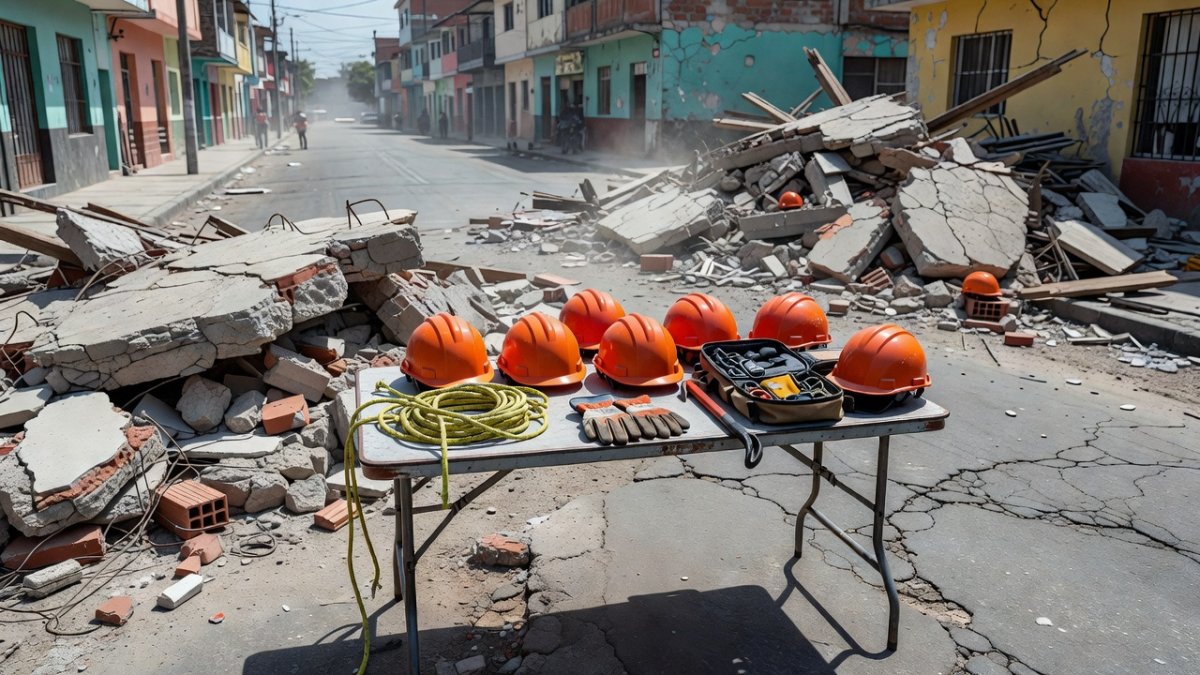
The team reached Cali more than 30 hours after the earthquake, a critical timeline that places them within the 48-hour window when the chances of finding trapped survivors remain highest. According to information released by Noticias RCN, the Mexican contingent is equipped with advanced technological tools, including infrared cameras designed to locate possible victims under the debris. For the families waiting desperately outside collapsed buildings, the arrival of the Topos brings a renewed flicker of hope.
A Journey From Venezuela to Colombia’s Rubble
The Topos did not travel directly from Mexico City to Colombia. Instead, they came from La Guaira in Venezuela, where they had been participating in operations following the 7.2- and 7.5-magnitude earthquakes that struck that neighboring country on June 24. For approximately 40 days, the Mexican rescuers had been working alongside Venezuelan emergency teams, digging through the remains of homes and businesses in a grueling, exhausting mission.
When the earth shook in Colombia on Monday morning, the Topos were still in the middle of their Venezuelan deployment. Yet, without hesitation, they packed their gear and made the journey south. This seamless transition from one disaster zone to another underscores the brigade’s unique status as one of the most experienced and respected search-and-rescue organizations in the world. Their ability to mobilize quickly, even from a foreign country, demonstrates the deep logistical expertise they have built over nearly four decades of service.
The epicenter of Monday’s earthquake was in San José del Palmar, in the department of Chocó in southwestern Colombia. The quake was felt across much of the nation, including the major cities of Bogotá, Cali, and Medellín. Beyond Chocó, significant damage was reported in the departments of Valle del Cauca, Risaralda, Quindío, and Caldas. The scale of the destruction is immense, with entire neighborhoods reduced to piles of concrete and twisted metal.
Overcoming Political Barriers and Initial Rejection
Despite the urgent need for specialized rescue teams, the Topos’ help was not welcomed at first. According to press reports, the Colombian government, headed by far-right President Abelardo de la Espriella, initially rejected Mexican assistance. The administration cited “sovereignty” and insisted that Colombians had “the emergency covered.” This decision sparked frustration among many who saw the rejection as a political move rather than a practical one, especially given the scale of the disaster.
The Topos reportedly responded with characteristic professionalism and humility. They stated that they would respect Colombia’s refusal and would wait for a new Damage and Needs Assessment before proceeding. This patient, respectful approach is a hallmark of the brigade’s philosophy. They understand that disaster response is often complicated by politics, and they prioritize the dignity of the host nation above all else.
By Wednesday morning, the political winds had shifted. The Colombian government reversed its initial decision, and the Topos were able to write on X: “We are here, Colombia!” The reversal is a testament to the pressure exerted by local officials and the public, who recognized that the Mexican team’s tunneling expertise could mean the difference between life and death for those still trapped. The deputy of Valle del Cauca, Esteban Oli, publicly informed the arrival of the Mexican rescuers, signaling a warmer reception than the initial federal stance.
The Legendary Leader and the Moles’ Unique Skills
Leading the contingent is the legendary rescuer Héctor, a figure whose name is synonymous with courage in Mexico. Héctor has been at the forefront of the Topos’ most dangerous missions for decades. His leadership provides a steady hand for the younger members of the team, many of whom are following in the footsteps of the original volunteers who emerged after the 1985 Mexico City earthquake. That tragedy, which killed thousands, gave birth to the Topos movement—a spontaneous network of ordinary citizens who became extraordinary rescuers.
The nickname “Topos,” or Moles, is earned through their unique skill in tunneling through debris. While other rescue teams focus on surface-level search and rescue, the Topos are known for burrowing deep into unstable piles of rubble to reach victims trapped in voids. This dangerous work requires immense physical strength, mental fortitude, and an almost intuitive understanding of how collapsed structures behave. Their infrared cameras are a modern addition to their toolkit, allowing them to detect body heat signatures beneath the concrete.
For the Mexican public, the Topos are more than just rescue workers; they are national heroes. Their deployment to Colombia is a source of pride, a reminder that Mexico has the expertise and the heart to help its neighbors in times of crisis. The brigade’s social media posts, filled with messages of solidarity and determination, have been widely shared across Mexican networks, with many users expressing their support and prayers for both the rescuers and the Colombian people.
Assessing the Devastation and the Road Ahead
The official death toll from the earthquake remains a point of contention. Departmental authorities in the affected regions reported at least 240 victims on Wednesday, while the federal government placed the figure at 188. International reports suggest the number could be between 224 and 250, with more than 1,200 people injured and thousands still reported missing. These discrepancies are common in the chaotic aftermath of a major earthquake, as communication lines are down and remote communities are difficult to reach.
The search-and-rescue phase is now in its most critical hours. The 48-hour window is closing, and the Topos are racing against time to find survivors. Their work is physically and emotionally draining, but they are driven by the knowledge that every minute matters. The Mexican team is working alongside Colombian emergency services, sharing their techniques and coordinating efforts to cover as much ground as possible.
Beyond the immediate rescue efforts, the long road to recovery lies ahead. The departments of Chocó, Valle del Cauca, Risaralda, Quindío, and Caldas will need billions of dollars in reconstruction aid. Homes, schools, hospitals, and infrastructure have been destroyed, and thousands of families are now homeless. The Mexican government, through its Secretariat of Foreign Affairs (SRE), is expected to coordinate additional humanitarian assistance in the coming weeks, but the immediate focus remains on pulling survivors from the rubble.
Mexican Solidarity and the Latin American Spirit
The Topos’ presence in Colombia is a powerful symbol of the bonds that unite Latin American nations. In a region often divided by political differences, the sight of Mexican rescuers kneeling in the dust of a Colombian street, holding the hand of a survivor, transcends borders. It is a reminder that when disaster strikes, the people of Latin America stand together.
For Mexicans, this mission carries a deep emotional weight. Many remember the outpouring of support Colombia and other nations sent to Mexico after the 2017 earthquake. Now, it is Mexico’s turn to give back. The Topos are not just representing their country; they are representing the generosity and resilience of the Mexican people. Their presence in Cali is a testament to the fact that solidarity is not just a word—it is an action.
As the rescue efforts continue, the world watches with bated breath. The Topos have already proven their mettle in Venezuela, and now they are bringing that same dedication to Colombia. For the families waiting outside the rubble, the arrival of the Moles is a sign that they are not alone. For Mexico, it is a moment of pride. And for Latin America, it is a powerful reminder that in the face of tragedy, we are all brothers and sisters.
Tags: Topos Azteca, Mexico rescue team, Colombia earthquake, 7.4 earthquake Chocó, Mexican humanitarian aid, search and rescue, Cali rescue efforts, Héctor Topos, Latin America solidarity, earthquake survivors
By Rosa Martinez, Staff Writer
This article was produced with AI-assisted research and editorial support. Reporting is based on sources cited in the article.
What's Your Reaction?
 Like
0
Like
0
 Dislike
0
Dislike
0
 Love
0
Love
0
 Funny
0
Funny
0
 Wow
0
Wow
0
 Sad
0
Sad
0
 Angry
0
Angry
0
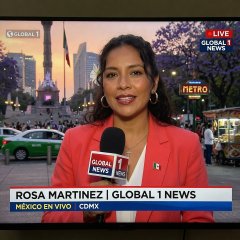
Latin America/Andes Correspondent at Global1.News. Based in Bogota, covering politics, environment, energy, and social movements across the Andean region. Passionate about environmental journalism and communities protecting their land.











Comments (0)