
The rising cost of putting food on the table in India
India’s latest inflation data shows a worrying divergence between overall price pressures and the cost of food, a staple that continues to dominate household budgets.
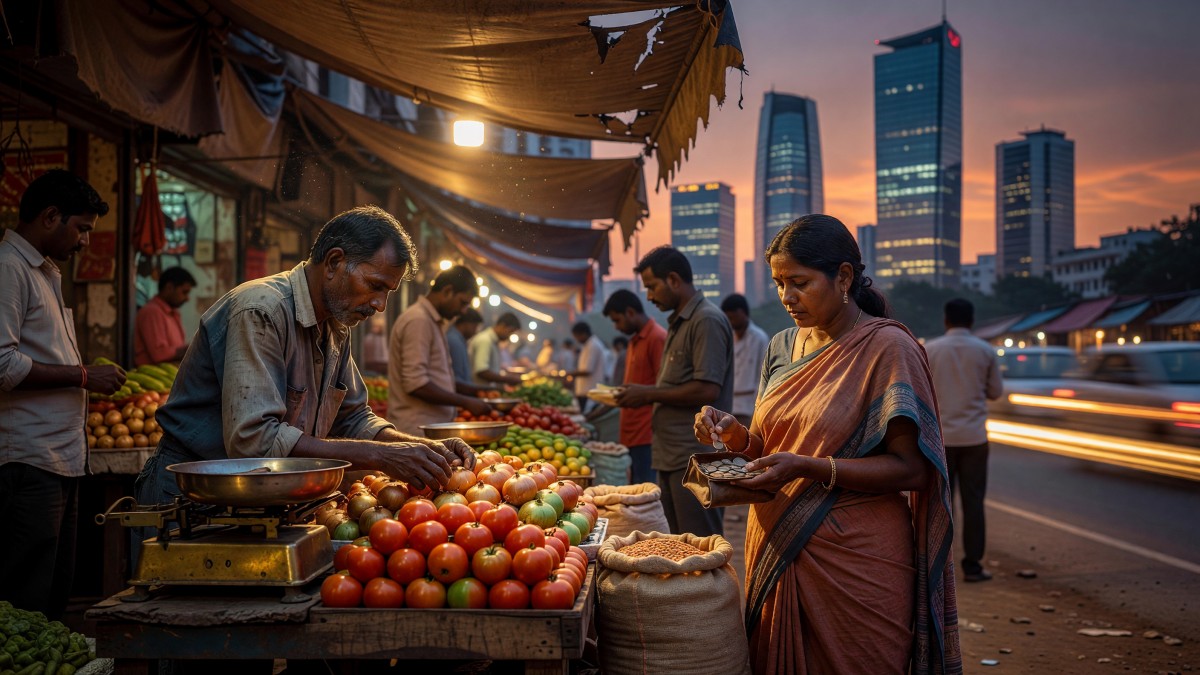
India’s latest inflation data shows a worrying divergence between overall price pressures and the cost of food, a staple that continues to dominate household budgets. Retail inflation rose to 6.09% in October, up from 5.54% in September, yet food inflation surged to 8.94% in the same month, outpacing the broader trend. The disparity is felt most acutely in rural areas, where food price growth reached 9.09%, compared with 8.68% in urban centres. This widening gap underscores the vulnerability of a nation whose food system remains heavily dependent on erratic monsoon rains and limited storage infrastructure.
Monsoon shortfalls and the climate‑driven supply crunch
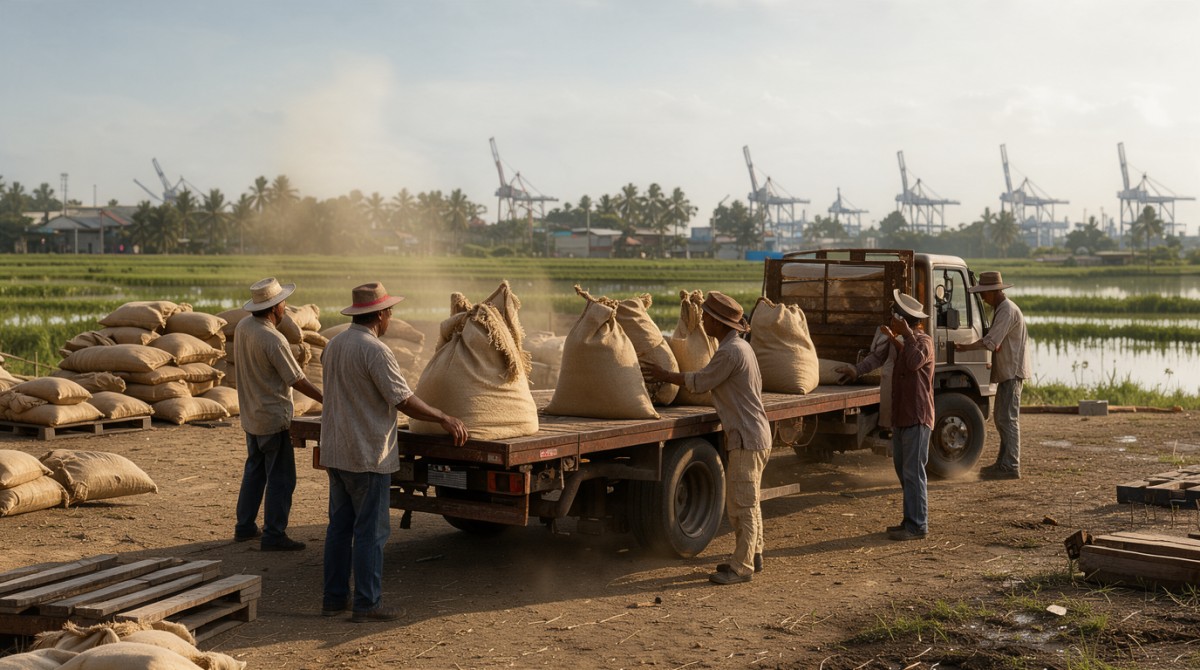
Nearly 60% of India’s cultivated land relies on rainfall, making the agricultural sector especially sensitive to monsoon performance. This year’s southwest monsoon fell 13% below normal and was unevenly distributed, a shortfall compounded by intensifying El Niño conditions. Economists note that such climate anomalies have translated into supply shortages across key commodities, feeding directly into the current surge in food prices.
The impact of the weak monsoon is evident in the price dynamics of staple grains and vegetables. Rice, a core component of the Indian diet, posted a year‑on‑year increase of about 10%, while pulses rose 8% and edible oil jumped 13%. Perishable items such as onions and tomatoes also saw sharp spikes, reflecting the seasonal volatility that characterises the country’s food market.
Household budgets under strain
A recent LocalCircles survey found that six in ten consumers report a rise of more than 20% in the cost of household essentials compared with a year ago. The same poll revealed that 74% of households are curbing discretionary spending on eating out, shopping and entertainment, while half are buying smaller quantities of essential items. These adjustments illustrate how food price pressure is crowding out non‑food consumption, even as the share of food in the consumer price index basket has fallen from 45.86% to 36.75%.
For low‑income families, the squeeze is particularly severe. According to calculations by Crisil chief economist Dharmakirti Joshi, the bottom 20% of rural households experienced an inflation rate of 6.9% in October, compared with 6.5% for the richest 20% of the same group. In urban areas, the gap was narrower but still present, with rates of 6.1% for the poorest quintile versus 5.3% for the richest. These figures highlight the regressive nature of food inflation, which disproportionately burdens those with the least capacity to absorb price shocks.
Cost of a basic meal: the thali effect
Analysis by Crisil’s Roti Rice Rate shows that the cost of a home‑cooked vegetarian thali rose 12% year‑on‑year in October, driven by higher prices for onions, tomatoes, vegetables, edible oil, rice and cooking gas. A non‑vegetarian thali was 9% more expensive. The rise in cooking gas (LPG) of about 10% further compounds household expenses, as many families rely on gas for daily cooking.
These increases are not limited to a few commodities. Pushan Sharma, director of intelligence at Crisil, observes that “it’s no longer a few commodities that are driving this increase, it’s becoming a little more broad‑based.” The breadth of the price rise means that even households that attempt to substitute away from the most volatile items, such as onions, find limited alternatives, as rice, pulses and cooking oil are harder to replace.
Structural weaknesses in the food supply chain
Beyond weather, the Indian food system suffers from chronic infrastructure gaps. Perishables like onions and tomatoes are especially prone to price spikes because of inadequate storage, grading and processing capacity. The rabi onion crop, which accounts for roughly two‑thirds of national production, is harvested in March and April and stored for several months; dwindling stocks can trigger sharp price hikes before the next harvest arrives.
Economists argue that better post‑harvest handling could smooth out these fluctuations. For example, surplus tomatoes could be processed into puree, reducing the swing between gluts and shortages. However, current limitations in sorting and storage mean that seasonal surpluses often translate into later price spikes for consumers, while farmers struggle to secure remunerative prices during peak harvest periods.
Policy responses and their limits
The government maintains a buffer of cereal stocks above prescribed minimum levels, and the public distribution system reaches nearly 800 million people, providing a safety net against rising prices. Rice stocks, in particular, are described as “comfortably above” required thresholds. Nevertheless, these measures address only the immediate impact on the poorest, leaving the broader economy exposed to the wage‑price spiral that can follow sustained food inflation.
Political sensitivities further complicate policy options. Food price spikes, especially in high‑visibility items like onions and tomatoes, can quickly trigger public unrest, prompting authorities to intervene through export restrictions, stock‑piling limits or other market controls. Such actions may provide short‑term relief but risk distorting market signals that are essential for long‑term supply stability.
Outlook: balancing growth, food security and inflation
India’s challenge is to reconcile the need for agricultural productivity with the imperative of price stability. The sector remains low‑productivity relative to other parts of the economy, and while minimum support prices aim to protect farmers, they can also influence market dynamics and fiscal pressures. As food continues to be the dominant driver of inflation, any persistent rise in staple prices threatens to spill over into broader price pressures, complicating the Reserve Bank of India’s mandate to keep overall inflation within target ranges.
In the near term, the combination of a below‑normal monsoon, El Niño‑related stress, and infrastructural bottlenecks suggests that food inflation will remain a key risk factor for household welfare and macroeconomic stability. Monitoring the evolution of input costs—fertiliser, edible‑oil imports, and energy—will be crucial, as will continued investment in storage and processing capacity to dampen the volatility that has become a hallmark of India’s food economy.
This article was produced with AI-assisted research and editorial support. Reporting is based on the source material cited below. Sources: BBC News Asia; bbc.co.uk; Global1.News (27 November 2026).
By Kenji Tanaka, Staff Writer
What's Your Reaction?
 Like
0
 Dislike
0
 Love
0
 Funny
0
 Wow
0
 Sad
0
 Angry
0

Japan Correspondent at Global1.News. Tokyo-based voice covering Japanese politics, technology, economy, and culture. Tracks the intersection of tradition and innovation in one of the world's most dynamic societies.













Comments (0)