
MND Local CDMX: Business crime falls as 799 bulldogs chase world record
Mexico City’s bustling streets are humming with a mix of optimism and change. From a noticeable dip in business‑related crime to a bold push for more inclusive public spaces, the capital is navigating a moment that feels both practical and symbolic.
Mexico City’s bustling streets are humming with a mix of optimism and change. From a noticeable dip in business‑related crime to a bold push for more inclusive public spaces, the capital is navigating a moment that feels both practical and symbolic. At the same time, a crowd of nearly 800 bulldogs gathered for a playful attempt at a Guinness World Record, while a new cultural corner in the Vasconos Library opens a window onto Azerbaijan’s heritage. Each of these threads, though distinct, reflects a city trying to balance safety, accessibility, community spirit and global curiosity.
Business crime drops sharply, offering relief to merchants
According to the latest National Survey of Victimization of Companies (ENVE) released by INEGI on November 10, businesses in Mexico City have suffered 35 percent fewer crimes than they did three years ago. Citizen Security Secretary Pablo Vázquez Camacho highlighted the trend on X, noting a 35.6 percent decline between 2023 and 2026, and an even steeper 58.9 percent reduction when the 2021 baseline is considered.
Camacho broke down the improvement by sector. Industry reported a 55.9 percent drop, services fell by 51 percent, and commerce saw a more modest 13.7 percent decline. Overall, the city’s business‑crime rate fell 2.2 percent compared with 2023 and 15.5 percent compared with 2021. The secretary emphasized that petty theft and fraud remain the most common offenses, while extortion no longer ranks among the main threats to enterprises.
Beyond the raw numbers, the financial impact on merchants is also easing. The average cost of crime per business has fallen 12 percent since 2023 and a striking 41 percent since 2021. Likewise, the share of firms that listed insecurity as a major concern dropped from 63.1 percent in 2023 to 51.9 percent in 2026. As Camacho summed up on X, “Fewer crimes, lower costs and a better perception among those who have decided to trust and invest in our city.”
Legislative push for all‑abilities restrooms
A bipartisan effort in the Mexico City Congress seeks to turn the city’s 2024 inclusive‑bathroom guidelines into enforceable law. Representative Olivia Garza de los Santos of the PAN and Representative Víctor Hugo Romo of Morena have each introduced complementary bills aimed at the Law of Commercial Establishments and the Law for the Integration of Persons with Disabilities.
Garza’s proposal would require commercial venues to install all‑abilities bathrooms equipped with sinks, toilets, soap and paper‑towel dispensers that are usable by people of short stature. In her own words, the current fixtures “are unsuitable for people in this population group,” creating a “double discrimination” that normalizes exclusion. The bill also calls for clear signage and design standards that respect dignity.
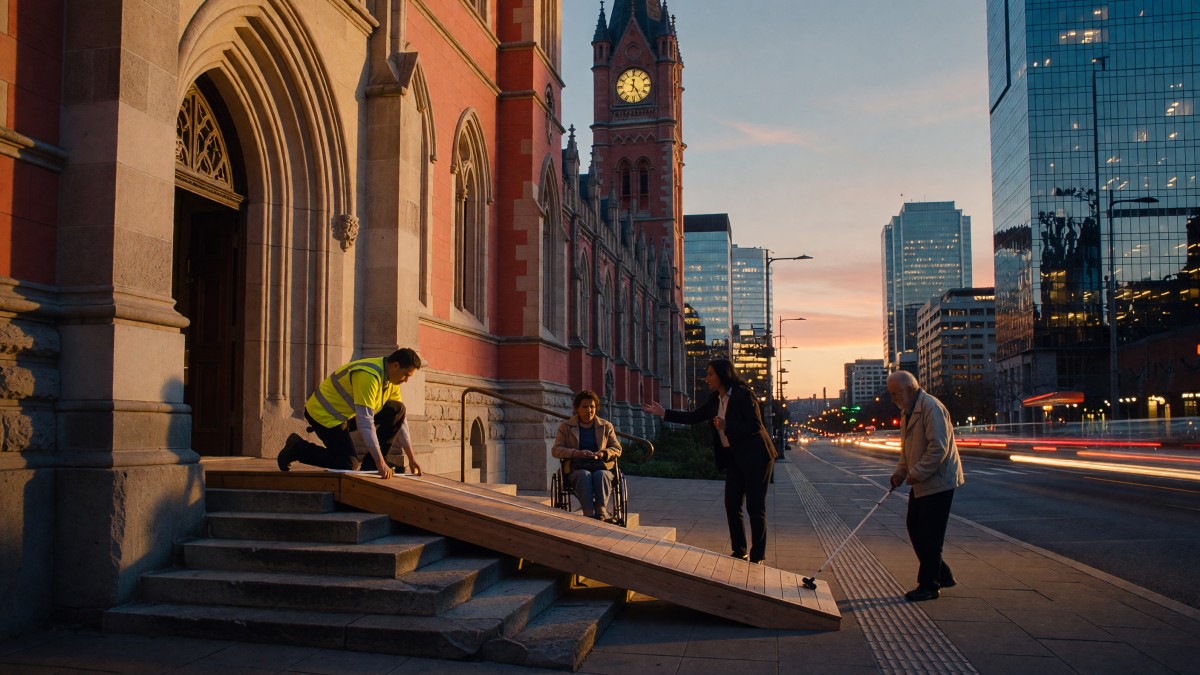
Romo’s amendment focuses on accessibility beyond the fixtures themselves. He wants all‑abilities restrooms to remain unlocked and free from storage use, and any ramps, elevators or pathways leading to them must stay unobstructed. Additionally, Romo proposes that civil‑protection programs adopt inclusive evacuation plans for public buildings, ensuring that people with mobility challenges can exit safely during emergencies.
The proposals were drafted in collaboration with a woman living with achondroplasia and a mother whose daughter uses a wheelchair, grounding the legislation in lived experience. If passed, the reforms would shift the city’s inclusive bathroom guidelines from recommendation to requirement, echoing broader efforts to make public life more accessible for all.
Bulldogs rally for a record‑breaking photo shoot
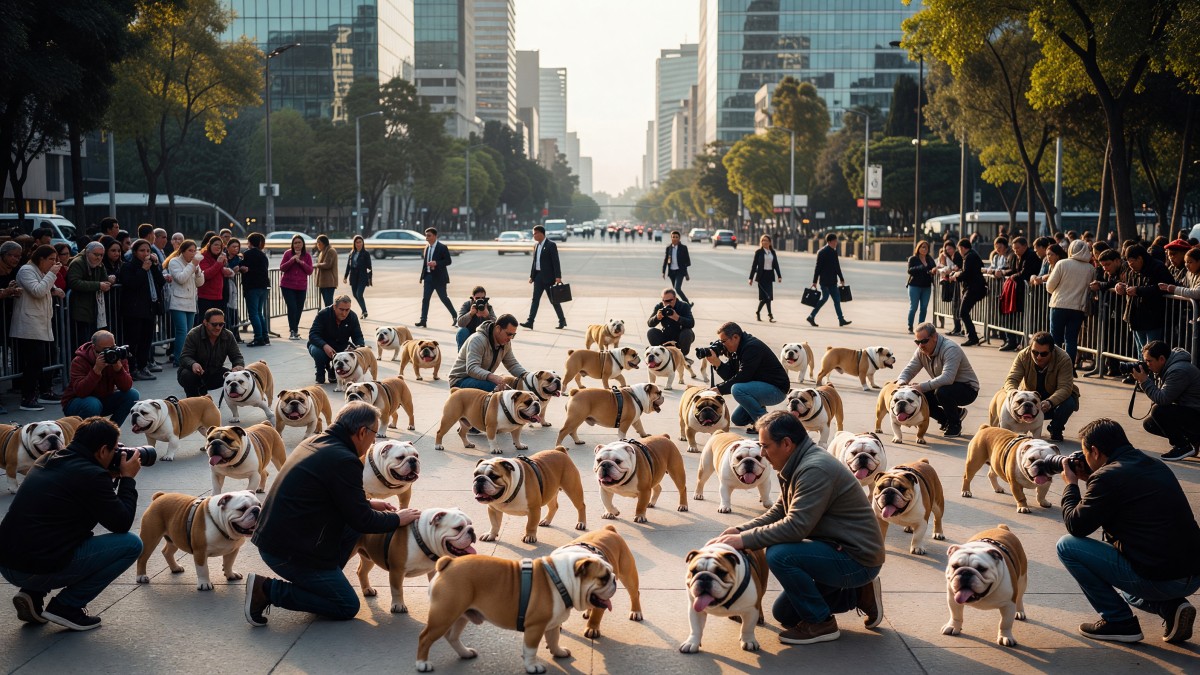
On Sunday, November 22, a sea of French and English bulldogs filled a park in Mexico City, each pup poised for a photo that could earn a place in the Guinness World Records. Organizers reported that 799 bulldogs arrived for the event, a number that would surpass the previous record of 710 dogs set by a Moscow gathering in 2019.
The Mexican assembly was distinct in its breed focus; only French and English bulldogs were invited, whereas the Moscow event welcomed any breed. Participants spent the day in photo sessions, playful activities and a final headcount that will be sent to Guinness for verification. While the outcome remains pending, the gathering illustrates how community groups in the capital can mobilize around light‑hearted causes, bringing together pet owners, volunteers and curious onlookers.
Azerbaijan’s culture finds a home in Vasconos Library
In a quieter but equally meaningful cultural exchange, the Vasconos Library has opened a permanent section dedicated to Azerbaijan. The initiative stems from a meeting between Azerbaijan’s ambassador to Mexico, Seymur Fataliyev, and library director Silvia Alexandre Prado, and was reported by AZERNEWS.
The new corner now shelves dozens of books covering Azerbaijani history, literature, natural heritage and contemporary thought. Prior to this partnership, the library held no titles exclusively about Azerbaijan, leaving a gap in its world‑culture collection. The addition not only enriches the library’s offerings but also signals a growing cultural dialogue between Mexico and the nation nestled north of Iran.
Officials from both sides have hinted at future joint events to deepen ties, suggesting that today’s bookshelf may soon be complemented by exhibitions, lectures or literary festivals that bring Azerbaijani voices to Mexican readers.
What the crime‑reduction data means for everyday workers
For the street vendors at a tianguis in the historic center, for the factory line workers in the industrial zones of Iztapalapa, and for the small‑business owners running tortillerías in the suburbs, the dip in business‑related crime translates into a calmer daily rhythm. When petty theft and fraud become less frequent, merchants can focus more on serving customers than on guarding inventory.
The reduction in perceived insecurity—from 63.1 percent to 51.9 percent—also suggests a shift in confidence. Workers who once feared that a robbery could cripple their livelihood now see a city that is gradually improving its safety net. This sentiment aligns with the broader narrative of a capital that, after years of challenges, is seeing tangible progress in public security.
Connecting accessibility reforms to community life
Imagine a mother with a wheelchair navigating a bustling mercado, or a teenager of short stature entering a cinema. The proposed bathroom reforms would turn those imagined scenarios into everyday reality. By mandating that commercial establishments keep all‑abilities restrooms unlocked and free of storage, the legislation acknowledges that accessibility is not a luxury but a basic right.
Beyond the bathroom itself, Romo’s call for clear evacuation routes could save lives in emergencies, from earthquakes to fires. In a city where seismic activity is a constant concern, ensuring that ramps and elevators remain unobstructed could mean the difference between safety and tragedy for people with mobility challenges.
Looking ahead: a city balancing safety, inclusion and culture
The stories emerging from Mexico City this November paint a portrait of a metropolis in transition. The measurable decline in business crime offers a foundation of stability for entrepreneurs and workers alike. Legislative efforts to embed accessibility into the built environment promise a more inclusive public sphere, while cultural projects—whether a playful bulldog gathering or a new Azerbaijani bookshelf—show a capital eager to engage with both its own communities and the wider world.
For families strolling through the streets of their colonia, for vendors setting up stalls at the morning market, and for pet owners snapping photos of their beloved bulldogs, these developments are not abstract policies but lived experiences. As the city continues to navigate challenges, the convergence of safety, dignity and cultural curiosity may well become the defining rhythm of Mexico City’s next chapter.
This article was produced with AI-assisted research and editorial support. Reporting is based on the source material cited below. Sources: Mexico News Daily; mexiconewsdaily.com; Global1.News (27 November 2026).
By Rosa Martinez, Staff Writer
What's Your Reaction?
 Like
0
 Dislike
0
 Love
0
 Funny
0
 Wow
0
 Sad
0
 Angry
0
Latin America/Andes Correspondent at Global1.News. Based in Bogota, covering politics, environment, energy, and social movements across the Andean region. Passionate about environmental journalism and communities protecting their land.













Comments (0)