
Duterte to enter plea on first day of trial
Former President Rodrigo Duterte, now 81, will step into the courtroom of the International Criminal Court (ICC) in The Hague on 30 November 2026 to enter his plea.
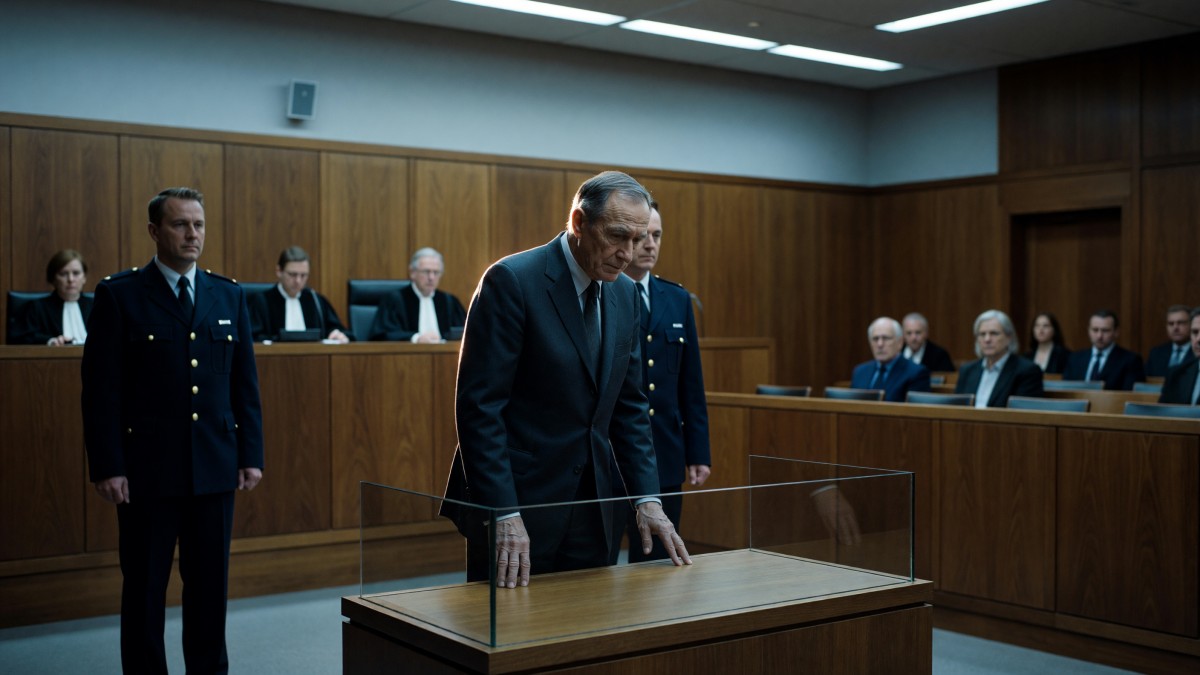
Former President Rodrigo Duterte, now 81, will step into the courtroom of the International Criminal Court (ICC) in The Hague on 30 November 2026 to enter his plea. The moment marks the first formal step in a landmark trial that could reshape how the Philippines confronts allegations of crimes against humanity. While the world watches, ordinary Filipinos—from barangay elders to sari‑sari store owners—ponder what the proceedings mean for justice, accountability and the nation’s standing on the global stage.
What the plea hearing entails
The trial will commence at 10 a.m. local time in The Hague, which translates to 5 p.m. here in Manila. On that day, the ICC Trial Chamber III will read the three counts of crimes against humanity against Duterte, summarising the 56 incidents that underlie each count rather than reciting each incident in detail. This practice, standard for the court, ensures the accused understands the nature of the charges while keeping the hearing concise.
After the charges are read, the Chamber will confirm that Duterte comprehends them and then give him the opportunity to plead guilty or not guilty, as stipulated in Article 65 of the ICC Statute. The decision will set the tone for the next phases of the trial, which include opening statements, witness testimonies and evidentiary presentations.
The charges and the alleged crimes
Duterte faces three counts of crimes against humanity, each anchored in a pattern of killings that prosecutors say constitute a “systematic” and “widespread” attack on civilian populations. The alleged offenses span three distinct periods: the so‑called Davao death squad activities while he was mayor or vice mayor of Davao City from 2013 to 2016; alleged murders of high‑value targets from 2016 to 2017; and alleged murders and attempted murders linked to barangay operations from 2016 to 2018.
To meet the threshold for crimes against humanity, the ICC prosecutor will present evidence on 56 separate incidents, involving roughly 85 murders and two attempted murders. The breadth of these allegations underscores the gravity of the case and the challenge of establishing a coordinated policy behind the killings.
Trial schedule and procedural safeguards
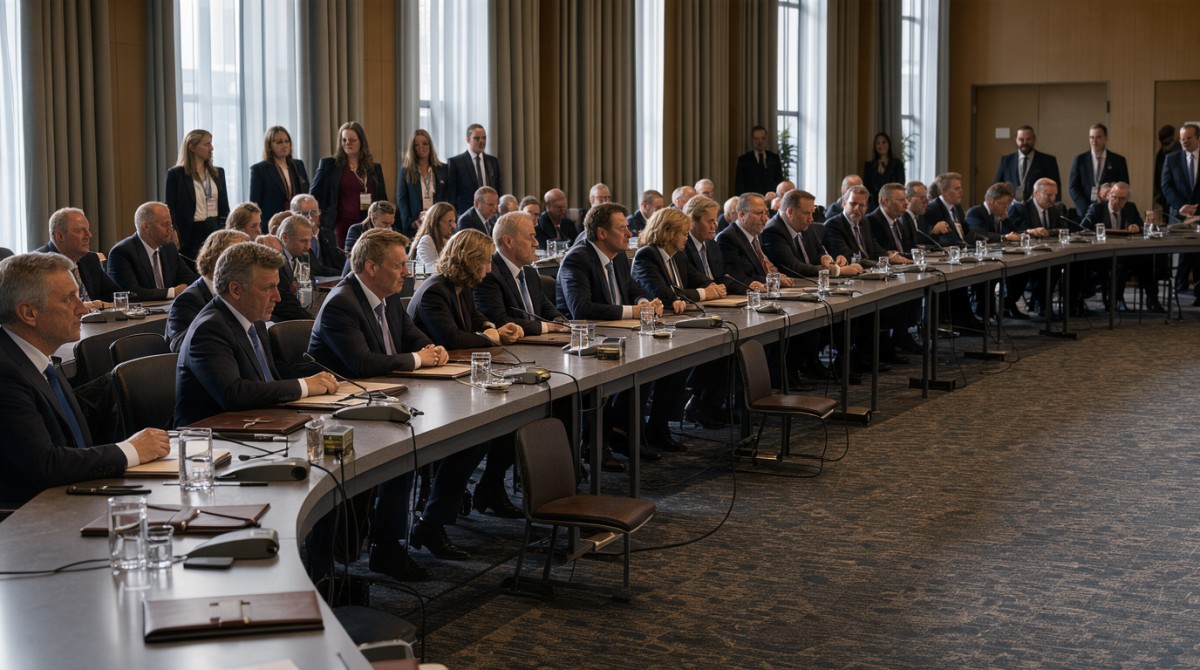
The ICC has designed a schedule that accommodates Duterte’s age and health. An independent panel of medical experts previously found him fit to stand trial, and the hearing calendar reflects a balance between thoroughness and practicality. Hearings will run Monday to Friday, with four daily slots: 10 a.m.–11 a.m., 11:30 a.m.–12:30 p.m., 1:30 p.m.–2:30 p.m., and 3 p.m.–4 p.m.
After the plea, opening statements will follow. The prosecution has allocated two hours and 15 minutes for its statement—shorter than the six hours initially allowed—while the victims’ representatives will have one hour and 15 minutes, and the defense will outline its case in the subsequent hour. The Chamber plans to call five prosecution witnesses, either in person or via video link, between 30 November and 15 December, before pausing for a break and resuming later in the year.
Live coverage and public access
Except for closed or private sessions, the trial will be livestreamed on the ICC website and other online platforms, with a 30‑minute broadcast delay. This transparency allows Filipinos to follow the proceedings in real time, fostering a sense of participation that echoes the communal spirit of bayanihan. For many, watching the trial is not just about legal drama; it is about witnessing a potential reckoning for a chapter of recent history that still haunts many barangays across the archipelago.
The live feed also serves as a safeguard against misinformation. In a country where social media can amplify rumors, the ICC’s direct broadcast offers a reliable source for journalists, NGOs and ordinary citizens seeking factual updates.
Political ripples at home
The trial has already sparked political maneuvering in Manila. Senators Imee Marcos and Robinhood Padilla filed a resolution urging the Marcos administration to halt all cooperation with the ICC, secure Duterte’s release and repatriation, and stop efforts to enforce a reported arrest warrant against Senator Ronald dela Rosa. Their appeal leans on the Philippines’ formal withdrawal from the Rome Statute, which took effect on 17 March 2019, and a recent joint Heads of State Declaration dated 19 November 2026, signed by the United States, Russia and China.
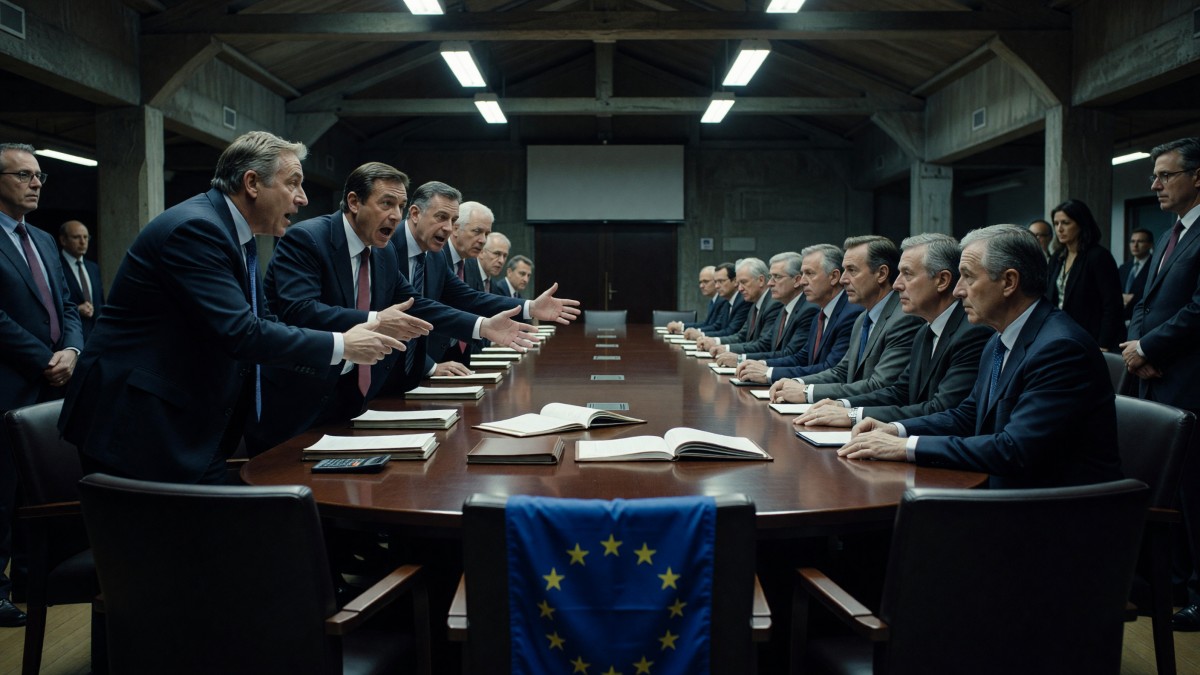
The declaration emphasizes “state consent” and the “immunities of state officials,” arguing that the ICC and similar bodies must not overstep their jurisdiction. While the resolution reflects a push for sovereign protection, it also underscores the tension between international accountability mechanisms and national political interests—a tension that Filipinos have felt keenly in past debates over foreign interventions and domestic sovereignty.
Human impact and the voice of victims
Beyond the legal intricacies, the trial brings to the fore the lived experiences of victims and their families. Monica Juma, executive director of the United Nations Office on Drugs and Crime, highlighted a UNODC‑UNDP‑UN Office joint study showing that more than half of violence victims never report their situations to police or other authorities. In the Philippines, where many communities rely on barangay officials and local police for protection, this under‑reporting can leave survivors isolated.
Juma stressed that victims must receive assistance, protection and effective remedies, regardless of their social position. For Filipinos, this message resonates deeply: whether in a remote barangay in Mindanao or a bustling market in Manila, the promise of justice hinges on the state’s ability to listen to and protect those most vulnerable.
What the outcome could mean for the Philippines
The ICC trial’s verdict—whether a conviction, acquittal or dismissal—will reverberate across the nation’s legal and political landscape. A conviction could set a precedent for holding former leaders accountable for alleged human rights abuses, potentially influencing future administrations’ approaches to law‑enforcement and counter‑insurgency. Conversely, an acquittal might reinforce narratives of political immunity and embolden officials to dismiss international scrutiny.
For ordinary Filipinos, the stakes are personal. The trial’s visibility may encourage more victims to come forward, knowing that their stories can reach an international forum. It could also spur local reforms, prompting agencies like the Philippine National Police and the Department of Justice to strengthen mechanisms for documenting and investigating alleged abuses. In the spirit of bayanihan, the collective hope is that the process—regardless of its legal outcome—will advance a culture of accountability that protects the rights of every Filipino, from the jeepney driver in Quezon City to the fisherfolk in the Visayas.
This article was produced with AI-assisted research and editorial support. Reporting is based on the source material cited below. Sources: Philstar.com; Global1.News (28 November 2026).
By Bella Reyes, Staff Writer
What's Your Reaction?
 Like
0
 Dislike
0
 Love
0
 Funny
0
 Wow
0
 Sad
0
 Angry
0

Philippines/Southeast Asia Correspondent at Global1.News. Manila-based journalist covering Philippine politics, environment, maritime security, and social issues. Passionate about marine conservation and the communities protecting the Philippines' natural heritage.









Comments (0)