
UN rights chief urges Costa Rica to allow entry to Palestinian territories rapporteur
On 27 November 2026, the United Nations High Commissioner for Human Rights, Volker Turk, publicly challenged Costa Rica’s decision to bar Francesca Albanese, the UN special rapporteur on the occupied Palestinian territory, from entering the country.
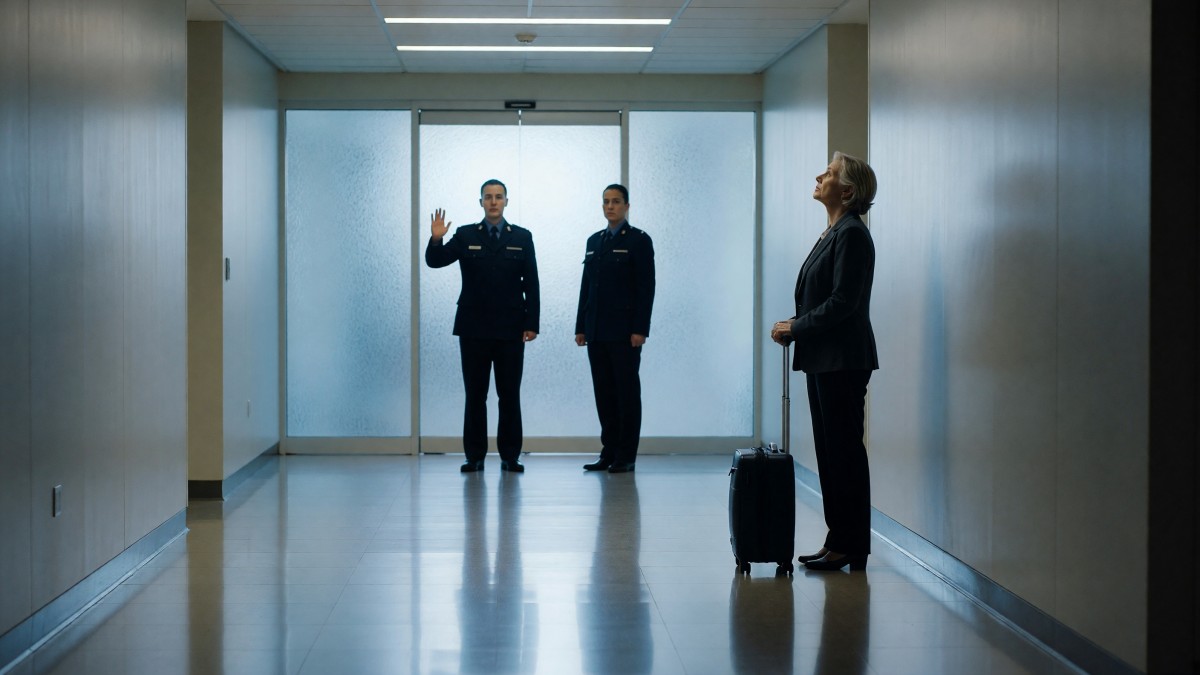
On 27 November 2026, the United Nations High Commissioner for Human Rights, Volker Turk, publicly challenged Costa Rica’s decision to bar Francesca Albanese, the UN special rapporteur on the occupied Palestinian territory, from entering the country. The incident, which unfolded amid a series of diplomatic tensions surrounding Albanese’s work, highlights the fragile balance between national security claims and the universal right to freedom of movement for UN officials tasked with monitoring human‑rights violations.
Background to the denial
Albanese, an Italian legal scholar appointed by the UN Human Rights Council in 2022, was scheduled to travel to Costa Rica after receiving an invitation from the University of Costa Rica to accept an honorary doctorate. Her mission, like that of other UN rapporteurs, was to gather information and raise awareness about the conditions faced by Palestinians living under occupation.
According to Costa Rican immigration authorities, the entry denial was justified on “national security grounds,” citing an alleged international alert that linked Albanese to terrorist acts. The alert, however, was not identified, and Immigration Director Omer Badilla did not provide any evidence to substantiate the claim. This lack of transparency has raised serious concerns about the procedural fairness of the decision.
UN High Commissioner’s response
Volker Turk, speaking from a press briefing in Geneva on 10 December 2025, expressed deep concern over Costa Rica’s refusal to admit Albanese. He framed the decision as “difficult to reconcile with Costa Rica’s longstanding commitment to human rights,” emphasizing that the country’s reputation for upholding civil liberties was at stake.
Turk used the UN’s official X account to call on Costa Rican authorities to reverse the denial, arguing that the alleged security alert could not outweigh the fundamental right of a UN expert to carry out her mandate. He reiterated a broader UN position that experts should be free from punitive measures that hinder their work, a stance he previously voiced when urging Washington to lift sanctions imposed on Albanese.
Legal challenges within Costa Rica
In response to the entry ban, Albanese’s legal team filed a habeas corpus petition, seeking judicial protection against what they described as an unlawful restriction of movement. The Costa Rican Constitutional Court issued an interim order preventing authorities from forcibly removing Albanese while the petition is considered. This judicial intervention reflects the tension between executive security decisions and the judiciary’s role in safeguarding individual rights.
The court’s interim order does not guarantee Albanese’s entry but does signal that Costa Rica’s own legal framework is being invoked to question the legitimacy of the security alert. The outcome of the habeas corpus petition will likely set a precedent for how future security-based travel bans on UN officials are handled in the country.
International context of sanctions
The controversy cannot be isolated from the broader geopolitical pressures surrounding Albanese’s work. In July 2025, the United States imposed sanctions on her, citing her involvement with the International Criminal Court’s investigations into alleged violations by US and Israeli officials. The sanctions, which Turk previously urged Washington to reverse, illustrate how diplomatic disputes can spill over into personal restrictions on UN experts.
Turk’s appeal to the United States highlighted a principle that UN experts must be able to perform their duties without fear of punitive measures. The sanctions, combined with the Costa Rican entry denial, create a layered set of obstacles that impede Albanese’s ability to fulfill her mandate, raising questions about the politicisation of human‑rights monitoring.
Human‑rights implications
The denial of entry to a UN special rapporteur carries symbolic weight. It sends a message that security concerns can be invoked to silence voices documenting alleged violations in occupied territories. For Palestinians living under occupation, the presence of international observers can be a vital conduit for bringing their plight to global attention.
When access is blocked, the human cost escalates: victims lose a platform for their stories, and the international community is deprived of independent verification of alleged abuses. The episode underscores the importance of safeguarding the mobility of UN experts as a cornerstone of the human‑rights architecture.
Reactions from civil society
Human‑rights organisations and academic circles have expressed alarm at the Costa Rican decision. While the source material does not detail specific statements, the broader pattern of criticism suggests that civil society views the entry ban as a troubling precedent. The University of Costa Rica’s invitation, now marred by the controversy, reflects an institutional willingness to engage with the issue of Palestinian rights, a stance that may be jeopardised by the government’s security rationale.
Albanese herself rejected the allegations linking her to terrorism and called on Costa Rican authorities to either provide concrete evidence or retract the claims. This demand for transparency aligns with international legal standards that require any restriction on movement to be based on clear, verifiable evidence.
Looking ahead
The resolution of Albanese’s habeas corpus petition will be a key indicator of how Costa Rica balances security concerns with its human‑rights commitments. A court ruling that favours the entry of the rapporteur could reaffirm the country’s dedication to international law and the protection of human‑rights defenders. Conversely, a decision that upholds the denial without substantive evidence could embolden other states to adopt similar security pretexts against UN experts.
For the UN, the episode reinforces the need to negotiate clear protocols that protect the mobility of its officials, especially when they operate in politically sensitive environments. As Turk continues to advocate for the reversal of sanctions and the lifting of travel bans, the international community will be watching closely to see whether principles of human rights can prevail over unsubstantiated security claims.
This article was produced with AI-assisted research and editorial support. Reporting is based on the source material cited below. Sources: Middle East Monitor; middleeastmonitor.com; Global1.News (27 November 2026).
By Fatima Al-Rashid, Staff Writer
What's Your Reaction?
 Like
0
 Dislike
0
 Love
0
 Funny
0
 Wow
0
 Sad
0
 Angry
0

Gulf/MENA Correspondent at Global1.News. Based in Doha, covering Gulf politics, energy markets, diplomacy, and development across the Middle East and North Africa. Tracks the economic transformation of the Gulf states.












Comments (0)