
Bailey Warns Lenders Will Pass the £1.5bn Bank Tax to Borrowers
Bank of England governor Andrew Bailey says lenders will likely pass the £1.5bn bank surcharge on to customers, as the Bank's November stability report puts 6.5 million owner-occupier mortgages on course for payment rises averaging £100 a month.
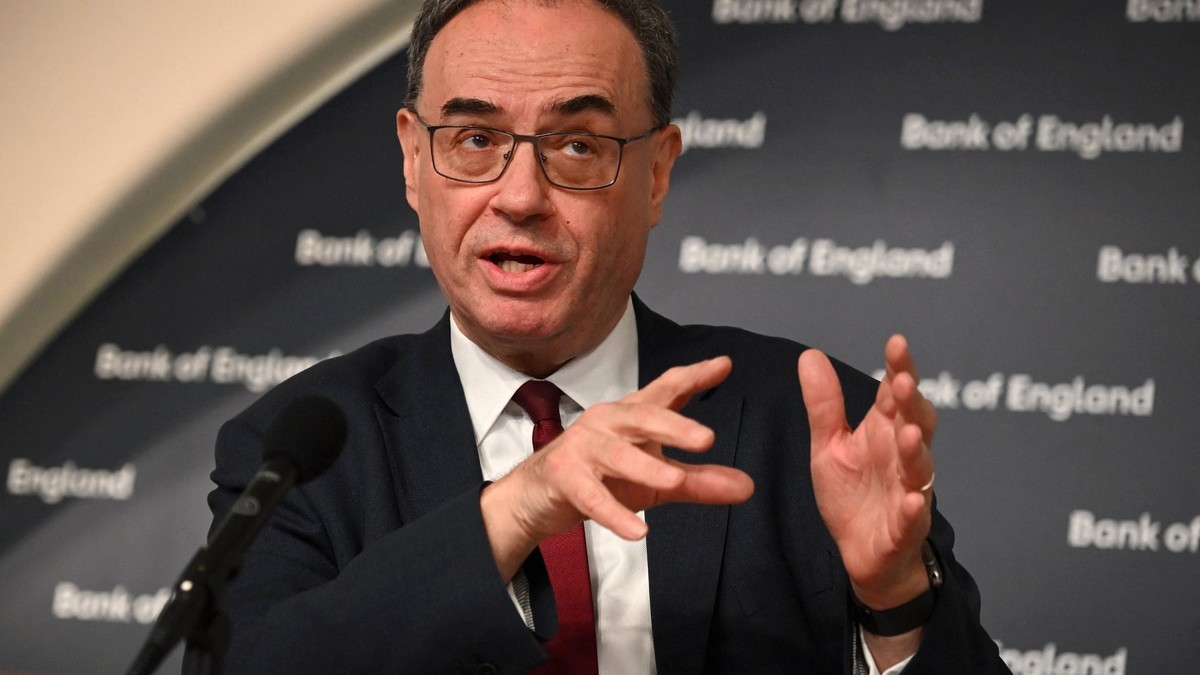
Andrew Bailey has a message for anyone who hoped the bank tax would stay on the banks: it probably will not. The Bank of England governor says lenders will likely try to pass the £1.5bn surcharge straight to borrowers, and the mortgage resets already in the pipeline are not small. Here is what matters.
Bailey Warns Lenders Will Pass the £1.5bn Bank Tax to Borrowers
London — The warning lands the same week the Bank's November Financial Stability Report put around 6.5 million owner-occupier mortgages on course for higher payments by the end of 2029. The average increase: about £100 a month. The tax that may chase it: a doubled surcharge on bank profits, live from January.
What Bailey Actually Said
Bailey did not hedge much. Asked about the doubled surcharge, he told The Times it was a straightforward commercial call: "It's a market economy, so these are decisions banks will have to take." Then the part homeowners should hear twice: "You could understand that they will look to pass it on because they will be targeting a rate of return."
He did not promise it would stick. "Now, how successful they will be depends on all sorts of things: market conditions, competition within the industry and so on. It wouldn't be surprising to find out that they will start by trying to do that."
That is the governor of the Bank of England saying, on the record, that the first move from lenders will likely be to protect their margins. Not a forecast of a crisis. A forecast of pricing. His remarks were reported on 27 November.
The £1.5bn That Comes Back Around
Here is the mechanism. Chancellor John Healey's Budget doubles the banking corporation tax surcharge from 3 percent to 6 percent, taking effect in January. The government says it raises an extra £1.5bn for cost-of-living support, and Healey framed it as asking "a bit more of our banks to support ordinary people." It is temporary: 15 months, expiring automatically in April 2028. It was also less severe than the 8 percent rate the industry feared.
None of that changes the arithmetic inside a lender. Dr Valentin Boboc, chief economist at the Institute of Economic Affairs, said Bailey was right to highlight what the IEA has long warned: "businesses may pay taxes, but people ultimately bear the cost." He added: "Higher taxes on banks risk higher borrowing costs for households and businesses and lower returns for savers." Sir Mel Stride, a former shadow chancellor, said the governor had said out loud what everyone already knew: "Bank taxes are not paid by faceless institutions. They fall on ordinary people through dearer mortgages, tighter lending to small businesses and poorer rates for savers."
Six and a Half Million Mortgages
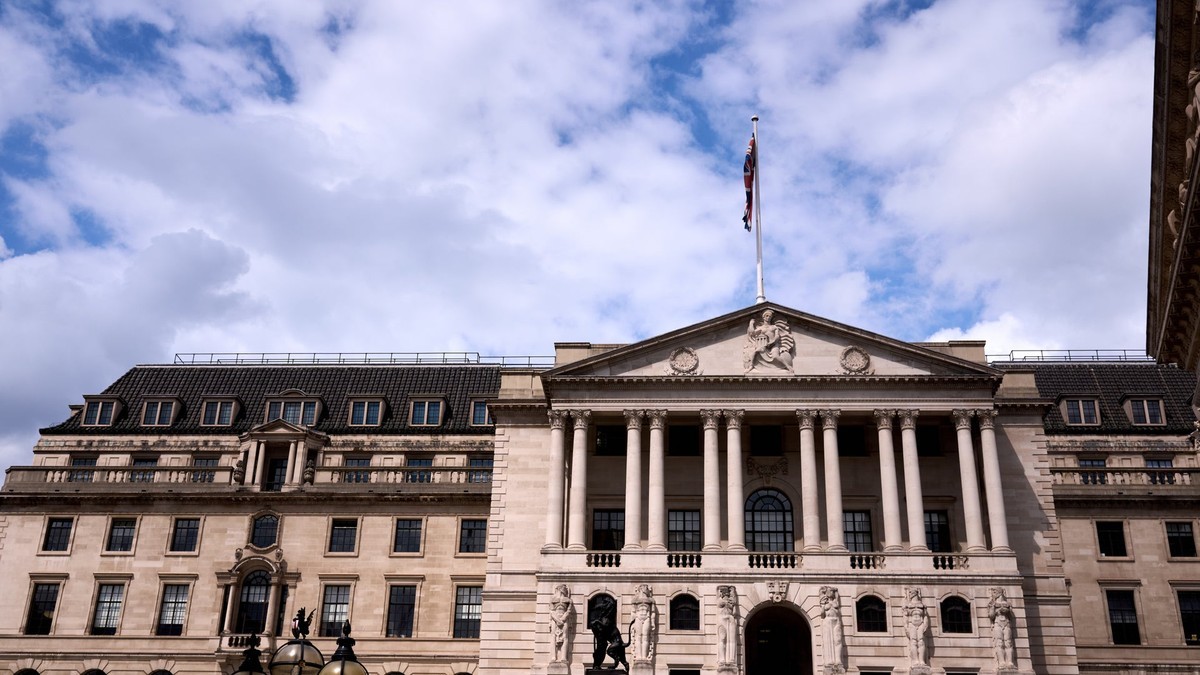
The Bank's November report does the counting. Of roughly 9 million owner-occupier mortgages outstanding, around 7 million are projected to refinance between June 2026 and December 2029. Of those, around 6.5 million are projected to see payments rise, against around 6 million in July. Around 350,000 are projected to see payments fall.
The average monthly increase is about £100, the BBC reported, more than double the £45-a-month rise the Bank estimated in July. Note the scale properly. The report says that of the 6.5 million projected to see a rise, "the vast majority of borrowers have already refinanced at rates materially above those available before 2022."
The £100 average is also half the rise experienced by those who refinanced during 2023 and 2024, which is the one number in the report that cuts in the borrower's favor. The Independent put the potential annual cost for the worst-hit group as high as £6,000.
The Million Deals Below Three Percent
The sharper edge sits in a smaller group. About one million homeowners are on mortgage rates below 3 percent and are due to refinance by the end of next year. They face an average increase of nearly £200 a month when they remortgage onto an average 5.5 percent rate, ITV News reported.
That is the cliff-edge cohort: people who fixed cheap and now reprice into a market where the average two-year deal was 5.99 percent on Thursday and the average five-year deal 6 percent, according to the financial information service Moneyfacts.
Analysts have described the situation as "brutal" for homeowners coming to the end of their fixed deals. The Bank's own framing is calmer than the headlines. Pressures are building, it says, but "current signs of distress remain limited."
Where the Squeeze Is Sharpest
The distribution matters more than the average. About 430,000 households can expect payments to rise by more than £500 a month over the next three years, ITV News reported, while The Independent put that group at 400,000. Either way, it is where the squeeze bites.
The BBC's case study is Dawn Fazackerley-King, a Pilates instructor and mother of two who lives near Ipswich. She took out a five-year fix at 1.4 percent in January 2022. She is about to refix for two years, and the best deal she can find is 5.69 percent, pushing her costs up by about £200 a month.
The Bank is explicit that the pain is uneven. "Higher essential spending and borrowing costs are placing greater pressure on some households including low-income households and renters." Lower-income households "have less room to adjust because they spend a larger share of their income on energy, food and other essentials."
Rates That Are Not Coming Down
The backdrop is not cooperating. In early November the Monetary Policy Committee voted 8–1 to raise Bank Rate by a quarter point to 4 percent — the first increase in more than three years. One member wanted half a point.
Benchmark two-year mortgage rates had already risen by nearly 50 basis points since the start of September. Since July, the average two-year fix is up 47 basis points to 5.39 percent at 75 percent loan-to-value, and up 28 basis points to 5.6 percent at 95 percent loan-to-value, according to Landlord Knowledge's reading of the report. Those are narrower loan-to-value bands than the headline average, and both sets of figures are as published.
Policymakers have cautioned they may have to raise rates further in the coming months if energy prices stay elevated. The Bank projects CPI inflation reaching 4.9 percent by mid-2027 and would be some 25 basis points higher absent the Budget measures. Nobody setting a mortgage budget should assume the reset has peaked.
The Renter at the Other End
Renters sit in the same report, and often in worse shape. The Bank notes most mortgagors have savings buffers, but lower-income households, including renters, have less room to adjust because they spend a larger share of income on energy, food and other essentials.
The timing is unforgiving. Ofgem's energy price cap jumps 26 percent for the typical household using gas and electricity in January, ITV News reported.
Savills puts the history in numbers: mainstream rents are up 25.9 percent over five years, adding £2,640 a year to the average bill. Emily Williams, its director of research, said: "That means tenants are likely to continue facing intense competition for available homes, keeping upward pressure on rents." Savills forecasts UK rents climbing 15.1 percent over the five years to 2031 and London rents 15.9 percent. The rent-to-income ratio is 32 percent across the UK and 37 percent in London, down from peaks two years ago.
The Landlord Math That Pushes Rents Up
Landlords are not in the Bank's owner-occupier count, but the same reset mechanics apply to fixed-rate landlord loans written before rates moved. The tax math is separate, and ugly.
IMLA analysis published on 11 November found a higher-rate landlord with a £100,000 salary would face tax equal to 124 percent of rental profit from 2027/28. On an illustrative £250,000 property with a £150,000 interest-only mortgage, a higher-rate taxpayer pays roughly 74 percent of profit in tax; an additional-rate taxpayer around 86 percent; between £100,000 and £125,140, where the personal allowance is withdrawn, the effective rate can exceed 100 percent.
Pegasus Insight's snap poll of 168 NRLA members found 73 percent expected the tax changes to lead to higher rents when next permitted to raise them, and more than half are considering selling some or all of their properties. The NRLA's first Private Rented Sector Cost Index, also published this week, found letting costs rose 43 percent between 2015 and 2025, or nearly 50 percent once Section 24 is included.
What the Banks Say About Paying

Lenders are not lining up to say they will absorb it. Lloyds Banking Group's chief financial officer, William Chalmers, warned last month the move was "unhelpful" to UK economic growth and urged the government to keep it temporary. He said reducing the cost of lending mattered "in order for the economy to grow."
City analysts have warned lenders may recover the bill through pricier mortgages and loans, or by holding back rises on savings accounts.
Daisy Cooper, the Lib Dem Treasury spokesperson, said big banks had raked in a billion pounds a week this year and can "more than stomach paying their fair share."
Bailey's counterweight is the arrears data. "We have not seen the scale of mortgage arrears that we saw if you go back to earlier periods, the early 90s, the early 80s, actually even the financial crisis," he said. "And we are not seeing the scale of house repossessions, and that has to be a good thing." Around 0.8 percent of mortgages were more than 2.5 percent in arrears on the outstanding balance.
What to Watch in January
Three things land in the same month. The 6 percent surcharge takes effect in January. The energy price cap rises 26 percent for a typical household in January. And the mortgage resets keep rolling.
Watch the pricing, not the press releases. If lenders pass the surcharge through, it shows up first in new-business rates and in savings rates quietly held down, not in a statement. Watch whether the 15-month design holds, and whether Lloyds gets the guarantee it has asked for that the levy stays temporary.
Watch arrears at 0.8 percent: contained, but the number to track. Watch the capital side too. The same report completed a review that would reduce Tier 1 requirements for major UK banks by around 50 basis points of risk-weighted assets in normal times, with the countercyclical buffer held at 2 percent. The Bank says that frees up capacity to lend. Whether it frees up cheaper lending is the question January will start to answer.
By Jessica Ali, Staff Writer
This article was produced with AI-assisted research and editorial support. Sources: BBC News, ITV News, The Independent, the Press Association, the Bank of England, Savills, the Intermediary Mortgage Lenders Association, the National Residential Landlords Association and Yahoo News UK. Photographs: Reuters, PA Images and The Independent.
What's Your Reaction?
 Like
0
 Dislike
0
 Love
0
 Funny
0
 Wow
0
 Sad
0
 Angry
0

Editor-in-Chief at Global1.News. Atlanta-based journalist who cuts through the BS and tells it like it is. Lead anchor, host, and the voice you hear when the spin stops and the truth starts.















Comments (0)