
The Dark Side of UK's Seaside Towns: Burnham's High Street Fightback
The postcard images of bucket-and-spade holidays, of candy floss and donkey rides, have long been a staple of the British summer. But for millions living in our coastal communities, the reality is a far grimmer tableau of boarded-up shopfronts, proliferating vape stores, and a creeping sense of abandonment.
The postcard images of bucket-and-spade holidays, of candy floss and donkey rides, have long been a staple of the British summer. But for millions living in our coastal communities, the reality is a far grimmer tableau of boarded-up shopfronts, proliferating vape stores, and a creeping sense of abandonment. As Channel 4 News's 'Home Truths' investigation lays bare the underbelly of Devon's most famous resorts, Prime Minister Andy Burnham has finally signalled a legislative fightback, promising to hand power back to the very communities who have watched their high streets be "hollowed out" for a generation.
Home Truths: The Dark Side of the Seaside, and the Prime Minister's Fightback
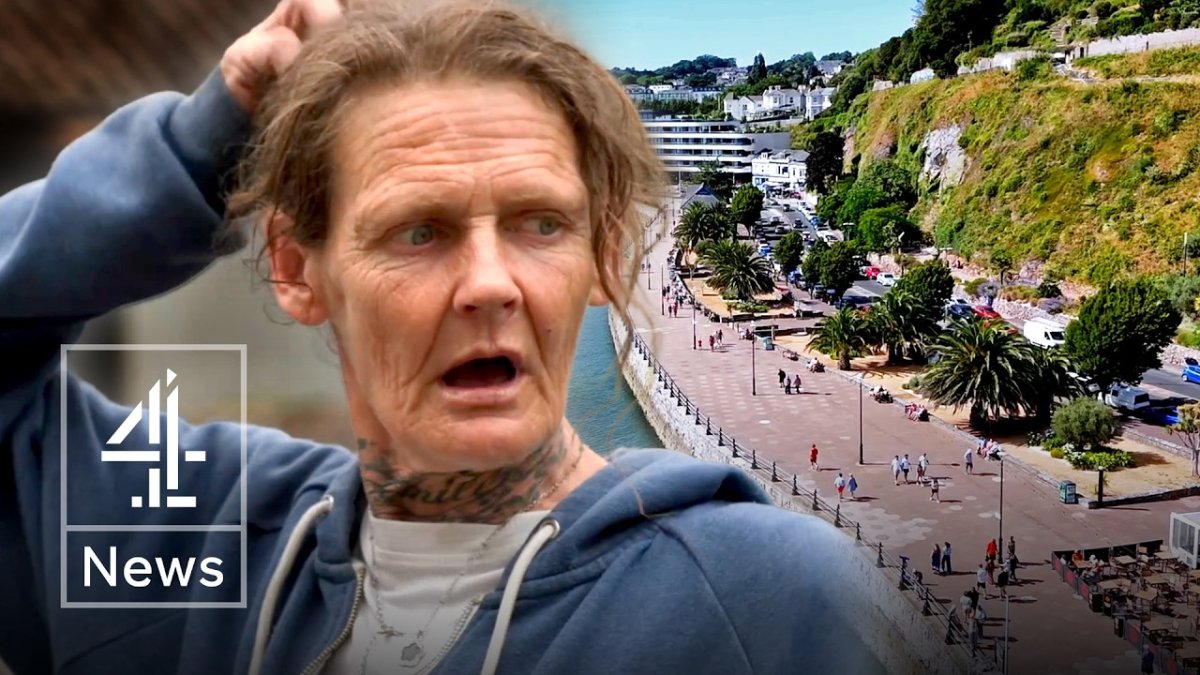
London, UK - 12 August 2026 — The British seaside town is a national institution, a fixture of our cultural memory and a vital economic engine for the regions it anchors. Yet, as a devastating new investigation by Channel 4 News reveals, many of these picturesque harbours and sweeping promenades are masking a crisis of poverty, addiction, and organised crime. The report, aired on 11 August 2026 as part of the 'Home Truths' series, focuses on the sharp decline of Torquay and Ilfracombe in Devon, painting a picture of high streets that have become "no go" zones for some residents. It lands at a pivotal moment, with Prime Minister Andy Burnham's administration preparing to scrap the controversial "aim to permit" planning rule in a bid to reverse the rot.
The investigation, fronted by reporter Joe Johnson, does not pull its punches. It charts the transformation of Torquay's Union Street, once a bustling retail artery anchored by a landmark Woolworth's, into a ghostly parade of shuttered units. The 10,000 sq ft H&M store that replaced the Woolworth's now sits boarded up and up for rent, a monument to the collapse of anchor retail. Local shopkeepers speak with a weary resignation, telling the programme that the town is "not a nice place to open a shop" anymore. The sentiment is echoed further up the North Devon coast in Ilfracombe, where the town council has formally declared the situation "intolerable," penning a desperate plea to the Devon and Cornwall Police and Crime Commissioner in May 2026 for more officers on the beat.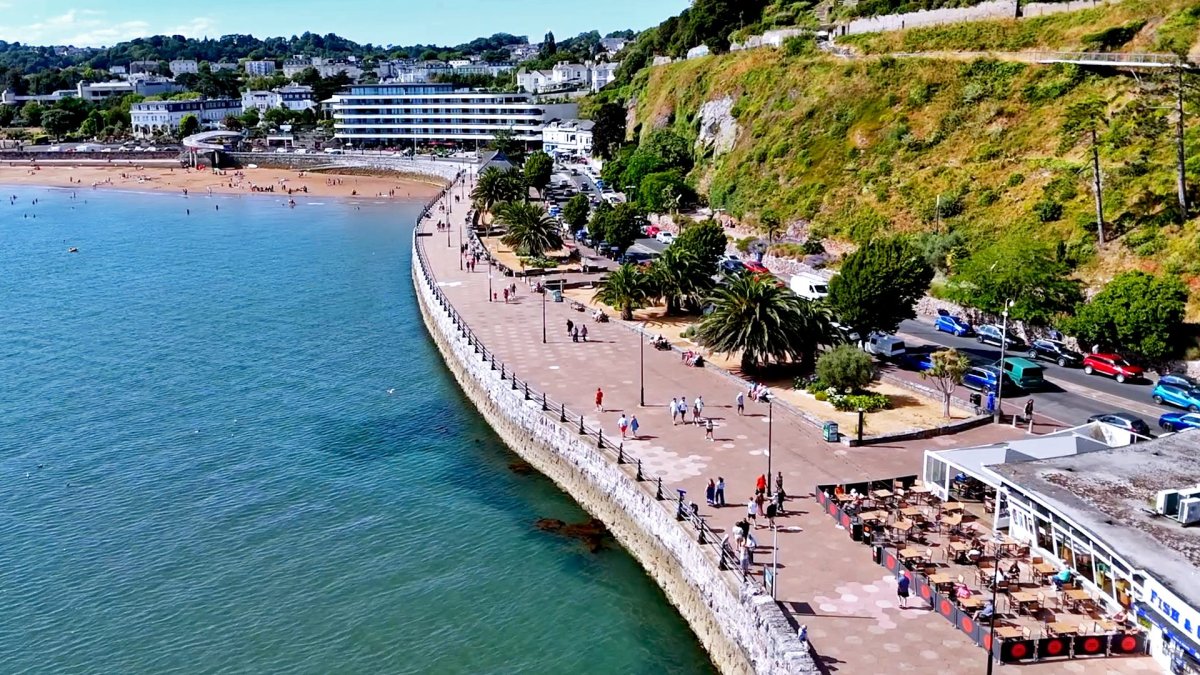
The Anatomy of a Hollowed-Out Economy
The decline of the British seaside is not a sudden catastrophe but a slow, generational bleed. The rise of cheap package holidays to the Mediterranean in the 1970s and 80s dealt a body blow to the domestic tourism industry, a blow from which many towns never recovered. The subsequent loss of anchor retailers like Woolworths and BHS, coupled with the rise of out-of-town retail parks and online shopping, stripped the economic lifeblood from these communities. What remains is often a fragile ecosystem of charity shops, pound stores, and, increasingly, vape shops.
But the 'Home Truths' investigation suggests the problem is no longer merely economic. It has delved into the dark underbelly developing in some seaside areas, specifically highlighting a disturbing link between the proliferation of high street vape shops, organised crime, and child exploitation. The programme's findings suggest that these seemingly innocuous storefronts can sometimes serve as fronts for illicit activity, drawing vulnerable young people into county lines networks and exploitation. This is not a problem confined to Devon; it is a national scandal playing out from Margate to Blackpool, from Hastings to Skegness, where isolation and deprivation have created fertile ground for criminal gangs.
Ilfracombe: A Town at Breaking Point
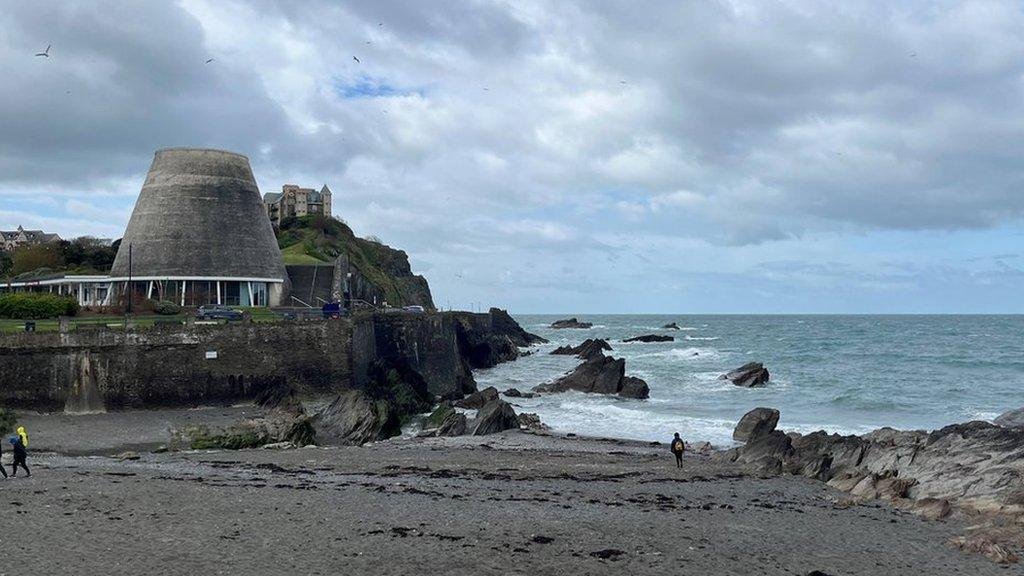
Nowhere is the desperation more palpable than in Ilfracombe, a town of roughly 11,000 souls clinging to the rugged North Devon coastline. Behind the picturesque seafront, with its Victorian promenade and the iconic Verity statue, lies a reality of poverty, drug crime, and boarded-up shops, as documented by local reporting from Devon Live in May 2026. The town's high street has become a flashpoint, with drug incidents surging and anti-social behaviour rising to levels that have made some residents afraid to walk its streets.
The Ilfracombe Town Council's letter to the Police and Crime Commissioner in May was a cry for help, warning that the situation was becoming "intolerable" and demanding a visible police presence. The frustration is compounded by a sense of national neglect. In a particularly galling episode, Ilfracombe missed out on a £24m Levelling Up fund award, a decision that a government source defended with a chillingly dismissive rationale: "The risk being that if you give Ilfracombe £24m, Blackpool would want £240m and Skegness would want £35m the following day." This leaked comment encapsulates the systemic failure to address the structural inequalities facing coastal communities, treating their needs as a financial burden rather than a national priority.
Burnham's Pledge: Scrapping the "Aim to Permit" Doctrine
It is against this backdrop of despair that Prime Minister Andy Burnham has chosen to act. On 10 August 2026, his government announced a sweeping overhaul of the planning system, specifically targeting the "aim to permit" rule introduced under Sir Tony Blair. This rule, which has long been criticised by local communities, effectively ties the hands of councils, forcing them to approve new commercial developments unless there are very strong reasons for refusal. In practice, it has made it nearly impossible for local authorities to block the proliferation of bookmakers, vape shops, and 24-hour slot machine venues that have come to define the new face of the struggling high street.
Burnham, who has been Prime Minister since July 2026, has vowed to revive the high street, which he says has been "hollowed out" by decades of decline. The proposed legislation will scrap the "aim to permit" rule, giving councils the power to block new bookmakers, vape shops, and 24-hour slot machine venues. More importantly, it pledges to give locals a greater say over new shops, empowering residents to shape the commercial character of their own towns. This is a significant ideological shift, moving away from a developer-first approach towards a community-first model of local governance.
The timing is no coincidence. The Channel 4 investigation provides the visceral, human evidence that the Prime Minister needs to justify this intervention. It transforms abstract policy into a concrete narrative of decline, showing viewers exactly what happens when communities lose control of their high streets. The image of a boarded-up H&M in Torquay, once a symbol of retail success, is a powerful counterpoint to the government's argument that the planning system needs to be more permissive, not less.
Local Reaction: A Glimmer of Hope or Too Little, Too Late?
In Torquay and Ilfracombe, the reaction to Burnham's announcement is a mixture of cautious optimism and weary scepticism. For traders who have watched their businesses struggle against a tide of anti-social behaviour and competition from vape shops, the promise of greater local control is welcome. "It's about time someone listened," one shopkeeper told Channel 4, reflecting a sentiment that the 'Home Truths' investigation captured. The hope is that with the power to block undesirable developments, councils can begin to curate a high street that serves the community, rather than one that preys on its vulnerabilities.
However, there is a deep-seated fear that this is too little, too late. The £24m Levelling Up snub still rankles in Ilfracombe, and there is a suspicion that the new planning powers are a symbolic gesture that does not address the root causes of decline: poverty, lack of investment, and the erosion of public services. Devon and Cornwall Police have insisted that Ilfracombe "remains a safe and welcoming place," pointing to work targeting repeat offenders as evidence of their commitment. But for residents who have seen the situation deteriorate, the police's reassurances ring hollow against the daily reality of drug incidents and anti-social behaviour.
The 'Home Truths' report also highlights a generational divide. Older residents mourn the loss of the traditional seaside experience, while younger people see few opportunities and often leave for larger cities, further draining the local economy. The proliferation of vape shops, often targeting a younger demographic, is seen by many as a symptom of this malaise, offering a cheap, legal high in the absence of meaningful employment or leisure opportunities. The link to organised crime and child exploitation, as exposed by the investigation, adds a sinister layer to this decline, suggesting that these shops are not just a nuisance but a gateway to serious harm.
Beyond Devon: A National Coastal Crisis
While the Channel 4 investigation focuses on Devon, the issues it exposes are endemic across the UK's coastline. From the faded grandeur of Blackpool to the artistic pretensions of Margate, seaside towns have long struggled with isolation, deprivation, and a lack of economic diversity. They are often geographically cut off from major employment centres, with poor transport links and a reliance on seasonal, low-paid work. The decline of the bucket-and-spade holiday and the loss of anchor retail have hollowed out their economies, leaving them vulnerable to the very forces the 'Home Truths' investigation has uncovered.
The government's new planning powers are a start, but they are not a panacea. Reviving the seaside will require a coordinated strategy that addresses transport, skills, and investment, not just the composition of the high street. It will require a commitment to levelling up that goes beyond rhetoric and delivers tangible resources to the communities that need them most. The leaked comment about Ilfracombe's funding application suggests that this commitment is still lacking at the highest levels of government, a fact that will not be lost on the residents of Britain's coastal towns.
The Bottom Line: Can the Seaside Regain Its Sparkle?
The question posed by the 'Home Truths' investigation is whether the British seaside can ever regain its sparkle. The answer is not simple. The structural challenges are immense, and the social fabric of many towns has been damaged by decades of neglect. The link between vape shops, organised crime, and child exploitation is a particularly insidious development, one that requires a robust law enforcement response in addition to planning reform. The Prime Minister's pledge to scrap the "aim to permit" rule is a necessary first step, but it must be followed by sustained investment and a genuine partnership with local communities.
For Torquay and Ilfracombe, the immediate future remains uncertain. The boarded-up shops and the "no go" areas will not disappear overnight. But the national conversation that Channel 4 has ignited, combined with the government's legislative response, offers a glimmer of hope. It signals that Westminster is finally paying attention to the plight of the seaside, and that the days of treating these communities as an afterthought may be coming to an end. The fight to save the British seaside is not just about preserving a nostalgic ideal; it is about safeguarding the future of millions of people who call these towns home. The battle has been joined, but the war is far from over.
By Erica Thornton, Staff Writer
This article was produced with AI-assisted research and editorial support. Reporting is based on sources cited in the article.
What's Your Reaction?
 Like
0
Like
0
 Dislike
0
Dislike
0
 Love
0
Love
0
 Funny
0
Funny
0
 Wow
0
Wow
0
 Sad
0
Sad
0
 Angry
0
Angry
0

US Politics and Policy Correspondent at Global1.News. Based in Washington DC, covering American politics, policy, elections, and the courts. Knows how the system works and tells you what it actually means.















Comments (0)