
Thailand SIM Card Verification Deadline Aug 30: What Every Subscriber Must Do
The National Broadcasting and Telecommunications Commission (NBTC) has set a hard deadline of Aug 30 for all mobile phone users in Thailand to complete mandatory SIM card identity verification, a move aimed squarely at dismantling the mule account networks that fuel call-centre gangs and digital fraud across the kingdom.
The National Broadcasting and Telecommunications Commission (NBTC) has set a hard deadline of Aug 30 for all mobile phone users in Thailand to complete mandatory SIM card identity verification, a move aimed squarely at dismantling the mule account networks that fuel call-centre gangs and digital fraud across the kingdom. With just weeks remaining, millions of subscribers — from Bangkok office workers to grandmothers in Khon Kaen — face the prospect of losing outgoing call services if their registered names do not match their true identities.
Thailand's SIM Card Verification Deadline: What Every Subscriber Must Do Before Aug 30
Bangkok, Thailand – This week — The NBTC has issued an urgent call for all mobile phone users to finalise their SIM identity verification and update their registration information by the end of August. Acting NBTC secretary-general Trairat Viriyasirikul confirmed that the measure is part of stricter enforcement against technology-related crime, particularly the use of "mule SIMs" — mobile numbers registered under false or borrowed identities that criminals use to receive illicit funds.
What Happens If You Miss the Aug 30 Deadline
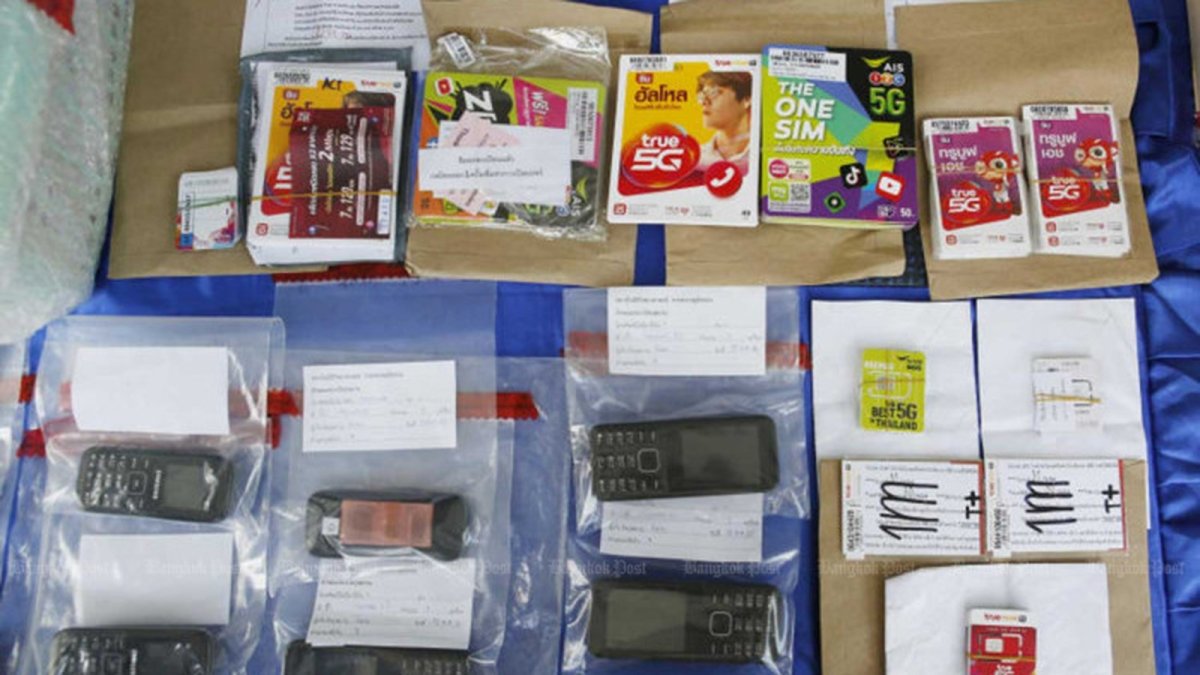
Subscribers who fail to comply will not face a total block on their mobile service. Instead, they will still be able to receive incoming calls, but all outgoing calls will be suspended. This is not a punitive measure, Trairat explained, but a necessary step to compel users to report to their service providers and verify their identities. The approach follows regulatory frameworks established under previous administrations to combat the rising tide of digital fraud, he said in a statement this week.
Users who receive notification messages via SMS or other official communication channels from their mobile operators are advised to follow the instructions immediately to complete the information update. Those with concerns should contact their mobile network operator's customer service centre without delay.
The Mule SIM Problem: A Gateway to Digital Fraud
The urgency behind this deadline stems from the scale of Thailand's digital fraud crisis. Under the amended Technology Crime Decree — the Royal Decree on Measures for the Prevention and Suppression of Technology Crime BE 2566 (2023), as amended (No. 2) BE 2568 (2025) — the owner of a mule SIM now faces up to three years imprisonment, a fine of up to 300,000 baht, or both. Brokers, arrangers, and advertisers involved in the buying, selling, renting, or lending of bank accounts, e-cards, e-money accounts, or mobile numbers face even stiffer penalties: two to five years imprisonment or fines ranging from 200,000 to 500,000 baht.
Criminals increasingly lure members of the public — including children and young people — into registering mobile numbers they do not actually use. These numbers become mule SIMs, serving as untraceable communication channels for scam operations that defraud thousands of Thai citizens each year. The NBTC's verification drive directly targets this vulnerability by ensuring every active SIM card is linked to its true user.
Who Needs to Act: The Thai Family Angle
The verification requirement affects a broad cross-section of Thai society. Children using SIMs registered under a parent's name must rectify their status immediately. Elderly relatives who registered their numbers years ago — perhaps at a time when identification requirements were less stringent — may find their information outdated or incomplete. Families across Isaan, Chiang Mai, and the southern provinces should sit down together this week and check whose name is on whose SIM card.
For households where a grandparent's SIM was registered by a now-deceased spouse, or where a teenager's number is still under a parent's account, the process requires visiting the mobile operator's branch with proper identification documents. The NBTC advises that this is a straightforward procedure, but one that cannot be postponed beyond the Aug 30 deadline.
Broader Crackdown: Mule Accounts and the AMLO Refund System
The SIM verification deadline coincides with a wider government offensive against mule accounts. This week, the government advanced its crackdown by centralising the mule account database and expediting victim refunds through the Anti-Money Laundering Office (AMLO) system — without requiring court orders. The new procedure took effect on Aug 12, according to Deputy Spokesperson for the Prime Minister's Office Ploytale Laksamee Sangchan.
Once a mule account owner is identified, authorities will suspend all transaction channels — including mobile banking, ATMs, and online transfers — blacklist the individual, prohibit them from opening new accounts, and proactively freeze high-risk accounts. The Bank of Thailand is also setting daily transfer limits for youths aged 12 to 18, ranging from 3,000 to 10,000 baht per day depending on age, with completion expected by October. The AMLO will lead victim refund efforts in coordination with the Digital Economy Ministry, the Royal Thai Police, the Bank of Thailand, the Thai Bankers' Association, TEPA/e-Money, the Securities and Exchange Commission, and the Digital Asset Operators Association.
Eight Measures Already in Place: A Timeline of Stricter Controls
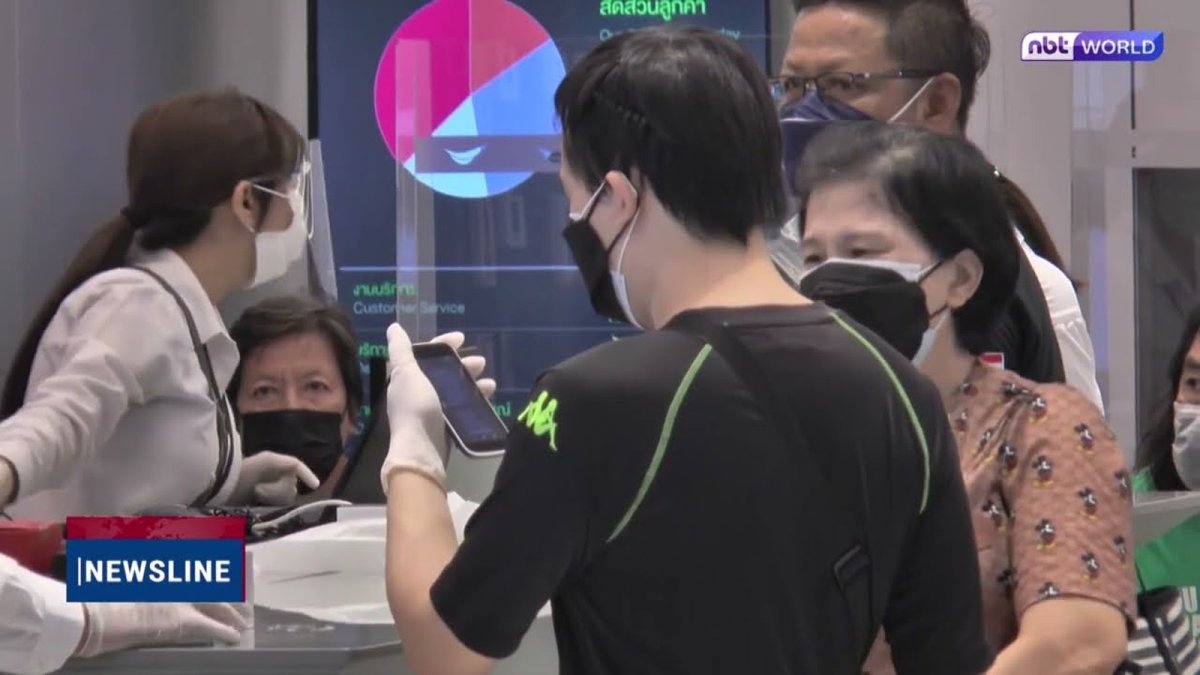
The Aug 30 deadline builds on eight measures the NBTC introduced in August of last year. New SIMs must now be verified within seven days of activation. SIMs registered since Jan 1, 2024, must be reverified within 90 days, while older SIMs require full verification within one year. Foreign nationals are limited to a maximum of three SIMs per operator and must present a valid passport. Tourist SIMs are valid for a maximum of 60 days with no top-up extensions permitted.
Incoming international calls now display warning codes +697 and +698, which users can block. Automated SMS messages are restricted to registered sender IDs, and operators must monitor abnormal usage patterns and suspend services immediately if suspicious activity is detected. These measures, combined with the Aug 30 verification deadline, represent a comprehensive regulatory framework designed to close the loopholes that scam syndicates have exploited for years.
Regional Perspective: Thailand's Fight Mirrors ASEAN's Battle
Thailand's aggressive stance on SIM verification and mule accounts places it at the forefront of a regional battle against technology crime. Neighbouring countries, particularly Cambodia, have struggled with scam centres operating within their borders, often staffed by trafficked workers and targeting victims across Southeast Asia. The ASEAN region has become a global hotspot for call-centre gangs, with syndicates operating across borders and exploiting regulatory gaps.
Thailand's approach — combining strict SIM registration, real-time identity checks, mule account blacklisting, and expedited victim refunds — offers a template for regional cooperation. The NBTC's mandate for real-time ID checks on all new SIM card registrations, as highlighted in a recent NBT World broadcast, signals that Thailand is serious about closing the door on anonymous mobile communications. For Thai travellers and businesses operating in neighbouring countries, this regulatory divergence may create friction, but it also positions Thailand as a regional leader in digital security.
What Tourists and Foreign Nationals Need to Know
Foreign nationals visiting or residing in Thailand face specific restrictions under the new framework. The three-SIM-per-operator limit applies to all non-Thai nationals, and a valid passport is mandatory for registration. Tourist SIMs, popular among the millions of visitors who arrive in Phuket, Bangkok, and Chiang Mai each year, are now capped at 60 days of validity with no extensions through top-ups. This means long-stay tourists and digital nomads must plan their mobile usage carefully or risk losing service mid-trip.
For the tourism industry, which contributes significantly to Thailand's economy, these measures represent a balancing act between security and convenience. The NBTC's real-time identity verification requirement for new SIMs adds a step to the tourist experience, but it also protects visitors from having their identities used in fraudulent registrations — a growing concern in popular destinations.
How to Verify: A Practical Guide for Thai Readers
Subscribers who have received notification messages from their mobile operators should act now. The process typically involves visiting a service centre with a national ID card, or completing verification through the operator's official application. Those who registered their SIMs years ago under different names — such as a parent registering for a child, or an employer registering for a worker — must update their information to reflect the actual user.
For those who suspect their number may have been used without their knowledge, the Anti Online Scam Operation Centre (AOC) hotline 1441 is available 24 hours a day. Reports can also be filed online at www.thaipoliceonline.com. The NBTC urges all users to check their registration status before the deadline, rather than waiting for service disruption to prompt action.
What to Watch For
As Aug 30 approaches, expect mobile operators to intensify their notification campaigns, and watch for potential congestion at service centres in the final weeks. The government's mule account crackdown will continue to evolve, with the Bank of Thailand's youth transfer limits expected by October and further refinements to the AMLO refund system likely in the coming months.
The broader implications for Thailand are significant. A successful SIM verification drive will not only disrupt existing scam networks but also deter future criminal activity by raising the cost of entry. For ordinary Thai citizens, the message is clear: verify your SIM now, protect your family, and help your neighbours do the same. In a culture that values community and mutual care, helping an elderly relative or a busy young parent complete their verification before the deadline is not just a practical favour — it is an act of collective protection against the digital fraud that threatens us all.
By Ann Srisawat, Staff Writer
This article was produced with AI-assisted research and editorial support. Reporting is based on sources cited in the article.
What's Your Reaction?
 Like
0
Like
0
 Dislike
0
Dislike
0
 Love
0
Love
0
 Funny
0
Funny
0
 Wow
0
Wow
0
 Sad
0
Sad
0
 Angry
0
Angry
0

Southeast Asia Correspondent at Global1.News. Based in Bangkok, covering Thai and Southeast Asian politics, economy, technology, and culture. Deep regional perspective on one of the world's most dynamic regions.














Comments (0)