
Sudan's Invisible Children Face Lifelong Barriers Without Legal Identity
A 17-year-old mother in Darfur cannot register the birth of her son born after captivity and rape during Sudan's civil war, leaving thousands of children without legal identity, denied education, healthcare and vaccination.
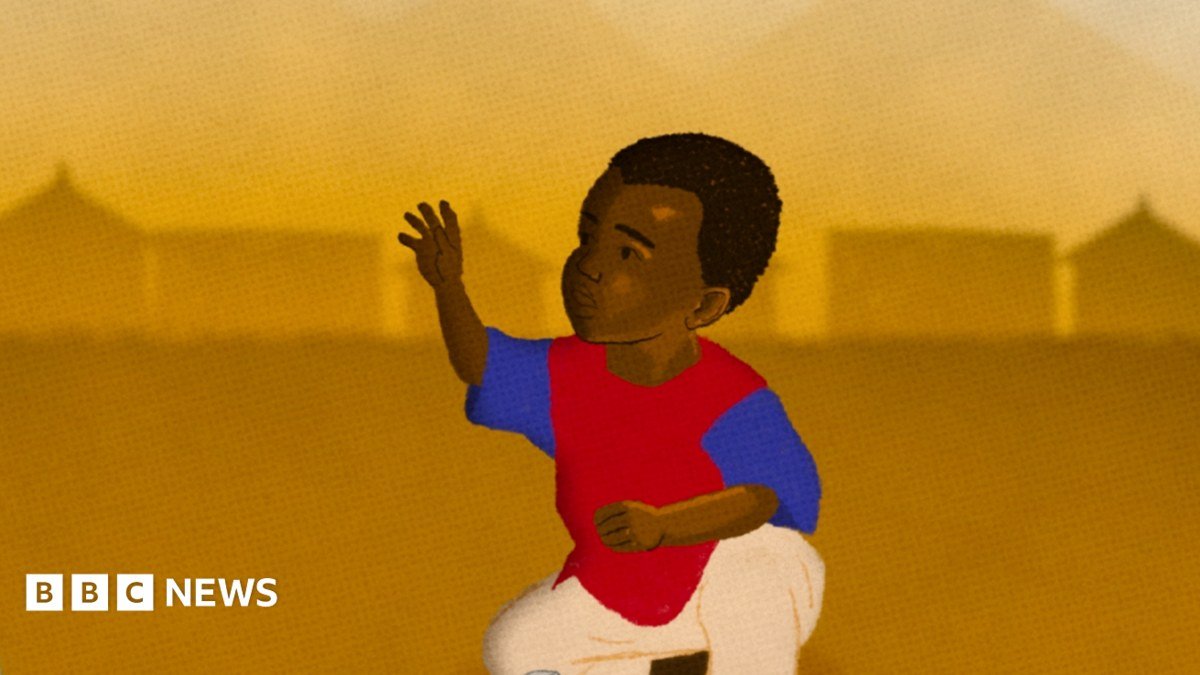
Sudan's War Babies Denied Legal Identity
Dakar, Senegal — As Sudan's civil war enters its third year, the plight of children born from sexual violence highlights the long-term scars on a generation denied basic rights. The barriers to legal identity compound the trauma for mothers and infants alike across Darfur and beyond.
The Heartbreaking Ordeal of One Young Mother
Amira, whose name has been changed for her safety, was just 17 when she fled the siege of el-Fasher with her family early in 2025. The city had been the Sudanese army's final stronghold in Darfur until it fell to the Rapid Support Forces and allied militias the previous October. On the road southwest of the city, she was abducted by three armed RSF men and held for two months in the Tabit area, where she endured repeated rape. When the men abandoned her near the capture site, fellow displaced people helped her reach medical care at a humanitarian hub. There, at a hospital run by the International Medical Corps, she gave birth to a son months later.
Reunited with her family in a camp housing hundreds of thousands from el-Fasher, Amira now faces an immediate crisis. Eight months after giving birth, she still cannot register her child's birth. The hospital requires details about the father that she cannot provide, blocking any official notification. Without that document, her son has no national number and no path to vaccination, nursery, or school. Her own economic hardship compounds the fear, as she avoids work to stay safe from further violence.
Conflict's Shadow Over Darfur Families
The fighting between the Sudanese military and the RSF, which began in April 2023, has now entered its third year. El-Fasher's fall left civilians trapped amid bombardment and food shortages before many escaped. Amira's experience echoes across Darfur, where the RSF's roots trace back to the Janjaweed militias linked to earlier atrocities in the region during the early 2000s. Families displaced into camps struggle daily with limited resources, and the collapse of civil services leaves basic needs unmet.
The UN Fact-Finding Mission reported in July 2026 that the Rapid Support Forces carried out a systematic campaign of mass killings and gang rapes across Darfur that amounted to genocide. The siege of el-Fasher brought relentless bombardment and severe food shortages that trapped tens of thousands of civilians, and hundreds of thousands more have since fled into camps where basic services remain scarce. Families in these settings face ongoing threats that echo earlier cycles of conflict, leaving children born amid the violence with few avenues for formal recognition or protection.
Across Sudan, similar patterns emerge in active conflict zones. Mothers often lack support networks, and the absence of fathers creates immediate administrative hurdles. This situation disrupts not only early childhood but also later access to education and official documents needed for travel or adult life.
Why Birth Registration Remains Blocked
Abu Bakr Yousif Yaqoub, director of protection programmes at the Nada Al-Azhar Foundation for Disaster Prevention and Sustainable Development, explains that Sudanese registration demands identity details, a national number, and a birth certificate. When the father is unknown or absent, the process stalls. Many mothers are themselves minors who must secure a guardian before any paperwork can move forward, creating additional barriers in already unstable conditions.
Health consequences follow quickly. Essential vaccinations start at birth and continue through early years, yet unregistered children miss these protections. The gap follows them into schooling, where enrollment often demands documents, and later into travel or applications for adult official papers. These missing steps leave entire groups of children outside the systems meant to support their health and development, even after their families reach safer areas.
Aid Groups Document Hidden Patterns
Nada's director general, Shaza Ahmed, notes that social stigma prevents accurate counting of children born from rape. Women rarely report assaults, and 90 percent of cases her organisation records involve families blocking official complaints. Most mothers are girls under 18, unable to approach courts or police without a guardian.
Ahmed highlights the deeper risk: these children may grow up denied respect, protection, and basic services. "We are facing a whole generation that will live under stigma, danger and fear," she says. Sudanese law grants every child the right to identity, yet practical barriers during war prevent that right from being realised. The organisation provides emotional support and helps reconnect families, offering some relief amid ongoing hardship.
Documentation from the United Nations underscores the scale. A UN report dated June 23, 2026, recorded at least 59 women and girls who became pregnant or gave birth after rape, while OHCHR documentation from June 26, 2026, detailed gang rape, sexual slavery, abductions and trafficking, sexual torture in detention, and resulting pregnancies — including among girls. Social stigma keeps many incidents from ever being recorded, so the true scale remains unknown, and these patterns show how wartime sexual violence continues to shape futures long after immediate attacks end.
Legal Rights Versus Wartime Realities
Lawyer Majida Idris points to the Child Act of 2010, which permits registration of children born outside marriage once a mother files a report of assault. The case then moves to social services for documentation and finally to the civil registry, where the child is registered under the mother's name and given a full legal identity.
In practice, war has shut down civil registry offices across Darfur, leaving thousands of children unregistered. "The absence of documents does not just mean the absence of a piece of paper — it means denying the child access to education, healthcare and legal recognition," Idris says. She stresses the need to reopen offices in accessible areas and strengthen legal pathways so children can claim their rights. These legal provisions exist on paper, but conflict has severed the practical links needed to apply them.
Regional Echoes Across African Conflict Zones
Sudan's challenges mirror difficulties seen in other parts of the continent where prolonged fighting disrupts family structures and state services. In Darfur, famine conditions have pushed acute malnutrition rates among young children in places like Umm Baru to nearly 53 percent, nearly double the famine threshold. Similar strains on registration and care appear wherever displacement separates families and destroys records.
Local economies suffer as mothers cannot work freely and children miss early health interventions. Cultural expectations around family and guardianship add layers of complexity, making community-based support from groups like Nada essential for daily survival.
Paths Forward for Recognition and Protection
Reactivating civil registries and expanding legal aid remain urgent priorities. Without these steps, a generation risks growing up without formal existence, unable to access services or participate fully in society. Families in Darfur camps continue to draw strength from reunions and small supports, yet the administrative barriers persist.
Amira's mother describes the reunion with her daughter as a miracle after weeks of worry. "The reunion was like a miracle from God," she says. Such moments of relief underscore the resilience of Sudanese communities even as they navigate the lasting effects of conflict on the youngest members.
By Amara Diop, Staff Writer
This article was produced with AI-assisted research and editorial support. Reporting is based on sources cited in the article.
What's Your Reaction?
 Like
0
Like
0
 Dislike
0
Dislike
0
 Love
0
Love
0
 Funny
0
Funny
0
 Wow
0
Wow
0
 Sad
0
Sad
0
 Angry
0
Angry
0

West Africa/Sahel Correspondent at Global1.News. Dakar-based journalist covering politics, security, climate, and development across Francophone and Anglophone West Africa. Tells the stories of a region undergoing profound transformation.










Comments (0)