
Strait of Hormuz Crisis Deepens as Tanker Attacks Resume and Oil Markets Brace for $100
The Strait of Hormuz crisis enters its sixth month with tanker attacks on ADNOC vessels continuing, transit at a near standstill, and oil prices surging toward $100. Trump claims US control while Iran insists it manages the strait. Ceasefire and June MoU have failed to end the conflict.
Six Months of Conflict, No End in Sight
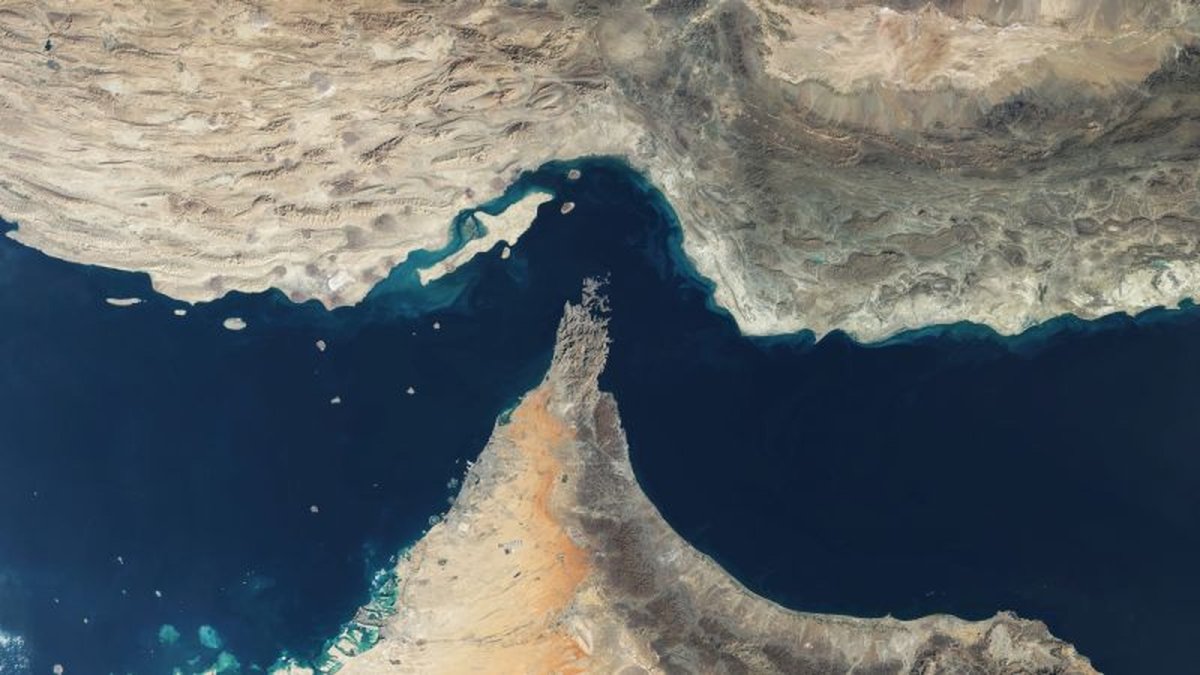
The Strait of Hormuz remains the flashpoint of a crisis that has now stretched into its sixth month, with global oil stockpiles dwindling and shipping traffic grinding to a near standstill. What began as a US-Israeli military campaign against Iran on February 28, 2026, has evolved into a protracted standoff that a formal ceasefire and a negotiated memorandum have failed to resolve.
The ceasefire that took effect on April 8, 2026, and the Pakistan-brokered Memorandum of Understanding signed on June 17, 2026, were supposed to de-escalate tensions. Instead, Iran has kept the strait restricted, tanker attacks have continued through August, and the world's most critical oil chokepoint remains effectively paralyzed. CNN's live coverage describes the situation as "nearly half a year into the US-Iran war," a characterization that reflects the reality that formal hostilities may have paused, but the conflict has not ended.
According to TRT World, Iran has required vessels to obtain permission and pay transit fees before using the waterway, a demand the United States and its allies have rejected. The result is a standoff that has left roughly 20% of the world's oil supply behind a geopolitical blockade with no clear resolution in sight.
Transit Data Shows Near-Standstill at the Chokepoint
Reuters reported on August 14 that transit through the Strait of Hormuz "appeared to grind to a near standstill" after two more ships were attacked and the United States signaled it could maintain a naval blockade of Iran indefinitely. Shipping traffic at Hormuz fell below the month's average towards the end of the week amid volatile sentiment, according to the same report.
The data paints a stark picture. With roughly 20% of global oil production flowing through this narrow waterway between Iran and Oman, the disruption is not a regional inconvenience — it is a global economic event. Tanker operators are increasingly unwilling to risk the transit, and those that do are paying a premium in both insurance costs and danger.
The United Kingdom Maritime Trade Operations (UKMTO), the Royal Navy's reporting hub for maritime incidents, reported a vessel hit by an unidentified projectile in the strait — the latest in a growing list of incidents that have made the waterway one of the most dangerous shipping lanes on Earth.
ADNOC Confirms Three More Tanker Attacks
The UAE's state-owned Abu Dhabi National Oil Company (ADNOC) confirmed that two of its vessels were attacked while transiting the Strait of Hormuz on the evening of Thursday, August 13, 2026. The company said the situation was "brought under control" and that there were no injuries. A third ADNOC-affiliated vessel was attacked on the evening of Friday, August 14, 2026.
These latest incidents bring ADNOC's total tally since the start of the war to 15 vessels attacked, according to the company's own statements. Earlier in August, around August 7, ADNOC said three of its vessels were attacked by missiles and drones in a single week. On Saturday, August 8, the company reported another vessel targeted by a missile in the early hours, again with no injuries reported.
Tracking data cited by Liveuamap indicates that 17 or more vessels have been hit in Iranian-attributed strikes on UAE oil tankers since early 2026. The pattern is clear: commercial shipping, particularly vessels linked to the UAE, has become a primary target in this conflict, and the attacks show no sign of abating despite the ceasefire and the June memorandum.
Shipping-industry reports citing ADNOC's logistics arm have claimed that a July attack caused significant damage to two crude oil tankers and resulted in seafarer casualties. ADNOC has not publicly detailed this claim, and it should be treated as unconfirmed industry reporting rather than established fact.
Trump Declares US Control, Plans to Claim the Strait
President Donald Trump has escalated his rhetoric dramatically in recent days. On August 11-12, Trump wrote on Truth Social that the United States has "total control" of the Strait of Hormuz and that Iran is "no longer the bully." Then, on Friday, August 14, at a political rally in Garden City, New York, Trump went further, saying he plans to declare the Strait of Hormuz "a territory of the United States" after the US "defeats" Iran.
Trump also slammed US allies for not helping break Tehran's hold on the waterway. He told Americans to accept "a tiny little bit" higher gasoline prices while the conflict continues, arguing that inflation and higher fuel costs are worth it to prevent Iran from having a nuclear weapon.
On August 15, Trump blasted Tehran as "very evil," according to Reuters. With the US midterm elections scheduled for November 3, 2026 — less than three months away — the president's hardline stance is clearly playing to a domestic political audience, but the stakes extend far beyond the campaign trail.
Iran Fires Back: 'The Strait Is Under Our Control'
Iran has responded with defiance. The recently appointed head of Iran's Basij paramilitary unit said on Thursday, August 13, that the Strait of Hormuz is "under Iran's control and management." Foreign Minister Abbas Araghchi said the United States has "long miscalculated" Iran's strength in the war, a pointed rebuke to Trump's claims of total control.
Deputy Foreign Minister Kazem Gharibabadi went further, saying the future of the Strait of Hormuz can only be determined by Iran and that Tehran will not be intimidated by American threats or military pressure. On Saturday, August 15, Iran called on the United States to accept defeat, according to Reuters.
Iranian state media, including PressTV, has cited Kpler shipping data to debunk US claims about control of the strait. The messaging war is as intense as the military one, with each side claiming the upper hand.
Oil Markets Surge as Analysts Eye $100 a Barrel
The market impact has been immediate and severe. On Friday, August 14, Brent crude settled up 1.67% at $88.52 a barrel, according to The National. West Texas Intermediate (WTI) crude futures finished at $82.40, up $1.15 or 1.42%, as reported by Al Jazeera. Both benchmarks were on track for weekly gains of 6.0% and 5.4% respectively.
OilPrice.com has reported that some analysts are eyeing $100 a barrel as Hormuz attacks persist. It is important to note that this is analyst commentary and market speculation, not a confirmed forecast. However, the trajectory is concerning: TradingEconomics data shows crude oil rose to $82.40 on August 14, up 1.42% on the day and up 32.95% year over year.
The average US gasoline price has climbed 29% over the past year, according to Reuters. For American consumers already struggling with inflation, this is a painful reminder that geopolitical conflicts hit household budgets directly — and Trump's call to accept higher prices may be politically difficult to sell with midterms approaching.
US Military Posture: Three Carrier Strike Groups in the Region
The military buildup in the region is unprecedented in recent decades. The USS George H.W. Bush (CVN-77), a Nimitz-class aircraft carrier, entered the US Central Command area of responsibility in April 2026, becoming the third American carrier strike group operating in the region, according to Stars and Stripes. This concentration of naval power has not been seen in decades.
The United States has threatened an "indefinite" naval blockade of Iran plus financial sanctions, according to Reuters, The National, and Al Jazeera. The message: Washington is prepared to maintain pressure on Tehran for as long as it takes, whatever the economic consequences for global markets.
The presence of three carrier strike groups sends a powerful signal to both Iran and US allies. But it also raises the stakes: any miscalculation could escalate this already volatile situation into a full-scale regional war. Military analysts read the Bush's April arrival as a demonstration of American resolve — and a reflection that the conflict is far from over.
Regional Fallout: Lebanon Strike Adds to the Chaos
The conflict is not confined to the Strait of Hormuz. An Israeli strike on southern Lebanon killed seven people, according to The National's liveblog coverage on August 15 — another flashpoint threatening to ignite alongside the shipping crisis.
The broader regional picture is one of cascading crises. The US-Iran conflict has drawn in the UAE through the ADNOC attacks, Israel through its ongoing operations, and now Lebanon through the latest strike. Each incident risks pulling more actors into the fray, making a diplomatic solution increasingly difficult to achieve.
For the United States, the path forward is fraught with political and strategic challenges. With midterm elections less than three months away, Trump's aggressive posture on Iran may play well with his base, but the economic costs — higher gasoline prices, market volatility, and the strain on military resources — are mounting. The question now is whether the administration can maintain this pressure without triggering a broader regional war that no one can control.
As the crisis enters its sixth month, the world watches and waits. The attacks continue, the rhetoric escalates, and the oil that once flowed freely through Hormuz now moves in a trickle. The ceasefire and the June memorandum were steps in the right direction, but they have not been enough to end the conflict.
This article was produced with AI-assisted research and editorial support. Sources: CNN World, Reuters, Al Jazeera, The National, Stars and Stripes, UKMTO reports, and official statements.
By Jessica Ali, Staff WriterWhat's Your Reaction?
 Like
0
Like
0
 Dislike
0
Dislike
0
 Love
0
Love
0
 Funny
0
Funny
0
 Wow
0
Wow
0
 Sad
0
Sad
0
 Angry
0
Angry
0

Editor-in-Chief at Global1.News. Atlanta-based journalist who cuts through the BS and tells it like it is. Lead anchor, host, and the voice you hear when the spin stops and the truth starts.












Comments (0)