
Sports stakeholders shape 2027 funding priorities and national sports calendar
Last week, the Grenada National Sports Council, together with the Ministry of Youth and Sports and the National Lotteries Authority, gathered the island’s sporting bodies at the National Cricket Stadium for a pivotal workshop.
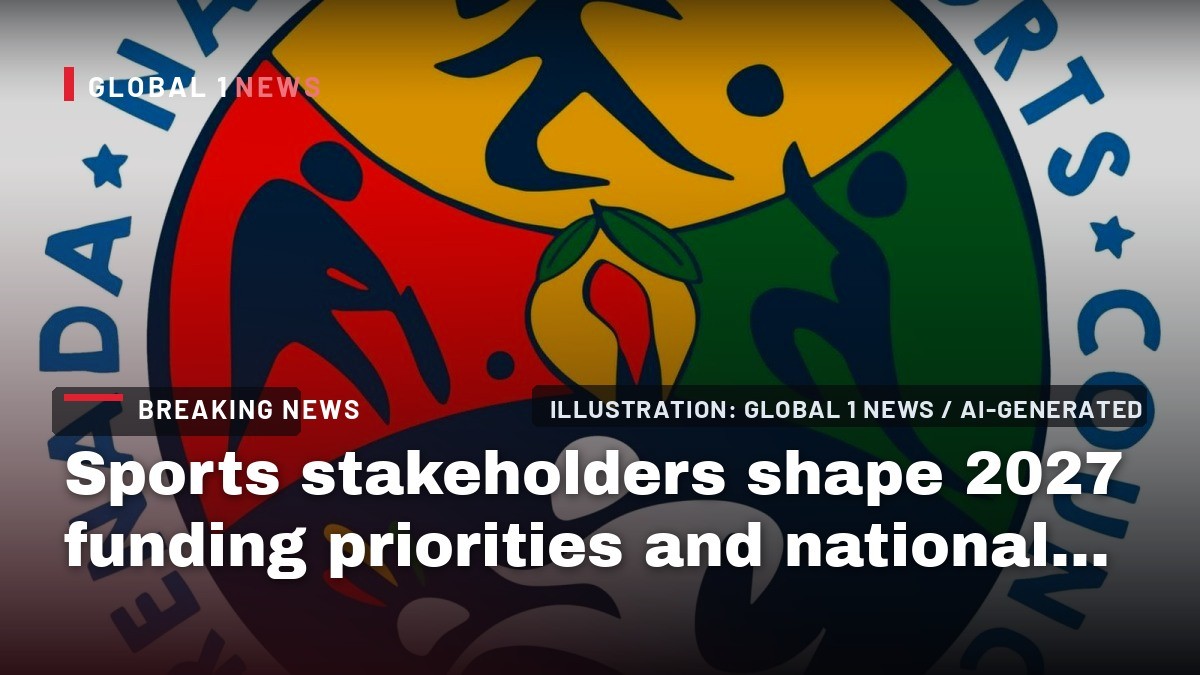
Last week, the Grenada National Sports Council, together with the Ministry of Youth and Sports and the National Lotteries Authority, gathered the island’s sporting bodies at the National Cricket Stadium for a pivotal workshop. The aim was clear: to tighten up funding proposals, sharpen accountability and stitch together a national sports calendar that will steer the 2027 agenda. For us in the Caribbean, where sport is as much a community glue as a source of national pride, the outcomes of this retreat carry weight far beyond the shores of Grenada.
Setting the stage: why a coordinated sports calendar matters
The retreat, billed as the Sports Funding Retreat and National Sports Calendar Planning Workshop, was not merely a bureaucratic gathering. It brought together representatives from associations spanning Grenada, Carriacou and Petite Martinique, signalling a regional ambition to harmonise programmes and avoid the duplication that often plagues small‑state sporting calendars. By aligning competition dates and training camps, the calendar promises to open up more opportunities for athletes who otherwise juggle work, school and limited transport options.
In the Caribbean context, where travel costs and infrastructure constraints can curtail participation, a well‑planned calendar can be a game‑changer. It means a cricketer in Carriacou can know in advance when a regional tournament will be held, allowing families to plan travel without the last‑minute scramble that often leads to missed chances.
The government’s fiscal framework and its impact on sport
Permanent Secretary Kim Frederick of the Ministry of Youth and Sports laid out the fiscal realities that sporting bodies must navigate. She reminded participants that any funding request must sit comfortably within the broader government budget and align with national and ministerial priorities. In other words, the era of blanket funding is over; each association now needs to rank its programmes realistically, acknowledging that the public purse may not stretch to every proposal.
Frederick’s emphasis on strategic planning and prioritisation reflects a wider trend across the region, where governments are tightening belts amid rising cost‑of‑living pressures. By demanding that sport organisations justify their needs against national priorities, the ministry hopes to ensure that every dollar spent yields tangible community benefit.
Accountability: the new watch‑dog for public funds
Transparency was another cornerstone of the workshop. Frederick stressed that any organisation receiving public money must submit thorough reports and supporting documentation. This requirement is not merely a paperwork exercise; it is intended to build public confidence in the use of taxpayers’ money and to lay the groundwork for future funding cycles.
For Grenadian sport, this means a shift towards more rigorous monitoring and evaluation. Associations will need to demonstrate clear results, whether that be increased participation rates, improved performance metrics or community outreach outcomes. The push for accountability mirrors similar moves in Trinidad, where sport funding has increasingly been tied to measurable impact.
Building sustainable programmes: quality over quantity
The workshop urged sporting bodies to think long‑term, focusing on sustainable programmes that deliver clear results. With limited resources, the message was unmistakable: use what you have wisely and avoid spreading efforts too thin. This calls for a strategic trimming of activities, concentrating on those that generate the greatest benefit for athletes and the wider community.
Such an approach resonates with the Caribbean’s broader development challenges. When budgets are tight, programmes that can demonstrate lasting impact—like youth development pathways, coach education and community‑based leagues—are more likely to secure ongoing support. The emphasis on sustainability also encourages partnerships, inviting private sector and diaspora involvement to fill gaps.
Partnerships and shared vision: the NSC’s perspective
NSC Chairman Patrick Simmons hailed the workshop as a milestone for coordinated investment. He highlighted that sport development thrives on strong partnerships, clear planning and a shared vision. By bringing stakeholders together, the retreat helped to identify priorities and lay the foundation for a more structured sporting programme in 2027.
Simmons’ remarks underscore a growing recognition across the Caribbean that sport cannot develop in silos. The collaborative spirit seen in Grenada mirrors initiatives in Trinidad, where ministries, private sponsors and community groups are increasingly aligning their efforts to maximise impact.
From discussion to action: next steps for the 2027 calendar
NSC Chief Executive Officer Alvin Clouden expressed optimism about the strong participation and called for continued collaboration. The workshop’s discussions, he noted, demonstrated a collective commitment to advancing sport in Grenada. By working together and aligning efforts, the sector can build stronger programmes, reduce duplication, maximise resources and deliver greater benefits to athletes and communities.
The immediate task now is to finalise the 2027 National Sports Calendar, using the workshop’s outcomes as a guide. This calendar will serve as a roadmap for funding allocations, ensuring that resources flow to the programmes that have been prioritised and vetted during the retreat. It also provides a transparent timeline for athletes, coaches and fans, fostering a sense of predictability that can boost participation.
Regional implications: what Grenada’s approach means for the Caribbean
Grenada’s methodical push to align sport funding with national priorities offers a template for other small island states grappling with similar fiscal constraints. By insisting on strategic planning, accountability and sustainable programme design, the island is setting a standard that could ripple through CARICOM, especially as governments across the region tighten belts in response to rising living costs.
For Trinidadians watching from across the water, the Grenadian workshop reinforces the importance of coordinated sport planning. As we prepare for our own 2027 sporting calendar, lessons from Grenada—particularly the emphasis on transparent funding and collaborative partnership—can inform how we allocate resources to our beloved cricket, football and track programmes. In a region where sport is a cultural lifeline, such shared learning can only strengthen our collective ability to nurture talent and bring communities together.
This article was produced with AI-assisted research and editorial support. Reporting is based on the source material cited below. Sources: Now Grenada; nowgrenada.com; Global1.News (16 September 2026).
By Sharon Sahatoo, Staff Writer
What's Your Reaction?
 Like
0
Like
0
 Dislike
0
Dislike
0
 Love
0
Love
0
 Funny
0
Funny
0
 Wow
0
Wow
0
 Sad
0
Sad
0
 Angry
0
Angry
0

Caribbean Correspondent at Global1.News. Based in Port of Spain, Trinidad, covering Caribbean politics, economy, energy, climate, and culture. Amplifying the voices and stories of the Caribbean region.












Comments (0)