
Settler Arson in Khirbet al-Tuba: Masafer Yatta Attack
Israeli settlers set fire to homes in the Palestinian herding community of Khirbet al-Tuba in Masafer Yatta, injuring six people including women and children, as a wave of attacks and raids swept the occupied West Bank.
In a recent Middle East Eye report published on August 5, footage from Khirbet al-Tuba captures the charred remains of homes and the distress of residents after armed Israeli settlers stormed the herding community at dawn. The attack left several Palestinians injured, including women and children, and forms part of a broader pattern of violence across the occupied West Bank. Palestinian authorities and medical teams documented the immediate human cost on the ground.
Settler Arson in Khirbet al-Tuba Highlights Ongoing Displacement Pressures in Masafer Yatta
Hebron, occupied West Bank – August 6 — Armed Israeli settlers set fire to homes and property in the Palestinian herding community of Khirbet al-Tuba on August 5, injuring residents and prompting condemnation from the Israeli military. The incident occurred amid a day of multiple attacks and raids that stretched from the South Hebron Hills to areas near Nablus, Ramallah, and Jerusalem.
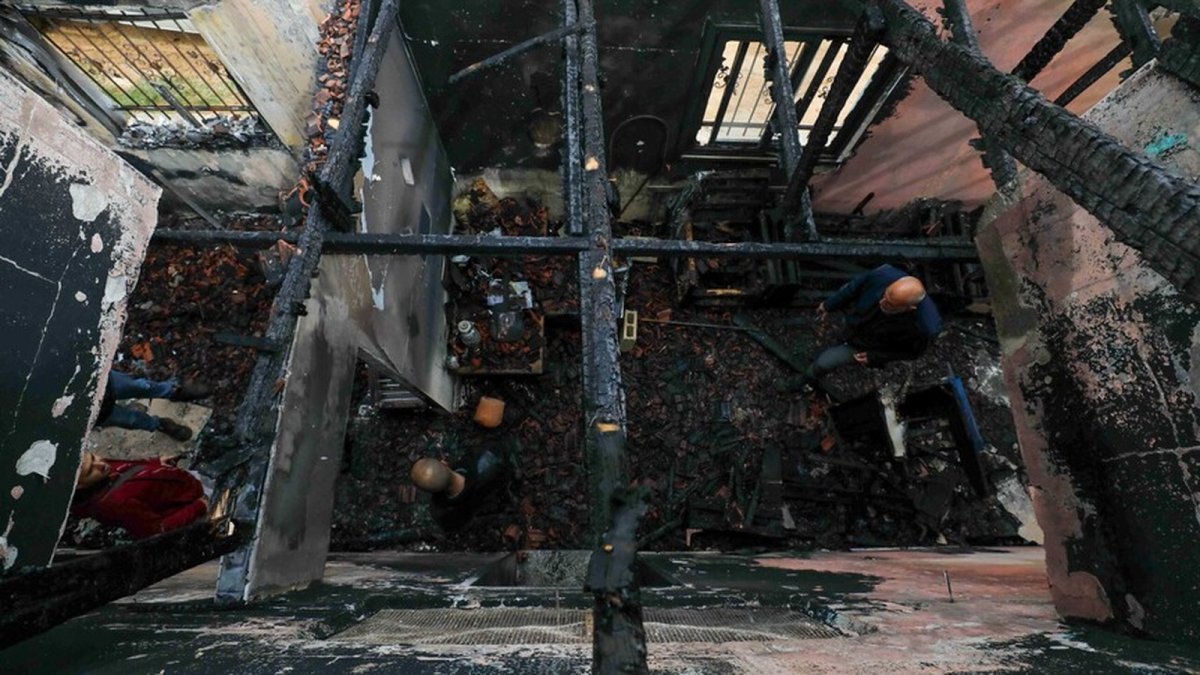
The Attack on Tuba
Settlers entered Khirbet al-Tuba, part of the Masafer Yatta cluster south of Hebron, early on August 5 and ignited several structures. The Middle East Eye video shows blackened walls, scattered belongings, and smoke damage that rendered some dwellings uninhabitable, while local accounts indicate the attackers also damaged livestock shelters and personal property before withdrawing.
Dawn attacks on herding communities like Khirbet al-Tuba carry particular terror because families often rise early to tend livestock and have little time to react when flames erupt through their homes. The official Palestinian news agency WAFA documented multiple homes set ablaze, along with cases of smoke inhalation among women and children who remained inside attempting to protect belongings or younger family members.
Tuba has long been viewed by residents as a refuge within the Masafer Yatta cluster, yet the timing at first light limited escape routes and heightened the sense of vulnerability for families already living under constant threat. An earlier incident in April 2026 saw settlers storm the village and steal five sheep after assaulting residents, underscoring the repeated nature of such incursions.
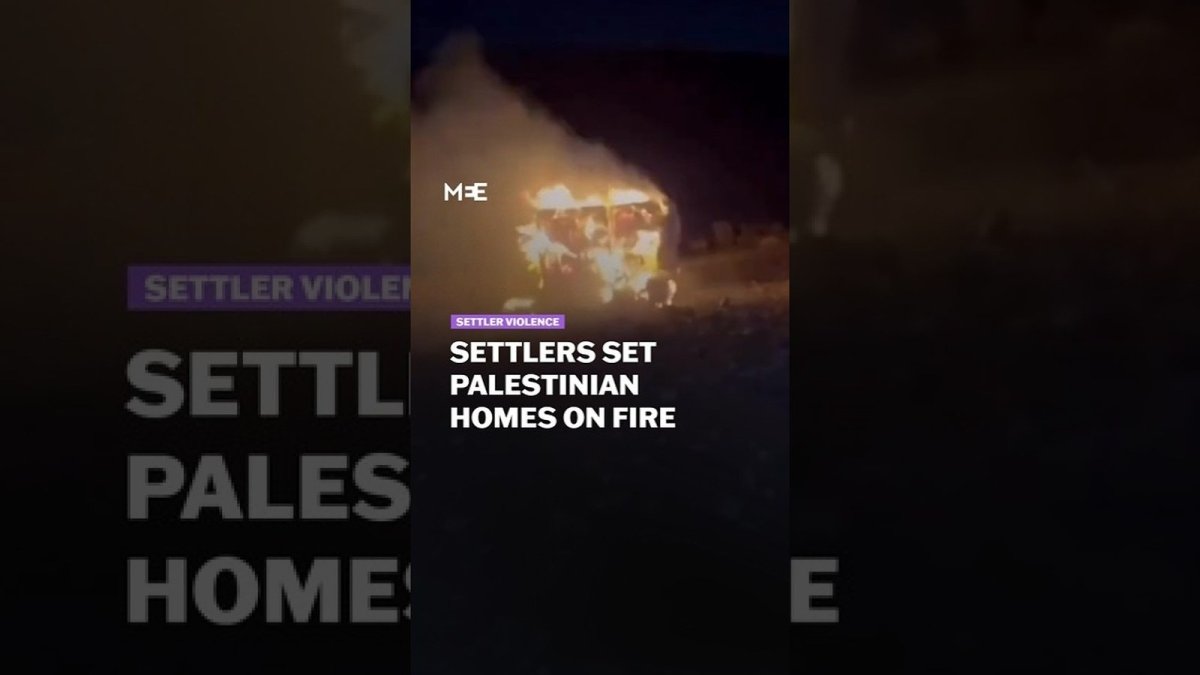
The Wounded
The Palestine Red Crescent Society reported treating six people, including three women, for bruises sustained during the attack and transferring them to hospital care. WAFA recorded additional cases of smoke inhalation affecting women and children who stayed inside burning buildings to shield family members or gather essentials.
Israeli media citing Haaretz listed the six wounded Palestinians as children aged 5, 6, 8 and 10, a 35-year-old woman, and a 22-year-old man. The direct exposure of entire families to the arson reflects the indiscriminate impact on daily life in a community with limited access to immediate medical services, where even minor wounds can compound existing hardships from restricted movement and distant facilities.
For families in Khirbet al-Tuba, injuries from such attacks carry consequences that extend beyond the physical. Herding communities depend on livestock for their livelihoods, and the destruction of homes and shelters compounds the economic strain of an area where Israeli restrictions already limit grazing, construction, and access to services. Medical follow-up for the wounded often requires travel through checkpoints to reach hospitals in Hebron, a journey made harder when military operations close roads.
The Army's Response
The Israeli military stated on August 6 that forces and police responded after reports of an arson attack on several homes, discovering burned buildings, graffiti, and destroyed property. The statement read: "The IDF strongly condemns such incidents, including harming residents, including women and children. The IDF expects law enforcement agencies to bring the suspects to justice."
Suspects had already left the area by the time security personnel arrived, leaving residents to question the effectiveness of prevention measures. The pattern of settlers operating with apparent freedom before troops reach the scene has been documented by rights groups as contributing to widespread impunity, with burned structures and graffiti remaining as evidence while accountability appears delayed.
A Wave of Attacks Across the West Bank
On the same day, settlers entered the eastern part of Beit Furik near Nablus and beat three Palestinians, with WAFA reporting that Israeli soldiers accompanied the settlers during the incursion. The previous night, settlers set fire to vehicles and property in the villages of Talfit and Jalud near Nablus, leaving graffiti that read "Revenge" and "Avi, go home," apparently directed at Central Command Chief Maj.-Gen. Avi Bluth amid Defense Minister Israel Katz's controversy over dismissing the commander, a decision Katz reversed on Wednesday.
Wider military raids stretched across the West Bank on Wednesday, including operations in Beit Fajjar south of Bethlehem, Kafr Malik and Deir Jarir east of Ramallah, and al-Bireh, where troops forced residents from three homes and converted them into military posts. In Kafr Aqab and the Qalandia refugee camp north of Jerusalem, a roughly 19-hour operation saw troops raid dozens of homes and detain around 15 Palestinians, including a woman, while the Red Crescent treated eight Palestinians beaten by Israeli forces and evacuated five patients from inside the camp after troops obstructed access to the wounded and sick.
Masafer Yatta Under the Shadow of Firing Zone 918
Masafer Yatta comprises roughly a dozen Palestinian herding communities in the South Hebron Hills, designated by Israel as Firing Zone 918 and placed under a decades-long threat of displacement. In July 2025, UNRWA's West Bank director Roland Friedrich warned that communities including Umm al-Kheir and the villages of Masafer Yatta face "a very real risk of forced transfer, part of a broader pattern of land appropriation in Area C, rising colonist violence, and widespread impunity."
The Norwegian Refugee Council has provided legal aid for cases challenging demolitions and forcible displacement in the area, including support for residents of Khirbet al-Tabban and Khirbet al-Fakhit after settlers erected an outpost nearby in February 2026. The wider toll since October 2023 includes more than 1,182 Palestinians killed, around 13,000 injured, and nearly 24,000 arrested across the occupied West Bank, according to official Palestinian figures.
Life inside Firing Zone 918 has long meant navigating demolition orders, restricted grazing, and the constant presence of settlers and soldiers. Rights groups have documented how the designation is used to justify the removal of Palestinian communities, even as Israeli outposts and settlements expand in the same area. For the roughly 1,000 residents of Masafer Yatta's hamlets, the August 5 arson was not an isolated tragedy but the latest chapter in a struggle over land, water, and the right to remain.
Analysis and Implications
Israeli settlements in the occupied West Bank remain illegal under international law, a position upheld by the International Court of Justice's 2024 advisory opinion that Israel's occupation and settlement enterprise are unlawful. Yet settler violence frequently occurs with Israeli forces present and faces limited accountability, and each new attack adds to the cumulative strain on families who have maintained a presence on the land for generations.
Escalating attacks in Area C undermine the viability of Palestinian herding communities by destroying homes, livestock shelters, and the basic sense of security needed for daily survival. Impunity sends a clear message that such violence carries few consequences, allowing patterns of arson and assault to continue despite official condemnations that stand in stark contrast to the on-the-ground reality.
In the coming weeks, families in Khirbet al-Tuba must contend with repairing burned structures while fearing further incursions, all within a context of limited medical access and ongoing military operations. Sustained documentation, international attention, and genuine accountability mechanisms remain essential if the residents of Masafer Yatta are to remain on the land they call home.
The international community has repeatedly called on Israel to protect Palestinian civilians and hold settlers accountable, yet such calls have rarely translated into concrete consequences. Human rights organizations have urged states to pursue accountability through sanctions, travel bans, and support for the International Criminal Court's examination of the situation in the occupied Palestinian territory, arguing that only tangible pressure can break the cycle of violence and impunity.
By Fatima Al-Rashid, Staff Writer
This article was produced with AI-assisted research and editorial support. Reporting is based on sources cited in the article.
What's Your Reaction?
 Like
0
Like
0
 Dislike
0
Dislike
0
 Love
0
Love
0
 Funny
0
Funny
0
 Wow
0
Wow
0
 Sad
0
Sad
0
 Angry
0
Angry
0

Gulf/MENA Correspondent at Global1.News. Based in Doha, covering Gulf politics, energy markets, diplomacy, and development across the Middle East and North Africa. Tracks the economic transformation of the Gulf states.














Comments (0)