
Senegal's Deepening Crisis: Faye-Sonko Rupture and ASERGATE
Senegal's crisis deepens after President Faye fired mentor-turned-PM Sonko, who seized the speaker's chair and now blocks IMF reforms. A 91 billion CFA electrification contract is at the center of the ASERGATE scandal, with 37 billion CFA allegedly missing and 1,600 villages left without power.
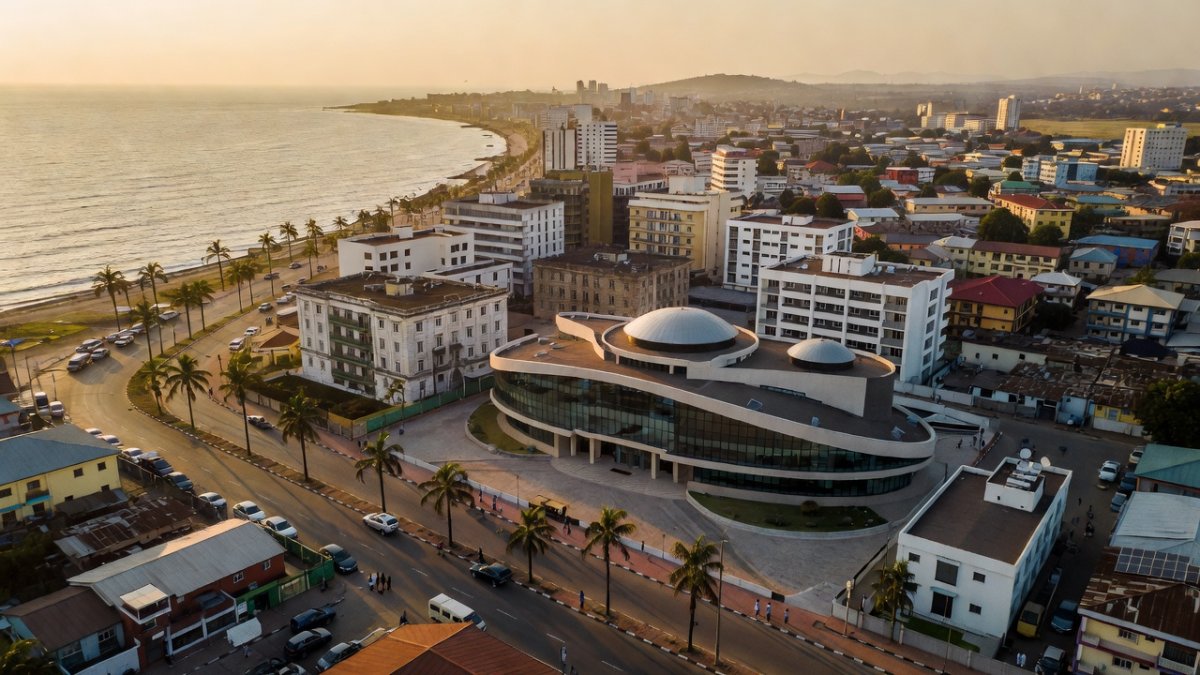
The Roots of Senegal's Political Upheaval
Folks, Senegal faces a genuine power struggle that threatens its stability at the worst possible moment. Bassirou Diomaye Faye won the presidency in March 2024 largely thanks to his former mentor Ousmane Sonko, whose Pastef party has driven opposition politics since its founding in January 2014. That alliance delivered victory but now lies in ruins.
The split centers on fuel prices, debt strategy, and whether to accept IMF conditions. Record debt levels have left the country vulnerable, with an IMF deal frozen near its deadline. This rift has created rival power centers inside the ruling movement, each pushing different approaches to the financial crisis.
Carnegie Endowment analysis shows the disagreement runs deep. One side wants to bend toward IMF reforms while the other prefers defiance. The result is paralysis that ordinary Senegalese citizens feel in higher costs and stalled projects.
Senegal has long held a reputation as one of West Africa's more stable democracies, yet the current fracture tests that standing at a time when neighboring Sahel states grapple with coups and insecurity. The Pastef movement itself rose on widespread anti-establishment sentiment against entrenched elites, making the internal clash between its two leading figures especially corrosive to public trust.
Comparisons to earlier Senegalese crises underscore the stakes. The 1962 confrontation between President Senghor and Prime Minister Mamadou Dia exposed how personal rifts can paralyze institutions, while the 1988 and 2012 electoral tensions revealed recurring patterns of elite competition that erode public confidence. Today the same dynamic risks repeating amid heavier debt burdens and regional instability that already strains ordinary households through rising living costs.
The Shock Dismissal and Parliamentary Defiance
On May 22-23 2026 Faye issued a late-night decree removing Sonko as prime minister and dissolving the cabinet. The move stunned observers and split the ruling coalition. Sonko had served in the role since his April 2024 appointment following the presidential win.
Three days later the National Assembly pushed back. On May 26 2026 lawmakers elected the ousted prime minister as speaker, handing him control over parliamentary procedure and legislative scheduling. AP reporting confirms this gives Sonko a direct platform to block or delay IMF-linked reforms.
Presidential spokesman Me Abdoulaye Tine described the dissolution as a risky gamble. The speaker's chair now complicates any attempt to push through unpopular economic measures, turning the legislature into a battleground.
In semi-presidential systems, cohabitation often emerges when opposing forces control different branches, forcing uneasy power-sharing that can stall decision-making. Here the rapid sequence from dismissal to parliamentary elevation has hardened divisions, leaving little room for the compromise needed to address urgent fiscal pressures.
West African precedents show how such standoffs compound economic pain. When legislative and executive branches clash, infrastructure projects stall and debt servicing crowds out social spending, leaving rural families without reliable electricity or transport links. Senegal's citizens now confront the same squeeze, watching promised services slip further away while political maneuvering dominates headlines.
Unpacking the ASERGATE Scandal Details
Opposition MP Thierno Alassane Sall, leader of La Republique des Valeurs, filed a formal complaint with the Pool Judiciaire Financier over a rural electrification contract. The December 2022 deal awarded 91 billion CFA francs to AEE Power EPC to connect five regions of Senegal.
Sall alleges that 37 billion CFA francs from a Spanish partner vanished through misappropriation. The project was meant to deliver electricity to rural communities yet left nearly 1,600 villages without access. He calls the affair a politico-administrative scandal of extreme gravity that damages Senegal's international credibility.
Pastef representatives led by Amadou Ba argue the ASER file belongs exclusively under the financial prosecutor and should not reach the National Assembly floor. This legal blockage has prevented open debate and fueled accusations of cover-up.
The allegations strike at core promises of improved public services that helped propel the ruling movement to power. When rural electrification stalls, the human cost falls heaviest on communities already facing economic strain, amplifying skepticism toward official explanations and deepening the sense that accountability remains elusive.
Historical parallels with past procurement disputes in Senegal illustrate how unresolved scandals linger. Citizens recall earlier controversies that delayed development and fueled distrust, patterns now resurfacing as the current impasse blocks scrutiny. For households in the affected regions, the absence of power means continued reliance on costly alternatives, turning abstract governance failures into daily hardship.
Constitutional Limits and the December 2026 Timeline
Senegal's constitution bars the president from dissolving the National Assembly during its first two years. Early elections therefore remain impossible until December 2026 at the earliest. This timeline locks the country into prolonged tension.
The restriction creates an unprecedented situation. Faye holds the presidency but lacks a parliamentary majority, while Sonko leads the legislature from the speaker's chair. No previous government has navigated this exact configuration.
Both sides now race to consolidate support ahead of the December 2026 window. Any misstep risks further institutional damage and public frustration with the political class.
With no quick electoral reset available, the coming months will test whether Senegal's institutions can channel conflict into managed debate rather than outright paralysis. The fixed calendar gives both camps time to organize but also prolongs uncertainty that investors and citizens alike find costly.
Forward scenarios hinge on whether the December 2026 vote can reset the balance or merely entrench existing divisions. Without interim mechanisms for cooperation, the extended timeline risks deepening economic stagnation, as ordinary Senegalese weigh the cost of political gridlock against hopes for renewed stability.
IMF Deal Frozen Amid Record Debt Pressures
Senegal carries record debt that has frozen progress on an IMF agreement. The rift between Faye and Sonko directly affects whether the country accepts the required reforms or attempts to chart an independent path.
The speaker's new powers allow Sonko to control the legislative calendar, making it harder to pass measures tied to the IMF package. This deadlock arrives as debt servicing costs continue to rise and public services strain.
Without resolution, the frozen deal threatens further delays in infrastructure and social spending. Citizens already face the consequences through higher fuel prices and incomplete rural projects.
Across West Africa, sovereign debt burdens have grown heavier in recent years, often forcing governments into difficult choices between external conditions and domestic priorities. Senegal's impasse illustrates how political fractures can turn already tight fiscal space into outright stagnation, with ripple effects on everyday living standards.
Past IMF engagements in Senegal reveal recurring tensions between reform demands and political realities. When programs stall, households absorb the impact through elevated prices and delayed projects, patterns that now threaten to repeat as cohabitation blocks decisive action on debt management.
Cohabitation: A New Reality for Senegalese Governance
Cohabitation has arrived in Senegal with two rival centers of power operating inside the same system. The president directs foreign policy and security while the speaker controls the legislative agenda and can obstruct domestic reforms.
This arrangement forces constant negotiation or confrontation. Past cohabitations in other countries show that gridlock often dominates unless both sides find narrow areas of agreement.
Senegal's version carries extra weight because of the debt crisis and the ASERGATE allegations. Every decision now carries political overtones that could shape the December 2026 elections.
The division of authority creates daily friction on issues from budget approvals to oversight hearings. Without mechanisms for routine coordination, routine governance risks becoming a series of standoffs that erode public confidence in the system's ability to deliver results.
Regional comparisons highlight the danger. Neighboring states have seen similar power-sharing breakdowns accelerate economic decline and public disillusionment. Senegal's citizens now face the prospect of prolonged uncertainty, where basic services and employment opportunities remain hostage to elite maneuvering rather than policy progress.
August Arrests Signal Rising Censorship
In August 2026 authorities jailed three TikTok influencers for insulting President Faye. The detentions add another layer of tension to an already polarized environment.
Critics view the arrests as an attempt to silence dissent during the cohabitation standoff. Supporters argue the measures protect institutional dignity amid rising online attacks.
The episode highlights how the political crisis spills into everyday expression. Citizens now weigh the risks of public commentary against their right to criticize leaders.
Such cases often reflect broader efforts to manage narratives when institutional legitimacy feels contested. The arrests risk chilling open debate precisely when Senegal needs robust discussion of its economic and political challenges to chart a credible way forward.
Comparisons with earlier periods of restricted speech in Senegal show how such measures can backfire, deepening mistrust and complicating efforts to build consensus. For average citizens, the arrests underscore how political conflict now intrudes on personal freedoms, raising the stakes for any public discussion of the country's direction.
Global Implications and Paths Forward
The Faye-Sonko rupture and ASERGATE scandal carry consequences beyond Senegal's borders. Investors watch the IMF deadlock while regional partners assess whether the country can maintain stable governance.
December 2026 offers the next electoral test, yet the intervening months will test institutional resilience. Both camps must decide whether confrontation or compromise better serves the national interest.
Senegal's citizens deserve accountability on the 91 billion CFA contract and clarity on debt strategy. The coming period will show whether the country's democratic framework can absorb this level of internal conflict without lasting damage.
Regional stability in the Sahel depends in part on Senegal remaining a steady anchor rather than another source of uncertainty. How the current standoff resolves will influence perceptions of whether West African democracies can weather elite ruptures while still addressing pressing economic needs.
Longer-term scenarios range from managed accommodation that preserves institutional norms to escalating confrontation that further delays recovery. Either path will shape Senegal's standing as a regional model and determine whether ordinary citizens regain access to reliable services and economic opportunity.
By Jessica Ali, Staff WriterThis article was produced with AI-assisted research and editorial support. Reporting is based on sources cited in the article.
What's Your Reaction?
 Like
0
Like
0
 Dislike
0
Dislike
0
 Love
0
Love
0
 Funny
0
Funny
0
 Wow
0
Wow
0
 Sad
0
Sad
0
 Angry
0
Angry
0

Editor-in-Chief at Global1.News. Atlanta-based journalist who cuts through the BS and tells it like it is. Lead anchor, host, and the voice you hear when the spin stops and the truth starts.










Comments (0)