
PDRF to close gaps in Philippines water security
Manila—Despite the archipelago’s abundant water resources, countless Filipino families, bustling barangays and thriving enterprises continue to grapple with erratic supply, sudden floods and chronic shortages.
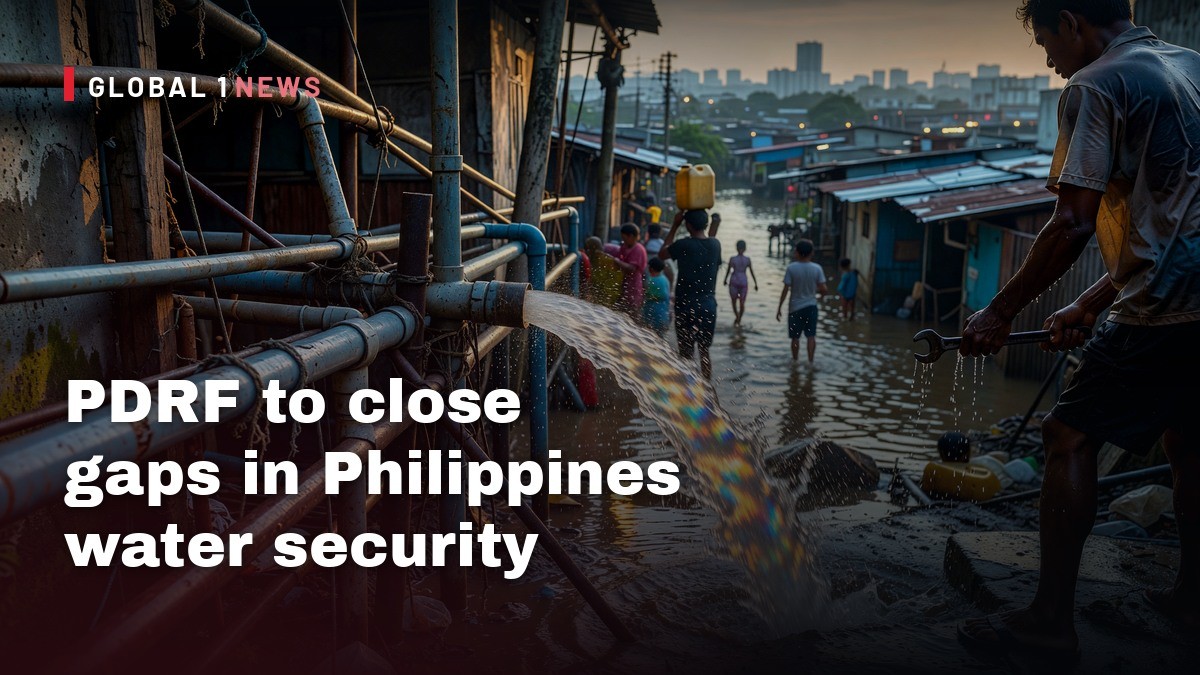
Manila—Despite the archipelago’s abundant water resources, countless Filipino families, bustling barangays and thriving enterprises continue to grapple with erratic supply, sudden floods and chronic shortages. The paradox of plenty and scarcity underscores a deeper challenge: the nation’s water systems are strained by shifting climate patterns, degraded watersheds, rapid urban growth and fragmented infrastructure. As the country strives to meet the basic right to water, the Philippine Disaster Resilience Foundation (PDRF) has stepped forward, convening a coalition of government agencies, local government units (LGUs), water utilities and its member‑companies in a landmark gathering called Cluster Connect. The event, held in Makati City, also marked the launch of the Building Resilience through Inclusive Development and Gender Equality (BRIDGE) project—an ambitious four‑year program funded by the government of Canada to bolster water management and climate resilience in Antipolo City and Baguio City.
Understanding the Water Gap in the Philippines
The Philippines enjoys a wealth of freshwater—from mountain springs to expansive river basins—yet many communities still face daily water woes. Experts point to a confluence of factors: erratic weather driven by climate change, watersheds scarred by deforestation and pollution, and the relentless expansion of cities that outpaces the capacity of aging pipelines and treatment plants. As demand rises, gaps in infrastructure become more pronounced, leaving households to endure intermittent taps, businesses to confront production delays and municipalities to wrestle with flood‑prone streets.
These challenges are not merely technical; they strike at the heart of Filipino life. In a typical barangay, a broken pipe can halt the morning ritual of washing hands before school, while a sudden flash flood can turn a sari‑sari store’s inventory into a soggy mess. The cumulative impact erodes trust in public services and hampers the nation’s broader goals of health, economic growth and climate adaptation.
The Role of Cluster Connect
Cluster Connect is an annual convening organized by PDRF that seeks to align the myriad actors involved in water resilience. By bringing together national agencies, LGU representatives, water utility managers and private‑sector partners, the forum aims to transform isolated efforts into a cohesive strategy. Participants discuss how the government can set clear direction, LGUs can lead implementation on the ground, and businesses can contribute resources, expertise and innovative technologies.
The 2026 gathering in Makati highlighted the urgency of coordination. While many agencies have launched programs to address water scarcity, the lack of a unified roadmap often leads to duplicated projects or missed opportunities. Cluster Connect strives to bridge these gaps, ensuring that policy, funding and technical solutions move in tandem rather than at cross‑purposes.
Launching the BRIDGE Project
At the heart of the 2026 Cluster Connect event was the official launch of the Building Resilience through Inclusive Development and Gender Equality (BRIDGE) project. Funded by the government of Canada, the four‑year initiative will focus on Antipolo City and Baguio City—two locales that epitomize the water challenges faced across the archipelago. Antipolo, perched on the slopes of the Sierra Madre, contends with watershed degradation, while Baguio, a highland city, wrestles with flash floods and aging water infrastructure.
The BRIDGE project is designed to strengthen water management through inclusive development, ensuring that gender considerations are embedded in planning and implementation. By integrating community voices—particularly those of women who often shoulder the burden of water collection—into decision‑making, the project aims to create solutions that are both technically sound and socially equitable.
Canada’s Partnership and Its Significance
Canadian Ambassador David Hartman underscored the importance of the partnership, noting that Canada’s own experience with sustainable water solutions rests on strong collaborations among government, the private sector and communities. He highlighted that the infusion of Canadian expertise, technology and investment will help the Philippines build resilient water systems that can withstand climate shocks while delivering reliable service to households and businesses.
This bilateral support reflects a broader trend of international cooperation in climate adaptation. For the Philippines, a country that regularly faces typhoons and rising sea levels, such partnerships provide not only financial resources but also a platform for knowledge exchange—allowing Filipino engineers and planners to learn from Canadian best practices in watershed restoration, smart water metering and community‑based water governance.
Implications for Local Communities
For the average Filipino, the outcomes of these initiatives could be felt in everyday life. In Antipolo, improved watershed management may translate to steadier river flow, reducing the frequency of water rationing during dry spells. In Baguio, upgraded pipelines and flood‑control measures could mean fewer streets flooded during monsoon rains, protecting homes and local markets from damage.
Moreover, the emphasis on gender equality ensures that women—who traditionally fetch water from distant sources—will have a stronger voice in shaping water policies. By involving women’s groups in project planning, the BRIDGE initiative aims to design solutions that reduce the physical and time burdens of water collection, freeing more hours for education, livelihood and community participation.
Challenges Ahead and the Path Forward
While the launch of BRIDGE and the coordination platform of Cluster Connect are promising steps, significant hurdles remain. Aligning the priorities of multiple government agencies, LGUs and private firms requires sustained dialogue, transparent data sharing and clear accountability mechanisms. Additionally, the scale of infrastructure upgrades needed—ranging from pipe replacements to watershed rehabilitation—demands substantial investment and long‑term maintenance commitments.
To ensure that the momentum does not wane, PDRF and its partners must institutionalize the coordination mechanisms forged at Cluster Connect, embedding them into the regular planning cycles of the Department of Public Works and Highways, the Department of Environment and Natural Resources and the National Water Resources Board. Continuous monitoring, community feedback loops and periodic reviews will be essential to adapt strategies as climate patterns evolve.
Why Water Security Matters for the Nation’s Future
Water security is more than a utility issue; it is a cornerstone of public health, economic stability and democratic resilience. Reliable access to safe water underpins the Philippines’ efforts to achieve universal health coverage, supports the productivity of micro‑enterprises that power local economies, and reinforces the trust citizens place in their government. In a country where the right to water is enshrined in the Constitution, closing the gaps between abundance and accessibility is a moral imperative.
As the nation confronts the twin threats of climate change and rapid urbanization, the collaborative model championed by PDRF—bringing together government direction, LGU leadership and private sector innovation—offers a hopeful blueprint. With continued support from partners like Canada and steadfast commitment from Filipino communities, the vision of a Philippines where every household enjoys safe, reliable water can move from aspiration to reality.
This article was produced with AI-assisted research and editorial support. Reporting is based on the source material cited below. Sources: Philstar.com; Global1.News (01 November 2026).
By Bella Reyes, Staff Writer
What's Your Reaction?
 Like
0
 Dislike
0
 Love
0
 Funny
0
 Wow
0
 Sad
0
 Angry
0

Philippines/Southeast Asia Correspondent at Global1.News. Manila-based journalist covering Philippine politics, environment, maritime security, and social issues. Passionate about marine conservation and the communities protecting the Philippines' natural heritage.









Comments (0)