
Saudi Arabia Braces for Two-Front Assault While Forging New Trilateral Defense Pact
Saudi Arabia is bracing for coordinated attacks by Iran-backed Houthis and Iraqi militias even as it signs a Nato-style defense pact with Turkey and Pakistan. Iran and Oman near a deal to reopen the Strait of Hormuz, where about one-fifth of the world's traded oil once passed.
Intelligence Points to IRGC-Orchestrated Strikes on Key Infrastructure
Saudi officials have received clear warnings of multiple coordinated attacks by Iraqi militia factions and Iran-backed Houthis, with targets including energy infrastructure, ports and airports. A senior Saudi official speaking on condition of anonymity confirmed to Reuters that the operations would fall under the supervision of Iran's Islamic Revolutionary Guard Corps.
Attacks are expected from Iraqi militias operating north of the kingdom and from Yemen's Houthis advancing from the south. This two-front threat emerges as the broader Middle East conflict widens following the US-Israel strikes on Tehran that began February 28, 2026.
The intelligence assessment leaves little room for doubt about the scale of preparation. Riyadh has already announced a new international naval coalition involving 13 countries to guard the Red Sea, yet the immediate danger now centers on simultaneous strikes that could disrupt oil exports and civilian aviation.
Trilateral Agreement in Mecca Alters Power Balance
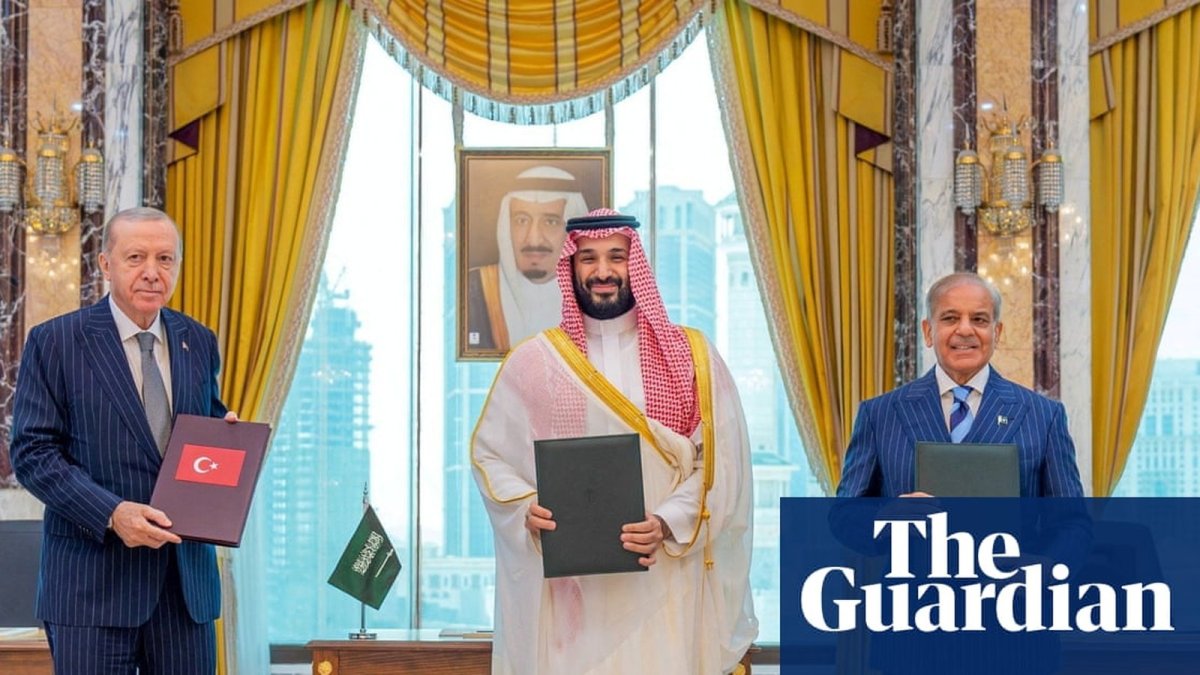
On Friday, August 7, 2026, Saudi Crown Prince Mohammed bin Salman joined Turkish President Recep Tayyip Erdogan and Pakistan's Prime Minister Shehbaz Sharif to sign a collective-defense pact in Mecca. The agreement states that an armed attack against any one of the three states will be treated as an attack against all three.
Erdogan indicated the alliance remains open to additional members. Former Iranian presidential adviser Hesamoddin Ashna noted on social media that the pact immediately reduces the effectiveness of threats against Gulf countries and raises the likelihood of Turkish and Pakistani involvement should Saudi Arabia come under attack.
The move reflects growing Sunni doubts about the reliability of the US security umbrella. Pakistan had already concluded a mutual defense pact with Saudi Arabia in 2025, though it has not yet responded militarily to prior Iranian attacks on the kingdom.
The Mecca pact's Nato-style mutual defence pledge among Saudi Arabia, Turkey and Pakistan creates a formal collective defence mechanism that shifts the regional balance by institutionalising mutual security commitments. Observers describe the arrangement as an 'Islamic NATO' that remains open to other members. Tehran-watchers view the pact as a direct challenge because former Rouhani adviser Hesamoddin Ashna assesses that it creates 'a nucleus for a new security order'. The agreement simultaneously reflects Sunni doubts about the reliability of the US security umbrella.
Houthi Missile Barrages Escalate Yemen Conflict
Thursday, August 6, marked one of the deadliest days in years for Yemen's civil war. Al Jazeera reported at least 30 government soldiers killed and 15 wounded when Houthis fired eight missiles from al-Jawf governorate targeting positions in Hadramout and Marib at 2pm local time.
A Guardian military source placed the death toll at least 58 Yemeni government troops from those missile and drone attacks. On Friday, August 7, at least 12 more Houthi missile attacks struck Hadramout and Marib, with air defenses downing drones above Marib and a drone strike killing three additional personnel.
Houthi military spokesman Yahya Saree declared the attacks had ended the de-escalation phase of the war. Yemeni sources indicate Saudi Arabia is preparing a major military offensive against the Houthis by sea and possibly by land in central Yemen to break their chokehold on southern Red Sea shipping lanes.
The attacks on August 6 struck units of the Homeland Shield Forces, which were formed in 2022 with Saudi backing, numbering tens of thousands, and guarding the Marib-Hadramout frontier and the Saudi border, as well as the Emergency Forces, which were created by presidential decree in late 2025 under Saudi-led coalition supervision. Strikes hit al-Thiniya and al-Abr in Hadramout and al-Rouk in Marib. Casualties proved high because troops had gathered for a morning training exercise, with Yemeni sources indicating that casualty numbers were expected to rise further as assessments continued.
Civilian Toll Mounts in Najran Province Attacks
A Houthi attack on southern Saudi Arabia's Najran province on August 6 injured 11 civilians, including seven Saudis, one Yemeni, two Egyptians and one Pakistani national. Among the wounded was a four-year-old child who suffered second-degree burns, according to Maj Gen Turki al-Maliki, spokesman for the Saudi-led coalition.
Al-Maliki accused the Houthis of indiscriminately shelling civilian areas in violation of international humanitarian law. GCC secretary-general Jasem Mohamed Albudaiwi denounced the strikes in the strongest terms, labeling them terrorist attacks and a flagrant violation of international law.
The Houthis have claimed attacks on eight Saudi-linked vessels since declaring a naval blockade of Saudi Arabia on July 20. They have also targeted Saudi state oil giant Aramco facilities in Jizan and Yanbu plus Najran airport, with a further ballistic-missile strike claimed on the Saudi-flagged oil tanker NCC Ghazal on August 5.
Hormuz Negotiations Near Completion with Oman
Iran and Oman have reached an understanding on geographic coordinates for a shipping route through the Strait of Hormuz, with a joint announcement being finalized, Iran's Foreign Ministry spokesman Esmaeil Baghaei said on August 5. Iran's Foreign Minister Abbas Araqchi stated the two sides are very close to an agreement.
Reopening the strait remains contingent on other conditions, including US compensation to Iran and the lifting of the US blockade on Iranian ports. The Guardian reports negotiations are in the final stage of drafting, with arrangements expected to last up to three months.
Before the war, about one-fifth of the world's traded oil and fossil gas passed through the waterway. Iran's goal in the talks is to set temporary arrangements where it can control a route through the strait, according to CNN reporting.
The economic stakes are considerable since before the war about one-fifth of the world's traded oil and fossil gas passed through the Strait of Hormuz, making the ongoing negotiations with Oman particularly significant at this time. Iran's stated goal of temporary arrangements lasting up to three months with Tehran controlling the route includes the reported condition that the US lift its blockade on Iranian ports. Shipowners and global energy markets remain in a state of uncertainty while the two sides finalise a joint announcement regarding these developments.
US Position on Munitions and Strait Reopening
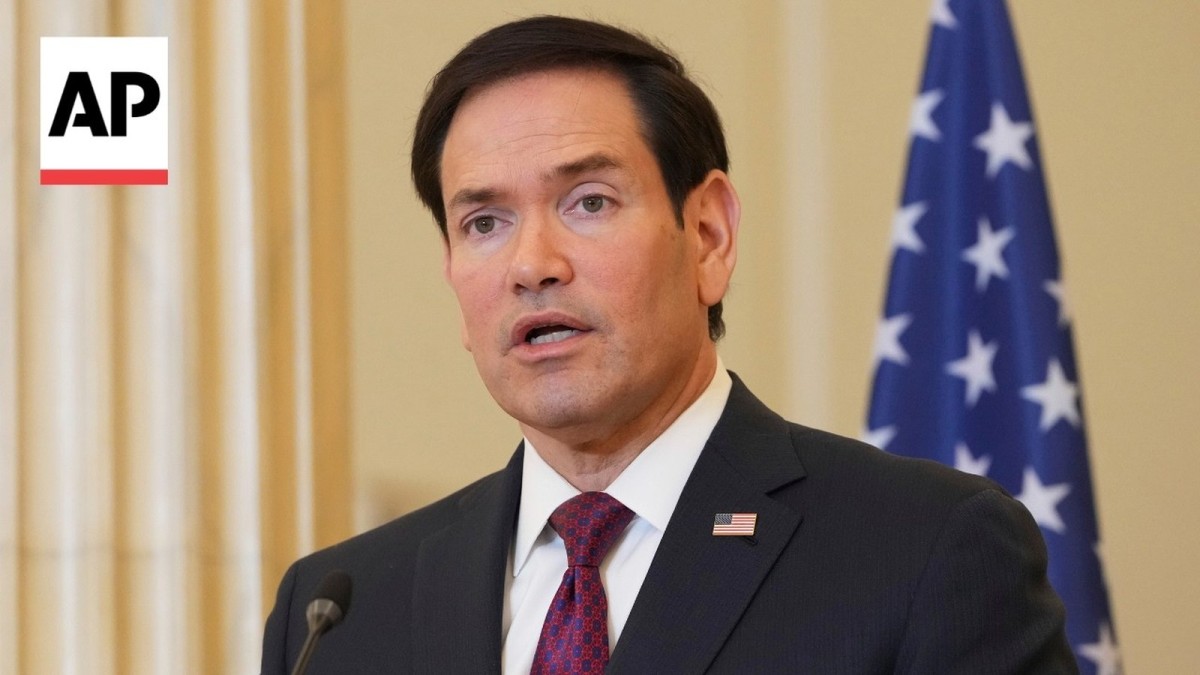
President Trump stated the United States possesses massive amounts of munitions and warned that Iran will be hit very hard if the Strait of Hormuz is not open soon. CNN reported the US expects the waterway to reopen in the near term.
Saudi Arabia has made clear it does not seek escalation but will not allow the current balance of power on the ground to be changed. The kingdom's new naval coalition of 13 countries aims to secure Red Sea shipping lanes against ongoing Houthi threats.
Analyst Ahmed Nagi of the International Crisis Group notes two drivers behind Houthi actions: stalled political talks since the 2022 truce and a regional effort to support Iran by increasing pressure on global shipping through the Red Sea.
Broader Implications for Sunni Security Architecture
The Mecca pact creates a nucleus for a new security order centered on Riyadh, Ankara and Islamabad. Analysts view the agreement as the region's attempt to determine its own security architecture amid concerns over Israel's assertive regional posture.
The Southern Transitional Council imploded in January 2026 after overreaching in December, allowing Saudi Arabia to reconstruct Yemen's government while excluding southern separatists. This restructuring occurs against the backdrop of hundreds of thousands killed in Yemen's war since the Houthis seized Sanaa in 2014.
With the US-Israel war on Iran now in its sixth month, the convergence of the trilateral defense agreement and the imminent Hormuz deal signals a decisive shift in how Gulf states intend to manage threats from Iran-backed proxies.
By Jessica Ali, Staff WriterAnalysts view the pact as a sign that the region is crafting its own security architecture free from outside imposition. This comes after the Southern Transitional Council imploded in January 2026 due to its overreach in December, allowing Riyadh to reconstruct Yemen's government without southern separatists. The situation builds on the deaths of hundreds of thousands in Yemen since the Houthis seized Sanaa in 2014. Attention now turns to whether the Houthis will carry out their threatened attacks and whether the Hormuz deal will conclude before the war advances into a more dangerous phase.
Saudi Arabia faces imminent two-front attacks from Houthis and Iraqi militias under IRGC direction while signing a collective-defense pact with Turkey and Pakistan on August 7. Iran-Oman talks on reopening the Strait of Hormuz advance amid US warnings. The 1,400-word report details casualty figures from August 6-7 strikes and the new naval coalition of 13 nations.This article was produced with AI-assisted research and editorial support. Reporting is based on sources cited in the article.
What's Your Reaction?
 Like
0
Like
0
 Dislike
0
Dislike
0
 Love
0
Love
0
 Funny
0
Funny
0
 Wow
0
Wow
0
 Sad
0
Sad
0
 Angry
0
Angry
0

Editor-in-Chief at Global1.News. Atlanta-based journalist who cuts through the BS and tells it like it is. Lead anchor, host, and the voice you hear when the spin stops and the truth starts.











Comments (0)