
Biden Prostate Cancer: Early Detection Lessons for India
The announcement of former US President Joe Biden's metastatic prostate cancer has sent ripples far beyond American shores, spotlighting a disease that claims lives through late detection rather than lack of treatment options. In India, where cultural barriers and absent national screening programs leave most cases undiagnosed until advanced stages, this high-profile story offers urgent lessons on why early action matters. With rising incidence among younger men and stark...
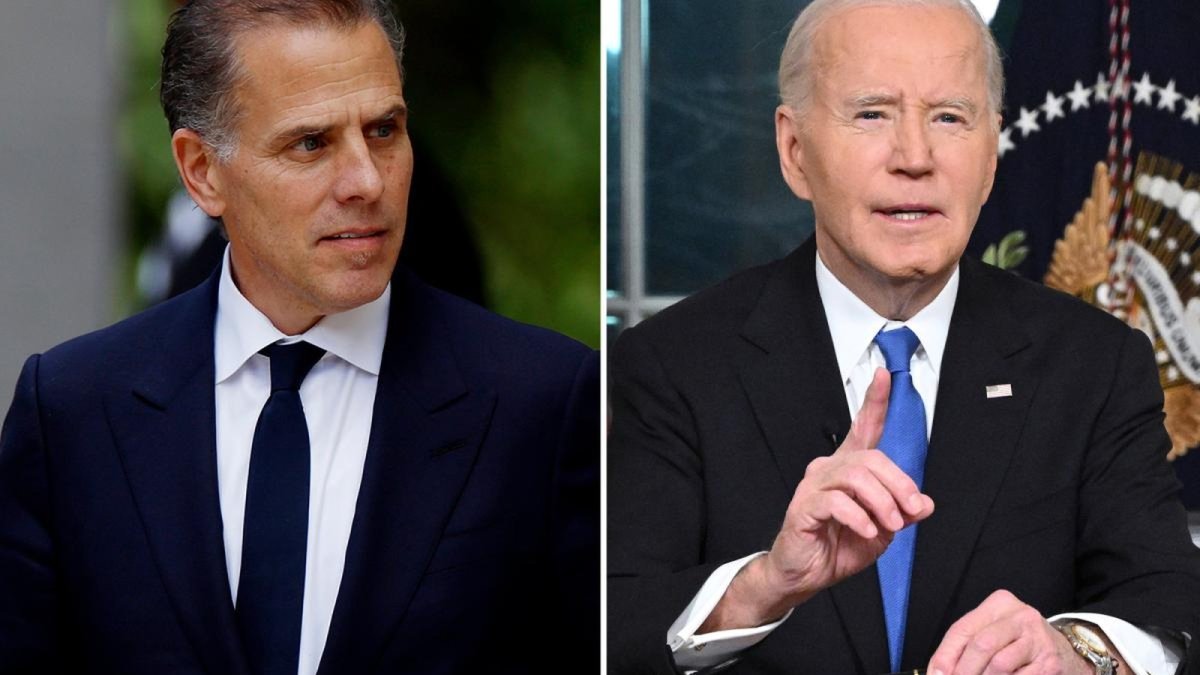
The announcement of former US President Joe Biden's metastatic prostate cancer has sent ripples far beyond American shores, spotlighting a disease that claims lives through late detection rather than lack of treatment options. In India, where cultural barriers and absent national screening programs leave most cases undiagnosed until advanced stages, this high-profile story offers urgent lessons on why early action matters. With rising incidence among younger men and stark contrasts to Western outcomes, the focus turns to what Indian men can learn before symptoms force a crisis.
Biden Prostate Cancer: Early Detection Lessons for India
New Delhi, India – August 9, 2026 — The update on Biden's condition highlights gaps in early detection that affect outcomes for men across India, where metastatic presentations dominate hospital data.
What Hunter Biden Revealed
Hunter Biden told the BBC that the cancer has spread and metastasized into his father's bones and further. He described the condition as very painful and very debilitating in many respects. Hunter grew emotional, calling it really sad to watch, and noted that he wished his father would complain more because the health situation is not good. Joe Biden, now 83 and the oldest man to serve as US president, left office on January 20, 2025, yet remains publicly active.
A Diagnosis That Had Already Spread
In May 2025, less than four months after leaving the White House, Biden revealed an aggressive form of prostate cancer that had already spread to his bones. Despite the diagnosis, he continues his public engagements, with Hunter stating that Biden so believes in this country. Biden plans to publish a memoir titled Promise Me, America after the US midterm elections.
The fact that Joe Biden's aggressive prostate cancer had already metastasized to his bones by the May 2025 diagnosis marks a clear stage IV presentation, where the disease had progressed beyond the prostate before any symptoms prompted medical attention. At 83 and the oldest man ever to serve as US president until leaving office in January 2025, Biden faced sustained public and media scrutiny over his age and fitness throughout his term. Public figures routinely weigh the timing and framing of serious health disclosures to sustain confidence and avoid perceptions of frailty, yet this case demonstrates the inherent difficulties when advanced disease emerges shortly after high office. Hunter Biden's August 2026 BBC interview described the spread as very painful and debilitating, expressing a wish that his father would complain more, while noting Biden's ongoing public activity and belief in the country. The planned memoir after the midterms extends this engagement, offering a platform to reflect on personal and national resilience amid advanced illness.

What Metastatic Prostate Cancer Means
Metastatic prostate cancer involves spread beyond the prostate, commonly to bones, making the disease treatable but not curable. Standard approaches include androgen deprivation therapy, docetaxel chemotherapy, and newer agents such as abiraterone and enzalutamide, along with radiation for bone pain. The focus remains on disease control and maintaining quality of life for patients. Androgen deprivation therapy functions through testosterone suppression to slow progression in hormone-sensitive cases, while castration-resistant disease requires additional agents like abiraterone or enzalutamide once resistance develops. Early detection before metastasis dramatically changes treatment burden by allowing options focused on cure rather than ongoing control measures such as chemotherapy and radiation for bone pain. In contrast, metastatic presentations shift priorities to quality-of-life maintenance with combinations of androgen deprivation therapy and newer hormonal agents. This distinction underscores why timely identification alters the overall therapeutic pathway and patient experience. Former US President Joe Biden's case of prostate cancer metastasized to bones and beyond illustrates these realities, with treatment centered on disease management rather than cure. The approach aligns with standard protocols that prioritize control through documented therapies while addressing symptoms like bone pain via targeted radiation.
The Indian Data: Late Diagnosis Is the Norm
India's National Cancer Registry Programme urban registries report age-adjusted incidence rates of 11.8 per 100,000 in Delhi, 10.9 in Kamrup Urban, and 9.7 in Mumbai from 2012-2019 Hospital-Based Cancer Registry data. A Tata Memorial Hospital analysis showed Indian patients presenting with localized disease at 15.2 per cent, locally advanced at 25.8 per cent, and metastatic at 58.4 per cent. ICMR-linked studies indicate late diagnosis at stage III/IV in 50-85 per cent of Indian cases, compared with roughly 15 per cent in the US. This pattern of late-stage presentation persists even as urban incidence rises, highlighting a disconnect between growing case numbers and timely identification. Globally prostate cancer ranks as the second most common cancer in men with approximately 1.47 million new cases in 2022, representing 7.3 per cent of all cancers. India's 37,948 new prostate cancer cases account for about 3 per cent of the 14 lakh new cancer cases nationwide, set against a backdrop of 9.1 lakh cancer deaths in 2022. These figures frame the scale of late diagnosis as a key driver of outcomes within the national cancer burden.

Why Indian Men Present Late
India maintains no national PSA screening programme, and the National Programme for Prevention and Control of Non-Communicable Diseases screens only for oral, breast, and cervical cancers. PSA testing stays opportunistic and self-paid in most settings. Experts note rising cases among Indian men under 50, often involving more aggressive disease forms, which compounds delays in cities such as Mumbai and Delhi. Cultural reluctance and stigma around prostate examinations further contribute to postponed evaluation, as does the absence of symptoms in early disease and frequent confusion between benign prostatic hyperplasia and cancer symptoms. The emerging under-50 trend adds urgency, with aggressive presentations in younger men overlapping with these barriers to prompt care. Without structured screening, reliance on self-paid testing leaves many cases undetected until advanced stages, amplifying the impact of late presentation across urban registries.
Screening, Access and Ayushman Bharat
Opportunistic PSA testing remains the primary route for Indian men over 50. Ayushman Bharat PM-JAY covers cancer treatment packages, including prostate cancer care, at empanelled hospitals. Men in this age group should discuss symptoms and risk factors with physicians at facilities linked to ICMR or Tata Memorial networks to enable earlier intervention where possible. Family history and age over 50 serve as key risk factors that men should raise during consultations to guide appropriate evaluation. Out-of-pocket costs for testing can deter opportunistic screening in general terms, limiting access for many. Indian men should ask physicians about personal risk factors, symptom interpretation, and available support through PM-JAY to explore options. The scheme's coverage of prostate cancer treatment packages at empanelled hospitals helps reduce catastrophic expenditure for the poor by facilitating access to care without direct financial strain.
The Bottom Line
With 58.4 per cent of Tata Memorial cases already metastatic at presentation and no national screening in place, Indian men face higher risks of advanced prostate cancer compared with US figures. Ayushman Bharat packages provide treatment access, yet the absence of systematic early detection leaves taxpayers and patients bearing the burden of later-stage care across states from Delhi to Mumbai.
A high-profile case such as this can sharpen focus on prostate cancer awareness in India, where GLOBOCAN 2022 data recorded 37,948 new cases among men, or roughly 3 percent of the 14 lakh total new cancer diagnoses, against a backdrop of 9.1 lakh annual cancer deaths. With Tata Memorial Hospital reporting 58.4 percent of patients presenting with metastatic disease and ICMR-linked studies showing 50 to 85 percent diagnosed at stage III or IV versus about 15 percent in the US, the lack of national PSA screening under the NP-NCD program, limited to oral, breast, and cervical cancers, leaves a clear detection gap. Pilot PSA screening efforts in selected urban districts could integrate targeted testing for higher-risk men into existing primary-care visits, leveraging opportunistic access already common in private settings. Adding prostate awareness messaging to NP-NCD communications would address this without new infrastructure, while Ayushman Bharat PM-JAY continues to cover treatment packages at empanelled hospitals. Indian men over 50 with a family history should discuss PSA testing with their physicians, as patterns from comparable health systems indicate earlier identification improves outcomes.
— By Dr. Raj Patel, Staff Writer
This article was produced with AI-assisted research and editorial support. Reporting is based on sources cited in the article.
What's Your Reaction?
 Like
0
Like
0
 Dislike
0
Dislike
0
 Love
0
Love
0
 Funny
0
Funny
0
 Wow
0
Wow
0
 Sad
0
Sad
0
 Angry
0
Angry
0

India/South Asia Correspondent at Global1.News. Analytical voice with a background in science and health journalism. Based in New Delhi, covering Indian politics, education, healthcare, technology, and policy. Breaks down complex data into clear, actionable reporting.















Comments (0)