
Russia Rolls Back Fuel Standards to the 2000s as Strikes Drain Gasoline
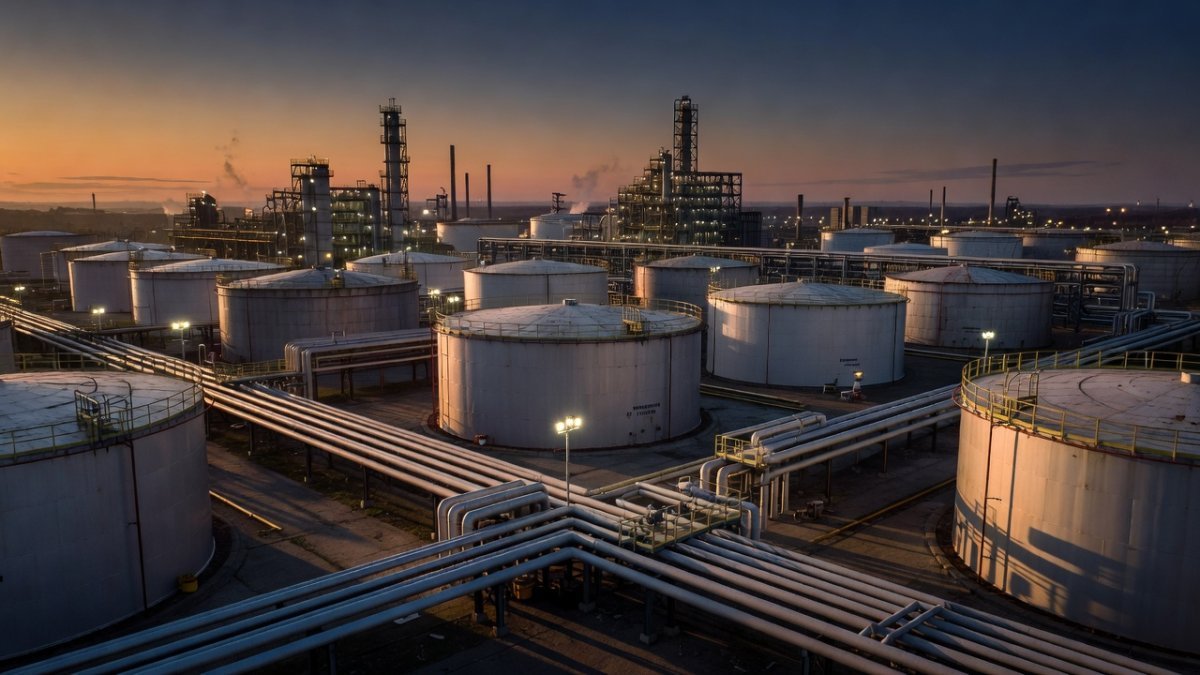
Russia has authorized the production and sale of Euro-2, Euro-3 and Euro-4 grade gasoline through July 2027, reversing more than a decade of environmental standards as Ukrainian drone strikes drain refinery output and fuel shortages spread across the country.
The Government Decree
Prime Minister Mikhail Mishustin signed a decree this week that permits the production, import, and sale of Euro-2, Euro-3, and Euro-4 gasoline classes until July 1, 2027. The measure directly addresses reduced fuel volumes on the domestic market and aims to lower the risk of further supply disruptions. Earlier in early July the government had already allowed selected refineries to release Euro-3 gasoline into circulation by the end of 2026.
Russia's vertically integrated oil companies such as Rosneft, Lukoil, and Gazprom Neft control the majority of refining capacity, giving the Kremlin direct leverage over domestic allocation decisions during periods of strain. The decree reflects a calculated shift in energy politics where short-term supply stability takes precedence over prior regulatory frameworks, a pattern seen when export restrictions have been adjusted to protect internal markets. For ordinary Russians this means continued access to fuel for daily commutes and agricultural work, even as the policy underscores how conflict-related disruptions now shape routine economic life far from the front lines.
Reversal of Environmental Standards
Russia banned Euro-2 fuel in 2013 because of its high pollutant levels and completed the shift to Euro-5 standards in 2016. The new decree undoes that 13-year progression by reintroducing classes that contain several times more sulfur and other hazardous impurities than Euro-5 fuel. These older grades increase emissions and can damage modern vehicle engines designed for cleaner combustion.
The fuel damper subsidy mechanism, long used by Moscow to balance export revenues against domestic price caps, now faces added pressure as lower-grade output is reintroduced to offset refinery losses. Kremlin decision-making in the energy sector has historically prioritized industrial output and state revenue over environmental timelines when external shocks arise, a dynamic that traces back to the consolidation of refinery ownership under major state-linked firms. Ordinary citizens in urban centers and rural regions alike will experience the trade-off through elevated air pollution and potential long-term vehicle maintenance costs that strain household budgets already stretched by inflation.
Impact of Drone Strikes on Refineries
Ukrainian drone attacks have reduced Russian gasoline production to 65 percent of average domestic consumption levels by early July. Diesel output fell to barely match demand during the same period. Strikes have halted or scaled back operations at facilities representing a large share of national gasoline output, with nearly one-third of the country’s refineries affected according to reporting from ArcticToday.
Refinery ownership concentrated among a handful of large players has created single points of vulnerability that Ukrainian strikes have exploited, forcing the Kremlin to recalibrate its energy security posture. This situation highlights how the conflict has shifted from distant battlefields into the core of Russia's domestic fuel infrastructure, compelling policy reversals that would have been politically costly in peacetime. For average Russians the result appears in longer queues at pumps and uncertainty over whether regional deliveries will arrive on schedule, illustrating the direct transmission of wartime pressures into everyday mobility.
Rationing and Station Closures
Regions from Siberia to Kaliningrad introduced odd-even gasoline rationing in July. Many stations imposed per-customer purchase limits, while hundreds of outlets suspended sales or closed entirely. Independent operators reported the most acute difficulties in maintaining regular supplies.
Independent filling stations lack the integrated supply chains that vertically integrated companies maintain, exposing them first when production shortfalls occur. The Kremlin's energy politics have long favored these larger entities during allocation disputes, a structure that amplifies regional disparities when shortages emerge. Ordinary Russians outside major cities now navigate fragmented access to fuel, affecting everything from school transportation to small business operations and underscoring how centralized control over refining capacity shapes daily life across vast distances.
Rising Fuel Prices
The average exchange price of AI-92 gasoline reached 63,700 rubles per metric ton in the first half of 2026, an 18 percent increase from the previous year. In Moscow this week, retail prices for AI-92 ranged from 56.99 to 60.49 rubles per liter, while AI-95 sold between 62.99 and 67.99 rubles per liter, according to Rosstat data.
Price pressures interact with the fuel damper mechanism, which the government has adjusted repeatedly to prevent runaway domestic costs while preserving export income for state coffers. Kremlin priorities in energy policy consistently balance these fiscal needs against public tolerance for higher living expenses, a calculation that grows more delicate as conflict-related output losses persist. For ordinary Russians the increases translate into higher costs for commuting, goods delivery, and heating in colder months, reinforcing the sense that wartime decisions now permeate household finances nationwide.
Pressure on Independent Stations
Independent filling stations, which account for roughly 40 percent of fuel sales by volume and do not belong to vertically integrated oil companies, have faced the sharpest shortages. These operators lack the integrated supply chains of larger firms and have been forced to impose stricter sales caps or close pumps for extended periods.
The ownership structure of Russia's refining sector, dominated by Rosneft, Lukoil, and Gazprom Neft, leaves independents dependent on allocations from these giants during crises. This dynamic reflects broader Kremlin energy politics that consolidate control to ensure strategic reserves remain available for priority uses. Everyday Russians who rely on smaller stations in smaller towns encounter the consequences most directly, facing inconsistent service that disrupts work schedules and local commerce in ways that larger urban centers can sometimes buffer.
Broader Economic Strain
The fuel shortages compound existing pressures from high inflation and elevated interest rates that have already raised borrowing costs and weakened consumer demand. Increased defaults have raised concerns about potential banking-sector instability. Belarus has provided additional supplies to help maintain operations at some Russian stations.
Energy policy choices made in Moscow now intersect with macroeconomic challenges, as refinery disruptions feed into wider inflationary spirals that affect wages and savings. The Kremlin's focus on sustaining military operations has required trade-offs that ripple outward, limiting the resources available for domestic stabilization measures. Ordinary Russians feel this through tighter household budgets and reduced economic confidence, as fuel availability becomes another variable in decisions about travel, employment, and family planning across the country.
Practical and Environmental Consequences
Lower-quality fuel has already produced visible effects, including a trash-collection crisis in one Dagestan city where half the municipal garbage trucks were sidelined. Continued use of Euro-2 and Euro-3 grades will raise pollutant emissions and accelerate wear on vehicles built to Euro-5 specifications.
Reintroducing older fuel grades reverses years of incremental environmental progress tied to Russia's modernization of its refining base. Kremlin decision-making under sustained external pressure has repeatedly subordinated such long-term goals to immediate operational continuity, a pattern that now affects air quality in cities and countryside alike. For ordinary citizens this means greater exposure to health risks from emissions while also confronting the practical burden of more frequent vehicle repairs that add unexpected expenses to already constrained incomes.
Kremlin Priorities Under Pressure
The decision to relax fuel standards signals that immediate supply security now outweighs long-standing environmental commitments. Analysts note that the costs of the conflict with Ukraine have reached ordinary Russians through higher prices, rationing, and reduced air quality. The policy shift illustrates how production losses at refineries are forcing trade-offs that directly affect daily mobility and regional economies.
These adjustments reveal how energy politics at the highest levels of Russian governance respond to battlefield developments by altering domestic rules that once appeared settled. The impact on ordinary Russians extends beyond fuel pumps into broader questions of regional equity and quality of life, as shortages and lower standards redistribute burdens unevenly across the federation. Such measures underscore the extent to which Kremlin choices in the energy sector now shape the texture of daily existence for millions far removed from policy debates in the capital.
By Irina Volkov, Staff Writer
This article was produced with AI-assisted research and editorial support. Reporting is based on sources cited in the article.
What's Your Reaction?
 Like
0
Like
0
 Dislike
0
Dislike
0
 Love
0
Love
0
 Funny
0
Funny
0
 Wow
0
Wow
0
 Sad
0
Sad
0
 Angry
0
Angry
0

Russia/Eastern Europe Correspondent at Global1.News. Covering Russian politics, energy, security, and the shifting dynamics of the post-Soviet space. Provides clear-eyed analysis on one of the world's most opaque regions.











Comments (0)