
Princess Sirivannavari thanks Chula Hospital staff for care of Queen Sirikit, Princess Bha
Introduction In Bangkok this week, Princess Sirivannavari Nariratana has sent a heartfelt letter to the director of King Chulalongkorn Memorial Hospital, expressing deep appreciation for the care given to two beloved senior members of the royal family during their final days. The letter arrives as a quiet yet powerful gesture amid the bustling corridors of one of Thailand’s mos
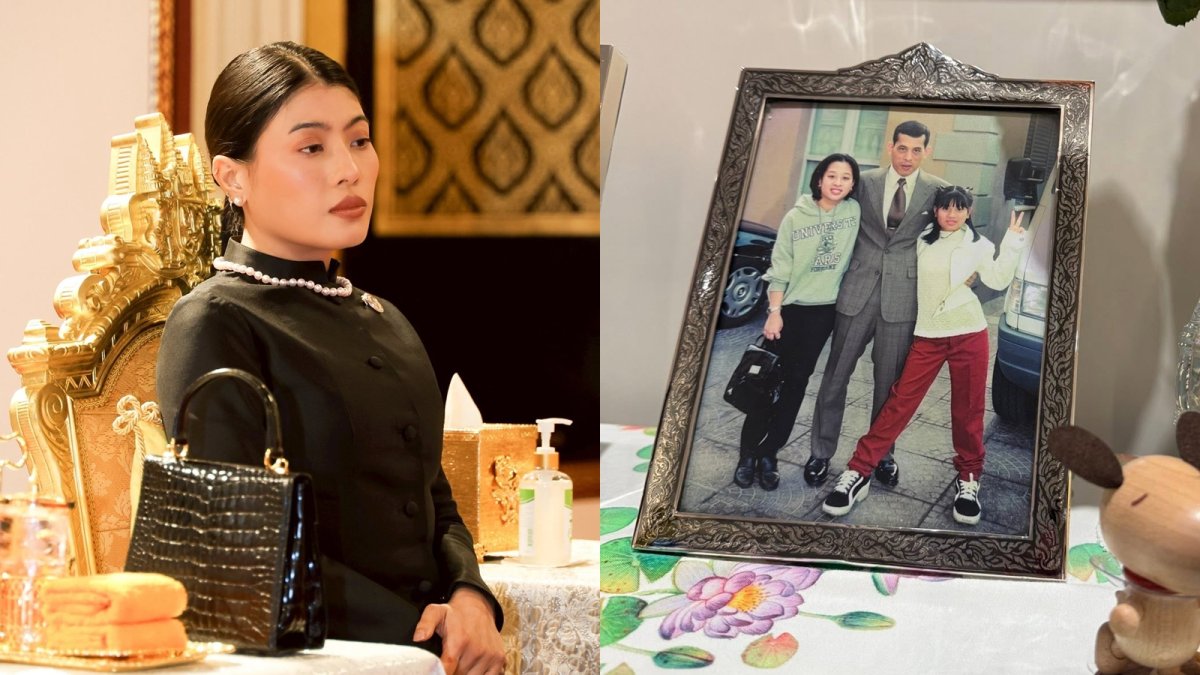
Introduction
In Bangkok this week, Princess Sirivannavari Nariratana has sent a heartfelt letter to the director of King Chulalongkorn Memorial Hospital, expressing deep appreciation for the care given to two beloved senior members of the royal family during their final days. The letter arrives as a quiet yet powerful gesture amid the bustling corridors of one of Thailand’s most respected medical centers, where doctors, nurses, and support staff continue their daily rounds with quiet dedication. For many in the capital, the news brings a sense of warmth, reminding citizens that even in moments of profound loss, gratitude remains a guiding light in Thai life.
Princess Sirivannavari Nariratana, known for her graceful presence in Thai cultural and public life, wrote not from a position of formality but as a family member who witnessed the tireless efforts of the hospital team firsthand. Her words carry special weight because they come directly from someone who shares the same personal stakes as countless Thai families who have placed their loved ones in medical care. This personal touch transforms the letter from a simple note of thanks into a bridge connecting the royal household with the everyday heroes working behind hospital doors.
Beyond the immediate story of loss and appreciation, this gesture holds deeper meaning for Thai society, highlighting how compassion and recognition flow both ways between the monarchy and the people. In a nation where the royal family has long been intertwined with public service and community well-being, such expressions reinforce shared values of respect and mutual support. The letter invites reflection on how gratitude can sustain those who serve during the most challenging times.
A Letter from the Heart
The letter itself reveals a tender and sincere tone, with Princess Sirivannavari writing explicitly as a family member of the patients rather than solely in her royal capacity. She thanked the medical staff across every department, including those who work quietly behind the scenes and never meet patients directly, for their time, physical effort, emotional labor, patience, and understanding. In one moving passage she noted, “The small hopes and the fighting spirit of every doctor and nurse at Chula Hospital — as a family member, I am deeply grateful,” capturing the quiet resilience that defined the care provided over many months.
She went on to emphasize how every contribution mattered, whether visible at the bedside or hidden in laboratories, administrative offices, and supply rooms. This acknowledgment of unseen workers underscores a profound respect for the full ecosystem of hospital life, where countless hands work together to create an environment of healing and comfort. By recognizing these often-overlooked roles, the princess highlighted the collective spirit that makes institutions like King Chulalongkorn Memorial Hospital function with such dedication.
Closing her message on an especially personal note, Princess Sirivannavari wrote, “Love Chula Hospital very much. I know everyone is exhausted and hasn’t slept — thank you,” and wished the entire staff good health and happiness while urging them to continue their devoted service to the public. These words carry an intimate warmth that resonates far beyond protocol, revealing a genuine concern for the well-being of those who gave so much during difficult years. The emotional honesty in her phrasing invites readers to feel the weight of appreciation that comes from someone who has walked alongside the staff through uncertainty and sorrow.
Three Years of Dedication
The princess openly acknowledged that the past three years had been difficult for both the medical staff and the royal family, a period marked by prolonged treatment journeys and the heavy demands placed on healthcare workers across Thailand. During this time, teams at King Chulalongkorn Memorial Hospital maintained round-the-clock vigilance, balancing advanced medical interventions with the gentle human touch that comforts families facing long illnesses. Her recognition of this shared hardship brings attention to the quiet endurance required when care extends over many seasons.
Throughout her letter, Princess Sirivannavari highlighted the physical and emotional effort of every doctor and nurse, qualities that align closely with longstanding Thai Buddhist values of metta, or loving-kindness, and selfless service to others. In Thai culture, such compassion is not merely professional duty but a moral practice that brings merit and meaning to daily work. By naming these efforts, the princess connected the hospital’s service to deeper spiritual traditions that have guided Thai society for generations.
King Chulalongkorn Memorial Hospital stands as one of Thailand’s most prestigious medical institutions, with historic ties to the royal family through the Thai Red Cross Society that underscore its role in national healthcare. This connection has long positioned the hospital as a place where cutting-edge treatment meets compassionate care, serving patients from all walks of life while upholding standards that reflect the kingdom’s commitment to public welfare. The princess’s thanks further illuminate how this legacy continues through the daily dedication of its staff.
Queen Sirikit and Princess Bajrakitiyabha
Her Majesty Queen Sirikit The Queen Mother remains deeply beloved across Thailand, and news of her treatment at King Chulalongkorn Memorial Hospital was followed closely by people throughout the country who hold her memory in the highest regard. Families across generations recall her lifelong dedication to public welfare, making the hospital’s role in her care a matter of national significance and quiet mourning. The princess’s letter honors this shared national sentiment by expressing gratitude on behalf of the family.
Princess Bajrakitiyabha, often affectionately called Princess Bha by the Thai people, played an important role in society through her work in the justice system and with international organizations. Her presence brought inspiration to many, particularly in efforts promoting fairness and humanitarian values, and her passing represented a profound loss felt widely across the kingdom. The princess’s thanks for the care given to her elder sister adds a layer of personal tenderness to what was already a deeply felt national moment.
Both senior royals received the best possible care under the circumstances, a fact Princess Sirivannavari noted with sincerity in her letter. This royal recognition carries special weight for Thailand’s healthcare community, affirming that even at the highest levels, the dedication of medical professionals is seen, valued, and remembered. Such acknowledgment helps elevate the morale of staff who strive daily to provide excellent treatment to every patient who enters their doors.
Gratitude in Thai Tradition
Princess Sirivannavari’s letter beautifully embodies the Thai cultural value of katanyu, or gratitude, which is deeply rooted in Buddhist teachings and everyday social practice. In Thailand, expressing thanks is considered both a virtue and a responsibility, especially when acknowledging those who have offered help during times of vulnerability. By putting these feelings into written words, the princess upheld a tradition that strengthens community bonds and honors the efforts of others.
The letter resonates strongly with ordinary Thais who have themselves received care at King Chulalongkorn Memorial Hospital or who hold the royal family in deep reverence. Many families across Bangkok and beyond have stories of compassionate treatment at the facility, making the princess’s public appreciation feel personal and relatable. This shared experience reinforces the enduring bond between the monarchy and the people, a relationship built on mutual respect and care that has shaped Thai society for decades.
Central to the story is the Thai concept of nam jai, a generosity of spirit demonstrated both by the medical staff’s unwavering dedication and by the princess’s thoughtful recognition of their work. Nam jai flows quietly through Thai interactions, encouraging acts of kindness without expectation of reward. In this instance, it appears in the long nights of hospital service and in the sincere words of thanks that follow, creating a cycle of goodwill that uplifts everyone involved.
What This Means for Thai Healthcare
Through her words, Princess Sirivannavari draws attention to the extraordinary dedication of Thailand’s medical professionals, who often work extended hours under significant pressure while maintaining empathy for every patient and family. Her letter serves as a reminder that behind every successful treatment lies a network of committed individuals whose efforts rarely receive public spotlight. Recognizing this reality helps foster greater understanding of the human element within modern healthcare.
Thailand’s healthcare system has earned recognition as one of the stronger systems in Southeast Asia, supported by widespread access through universal coverage and a growing reputation for medical tourism that attracts patients from around the region. Facilities like King Chulalongkorn Memorial Hospital exemplify this blend of advanced technology and attentive service, contributing to better health outcomes for citizens and visitors alike. The princess’s gratitude adds a human dimension to these institutional strengths.
Her closing wish that staff continue serving the public with the same devotion underscores the importance of morale and meaningful recognition for healthcare workers throughout Thailand. When leaders acknowledge exhaustion and offer sincere thanks, it can renew energy and commitment among teams facing ongoing challenges. Such gestures help sustain the compassionate spirit that defines quality care in Thai hospitals.
Conclusion
Princess Sirivannavari’s letter stands as more than a personal note of thanks; it reflects core Thai values of gratitude, compassion, and dedicated service that continue to guide the nation through both joyful and sorrowful times. By honoring the collective efforts of an entire hospital community, she reminds readers that healing involves not only medicine but also the warmth of human connection and acknowledgment. This message carries forward a gentle legacy of appreciation that resonates across generations.
For Thai readers, the story deepens the sense of connection between the royal family and everyday citizens who share similar experiences of caring for loved ones. In the simple act of saying thank you, there lies a powerful affirmation of shared humanity and enduring respect. As the letter circulates, it encourages all who read it to carry forward the same spirit of nam jai in their own lives and communities.
By Ann Srisawat, Staff WriterThis article was produced with AI-assisted research and editorial support. Reporting is based on sources cited in the article.
What's Your Reaction?
 Like
0
Like
0
 Dislike
0
Dislike
0
 Love
0
Love
0
 Funny
0
Funny
0
 Wow
0
Wow
0
 Sad
0
Sad
0
 Angry
0
Angry
0

Southeast Asia Correspondent at Global1.News. Based in Bangkok, covering Thai and Southeast Asian politics, economy, technology, and culture. Deep regional perspective on one of the world's most dynamic regions.














Comments (0)