
Paramount Skydance's $110.9 Billion Warner Bros. Discovery Merger Faces Antitrust Wall
Folks, if you're as fired up as I am about two Hollywood giants trying to merge into one mega-studio while a dozen states and the Writers Guild say "not so fast," then buckle up. This $110.9 billion Paramount Skydance bid for Warner Bros. Discovery just hit a federal court wall in San Francisco, pausing the whole thing and pushing any close date to after an antitrust trial or June 1, 2027, whichever hits first.
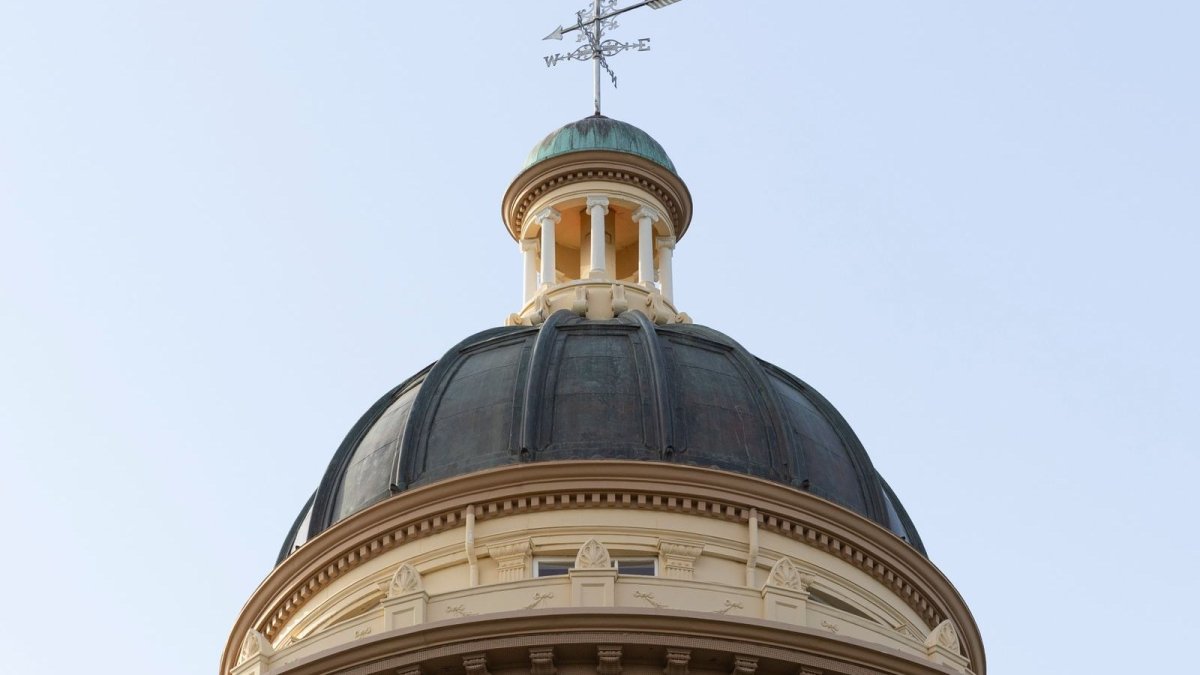
The Deal That Would Reshape Hollywood
Paramount Skydance, led by CEO David Ellison, is chasing a roughly $111 billion acquisition of Warner Bros. Discovery that would fold two of Hollywood's oldest and most recognizable film studios under one corporate roof. The move would combine Paramount's assets with Warner Bros. Discovery's vast library, including its film, cable, and streaming operations. Warner Bros. Discovery itself came together in April 2022 when AT&T spun off WarnerMedia and merged it with Discovery Inc., creating a streaming and content powerhouse that now faces this new consolidation push.
At its core the deal aims to create a stronger competitor in an industry squeezed by tech giants and shifting viewer habits. Paramount has pitched the combination as a way to bulk up against bigger players, but critics see it as a power grab that could squeeze out smaller voices. The numbers are eye-popping: we're talking about uniting decades of iconic brands like Warner Bros. pictures and Paramount classics into a single entity controlling massive chunks of film and cable markets.
The push for bigger scale reflects how streaming has flipped the old model on its head, forcing legacy players to chase size just to keep pace with platforms that already own distribution and data. When two studios with deep film libraries and cable footprints join forces, the logic runs that they can spread costs across more titles and negotiate harder with tech distributors, yet that same size can lock in advantages that smaller creators never recover from. Viewers end up watching the ripple effects in real time as libraries get repackaged under fewer roofs and release schedules tighten around one company's priorities.
Consolidation like this often follows periods of rapid tech disruption, where companies bet that merging will buy them leverage they could not build alone. The risk is that the efficiencies promised on paper translate into narrower pipelines for new projects and less room for outside voices to break through. That dynamic hits hardest for audiences who already juggle multiple subscriptions and notice when familiar titles disappear or pricing tiers shift without warning.
Twelve States Strike Back
Mid-July 2026 brought the hammer down when 12 state attorneys general filed an antitrust lawsuit in federal court in San Francisco to block the deal. California Attorney General Rob Bonta, a lead figure in the coalition, warned the merger would "rig film and cable markets" and trigger irreparable harm to competition. Minnesota Attorney General Keith Ellison joined the effort, arguing alongside the group that the combined company would dominate streaming, film, and television in ways that hurt consumers.
The Writers Guild of America jumped in as a plaintiff, adding creative-industry muscle to the states' case. The coalition contends the merger would cause massive price spikes for streaming services, movies, and TV shows while reducing the number of buyers for writers' work. This isn't some fringe complaint; it's a coordinated legal strike from officials across the country who say the deal crosses the line into anti-competitive territory.
If you're wondering why these states care so much, it's because the proposed union would concentrate power in ways that echo past media consolidations but on a larger scale. The lawsuit lays out how fewer independent players mean less bargaining power for talent and higher costs passed straight to viewers.
Antitrust enforcement has swung back toward closer scrutiny after years of lighter touch, with state AGs now filling gaps where federal action moves slower. When officials from multiple states band together, they signal that the merger's reach crosses borders and affects local economies through job concentration and pricing power in entertainment. "Rigging film and cable markets" shows up concretely when one buyer controls the bulk of distribution deals, leaving producers with fewer outlets and forcing theaters or cable providers to accept terms that eventually reach consumers as bundled packages with fewer alternatives.
State-level suits like this also serve as early warning systems for national policy, testing arguments about market dominance before they reach higher courts. The involvement of the Writers Guild adds a layer that pure regulatory filings often miss, spotlighting how creative labor feels the squeeze when buyer power grows. Viewers feel it downstream through reduced variety in what gets greenlit and how quickly prices adjust upward once competition thins.
A Court Pause and a Delayed Merger
A federal court in San Francisco hit the brakes on the historic $110 billion merger, pausing proceedings while the antitrust case moves forward. On Friday in late July 2026, Paramount agreed to postpone finalizing the deal until five days after the antitrust trial concludes or June 1, 2027, whichever comes first. That timeline sets up a high-stakes showdown with Paramount pushing for a November 2026 trial start while the state AGs and WGA want the case to begin in April 2027.
The pause gives everyone breathing room to argue the merits, but it also freezes the clock on what was supposed to be a swift combination. San Francisco federal court now becomes the arena where lawyers will hash out whether this merger strengthens or strangles Hollywood competition. The delay means executives on both sides must recalibrate plans that once assumed a quicker close.
Legally, the pause functions as a standstill order that prevents irreversible steps like asset transfers or leadership changes while the court weighs evidence. It buys time for discovery and motions without letting momentum from the original agreement steamroll the litigation. The fight over November versus April trial dates reveals strategic calculations: an earlier date favors the side hoping to close before costs mount too high, while a later date lets challengers build a fuller record of potential harms.
That scheduling battle also shapes public perception, turning the courtroom calendar into its own form of leverage. Executives must manage investor expectations across months of uncertainty, and any signals from the bench on evidence or settlement could shift the entire trajectory. For audiences, the extended timeline means ongoing questions about future content pipelines and pricing remain unresolved longer than anyone originally planned.
The $1.7 Billion Clock
Here's where the pressure mounts: Paramount could owe as much as $1.7 billion in "ticking fees" to Warner Bros. Discovery shareholders if the deal drags on. Those fees run about $7 million a day once the merger misses the September 30 target, turning every month of litigation into serious cash leaving the building. A Paramount spokesperson fired back with confidence, stating, "We look forward to proving our case at trial."
The ticking-fee structure was baked into the original agreement as protection for Warner Bros. Discovery investors, but it now acts like a financial time bomb for Paramount. Each day the court pause continues adds up, forcing both sides to weigh the cost of fighting versus folding. This isn't abstract math; it's real money that could reshape how aggressively Paramount defends the deal.
The daily accrual turns litigation into a direct financial contest, where one side absorbs mounting outflows while the other gains breathing room. Shareholders on the Warner Bros. Discovery side see the fees as downside protection that keeps the deal alive even as delays pile up. On the Paramount side, the same structure pressures executives to accelerate resolution or risk eroding value that was supposed to justify the entire transaction.
Over time those fees can shift internal priorities, pushing negotiators toward settlement talks or creative workarounds that keep the merger on track without full courtroom resolution. The structure rewards speed and punishes drawn-out fights, yet it also highlights how modern deals embed these mechanisms to balance risk when regulatory hurdles appear. Viewers ultimately absorb the downstream effects if the combined company passes along those costs through higher service tiers or reduced investment in new programming.
Hollywood's Power Broker Weighs In
Ari Emanuel, CEO of TKO Group Holdings which owns UFC and WWE and former Endeavor chief, jumped into the fray with a Wall Street Journal op-ed published Tuesday, July 28, 2026. He defended the merger and blasted the states' antitrust lawsuit as "trash," echoing Paramount's talking points that the deal would actually strengthen Hollywood competition. Emanuel's piece argues the combination creates a more viable rival to streaming giants rather than harming the market.
Meanwhile, Variety's Todd Spangler reported that some Warner Bros. Discovery executives privately hope the lawsuit derails the deal entirely, while others have accepted that the merger will probably still happen. The split inside the target company shows just how messy these mega-deals become once regulators and guilds get involved. Emanuel's defense adds outside firepower, but it also highlights how divided opinions remain even among industry insiders.
Figures like Emanuel carry weight because their portfolios span live events, talent representation, and content packaging, giving them a panoramic view of where power concentrates. An op-ed from that perch can sway investor sentiment and frame the public debate even if it does not change legal outcomes. It also underscores how interconnected the entertainment ecosystem has become, where a voice from sports and wrestling can shape narratives around film and television consolidation.
The internal divisions at Warner Bros. Discovery reveal the human element behind balance-sheet decisions, with some leaders seeing the merger as an exit ramp and others viewing it as a threat to independence. That tension leaks into negotiations and can influence how aggressively the company defends its position in court. For regular viewers, these behind-the-scenes dynamics matter because they determine whether the final structure prioritizes scale or preserves some measure of choice across platforms.
What This Means for Viewers
If this merger survives the trial, expect streaming prices to climb as the combined entity faces less pressure to compete on cost. Film and television markets could see fewer independent buyers for content, which often translates into higher ticket prices, subscription fees, and fewer original shows. The states' lawsuit spells out exactly that risk: irreparable harm to competition that hits regular people in their wallets and their remote controls.
Historical context matters here. Past media mergers have promised efficiency but delivered consolidation that narrowed options over time. Viewers should watch the trial timeline closely because a November 2026 start versus an April 2027 date will determine how long uncertainty lingers over new releases and service pricing. The outcome could set precedent for how future studio combinations get scrutinized in an era of cord-cutting and global streaming wars.
Folks, this isn't just boardroom drama. It's about whether one company ends up controlling too much of what we watch and how much we pay for it. Keep an eye on the San Francisco courtroom and any signals from the AG coalition about settlement talks.
Concrete effects show up in everyday choices: streaming bundles that once competed on price may start aligning more closely, while cable channel lineups lose distinct voices when ownership overlaps. Content libraries that feel expansive today could see selective pruning as the combined entity prioritizes its own titles over licensing deals with outsiders. Those shifts compound over months, turning small increases in monthly bills into noticeable annual costs for households already managing multiple services.
The precedent angle runs deeper than one case. A ruling here could influence how future combinations get reviewed when tech platforms keep growing and traditional studios seek defensive scale. Viewers who track the arguments will spot patterns in how regulators define harm, from pricing power to reduced creative outlets, and can adjust expectations for what lands on their screens next year.
The Bottom Line
The stakes couldn't be higher for Hollywood's future shape and for the audiences who fuel it. With the court pause in place and ticking fees mounting, both sides have every incentive to fight hard, yet the states and WGA show no sign of backing down. If you're as fired up as I am, track the trial scheduling fights and the public statements from Bonta and Ellison. Reach out to your own state attorney general's office to ask where they stand, and stay tuned to Global 1 News for updates as this antitrust battle unfolds. The power to demand real competition starts with paying attention.
Looking ahead, the resolution will likely reshape how studios weigh regulatory risk against the urge to consolidate, setting the tone for whether scale remains the default answer to streaming pressures. Audiences hold quiet leverage through subscription choices and public feedback that regulators notice, so staying engaged now could influence the next round of industry realignment before it locks in. The courtroom calendar may drag, but the decisions made there will land on screens and bills for years to come.
By Jessica Ali, Staff Writer
This article was produced with AI-assisted research and editorial support. Reporting is based on sources cited in the article.
What's Your Reaction?
 Like
0
Like
0
 Dislike
0
Dislike
0
 Love
0
Love
0
 Funny
0
Funny
0
 Wow
0
Wow
0
 Sad
0
Sad
0
 Angry
0
Angry
0

Editor-in-Chief at Global1.News. Atlanta-based journalist who cuts through the BS and tells it like it is. Lead anchor, host, and the voice you hear when the spin stops and the truth starts.













Comments (0)