
Owner of Na Ladprao Beer Hall Charged with Six Offenses Following Deadly Fire
Police in Bangkok have charged the owner of Rong Beer Na Lat Phrao with six criminal offenses today after a thorough investigation into the July 12 fire that killed 37 people and injured 77 others. The case highlights ongoing challenges with venue safety in Thailand's entertainment sector, an issue that affects tourism and public confidence across ASEAN nations where similar establishments draw both locals and visitors.
Police in Bangkok have charged the owner of Rong Beer Na Lat Phrao with six criminal offenses today after a thorough investigation into the July 12 fire that killed 37 people and injured 77 others. The case highlights ongoing challenges with venue safety in Thailand's entertainment sector, an issue that affects tourism and public confidence across ASEAN nations where similar establishments draw both locals and visitors.
Owner of Na Ladprao Beer Hall Charged with Six Offenses Following Deadly Fire
Bangkok, Thailand — Pol Maj Gen Kiatikul Sonthinen, commander of Metropolitan Police Division 2, announced today that Suwicha Salaibat, 45, faces charges both as an individual and on behalf of Rong Beer Na Lat Phrao Ltd. The six offenses include reckless arson causing death, negligence causing death, negligence causing serious injury, negligence causing physical and psychological harm, property damage, and operating an entertainment venue without a licence. Investigators completed a seven-volume case file after questioning 211 witnesses, including employees, customers, relatives of victims, experts and forensic officers. The case has now been forwarded to prosecutors for consideration. Mr Suwicha remains in intensive care at Paolo Kaset Hospital and has not yet been questioned, while his four business partners were interviewed but showed no involvement in venue management.
Investigation Findings on the Cause of the Blaze
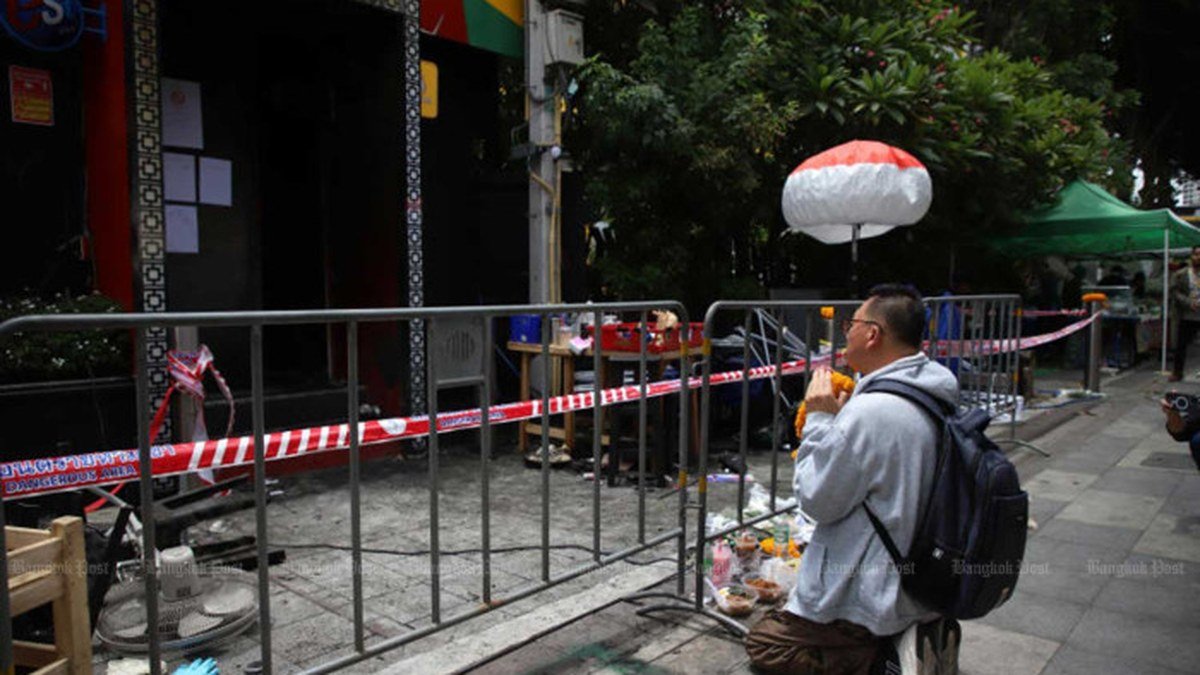
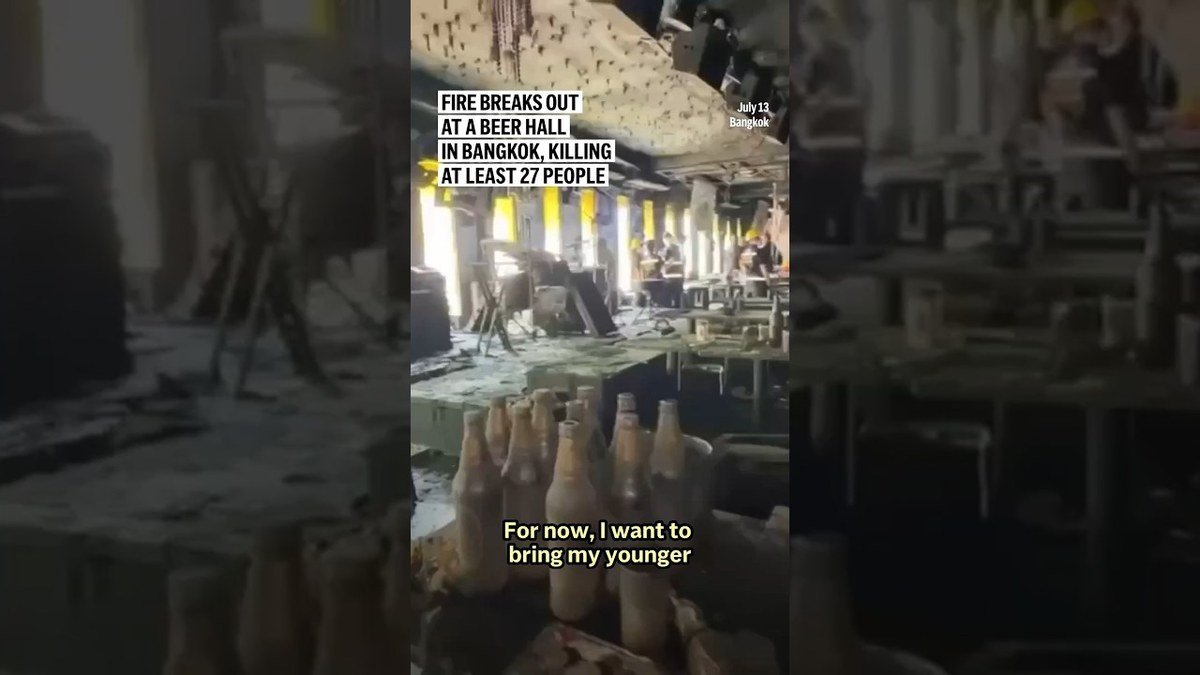
Police determined that the fire originated from an electrical short circuit after modifications to the venue's electrical system on Lat Phrao Road in the Chatuchak district. Sparks ignited soundproofing materials, allowing the blaze to spread rapidly through the beer hall and live-music venue near Union Mall and the Phahon Yothin MRT station. The venue's layout, with numerous tables obstructing movement and emergency exit doors that were blocked, locked or non-compliant with regulations, prevented quick evacuation. Power failed immediately, plunging the interior into darkness, and most of the 37 victims died from smoke inhalation after many patrons headed toward the kitchen and bathrooms at the rear.
The owners had founded Rong Beer Na Lat Phrao Ltd. only recently on 14 November 2024, with Suwicha holding 95 percent of the shares and Bangorn holding the remaining 5 percent. The company initially registered its purposes as selling food and alcoholic beverages while also hosting musical and entertainment shows, though these purposes were later simplified to conducting a restaurant business. This background helps explain how the venue operated as both a dining spot and a live-music destination, drawing crowds to its two main entrances and two fire exits on Lat Phrao Road. Many in the community recall how such places often blend everyday Thai social life with evening performances, creating spaces where families and friends gather yet also raising quiet questions about how quickly safety measures keep pace with growing popularity.
Among the first confirmed victims were 18 women and 9 men, most of whom perished from smoke inhalation rather than burns. Authorities quickly set up a registration point near the scene so relatives could provide information and begin the difficult process of identifying loved ones. The building itself had opened in 2023 and stood close to Union Mall and the Phahon Yothin MRT station, making it convenient for residents across northern Bangkok. These details paint a fuller picture of a neighborhood venue that had become part of daily routines, where the sudden loss touches not only immediate families but also the wider circle of friends and neighbors who shared meals and music there.
Further examination revealed that the fire started near the front stage area, where a circuit breaker apparently sparked before the power failed. With the interior suddenly dark, many patrons instinctively moved toward the rear, seeking the kitchen and bathrooms as possible exits. Firefighters later discovered many victims in those areas, underscoring how even small changes in layout or signage might have altered the outcome. In Thai culture, such gatherings often carry a sense of warmth and togetherness, making the tragedy feel especially heavy for those who view these venues as extensions of community life rather than mere businesses.
Timeline of the July 12 Tragedy
The fire broke out at 23:57 ICT on July 12, 2026, at Rong Beer Na Lat Phrao, which had opened in 2023. A musician performing that night reported seeing smoke from a circuit breaker near the stage before hearing an explosion and watching thick smoke fill the building. Firefighters brought the blaze under control in about half an hour. The death toll rose from an initial 27 to 37 over subsequent weeks as injured victims succumbed in hospital. This marks the deadliest fire in Thailand since the 2009 Santika Club fire in Bangkok, which killed 67 people during New Year celebrations. Prime Minister Anutin Charnvirakul visited the scene and addressed the public about the tragedy.
Emergency services received the first report just before midnight, and responders worked swiftly to contain the flames within roughly thirty minutes. Yet the human toll continued to climb in the days that followed, moving through stages of 28, 30, 32, 33, 34, 35, and finally 36 before the sound technician of the band Thotsakan passed away on 25 July, bringing the total to 37. This gradual rise reminds many Bangkok residents of how injuries from smoke and heat can linger, turning what begins as a night of music into weeks of hospital vigils for families across the city.
The 2009 Santika Club fire, which claimed 66 to 67 lives on New Year’s Eve in the Ekamai area, remains a painful reference point for older generations who remember the shock of that evening. Likewise, the 2022 Mountain B music pub fire in Chonburi’s Sattahip district, where 26 people died during a live performance, showed similar patterns of stage-area ignition and rapid smoke spread. These earlier events, though separated by years, echo in conversations today as Thais reflect on how entertainment venues continue to evolve while safety lessons from the past still seek fuller application in daily practice.
Prime Minister Anutin Charnvirakul’s visit brought national attention to the site, where he spoke gently about the need for collective care in public spaces. Relatives gathered at a nearby temple in the following days to perform traditional merit-making ceremonies, lighting incense and offering alms in quiet remembrance. Such cultural responses help communities begin healing, even as the investigation continues and the city slowly returns to its rhythms of evening gatherings and live music along Lat Phrao Road.
Safety Inspections Across Bangkok Establishments
In response, Bangkok Metropolitan Administration teams inspected 948 entertainment establishments between July 19 and August 4. Of those inspected, 209 met safety standards, 632 received orders to make improvements, and 107 were ordered to cease operations. The checks covered 17 safety criteria, including fire prevention, hygiene and building safety. Bangkok deputy governor Pornphrom Vikitsreth stated that operators would receive opportunities to fix non-critical deficiencies, while serious violations would lead to legal action. This follows the 2022 Mountain B music pub fire in Chonburi province that killed 26 people, revealing a recurring pattern in Thailand's entertainment venues.
Deputy governor Pornphrom Vikitsreth emphasized that the inspections aim to support rather than simply punish, giving owners time to address smaller issues while reserving stronger measures for clear dangers. Across the 948 venues checked, the focus on 17 criteria—from electrical systems to exit routes—reflects a desire to protect both workers and patrons who fill these spaces each evening. Many Bangkok families appreciate this balanced approach, knowing that local beer halls and music spots form part of the city’s lively social fabric.
The effort builds on lessons from earlier tragedies, including the Santika Club fire of 2009 and the Mountain B incident of 2022, where similar shortcomings in stage wiring and crowd movement contributed to heavy losses. Inspectors now move methodically through neighborhoods like Chatuchak, speaking with operators about practical upgrades that honor both tradition and modern safety needs. This steady work helps restore a sense of calm for residents who enjoy live performances yet carry quiet worries after recent events.
Community leaders note that such crackdowns, while necessary, also highlight the importance of ongoing dialogue between authorities and venue owners. In Thai society, where hospitality and shared enjoyment remain central values, these inspections serve as gentle reminders that care for one another extends to the physical spaces where people gather. The results so far—209 fully compliant, 632 improving, and 107 temporarily closed—show both progress and the continued need for vigilance in entertainment districts across the capital.
Implications for Thai Tourism and Daily Life
The charges and inspections matter directly for Thai residents who frequent beer halls and live-music spots in areas like Chatuchak, as well as for the broader economy that relies on safe entertainment options to support tourism. Families across Bangkok now question the reliability of emergency exits and electrical systems in older venues, prompting calls for stricter enforcement by the Royal Thai Police and Bangkok Metropolitan Administration. The tragedy also touches on cultural practices, with relatives of victims engaging in traditional funeral rites and merit-making at local temples to honor the deceased.
For visitors from neighboring ASEAN countries who often explore Bangkok’s nightlife, these developments carry added weight, as safe venues help sustain the warm reputation Thailand enjoys as a welcoming destination. Local residents, too, feel the ripple effects in their daily routines, wondering whether the places they visit with friends and family truly prioritize clear pathways and reliable lighting. Such reflections arise naturally in a city where evening gatherings blend food, music, and conversation into the fabric of ordinary life.
The economic side reaches beyond immediate losses, touching vendors, musicians, and staff who depend on steady crowds at spots like Rong Beer Na Lat Phrao. When confidence dips, the gentle hum of tourism and local spending can slow, reminding everyone how interconnected these small businesses remain with the larger story of Thai hospitality. Yet the measured response from city officials offers hope that improvements will eventually strengthen both safety and the welcoming spirit that draws people together.
Relatives continue quiet ceremonies at temples, offering flowers and prayers in keeping with long-held customs that help ease grief. These acts of remembrance underscore how deeply the community feels the absence of those lost, while also reinforcing shared values of compassion and mutual care that define daily life in Bangkok neighborhoods.
Expert and Community Perspectives
Pol Maj Gen Kiatikul Sonthinen of Metropolitan Police Division 2 stressed that the investigation rested on a broad base of evidence, with 211 witnesses including employees, customers, relatives of victims, experts and forensic officers contributing to the seven-volume case file now before prosecutors. The charges against Mr Suwicha, filed both as an individual and on behalf of the company, reflect the police conclusion that the owner failed to take reasonable safety precautions expected of an entertainment venue operator.
Bangkok deputy governor Pornphrom Vikitsreth framed the city's inspection drive as an effort to guide rather than punish, allowing operators to correct non-critical deficiencies while reserving legal action for serious violations. Community leaders and venue staff have echoed this balanced view, noting that dialogue between authorities and business owners will determine whether the safety improvements hold beyond the current crackdown.
For the families of those lost, the response has been deeply personal. Relatives have gathered at temples near Chatuchak to perform merit-making ceremonies, offering flowers, incense and alms in keeping with Thai Buddhist tradition as they await the legal process. Prime Minister Anutin Charnvirakul's visit to the scene signaled the national significance of the tragedy, while survivors and hospital staff continue to support the wounded through long recoveries.
What to Watch For
Prosecutors will review the seven-volume case file in the coming weeks, and further updates on Mr Suwicha's condition at Paolo Kaset Hospital could affect the timeline. Bangkok authorities plan continued inspections of entertainment venues, with potential for additional closures if violations persist. Regional observers in ASEAN will monitor how Thailand strengthens safety standards, given the impact on cross-border tourism and public trust in similar establishments throughout Southeast Asia.
The developments underscore the need for lasting changes in venue operations to prevent future losses, ensuring that entertainment districts in Bangkok and beyond prioritize clear exits and proper electrical maintenance for the safety of all who gather there.
As the legal process moves forward, many in the city watch with quiet hope that lessons from this event will lead to practical improvements felt in everyday venues. Musicians and staff who once performed at Rong Beer Na Lat Phrao now speak of the importance of simple checks, such as testing circuit breakers and keeping exits unobstructed, steps that honor both professional pride and community well-being.
Observers across Southeast Asia note that Thailand’s response may influence how neighboring countries approach similar venues, fostering a shared commitment to protecting the lively social spaces that bring people together. In the gentle rhythm of Bangkok life, these conversations continue softly, carried by the same spirit of care that has long defined Thai hospitality.
By Ann Srisawat, Staff Writer
This article was produced with AI-assisted research and editorial support. Reporting is based on sources cited in the article.
What's Your Reaction?
 Like
0
Like
0
 Dislike
0
Dislike
0
 Love
0
Love
0
 Funny
0
Funny
0
 Wow
0
Wow
0
 Sad
0
Sad
0
 Angry
0
Angry
0

Southeast Asia Correspondent at Global1.News. Based in Bangkok, covering Thai and Southeast Asian politics, economy, technology, and culture. Deep regional perspective on one of the world's most dynamic regions.















Comments (0)