
Mogadishu Gets Its First Water Testing Lab in 35 Years
For 35 years, the water that sustains Mogadishu has flowed largely unexamined — and millions of Somalis have paid for that silence with cholera, diarrhoea and disease. Now the capital has opened its first state-backed water testing laboratory since 1991, a milestone that carries urgent lessons for Latin America, where monitoring gaps still leave millions drinking water that has never been verified safe.
For 35 years, the water that sustains Mogadishu has flowed largely unexamined — and millions of Somalis have paid for that silence with cholera, diarrhoea and disease. Now the capital has opened its first state-backed water testing laboratory since 1991, a milestone that carries urgent lessons for Latin America, where monitoring gaps still leave millions drinking water that has never been verified safe.
Mogadishu Gets Its First Water Testing Lab in 35 Years
Mogadishu, Somalia — August 12, 2026 — For thirty-five years, the water flowing through Mogadishu's taps, wells, and bottled supply has gone largely untested. That silence ended on July 20, 2026, when the Mogadishu local government conducted its first official water-quality inspection since the collapse of the central state in 1991. The event, reported by Al Jazeera English on August 12, 2026, marks the establishment of the first state-backed water testing laboratory in the Somali capital in over three decades. The facility, known as the Banadir Regional Laboratory, is now tasked with a monumental mandate: ensuring that every liter of drinking water meets health and safety standards before it reaches the public. This is not a symbolic gesture; it is a direct response to a public health emergency that has festered for a generation.
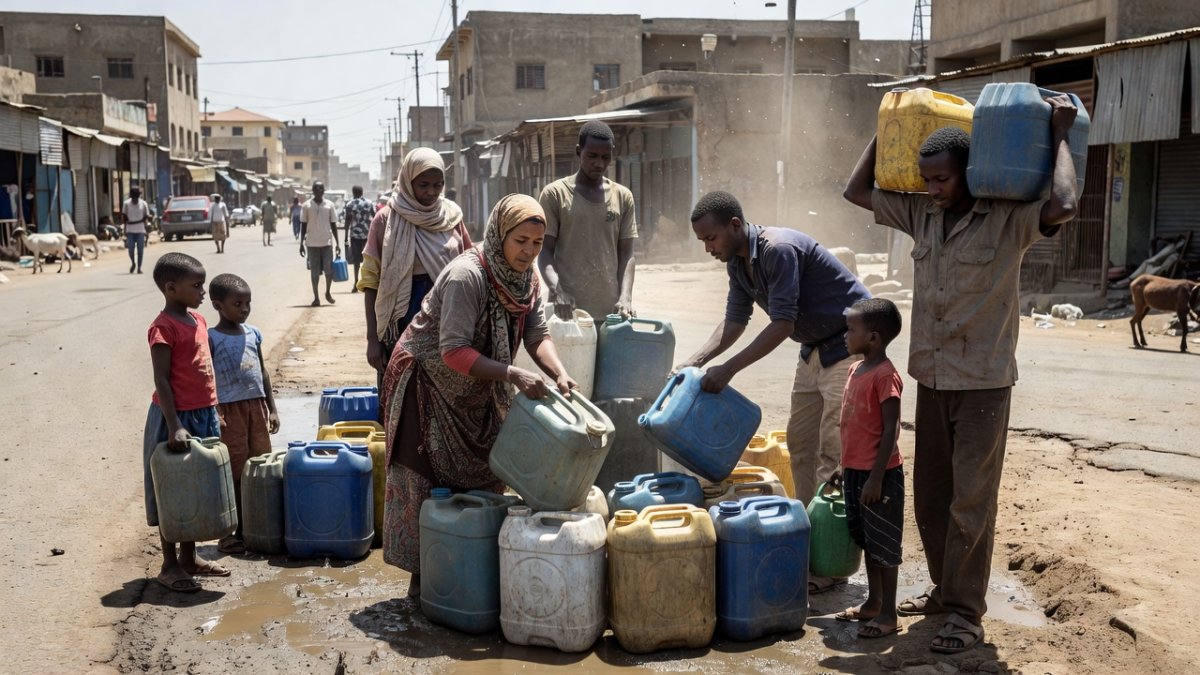
A Capital Thirsty for Answers — Mogadishu's 35-Year Testing Void
The inspection was chaired by Ciise Maxamuud Guure, the Deputy Governor of Banadir for Administration and Finance and First Deputy Mayor of Mogadishu. Guure praised both the water companies operating in the city and the laboratory's technical staff for their initial efforts in the Banaadir region. The Banadir Regional Administration convened a formal meeting with bottled water production companies at its headquarters, where lab officials presented a comprehensive plan to enhance water quality monitoring. This plan includes routine sampling, bacteriological analysis, and chemical testing for contaminants like arsenic and nitrates. The significance cannot be overstated: for the first time since 1991, there is an institutional mechanism to hold water providers accountable for what they sell. The void left by decades of conflict, clan-based fragmentation, and the absence of a functional national government had allowed a Wild West of water provision to flourish, with little to no oversight.
The testing gap has had devastating consequences. Without laboratory verification, the distinction between "clean" and "safe" water became dangerously blurred. Water vendors, often operating with trucked-in supplies from unknown sources, had no incentive to test. Bottled water companies, some of which are now part of a newly formed union, faced no regulatory pressure to verify their product's purity. The result was a population exposed to a cocktail of biological pathogens and chemical pollutants, with no data to guide intervention. The new laboratory, however modest its initial capacity, represents a critical first step in rebuilding the trust between the state and its citizens. It is a recognition that water security is not just about infrastructure—it is about verification, transparency, and the rule of law applied to a basic human need.
The Human Cost: Cholera, Diarrhoea and the Weight of Unsafe Water
The human toll of this testing void is measured in lives lost and families shattered. According to the World Health Organization (WHO), between January 1 and July 25, 2025, Somalia recorded 6,550 suspected cases of cholera and acute watery diarrhoea (AWD), resulting in 9 confirmed deaths. These are not abstract statistics; they represent children, mothers, and elderly IDPs who drank from contaminated sources. The outbreak is a direct continuation of the 2023 epidemic, which spread to new districts following the catastrophic floods of October 2023. That outbreak was first declared in Somaliland's Maroodijeh region in December 2023, before rapidly expanding into Puntland and then southward to Mogadishu and the surrounding Banadir region. The cyclical nature of these outbreaks—tied to seasonal rains, flooding, and the displacement of vulnerable populations—has made cholera a perennial killer in Somalia.
The situation has only worsened in 2026. UNICEF reports that at least 60 people died from cholera in Somalia in just three months of this year, even as the country received 1.4 million doses of oral cholera vaccine. The surge in cases has overwhelmed fragile health facilities, particularly in internally displaced persons (IDP) camps. The Norwegian Refugee Council (NRC) and OCHA documented that over 300,000 people lost access to safe water in 2025 alone, including IDPs in Baidoa, Dollow, Kismayo, and Beledweyne, as well as rural residents in Gedo, Galgaduud, and Hiraan. These are the people who cannot afford bottled water, who rely on shallow wells contaminated with faecal matter, and who have no choice but to drink from the same sources where livestock wade. The WHO/UNICEF Joint Monitoring Programme (JMP) 2025 data paints a stark picture: 22% of Somalia's population—4.2 million people—rely on unsafe water sources. This is not a marginal issue; it is a systemic failure affecting one in five Somalis.
The broader Horn of Africa context is equally grim. Kenya reports 8% of its population (4.5 million people) using unimproved water sources, while Ethiopia's figure stands at a staggering 37%. The regional pattern is clear: water insecurity is a driver of disease, malnutrition, and economic stagnation. In Mogadishu, the capital, tap water is generally not safe for direct drinking due to contamination risks from aging infrastructure and inadequate treatment. This forces families to purchase bottled water, a costly lifeline. Small families often pay monthly water bills exceeding $73—a sum that is prohibitive for the majority of residents, many of whom live on less than $2 a day. The economic burden of unsafe water is not just a health issue; it is a poverty trap that perpetuates inequality and limits human potential.
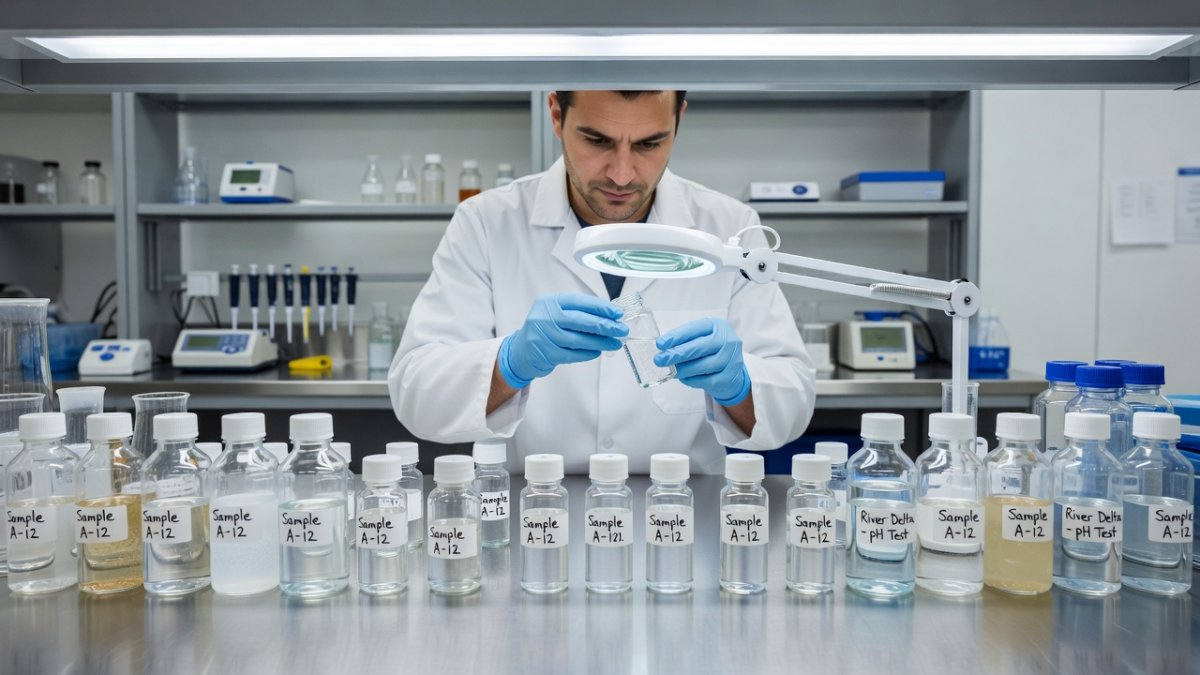
What This Means for Latin America — A Shared Testing Gap
For those of us who cover Latin America, the Mogadishu story resonates with uncomfortable familiarity. While the scale and conflict context differ, the underlying challenge—ensuring that water is not just available but safe—is a shared struggle. The Inter-American Development Bank (IDB) report "Safeguarding the Sip" highlights that while access to basic water services in Latin America and the Caribbean (LAC) has improved significantly over the past two decades, ensuring safe drinking water remains a critical challenge with profound health, social, and economic implications. The report emphasizes that strong institutional capacity, clear regulations, and effective monitoring are essential to close the gap. Yet, many LAC countries still lack the laboratory infrastructure and surveillance systems that Mogadishu is only now building.
The data is sobering. According to the Borgen Project's 2020 analysis, only 34% of the LAC population had access to safely managed sanitation services, leaving more than 400 million people without such services. Approximately 75% had access to safely managed drinking water, but that still leaves a quarter of the region's population—over 150 million people—drinking water that does not meet the highest safety standards. The problem is not just biological; it is chemical. Arsenic occurs naturally in groundwater across vast swathes of Latin America, from the Chaco-Pampean plain in Argentina to the Andean highlands of Peru and Bolivia. Monitoring and controlling arsenic levels requires sophisticated laboratory testing, which is often absent in rural and peri-urban areas. The new Banadir Regional Laboratory, with its focus on chemical and bacteriological analysis, is a model that many LAC municipalities could emulate.
The cholera history of the hemisphere is a stark reminder of what happens when surveillance fails. Haiti's 2010 cholera epidemic, introduced by UN peacekeepers, infected over 800,000 people and killed nearly 10,000. The Pan American Health Organization (PAHO) led a massive response, but the strain later appeared in mainland Mexico and Cuba, where nearly 700 cases were reported. The lesson is clear: waterborne diseases do not respect borders, and a single lapse in testing can trigger a regional crisis. Latin America has strong institutions—Mexico's CONAGUA, Brazil's ANA and the federal Vigilância em Saúde Ambiental e Qualidade da Água program, Peru's SUNASS and DIGESA, Chile's SISS, Argentina's AySA, and Haiti's DINEPA—but their capacity varies wildly. The Mogadishu laboratory is a reminder that institutional presence is not enough; it must be backed by consistent funding, trained personnel, and political will.
Inside the New Laboratory: The Banadir Regional Lab Takes Shape
The Banadir Regional Laboratory is not a gleaming, high-tech facility on par with a European reference lab. It is a functional, state-backed operation housed within the Banadir Regional Administration's infrastructure, staffed by a team of technicians who have been trained to conduct basic but essential water quality tests. The laboratory's core functions include microbiological analysis for coliform bacteria and E. coli, chemical testing for pH, turbidity, and dissolved solids, and—critically—screening for heavy metals like lead and arsenic. The equipment is modest: incubators, autoclaves, spectrophotometers, and a supply of culture media. But for Mogadishu, this represents a quantum leap. The lab's officials presented a detailed plan to the bottled water companies at the July 20 meeting, outlining a schedule for routine sampling and reporting. The plan includes unannounced inspections, quarterly audits, and a public reporting mechanism to inform consumers about the safety of their water.
The laboratory's establishment is a direct outcome of the Banadir Regional Administration's renewed focus on public health. Deputy Governor Guure, who has been the public face of this initiative, has emphasized that the lab is not just for bottled water companies. It will also test water from public wells, boreholes, and the municipal distribution network. This is crucial because the majority of Mogadishu's residents do not rely on bottled water; they depend on a patchwork of informal vendors and private tanker trucks. The lab's mandate extends to these sources, aiming to create a comprehensive water safety map of the city. The first inspection on July 20 was a pilot, but the administration has signaled that it will be followed by systematic, city-wide testing. The lab's technicians are also being trained to respond to disease outbreaks, conducting rapid testing during suspected cholera clusters to identify contaminated sources and guide emergency interventions.
Challenges remain. The lab faces chronic shortages of reagents, spare parts, and reliable electricity. The technicians, while dedicated, are few in number relative to the city's population of over 2.5 million. Funding is a perennial concern, with the Banadir administration relying on limited local revenues and donor support. However, the symbolic and practical importance of the lab cannot be overstated. It signals to water providers that they are no longer operating in a regulatory vacuum. It gives citizens a potential avenue for recourse if they suspect their water is unsafe. And it provides the data necessary to prioritize infrastructure investments. The lab is a small but vital piece of the puzzle in rebuilding Somalia's public institutions after decades of collapse. Its success will depend on sustained political commitment and international support, but its very existence is a testament to the resilience of Mogadishu's administrators and technicians.
The Infrastructure Mountain: A Fast-Growing City and Aging Pipes
Mogadishu is the second fastest-growing city in the world, a demographic surge driven by rural-to-urban migration, the return of diaspora Somalis, and the natural growth of a young population. This explosive growth has placed immense strain on a water infrastructure that was already decrepit before the civil war. The city's piped network, originally built in the 1970s and 1980s, was never designed to serve the current population. Decades of conflict, looting, and neglect have left the pipes corroded, leaking, and frequently contaminated by sewage intrusion. The result is that tap water in the capital is generally not safe for direct drinking, a fact acknowledged by the Banadir administration itself. The aging infrastructure is not just a technical problem; it is a public health hazard that undermines the very purpose of the new laboratory. Testing water that is contaminated at the source is a losing battle.
The response has been fragmented. Private water companies have stepped into the void, drilling boreholes and operating tanker fleets that deliver water to homes and businesses. These companies, now organized into a union, have been praised by Deputy Governor Guure for their cooperation with the new testing regime. However, the cost is prohibitive for many residents. Water tariffs in Mogadishu have been rising steadily, and small families often pay monthly water bills exceeding $73. This is a staggering sum in a city where the average daily wage is less than $5. The economic burden forces many families to compromise on water quality, opting for cheaper, unverified sources. The new laboratory aims to change this by ensuring that even the cheapest water on the market meets safety standards, but it cannot solve the underlying affordability crisis.
Infrastructure rehabilitation is underway, albeit slowly. The Banadir administration has launched the rehabilitation of the Boondheere District catchment area, a water catchment basin that serves five districts. This project is designed to improve drainage, reduce flood risk, and capture rainwater for potential treatment and reuse. It is a small step, but it signals a shift from crisis management to long-term planning. The catchment project, combined with the new laboratory, represents a two-pronged approach: improving the quantity and quality of water available while simultaneously building the capacity to verify its safety. The mountain is steep—Mogadishu needs billions of dollars in water infrastructure investment—but the direction of travel is finally positive. The laboratory is the sentinel; the catchment is the foundation. Both are necessary, and neither is sufficient alone.
From Mogadishu to Managua: The Global Water-Surveillance Lesson
The story of Mogadishu's new laboratory is not an isolated African narrative; it is a global lesson in the importance of water surveillance. The WHO/UNICEF JMP 2025 report states that 1 in 4 people worldwide still lack safe drinking water. This is a staggering figure that cuts across continents, from the slums of Nairobi to the rural highlands of Guatemala. The Latin American experience offers both cautionary tales and models for Somalia. Haiti's DINEPA, despite its challenges, has rebuilt a national water and sanitation authority from the ashes of the 2010 earthquake. Peru's SUNASS and DIGESA have developed a regulatory framework that, while imperfect, provides a template for how to monitor water quality in a decentralized, geographically diverse country. Chile's SISS is often cited as a regional benchmark for its independent oversight and data transparency.
The key lesson from Latin America is that laboratory capacity is not a luxury; it is a prerequisite for public health. The IDB's "Safeguarding the Sip" report argues that without robust monitoring, even well-intentioned water infrastructure investments can fail to deliver health benefits. The report highlights cases where new piped systems were installed but water quality remained poor due to lack of treatment and testing. This is precisely the risk facing Mogadishu. The new laboratory is a necessary but insufficient condition for safe water. It must be integrated into a broader system of regulation, enforcement, and public communication. The Banadir administration's decision to convene bottled water companies and present a monitoring plan is a positive step, but it must be followed by consistent enforcement and penalties for non-compliance.
The cholera history of the Americas underscores the urgency. Haiti's 2010 epidemic, which killed nearly 10,000 people, was a wake-up call for the hemisphere. The strain, introduced by a single infected peacekeeper, spread like wildfire through the country's untreated water sources. It later appeared in Mexico and Cuba, demonstrating the ease with which waterborne pathogens cross borders. The response, led by PAHO, involved massive vaccination campaigns and improved surveillance, but the damage was done. Somalia is now in a similar situation, with cholera cases surging and a fragile health system. The new laboratory is a critical tool in the fight, but it must be scaled up rapidly to meet the scale of the threat. The global community, including Latin American nations with expertise in water management, has a role to play in supporting Somalia's efforts. The lesson is mutual: we all have something to learn from each other's successes and failures.
The Bottom Line — What Comes Next
The establishment of the Banadir Regional Laboratory is a historic milestone, but it is only the beginning. The immediate priority is to operationalize the lab's testing capacity at scale. This means securing a reliable supply of reagents, ensuring backup power for the equipment, and training additional technicians. The Banadir administration must also establish a clear regulatory framework that defines water quality standards, sets penalties for violations, and creates a transparent mechanism for publishing test results. The bottled water companies, which have formed a union, should be engaged as partners rather than adversaries. Their cooperation is essential to building a culture of compliance. The July 20 meeting, chaired by Deputy Governor Guure, was a positive first step, but it must be followed by regular, scheduled consultations and joint problem-solving.
Beyond the lab, the infrastructure mountain remains. The rehabilitation of the Boondheere catchment area is a start, but Mogadishu needs a comprehensive water master plan that addresses the entire supply chain—from source to tap. This includes protecting groundwater aquifers from contamination, upgrading the piped distribution network, and investing in decentralized treatment solutions for informal settlements. The international community, including the World Bank, the African Development Bank, and bilateral donors, must step up with long-term financing. The $73 monthly water bills paid by small families are an unsustainable burden; subsidies or tiered pricing structures are needed to ensure that the poorest residents can access safe water. The new laboratory provides the data to justify these investments, but it cannot fund them.
The bottom line is that Mogadishu has taken a critical first step, but the journey is long. The laboratory is a symbol of hope, but it must be backed by sustained political will, adequate funding, and a commitment to transparency. The people of Mogadishu—the IDPs in Baidoa, the families in Kismayo, the children in Beledweyne—deserve more than symbolic gestures. They deserve safe water, every day, without exception. The new laboratory is a tool to help achieve that, but it is not a panacea. The global community, including Latin America, must watch closely and support where possible. The fight for safe water is a universal one, and Mogadishu's struggle is our struggle. The next 35 years must look very different from the last.
By Elena Vasquez, Staff Writer
This article was produced with AI-assisted research and editorial support. Reporting is based on sources cited in the article.
What's Your Reaction?
 Like
0
Like
0
 Dislike
0
Dislike
0
 Love
0
Love
0
 Funny
0
Funny
0
 Wow
0
Wow
0
 Sad
0
Sad
0
 Angry
0
Angry
0

Latin America Correspondent at Global1.News. Based in Mexico City, covering politics, economics, energy, and culture across the region. Brings an on-the-ground perspective to stories spanning from the Rio Grande to Patagonia.













Comments (0)