
Microsoft disrupts AI-assisted platform that compromised 12,000 accounts
Microsoft just pulled the plug on a subscription‑based scam platform that was using an AI chatbot to hijack Microsoft accounts at scale. This flow was intended for input‑constrained devices like smart TVs, where a user sees a code on the screen and enters it on a separate device.
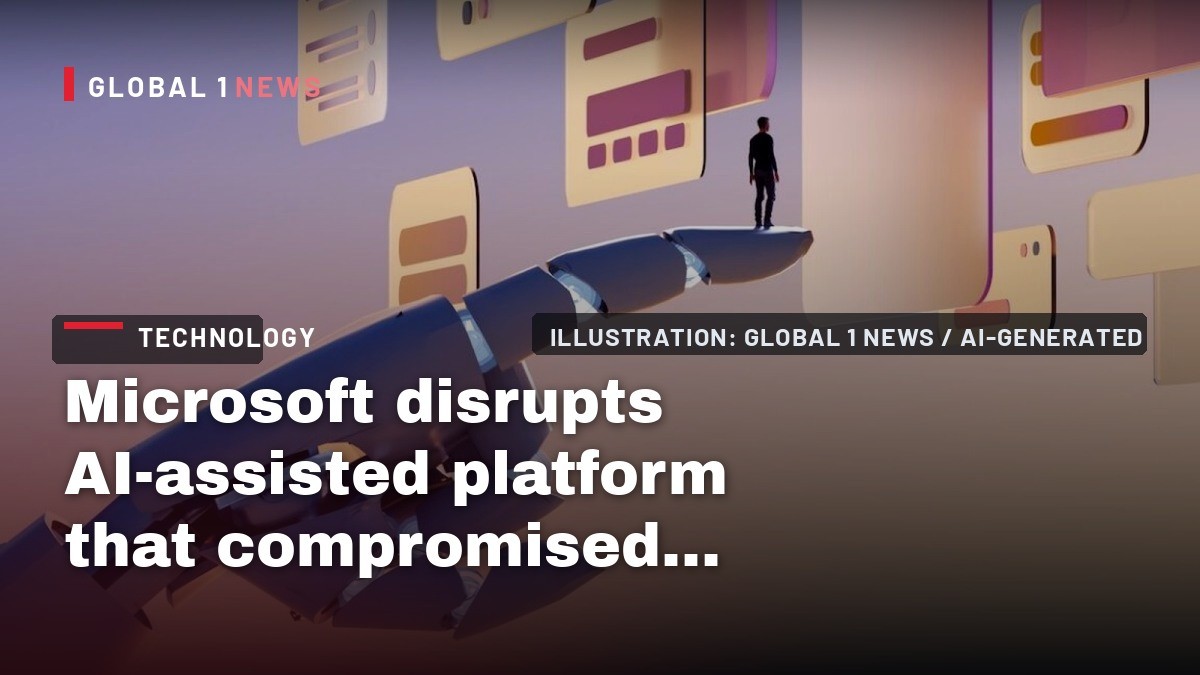
Microsoft just pulled the plug on a subscription‑based scam platform that was using an AI chatbot to hijack Microsoft accounts at scale. The operation, dubbed EvilTokens, managed to compromise roughly 12,000 accounts across 10,000 organisations before the tech giant, together with law‑enforcement partners, seized the infrastructure and arrested two suspects in the UK. From a founder’s perspective, this is a stark reminder that the very tools we build to secure identity can be weaponised when the underlying protocols are mis‑used. The fallout isn’t just a headline‑grabbing breach; it’s a warning shot at any hosting provider or SaaS founder who thinks “OAuth is safe because it was designed for TVs.” The reality is that once an attacker can slip a device‑code flow into a user’s inbox, the whole authentication chain can be subverted with a few clicks.
How EvilTokens turned OAuth into a money‑making machine
The core of the EvilTokens service was a clever abuse of Microsoft’s device‑code authentication flow. This flow was intended for input‑constrained devices like smart TVs, where a user sees a code on the screen and enters it on a separate device. EvilTokens automated the generation of those codes and bundled them into phishing emails that looked like legitimate Microsoft device‑login prompts. When a victim copied the code into the official portal, the attacker’s backend script harvested the token in real time, effectively enrolling the attacker’s device as a trusted endpoint.
What makes this more than a simple phishing trick is the scale and automation. The platform could analyse 5,000 compromised emails at a time, using AI to pinpoint employees with payment authorisation, map reporting lines, and craft convincing “manager‑to‑employee” requests. The result was a rapid, AI‑driven pipeline that turned a compromised inbox into a fraud‑generation engine within minutes.
The economics of a subscription scam service
EvilTokens was sold as a subscription on a Telegram channel, with an upfront fee of $1,500 and a recurring $500 monthly charge. That pricing model is a textbook example of how cyber‑crime entrepreneurs package value: they front‑load the cost to cover the initial setup of the infrastructure, then lock customers into a recurring revenue stream that funds ongoing development and hosting. For a small‑to‑medium criminal outfit, that cash flow can sustain a sophisticated backend built on Node.js, domain‑hopping, and automated AI analysis without needing a massive VC backing.
From a business‑risk standpoint, the existence of such a service shows that the barrier to entry for large‑scale email fraud is lower than many assume. If a few thousand dollars can buy you a turnkey platform that automates target selection, email crafting, and OAuth abuse, then any organisation with a modest budget can become a “service provider” to other criminals. This is the kind of market‑creation that independent hosting providers must factor into their threat models.
Geography of the victims and the industry’s blind spot
Microsoft’s data shows the highest concentration of compromised accounts was in the United States, with Canada, the UK, Australia, India, and France trailing. The victim organisations spanned wholesale distribution, construction, financial services, real estate, higher education, and healthcare. The breadth of sectors underscores that the attack surface isn’t limited to “high‑value” targets; any business with a Microsoft‑based email environment was on the table.
What’s missing from most vendor best‑practice guides is a realistic assessment of how quickly an attacker can move from inbox compromise to fraud. Microsoft warned that criminals can understand an inbox’s contents in “minutes, not days.” That speed collapses the traditional detection window that many security teams rely on, rendering signature‑based alerts and manual triage almost useless.
Why the OAuth device‑code flow is a weak link
The device‑code flow was never meant to be a primary authentication method for corporate users. It was designed for low‑interaction devices that can’t render a full login UI. By embedding the code in a phishing email, EvilTokens turned a convenience feature into a credential‑theft vector. The backend logic, built on Node.js, sidestepped traditional signature‑based detection, meaning that conventional anti‑phishing tools that look for known malicious URLs or attachments missed the abuse entirely.
For hosting providers, the lesson is clear: any protocol that delegates trust to a user‑entered code must be treated as a high‑risk surface. Enforcing MFA on the device‑code flow, monitoring for anomalous token generation, and limiting the scope of device registrations can blunt this attack vector. Unfortunately, many organisations still allow device‑code authentication without additional checks, exposing a systemic gap that attackers can exploit.
Microsoft’s response and the limits of law‑enforcement
Microsoft coordinated a legal process and a partner network to seize 50 websites and 150 domains used by EvilTokens. The UK Metropolitan Police arrested two men on suspicion of offenses linked to the platform. While the takedown is a win, it’s a reactive measure that doesn’t address the underlying protocol abuse. The seizure of domains and the arrests will disrupt the current operators, but the business model is easily replicated by other actors who can spin up new domains and re‑brand the service.
From a founder’s perspective, this is a classic cat‑and‑mouse game. The industry can’t rely on occasional takedowns to secure the ecosystem. Instead, we need to bake resilience into the architecture: limit the privileges granted to device‑code tokens, enforce strict token lifetimes, and require step‑up authentication for any token that attempts to access sensitive resources.
Actionable steps for independent hosting and SaaS providers
First, audit your authentication flows. If you expose any device‑code or similar low‑interaction pathways, enforce MFA and monitor token issuance for anomalies such as spikes in generation or usage from unexpected IP ranges. Second, implement real‑time behavioural analytics that flag rapid inbox access followed by outbound email activity targeting payment‑related contacts. Third, educate your customers that a compromised inbox is a “fire‑hose” for fraud; they should verify any request to change payment details through an independent channel, not just rely on email.
Finally, consider the broader supply‑chain risk. If you host any third‑party services that could be repurposed for abuse—such as domain registration, DNS, or email relay—apply strict abuse‑prevention policies and be ready to act quickly when suspicious activity surfaces. The EvilTokens episode shows that a well‑orchestrated, AI‑driven scam can be built on cheap infrastructure and still cause massive damage. The onus is on us, the builders of the internet’s backbone, to close those gaps before the next “subscription‑based” service pops up.
What this means for the future of AI‑assisted cybercrime
The EvilTokens operation is a proof‑of‑concept that AI can compress the reconnaissance and planning phases of a fraud campaign from weeks to minutes. By feeding an inbox into a chatbot, the attacker gets a ready‑made map of financial authority, relationships, and plausible pretexts. This is a harbinger of a new wave where AI‑augmented tools become the default for low‑skill criminals, lowering the barrier to entry and increasing the frequency of attacks.
For independent providers, the takeaway is to treat AI‑assisted abuse as a baseline threat, not a niche. Build detection that looks for AI‑generated language patterns, monitor for mass‑emailing behaviour, and stay ahead of the curve by testing your own systems against simulated AI‑driven attacks. If you can’t out‑run the bots, you’ll end up on the other side of the inbox, watching your customers’ money disappear in minutes.
— Allan Ali, Founder
This article was produced with AI-assisted research and editorial support. Reporting is based on the source material cited below. Sources: Ars Technica; arstechnica.com; Global1.News (23 September 2026).
By Allan Ali, Global1.News
What's Your Reaction?
 Like
0
Like
0
 Dislike
0
Dislike
0
 Love
0
Love
0
 Funny
0
Funny
0
 Wow
0
Wow
0
 Sad
0
Sad
0
 Angry
0
Angry
0

Publisher of Global1.News. Automation architect, systems builder, and the guy making sure the truth gets published.












Comments (0)