
Mexico's Cartel War: Hitman Confession and Governor Indictment Expose Crisis
In a chilling new DW News report, a confessed hitman from the Sinaloa Cartel pulls back the curtain on the mechanics of terror that have turned Culiacán into a city under siege. His testimony—detailing how killings are ordered with a phone call and how he claims votes were manipulated in favor of the current governor—lands at the same moment federal prosecutors in New York have unsealed an indictment against that very governor.
In a chilling new DW News report, a confessed hitman from the Sinaloa Cartel pulls back the curtain on the mechanics of terror that have turned Culiacán into a city under siege. His testimony—detailing how killings are ordered with a phone call and how he claims votes were manipulated in favor of the current governor—lands at the same moment federal prosecutors in New York have unsealed an indictment against that very governor. For families in Sinaloa, from the colonias of Culiacán to the rural communities of the Sierra Madre, this is not abstract geopolitics; it is the daily reality of roadblocks, suspended classes, and the constant fear of stray bullets.
Cartel Hitman's Confession and Governor's Indictment Expose the Depth of Mexico's Security Crisis
Culiacán, Sinaloa – Mexico, August 2026 — The DW News video, published this week, features a man who admits to carrying out assassinations for the Sinaloa Cartel. He describes a cold, bureaucratic system of violence: orders come down from leadership, often through encrypted messages, and hitmen execute without question. More explosively, he alleges that the cartel manipulated the 2021 gubernatorial election in Sinaloa, helping deliver the governorship to Rubén Rocha Moya of Morena in exchange for political protection. These allegations mirror, almost point by point, the charges in a five-count federal indictment unsealed on April 29, 2026, by the U.S. Attorney's Office for the Southern District of New York (SDNY), which names Rocha Moya and nine other current and former Mexican officials as co-conspirators in a drug trafficking ring.
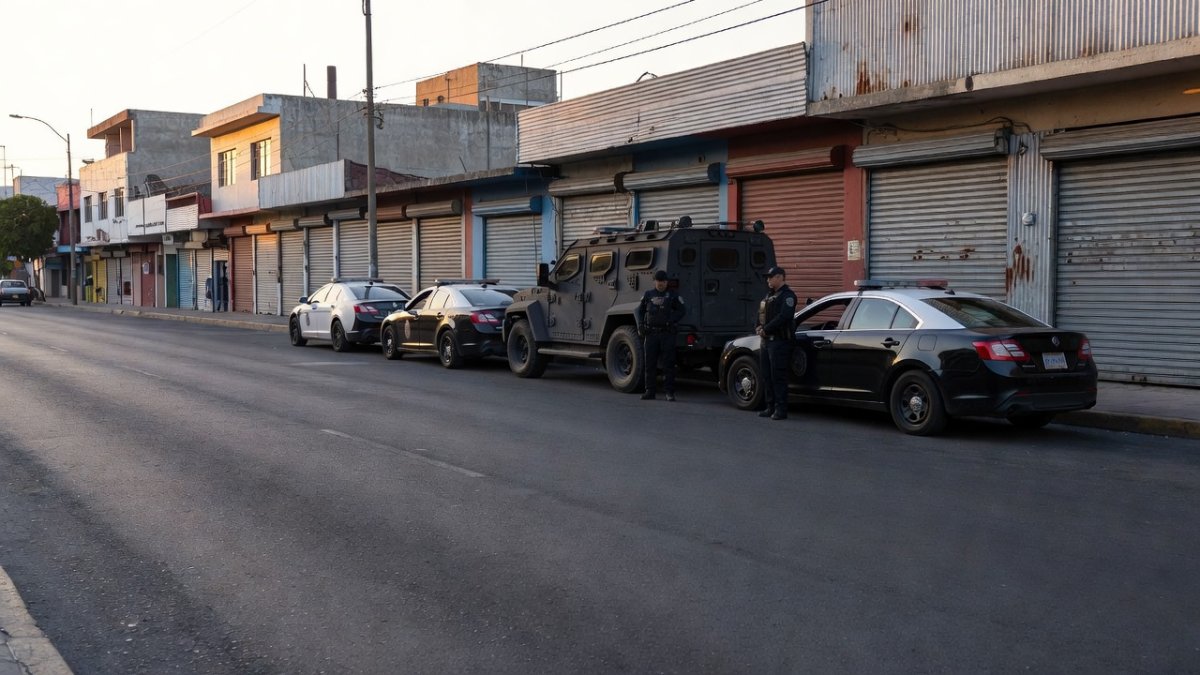
The Hitman's Testimony: How Killings Are Ordered
The anonymous hitman, whose voice and silhouette are obscured in the DW News report for his safety, describes a hierarchy where loyalty is absolute and dissent is fatal. He explains in the video that orders come down from leadership, often through encrypted messages, and that targets are often identified by cartel intelligence operatives who monitor social media and informants on the ground. Once a name is approved, a "falcon" (lookout) tracks the target's movements, and a team of sicarios is dispatched. The killing of César Gastelum, a social media influencer shot dead on August 4, 2026, while livestreaming outside a KFC in Culiacán, fits this pattern. Authorities linked his murder to messages he shared in support of Ismael "El Mayo" Zambada, the cartel co-founder sentenced in Chicago on July 22, 2026. Gastelum was the ninth content creator slain in Mexico in the past two years, a grim statistic that underscores how the cartels police the digital public square with the same brutality they apply to the streets.
The hitman's claim about electoral manipulation is the most politically explosive element of the DW News report. He alleges that cartel operatives used threats and cash to coerce voters in key districts of Sinaloa, ensuring Rocha Moya's victory in the 2021 election. The SDNY indictment tells the same story from the prosecution's perspective: Los Chapitos—the faction led by Iván Archivaldo Guzmán Salazar and Jesús Alfredo Guzmán Salazar, sons of Joaquín "El Chapo" Guzmán—allegedly helped Rocha Moya win the governorship in exchange for protection. Once in office, the indictment claims, Rocha Moya allowed violence to continue unchecked while shielding cartel leaders from federal operations.
The Rocha Moya Indictment: A Governor in the Crosshairs
Governor Rubén Rocha Moya, a 76-year-old Morena loyalist and close ally of the late President Andrés Manuel López Obrador's political project, has categorically denied the allegations. In public statements following the indictment's unsealing, he called the charges "baseless" and framed himself as a victim of cartel violence, not a collaborator. He has pointed fingers at the PRI, which governed Sinaloa for decades, arguing that the Institutional Revolutionary Party had far deeper historical ties to the Sinaloa Cartel. Morena, the national ruling party, has rallied around him, with party spokespeople dismissing the U.S. indictment as an overreach of American jurisdiction into Mexican sovereignty.
Yet the evidence assembled by U.S. prosecutors is extensive. The indictment alleges that Rocha Moya and his co-defendants—a mix of current and former state officials, police commanders, and political operatives—partnered with the Sinaloa Cartel to distribute cocaine, fentanyl, and methamphetamine to the United States. The charges are part of a broader U.S. crackdown that, since 2023, has indicted more than 30 members and associates of the Sinaloa Cartel, including its top leadership. The timing is significant: El Mayo Zambada's sentencing in Chicago on July 22, 2026, on drug trafficking charges, followed his dramatic arrest in the United States in July 2024, an event that triggered the current internal war between Los Chapitos and Los Mayos.
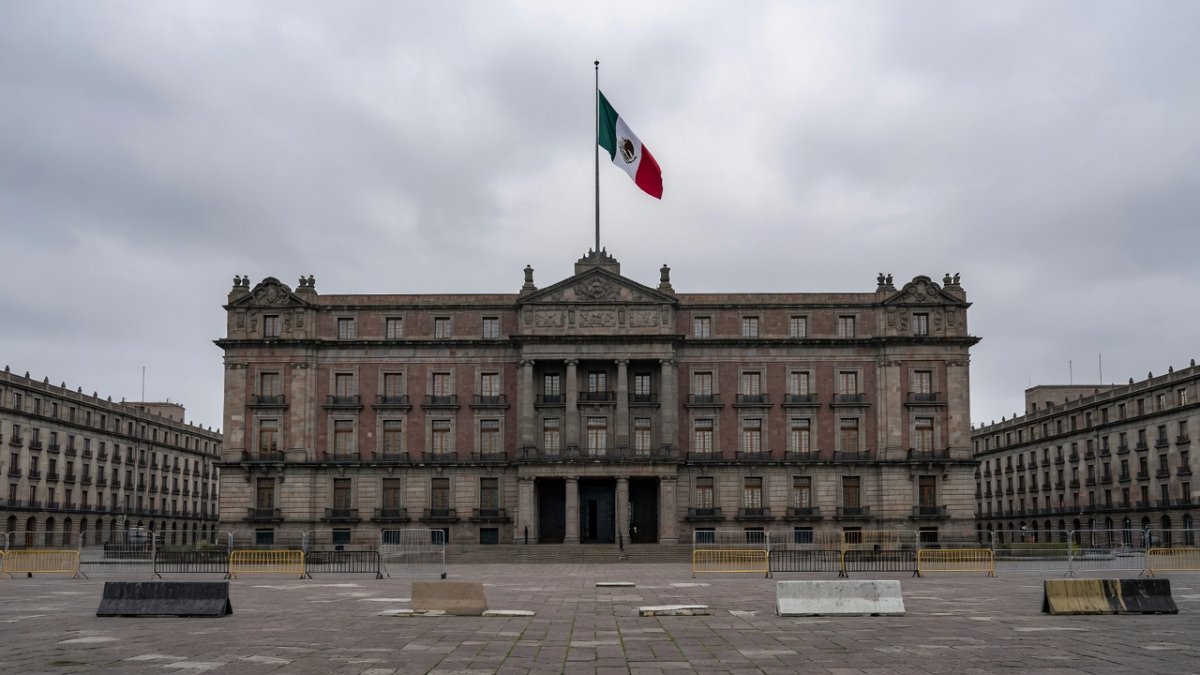
Mexican Context: The Fracture of the Sinaloa Cartel
The Sinaloa Cartel, once a monolithic empire co-led by El Chapo and El Mayo, has splintered into two warring factions. The September 2024 split—triggered by El Mayo's arrest and the subsequent power grab by Los Chapitos—has devastated Sinaloa state. Homicides in the state skyrocketed from 44 in August 2024 to 142 in September 2024, a more than threefold increase in a single month. The violence has shifted its theater of operations from Culiacán to the southern part of the state, where Los Chapitos have been losing ground to Los Mayos loyalists. This internal war has created a power vacuum that the Cartel Jalisco Nueva Generación (CJNG) has eagerly exploited, expanding into former Sinaloa Cartel territories in Zacatecas and other states.
For President Claudia Sheinbaum's administration, the crisis represents a defining challenge. She has continued the "abrazos, no balazos" (hugs, not bullets) strategy inherited from AMLO, emphasizing social programs to address the root causes of violence while deploying the Guardia Nacional and SEDENA to maintain order. The Secretaría de Seguridad y Protección Ciudadana (SSPC) and the Fiscalía General de la República (FGR) are the key agencies managing the response. But the Rocha Moya indictment complicates this narrative: if a sitting governor from the president's own party is credibly accused of partnering with the cartel, the "root causes" approach looks dangerously naive.
Impact on Mexican Communities: Life Under Siege in Culiacán
For the people of Culiacán, the cartel war is not a headline; it is the texture of daily life. Residents describe a near-lockdown existence: roadblocks manned by armed men appear without warning, gunfire erupts in broad daylight, and schools frequently suspend classes as parents keep children home. Businesses operate on reduced hours, and the city's once-vibrant tianguis (street markets) have thinned as vendors fear becoming collateral damage. The psychological toll is immense—families in colonias like Rafael Buelna and Los Pinos live with a constant hum of anxiety, never knowing if the next burst of gunfire will be blocks away or at their doorstep.
The killing of César Gastelum has added a new layer of terror. Gastelum was not a politician or a cartel operative; he was a young man with a phone, livestreaming his life to a growing audience. His murder sends a chilling message: in Sinaloa, even the digital space is contested territory. The FGR has opened an investigation, but for many residents the gesture feels performative — a deep disillusionment with both state and federal authorities that has only hardened over two years of near-constant violence.
Reactions and Responses: Political Fallout in Mexico City
In Mexico City, the Rocha Moya indictment has ignited a political firestorm. Opposition parties—PAN, PRI, and Movimiento Ciudadano—have seized on the charges to attack Morena, demanding Rocha Moya's immediate suspension and a full investigation by the Congreso de la Unión. The Cámara de Diputados has seen heated sessions, with opposition deputies accusing the Sheinbaum administration of protecting a corrupt governor to avoid embarrassing the ruling party. Morena's leadership has pushed back, arguing that the indictment is part of a U.S. pattern of extraterritorial overreach and that Rocha Moya deserves due process under Mexican law.
The Sheinbaum administration has walked a careful line. The president has publicly stated that the FGR will review the U.S. evidence and that "no one is above the law," but she has stopped short of calling for Rocha Moya's resignation. This cautious approach reflects the political tightrope Sheinbaum walks: alienating a sitting governor from her own party could fracture Morena's internal cohesion, while appearing to shield him could cost her the credibility she needs to address the security crisis. The mañanera press conferences have become a battleground of questions, with journalists pressing the president on whether she still has confidence in Rocha Moya.
What to Watch For
The coming weeks will be critical. The FGR's review of the U.S. indictment could lead to formal charges against Rocha Moya in Mexican courts, a move that would test the independence of Mexico's judicial system. The SCJN (Supreme Court of Justice of the Nation) may be called upon to rule on the constitutionality of any extradition request, a process that could take months or years. Meanwhile, the security situation in Sinaloa shows no signs of abating. The internal cartel war, now entering its third year, has become a grinding conflict with no clear endgame, and the CJNG's expansion into former Sinaloa territory threatens to ignite a multi-front war.
For ordinary Mexicans, the stakes could not be higher. The hitman's confession in the DW News report is a window into a system where violence is industrialized and politics is a tool of criminal enterprise. The Rocha Moya indictment, if proven, would confirm the deepest fears of many: that the cartels, not the politicians, hold the real power in Sinaloa. But there is also a glimmer of accountability. The U.S. prosecutions, whatever their geopolitical motivations, have brought unprecedented scrutiny to the nexus of crime and politics in Mexico. Whether that scrutiny translates into meaningful change for the families of Culiacán—or becomes just another chapter in a long history of impunity—remains to be seen.
As the sun sets over the Sierra Madre, the people of Sinaloa continue their daily struggle for survival. They are the ones who pay the price for the cartel wars and the political failures that enable them. The DW News report and the U.S. indictment are important documents, but they are only the beginning of a reckoning that Mexico has long avoided. The question now is whether the Sheinbaum administration has the will to confront the rot at the heart of the system, or whether the abrazos will continue to be offered while the bullets keep flying.
By Rosa Martinez, Staff Writer
This article was produced with AI-assisted research and editorial support. Reporting is based on sources cited in the article.
What's Your Reaction?
 Like
0
Like
0
 Dislike
0
Dislike
0
 Love
0
Love
0
 Funny
0
Funny
0
 Wow
0
Wow
0
 Sad
0
Sad
0
 Angry
0
Angry
0
Latin America/Andes Correspondent at Global1.News. Based in Bogota, covering politics, environment, energy, and social movements across the Andean region. Passionate about environmental journalism and communities protecting their land.










Comments (0)