
Meta Smart Glasses UK Ban: Privacy Fears Grow as Venues Act
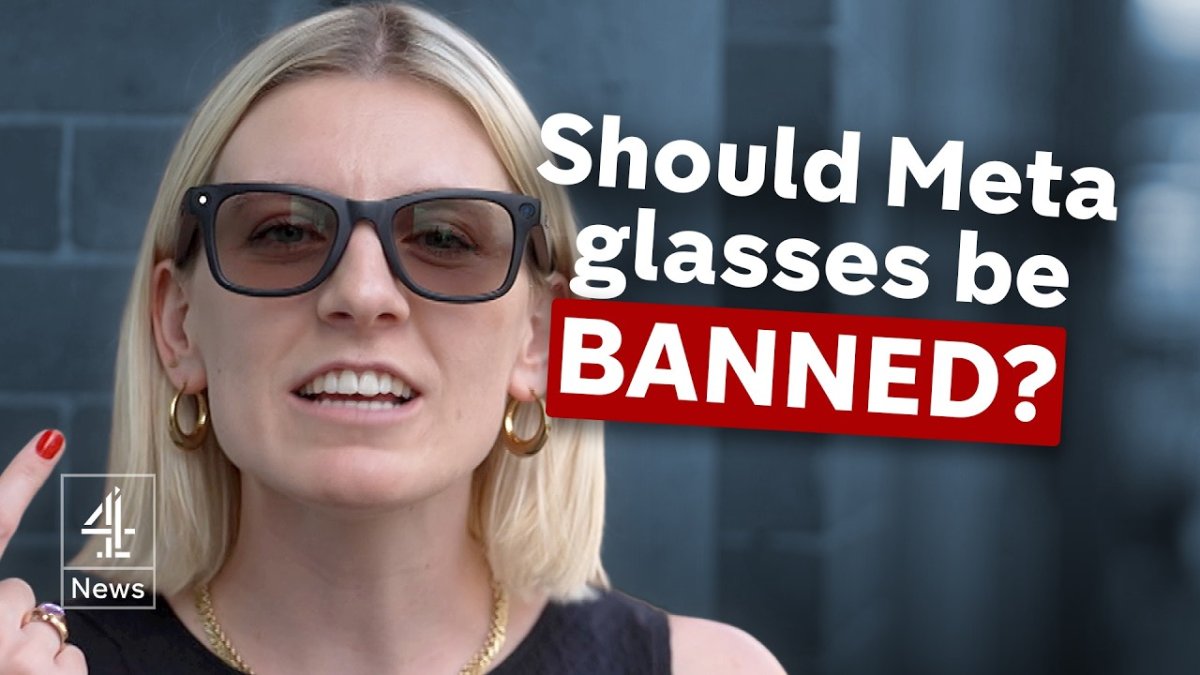
They were meant to be the next must-have gadget — a sleek fusion of fashion and technology, endorsed by Kylie Jenner and handed out free to influencers with millions of followers. But Meta's smart glasses have sparked a furious backlash across Britain, with venues from Wetherspoons to the West End now banning them over fears they are being used as tools for covert surveillance and harassment.
They were meant to be the next must-have gadget — a sleek fusion of fashion and technology, endorsed by Kylie Jenner and handed out free to influencers with millions of followers. But Meta's smart glasses have sparked a furious backlash across Britain, with venues from Wetherspoons to the West End now banning them over fears they are being used as tools for covert surveillance and harassment.
Meta's "Spy Glasses" Face UK Backlash: Venues Ban Device as Evidence of Surreptitious Filming Mounts
London, UK – 12 August 2026 — The £359 glasses, which feature an embedded camera and microphone, have been labelled "pervert glasses" by critics after a wave of incidents in which men allegedly filmed women without their knowledge or consent. The Information Commissioner's Office (ICO) has launched an investigation into Meta's data practices, while a growing coalition of restaurants, theatres and pubs have taken matters into their own hands.
The Venue Bans: From Soho to the Strand
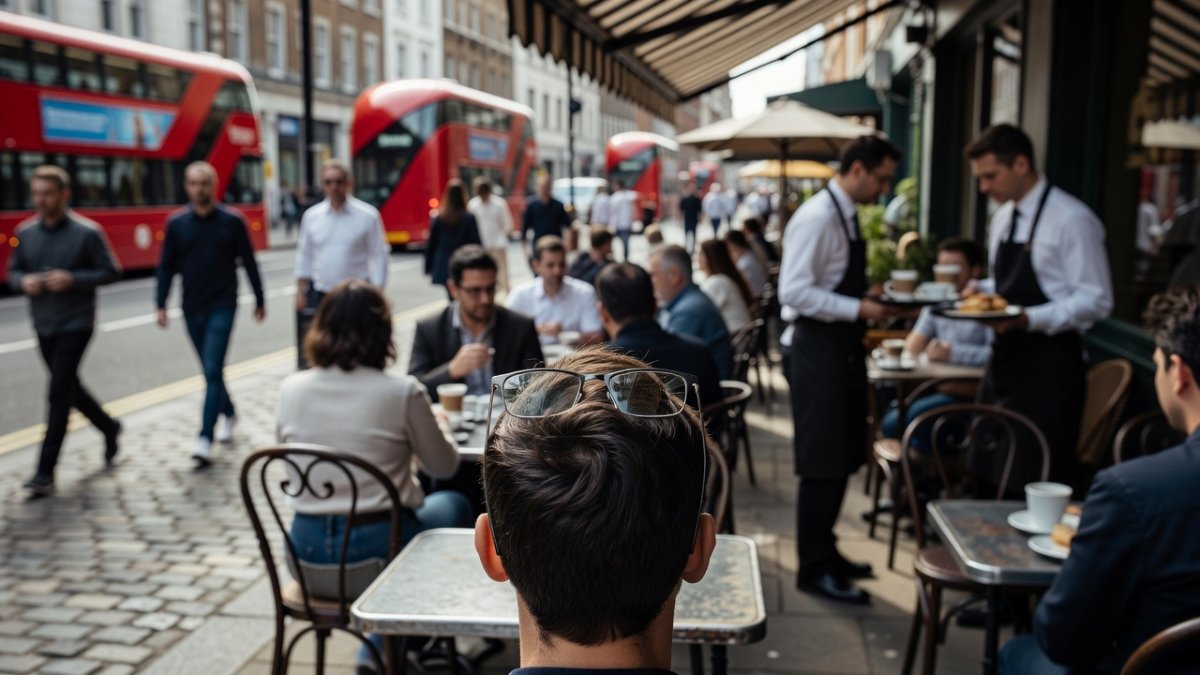
Jeremy King, the celebrated restaurateur behind some of London's most iconic dining rooms, has drawn a firm line in the sand. King, who owns Simpsons in the Strand, Arlington and The Park, told the Guardian: "I would never knowingly allow any invasion of guest privacy other than with the eyes we were born with." His venues have now instructed staff to ask diners to remove the glasses upon arrival.
He is not alone. Soho House, the private members' club with locations across the capital and beyond, has confirmed that members will be asked to remove the devices, with a spokesperson stating that filming is not permitted in their venues. The policy extends to all their UK properties, including those in London, Manchester and Edinburgh.
Perhaps the most significant move comes from Wetherspoons, the pub chain that serves as a social hub for millions of Britons. Chief executive Tim Martin did not mince words: "The general code that applies in our pubs, and most pubs, is that you can't film customers or employees without their permission. Meta glasses seem to breach this code, and common sense, by enabling surreptitious surveillance, so our instinct is to say turn off the cameras."
Theatres are also taking action. ATG Theatres, which operates the Bristol Hippodrome, the Edinburgh Playhouse and numerous venues across London, has confirmed that filming is not allowed and that wearers during performances will be asked to remove the glasses. The policy covers all 46 of their UK venues.
The "Pervert Glasses" Phenomenon
The backlash has been amplified by social media, where the devices have earned the unenviable nicknames "pervert glasses" and "spy glasses". Content creators who used them in public have faced torrents of abuse. Oliver Hooson, who filmed himself making a coffee at the Tour de France finale, lost "a good 50 to 100" of his 224,000 Instagram followers after being called a "PERV" in comments.
Rida Tharana, a content creator with 1.6 million Instagram followers, has publicly "taken accountability" for participating in a Meta promotional campaign. She criticised men who misuse the glasses to "record and harass women", acknowledging that the device's discreet design makes it all too easy to capture footage without consent.
Parenting influencer Deena Lang, who has 110,000 followers, wore the glasses to a cooking class and was "horrified because I just kept catching people giving me dirty looks or side-eye". She posted the footage with faces blurred as a "cautionary tale" for other users.
The Dark Side: Harassment, Extortion and Abuse
Beyond the social awkwardness lies a more sinister reality. In one case reported to the BBC, a woman said a man recorded her with the glasses and then demanded money to remove the videos from social media — a form of digital extortion that police are increasingly treating as a serious offence.
Another woman described being recorded during sexual encounters without her consent, a violation that campaigners say represents a new frontier in technology-facilitated abuse. Police in Scotland are investigating a far-right TikToker who allegedly used the glasses to film himself making sexualised comments to young women and telling a Sikh shopkeeper about a plan to "breed out the white race" — all without their knowledge.
Dr Olga Jurasz, director of the Centre for Protecting Women Online, told The Independent that incidents of women being filmed without their consent are on the rise. "This is not about technology," she said. "This is about power, control and the normalisation of surveillance as a tool of harassment."
The ICO Investigation: A Data Protection Reckoning
The UK's Information Commissioner's Office (ICO) wrote to Meta in March 2026 following a "concerning" report from Swedish newspapers Svenska Dagbladet and Goteborgs-Posten. The investigation found that videos captured by the glasses — including footage of wearers using the toilet or having sex — were sometimes reviewed by a Kenya-based Meta subcontractor, Sama, a data annotation company based in Nairobi.
One worker reportedly said: "We see everything - from living rooms to naked bodies." The revelation raises profound questions about who has access to the intimate moments captured by these devices, and what safeguards exist to protect users and the people around them.
The ICO told BBC News: "Devices processing personal data, including smart glasses, should put users in control and provide for appropriate transparency... The claims in this article are concerning. We will be writing to Meta to request information on how it is meeting its obligations under UK data protection law."
The investigation is ongoing, and the ICO has the power to impose fines of up to £17.5 million or 4% of global turnover for serious breaches of UK data protection law.
Meta's Defence: Privacy by Design?
Meta insists the glasses are safe and have been designed with privacy at their core. A spokesperson said: "People use our glasses because they're genuinely helpful – from listening to music, to live translation or hands-free calls. For those wearing them and the people around them, trust matters. That's why we built privacy into our AI glasses from the ground up."
The company points to the capture LED — a small light that blinks whenever the camera is recording. "It can't be turned off," the spokesperson said, "and if someone covers or damages the LED, the camera is disabled." In July 2026, Meta rolled out a software update that automatically disables the camera if the LED is tampered with or destroyed.
Sales figures suggest the controversy has done little to dampen demand. More than 7 million pairs were sold worldwide in 2025 alone, with sales tripling over the past year. Meta has also handed out free pairs to popular influencers, a strategy that has drawn criticism for normalising a device that many see as a surveillance tool.
A Different View: The Case for the Glasses
Not everyone is convinced the backlash is justified. Michelin-starred chef Tom Kerridge, who owns pubs and restaurants in Marlow, told the Guardian: "I have no problem whatsoever with them. Filming is part of everyday life now. In fact I think that they can be used in creative and exciting ways. The first thought about them shouldn't be negative!"
Kerridge's perspective reflects a broader generational divide. For younger Britons, constant recording is simply part of modern life — a way to document experiences, share moments and connect with audiences. For others, the glasses represent an unacceptable erosion of privacy in public spaces.
Instagram has already cracked down on nonconsensual videos made using the glasses. Head Adam Mosseri said: "If you're posting content that is taking advantage of people and harassing them, like a lot of these pickup line kind of videos that we've heard of and seen, then we're going to take the content down."
The Bottom Line — What Comes Next
The Meta smart glasses controversy has exposed a fundamental tension between technological innovation and personal privacy. While the devices offer genuine utility — hands-free calls, live translation, effortless content creation — their discreet design makes them uniquely suited to abuse.
For UK policymakers, the challenge is to strike a balance. The ICO's investigation could result in significant fines and mandatory design changes. Parliament may also consider legislation to regulate the use of recording devices in public spaces, though such laws would be difficult to enforce.
For now, the message from British venues is clear: if you want to film, use a phone — where everyone can see what you're doing. The eyes we were born with, as Jeremy King put it, remain the only surveillance device that is always welcome at the table.
By Erica Thornton, Staff Writer
This article was produced with AI-assisted research and editorial support. Reporting is based on sources cited in the article.
What's Your Reaction?
 Like
0
Like
0
 Dislike
0
Dislike
0
 Love
0
Love
0
 Funny
0
Funny
0
 Wow
0
Wow
0
 Sad
0
Sad
0
 Angry
0
Angry
0

US Politics and Policy Correspondent at Global1.News. Based in Washington DC, covering American politics, policy, elections, and the courts. Knows how the system works and tells you what it actually means.















Comments (0)