
The Tears of Kariba: A Ferry Disaster Exposes the Perils of a Lake That Gives Life and Takes It
At least 44 people died after a passenger ferry capsized on Lake Kariba in Zimbabwe this week, prompting President Emmerson Mnangagwa to declare a state of disaster. The vessel was reportedly carrying more passengers than its capacity allows, and questions are mounting over the true number onboard.
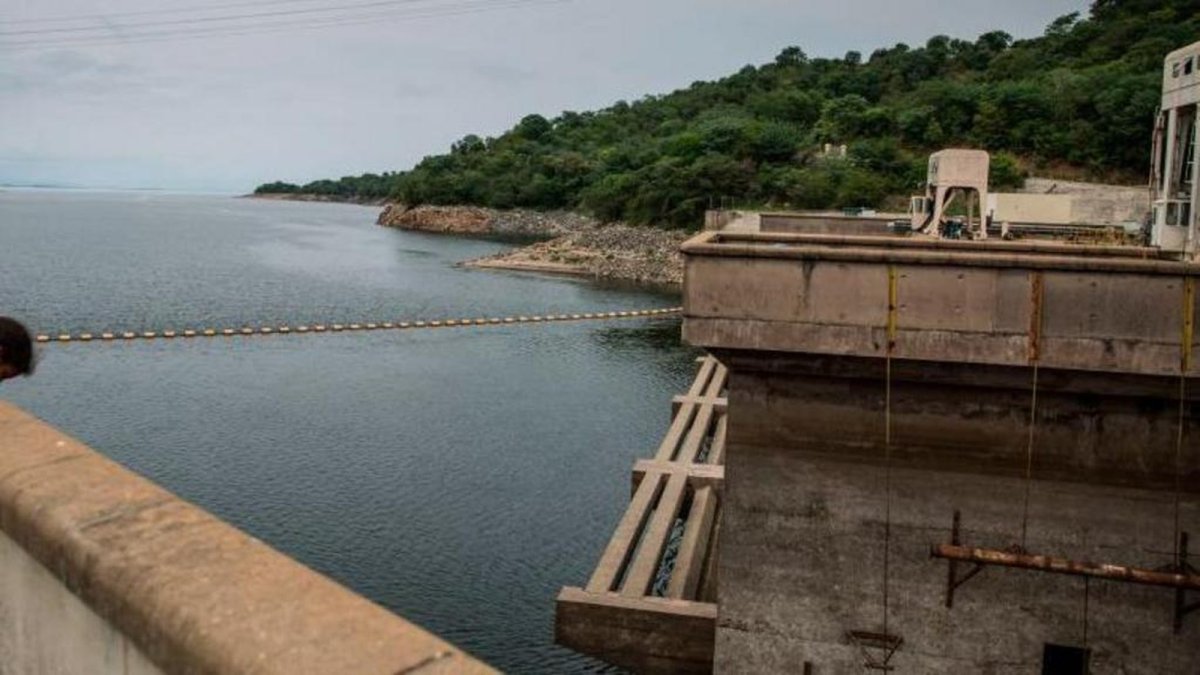
The waters of Lake Kariba, a vast inland sea that has long been a source of sustenance and power for Zimbabwe and Zambia, turned into a scene of tragedy this week. At least 44 people are confirmed dead after a passenger ferry capsized on Tuesday, casting a pall of grief over a nation already grappling with economic hardship.
Kariba Ferry Disaster: 44 Dead, State of Disaster Declared
Kariba, Zimbabwe — Article continues...
A Routine Journey Turned Nightmare
The disaster, which occurred during a routine journey between the lakeside town of Kariba and the remote settlement of Chalala, has prompted President Emmerson Mnangagwa to declare a state of disaster as rescue teams scour the murky depths for more victims. The vessel, which had a registered capacity of 90 passengers and five crew, was reportedly carrying far more souls than safety regulations permit. A lake official reported that as many as 120 people, including 12 children, were on board when a powerful wave struck the boat, causing it to overturn.
The ferry was navigating a well-trodden route that serves several islands and fishing villages scattered across the lake, a journey that typically takes about five hours. For the communities living on the shores of Lake Kariba, this vessel is not a luxury; it is a lifeline. It connects isolated fishing villages to the bustling town of Kariba, where families go to sell their catch, buy supplies, attend school, and access medical care. The lake is not merely a body of water; it is a highway, a marketplace, and a source of protein for millions.
Eyewitness Maxton Kanhema described the harrowing moments to AFP, stating that the boat had been travelling in bad weather and may have been hit by a wave, causing its engines to cut out. "People were in distress... there were bodies in the water and it was a sad situation to witness," Kanhema said. "Those that could be rescued were rescued." His account paints a picture of sudden chaos, where a routine commute transformed into a desperate struggle for survival in the choppy, crocodile-infested waters. Footage shared online, which appears to show the overturned hull of the vessel bobbing in the water, has circulated widely on social media, serving as a grim testament to the disaster.
Questions Mount Over Overcrowding and Oversight
As the search and rescue operation continues, a furious debate has erupted over the circumstances that led to the sinking. The Zimbabwe Civil Protection Unit (CPU) has stated that registered ticket sales showed 114 adult passengers were on the vessel. However, they conceded that an unknown number of children below ticketing age could also have been onboard, meaning the true death toll could rise significantly as divers reach the wreckage.
Local member of parliament Mutsa Murombedzi has been vocal in her demands for accountability. She posted a video on X, formerly Twitter, of what she said was the boat at the start of its journey, highlighting that residents had been travelling across the lake to Kariba town. "We have very hard questions that require honest answers," she wrote. "The officials must release the correct number of people who were onboard." Her call reflects a deep-seated frustration among citizens who feel that safety protocols are often ignored until disaster strikes.
The police have confirmed that 44 bodies have been retrieved from the lake, a grim number that has risen from an initial count of 15. With 77 people rescued, the focus now shifts to the missing, and the agonizing wait for families who have not heard from their loved ones. The discrepancy between the vessel's capacity and the estimated number of passengers points to a culture of overloading that is tragically common on many African waterways, where economic pressures often override safety concerns.
A State of Disaster Declared
In response to the unfolding humanitarian crisis, President Mnangagwa has declared a state of disaster. Local Government Minister Daniel Garwe confirmed the declaration, stating that it was necessary to ensure "all necessary resources are mobilised" for the search and rescue operations. This includes the deployment of an army boat squadron, a police sub-aqua unit, and a privately owned helicopter, signaling a significant escalation in the response effort.
"The government extends its deepest condolences to the families and loved ones of those who have lost their lives in this tragic incident," Garwe added. While the declaration is a welcome step, it also raises uncomfortable questions about why such resources were not in place to prevent the disaster in the first place. For many, the state of disaster is a reactive measure, a bandage applied after a deep wound has already been inflicted.
The rescue operation is a race against time, though hopes of finding more survivors are fading. The waters of Lake Kariba are deep and murky, and the risk of hypothermia and drowning is high. The deployment of the police sub-aqua unit suggests that the operation is shifting from rescue to recovery, a somber transition that will bring more painful news to families across the region.
Lake Kariba: A Lifeline and a Grave
Lake Kariba is one of the world's largest man-made reservoirs, a colossal feat of engineering that straddles the border between Zimbabwe and Zambia. It is not just a scenic landmark; it is the economic engine of the region. The lake supports a thriving fishing industry that employs thousands, provides vital hydroelectric power to both countries through the Kariba Dam, and facilitates transport and trade between isolated communities.
The disaster strikes at the heart of this ecosystem. When a ferry sinks, it is not just a loss of life; it is a disruption to the entire social fabric. Families lose their breadwinners, communities lose their members, and the local economy takes a hit as movement becomes more cautious and expensive. The lake, which gives life through its fish and its power, has now become a grave for dozens of people, a bitter irony that is not lost on the residents who depend on it daily.
The tragedy also highlights the precarious nature of transport on Africa's great lakes. From Lake Victoria to Lake Tanganyika, ferries are often the only affordable means of travel for millions, yet they are frequently operated with aging vessels, inadequate safety equipment, and a disregard for passenger limits. The result is a recurring cycle of disaster that devastates communities and erodes trust in public institutions.
A Continent's Painful Memory
For those of us who report on this continent, the images from Lake Kariba are hauntingly familiar. They evoke the memory of the MS Joola, the Senegalese ferry that capsized off the coast of Gambia in 2002, claiming the lives of an estimated 1,863 people. That tragedy remains one of the deadliest maritime disasters in African history and is a deeply felt wound in Senegal. It led to widespread protests and a national reckoning over maritime safety, yet similar disasters have continued to occur.
In 2018, the MV Nyerere sank on Lake Victoria in Tanzania, killing more than 200 people. These incidents share a common thread: overloading, poor weather, and a lack of enforcement of safety regulations. They are not random acts of nature but rather the predictable outcomes of systemic neglect. The Joola disaster prompted promises of reform, but the fact that we are still reporting on ferry sinkings with such frequency suggests that those promises have not been fully kept across the continent.
The Kariba disaster is a stark reminder that the lessons of the past have not been universally learned. It is a call to action for governments, regional bodies, and international partners to invest in safer maritime infrastructure, enforce capacity limits, and provide proper training for crew members. The lives lost on Lake Kariba are not just statistics; they are fathers, mothers, children, and friends whose futures were cut short by a preventable tragedy.
Demanding Answers and Honest Numbers
As the sun sets over Lake Kariba, the search for bodies continues, but the search for answers has already begun. MP Murombedzi's demand for the "correct number of people who were onboard" is a crucial point. In the chaos following such disasters, official figures often undercount the dead, particularly when children and informal passengers are involved. The families of the missing deserve to know the truth, and the nation deserves a full and transparent investigation.
The declaration of a state of disaster will unlock resources, but it cannot bring back the dead. It is now incumbent upon the Zimbabwean government to conduct a thorough inquiry into the sinking, to hold those responsible to account, and to implement measures that will prevent such a tragedy from recurring. The people of Kariba, and indeed the people of Zimbabwe, are watching. They have hard questions, and they require honest answers.
The lake, which has given so much to this nation, now demands a reckoning. The tears of Kariba must not be in vain. The memory of those lost on Tuesday must serve as a catalyst for change, ensuring that the waters that sustain life do not become a recurring site of death. For now, the nation mourns, and the search goes on, but the promise of a safer future must be the legacy of this tragedy.
This article was produced with AI-assisted research and editorial support. Sources: BBC News, AFP.
By Amara Diop, Staff Writer
What's Your Reaction?
 Like
0
Like
0
 Dislike
0
Dislike
0
 Love
0
Love
0
 Funny
0
Funny
0
 Wow
0
Wow
0
 Sad
0
Sad
0
 Angry
0
Angry
0

West Africa/Sahel Correspondent at Global1.News. Dakar-based journalist covering politics, security, climate, and development across Francophone and Anglophone West Africa. Tells the stories of a region undergoing profound transformation.









Comments (0)