
WATCH | Farm attack survivor Donovan Marx discharged
In a scene that has resonated across the nation, 50‑year‑old North West farmer Donovan Marx walked out of Mediclinic Potchefstroom on 12 November, arm‑in‑arm with nurses and loved ones, his head still bandaged but his spirit unmistakably unbroken.
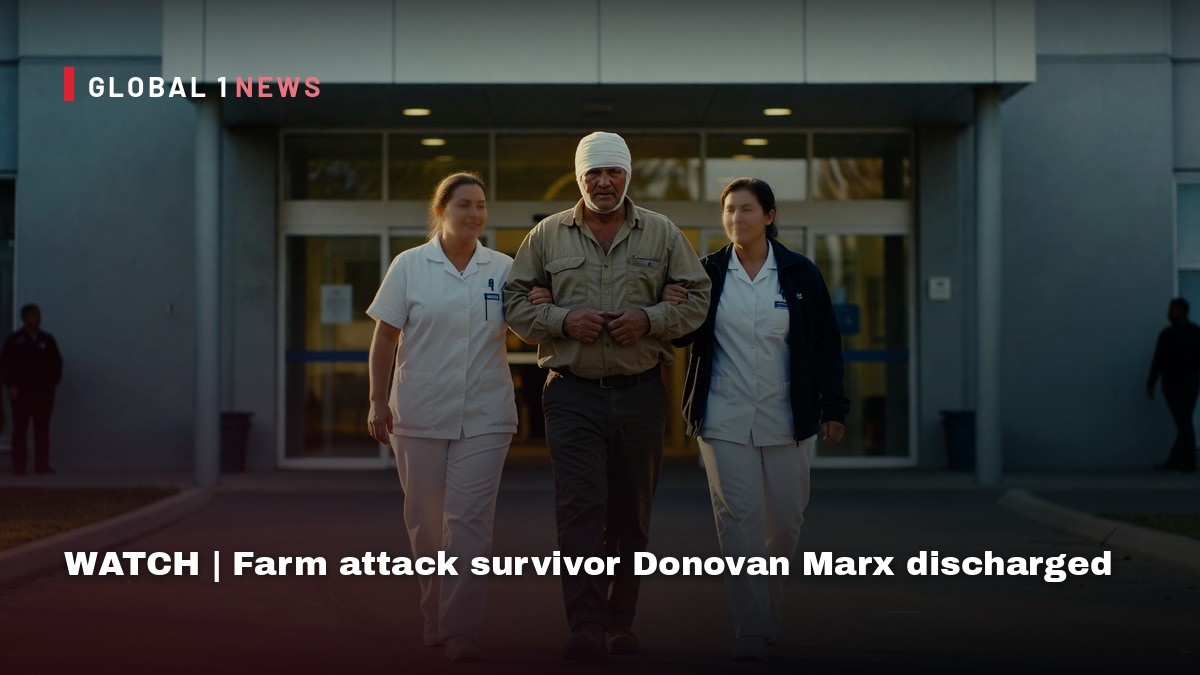
In a scene that has resonated across the nation, 50‑year‑old North West farmer Donovan Marx walked out of Mediclinic Potchefstroom on 12 November, arm‑in‑arm with nurses and loved ones, his head still bandaged but his spirit unmistakably unbroken. The emotional footage, now circulating widely on social media, shows Marx joining a chorus of Afrikaans worship singers, their voices lifting the hymn “Met die krag van God” as guitarists strum in the background. For many South Africans, the image is more than a personal triumph; it is a vivid reminder of the resilience that underpins our rural communities and the deep faith that often sustains them through the darkest of trials.
From the farm to the operating theatre: a brutal attack
The harrowing ordeal began on 28 October, when a group of attackers descended on Marx’s farm situated between Potchefstroom and Ventersdorp. According to the report, the assailants shot, stabbed and cruelly cut off both of his ears. The violence was so severe that emergency surgeons were forced to remove part of his large intestine, a life‑saving procedure that underscored the gravity of his injuries. Despite the best efforts of the medical team, the surgeons could not re‑attach his ears, a loss that adds a visible scar to the already profound trauma.
Marx’s wife, Louise, has repeatedly described his survival as a miracle, a sentiment echoed by the outpouring of prayers and support from the public, emergency responders and police. While the physical wounds are evident, the emotional and psychological toll of such an attack on a farmer—who often lives in relative isolation—cannot be overstated. The incident has reignited conversations about farm safety, the vulnerability of rural South Africans, and the urgent need for stronger protective measures in the North West province.
The community’s response: faith, music and gratitude
What makes Marx’s discharge especially poignant is the communal nature of his send‑off. The video captures not only medical staff but also family members and supporters gathering in the hospital corridor, their hands raised in worship as they sing together. The choice of “Met die krag van God,” a beloved Afrikaans worship song, reflects the deep cultural and religious roots that bind many Afrikaner farming families. It also highlights how music can serve as a powerful conduit for collective healing, turning a hospital hallway into a sanctuary of hope.
Marx himself joined the chorus, his voice joining the chorus of gratitude that has been building since his admission. In his brief statement, he thanked the medical personnel, emergency responders, police and the broader public for their prayers and support. This public acknowledgment not only underscores the role of community solidarity in his recovery but also serves as a rallying call for continued vigilance and assistance for other victims of farm attacks.
Political spotlight: parliamentary oversight and the bail hearing
The attack has also drawn the attention of national politicians. Ian Cameron, a Democratic Alliance MP and chairperson of Parliament’s Portfolio Committee on Police, shared an encouraging update on Marx’s recovery the day before his discharge. Cameron’s involvement signals the political weight that farm attacks carry, especially as they intersect with broader concerns about crime, policing efficacy and rural security. His public statements have helped keep the issue in the national conversation, pressing the Department of Police to maintain focus on investigations and preventative measures.
On 13 November, the four men accused of involvement in the attack are scheduled to appear before the Ventersdorp Magistrate’s Court for a bail application. The State has indicated its intention to oppose bail, reflecting the seriousness with which the prosecution views the case. Notably, one of the accused had previously lived on Marx’s farm, a detail that adds a layer of betrayal to the crime and raises questions about the dynamics of labour and land in rural South Africa.
Implications for farm safety and rural policing
Marx’s ordeal shines a harsh light on the broader issue of farm attacks that have plagued South Africa’s agricultural sector for years. While the source material does not provide statistics, the emotional impact of this case alone underscores the urgency of addressing rural crime. The involvement of a former farm resident among the accused suggests that tensions over land, employment and security can erupt into violence, a pattern that law‑enforcement agencies must monitor closely.
For the farming community, the incident serves as a stark reminder to reassess security protocols, from installing robust alarm systems to fostering stronger relationships with local police. The fact that the State is prepared to oppose bail indicates a willingness to pursue a stringent legal response, which could act as a deterrent if the case proceeds to conviction. However, lasting change will require coordinated efforts between the Department of Police, provincial authorities and farming unions to develop comprehensive safety strategies.
The role of faith and cultural identity in healing
Beyond the legal and security dimensions, Marx’s public display of faith offers insight into the cultural fabric that sustains many South Africans during adversity. The Afrikaans worship song and the collective singing in the hospital corridor illustrate how religious expression can provide both personal solace and communal cohesion. In a country where sport often unites disparate groups, moments like this reveal that music and faith can play an equally powerful role in binding communities together.
Such expressions of resilience are not unfamiliar to South African sports fans, who regularly rally around their heroes in moments of triumph and tragedy alike. Whether it’s the roar of Bafana Bafana supporters in a World Cup qualifier or the chanting of Springbok fans at a Rugby World Cup match, the collective voice becomes a source of strength. Marx’s experience mirrors this dynamic, turning a personal crisis into a shared narrative of perseverance.
Looking ahead: recovery, justice and the road to normalcy
While Marx’s discharge marks a hopeful milestone, his wife Louise has reminded the public that a long road to full recovery lies ahead. The removal of part of his large intestine and the loss of his ears will require ongoing medical care, rehabilitation and psychological support. The community’s continued prayers and material assistance will be essential as he navigates the physical and emotional aftermath of the attack.
On the judicial front, the upcoming bail hearing will be closely watched by both rural stakeholders and human‑rights advocates. A firm stance by the State could signal a broader shift toward tougher penalties for farm‑related crimes, while a more lenient outcome might fuel calls for reform in the criminal justice system. Regardless of the court’s decision, the case has already amplified the conversation around farm safety, policing, and the need for societal solidarity.
What this means for South African sport and society
In the world of South African sport, stories of adversity and comeback are woven into the national psyche. From Siya Kolisi’s rise from the townships to captaining the Springboks, to the Proteas’ triumphant cricket campaigns, narratives of overcoming hardship inspire millions. Marx’s story, though not a sporting one, taps into the same vein of resilience that fuels our athletes’ determination on the field.
As fans rally behind their teams, they also rally behind fellow South Africans facing hardship. The outpouring of support for Marx demonstrates that the same communal spirit that fills stadiums can extend to the farm fields and hospital corridors. It is a reminder that sport, faith, and community are intertwined threads in the South African tapestry, each reinforcing the other in moments of crisis and celebration alike.
This article was produced with AI-assisted research and editorial support. Reporting is based on the source material cited below. Sources: The South African; thesouthafrican.com; Global1.News (13 November 2026).
By Dante Williams, Staff Writer
What's Your Reaction?
 Like
0
 Dislike
0
 Love
0
 Funny
0
 Wow
0
 Sad
0
 Angry
0

Breaking News and Investigations Correspondent at Global1.News. Based in London, covering global breaking news, security, and investigative stories. Known for digging deeper and connecting the dots across continents.














Comments (0)