
‘We love them both’: Thailand seeks balance between US and China
Thailand’s foreign policy has often been described as a careful walk between larger neighbours, and the latest remarks from Air Chief Marshal Seksan Khantha underline that tradition.
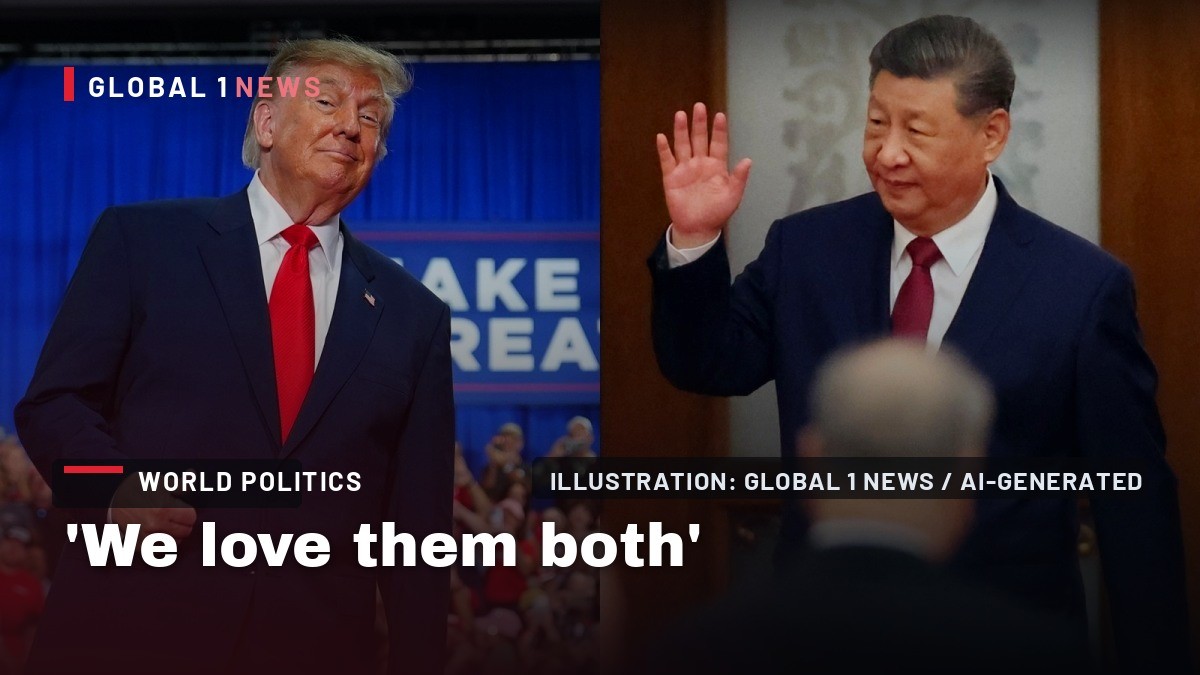
Thailand’s foreign policy has often been described as a careful walk between larger neighbours, and the latest remarks from Air Chief Marshal Seksan Khantha underline that tradition. Speaking at the Navaminda Kasatriyadhiraj Royal Air Force Academy on 12 October, the commander‑in‑chief of the Royal Thai Air Force said the kingdom should not feel forced to pick a side between Washington and Beijing. Instead, he urged a pragmatic balance that seeks “mutually beneficial cooperation” with both powers, a stance that resonates with Thailand’s long‑standing emphasis on harmony and non‑confrontation rooted in Buddhist teachings of the middle way.
Balancing Two Powerful Friends
When asked about Thailand’s position between the United States and China, Seksan likened the situation to having two powerful friends. He said Thailand can maintain relationships with both by focusing on areas of cooperation that benefit each side. “There is no such thing as neutrality, but we must maintain a balance,” he explained, emphasizing that the kingdom’s choices should be guided by national interest rather than ideological alignment.
This metaphor reflects a broader cultural principle: the Thai concept of “kreng jai,” or consideration for others, which encourages finding common ground and avoiding actions that could cause offense. By framing the relationship as friendship rather than rivalry, the air force chief signals a desire to keep diplomatic channels open, allowing Thailand to draw on the strengths of both partners while preserving its own sovereignty.
Strategic Priorities for 2027‑2028
During the presentation of his policy priorities for the 2027‑2028 period, Seksan highlighted that decisions on balancing relations must serve the government and the country. He stressed that cooperation with the United States and China should span military, economic and political spheres, but always with Thailand’s own development at the core. This approach mirrors the nation’s historical strategy of “bamboo diplomacy,” bending with the wind of global shifts without breaking.
The air chief’s remarks suggest that upcoming defence planning will incorporate joint exercises, technology sharing, and possibly joint humanitarian initiatives with both powers. By keeping the focus on “mutually beneficial cooperation,” Thailand aims to avoid the pitfalls of dependency while still gaining access to advanced capabilities that support its own security and economic growth.
Geopolitical Risks and Global Supply Chains
Seksan warned that the world’s security environment is increasingly volatile. He cited the Russia‑Ukraine war, rising defence spending among NATO members, and disruptions to military supply chains as factors that have driven up equipment costs and complicated logistics. These trends remind Thailand of the importance of self‑reliance, a theme often echoed in Buddhist teachings about preparedness and mindfulness.
He also pointed to strategic chokepoints such as the Strait of Hormuz, the Strait of Malacca and the situation around Taiwan. These narrow passages are vital for global trade, and any tension there can ripple through supply chains, affecting Thailand’s imports and exports. By highlighting these risks, Seksan underscored the need for the kingdom to diversify its sources and strengthen domestic production where possible, ensuring that external shocks do not jeopardise national stability.
Complex Threats Along Thailand’s Borders
On the regional security front, the air chief warned that threats along Thailand’s borders are becoming more sophisticated. He noted the increasing use of missile systems, drones and electromagnetic operations, technologies that can blur the line between conventional and cyber warfare. Lessons from recent clashes along the Thai‑Cambodian border illustrate how opposing forces are combining traditional weapons with modern tools, making future confrontations potentially more difficult.
This evolving threat landscape calls for a defence posture that blends traditional readiness with new technological capabilities. Thailand’s own experience with flood management and community resilience—practices rooted in Buddhist compassion and collective responsibility—may inform how it prepares its civilian population for the broader security challenges that accompany modern warfare.
Major‑Power Influence in Neighbouring Countries
Seksan also drew attention to the growing presence of major powers in the region, citing the construction of an airbase at Ban Keun in Laos. Such projects signal a deepening of foreign influence close to Thailand’s borders, prompting the kingdom to safeguard its national interests without becoming a pawn for any single power. The air chief’s caution reflects a broader regional concern: how to maintain sovereign decision‑making amid competing infrastructure and security investments from both Washington and Beijing.
Thailand’s response, as hinted by Seksan, will likely involve a mix of diplomatic engagement and strategic monitoring. By staying alert to developments in neighbouring states, Bangkok can better anticipate shifts that might affect its own security calculations, ensuring that it remains a proactive rather than reactive player in Southeast Asian geopolitics.
Balancing Act in Times of Crisis
The ultimate challenge, according to Seksan, is to keep Thailand out of a “difficult position” should war or natural disasters arise. By maintaining balanced ties with both the United States and China, Thailand hopes to secure assistance and support from either side when needed, without being forced to choose a side in a conflict. This approach aligns with the Thai cultural value of “sanuk,” seeking a harmonious and enjoyable path even amid uncertainty.
In practice, this could mean joint disaster‑relief exercises with both powers, shared intelligence on climate‑related threats, and coordinated humanitarian aid. Such collaborations would not only enhance Thailand’s resilience but also reinforce its reputation as a reliable partner that contributes to regional stability.
Looking Ahead: The Middle Way in Modern Diplomacy
Thailand’s delicate balancing act between the United States and China reflects a broader philosophical stance rooted in Buddhist moderation. By avoiding extremes and seeking the middle path, the kingdom aims to protect its sovereignty, support its people, and contribute to a stable Southeast Asian environment. Seksan’s remarks underscore that this balance is not a static equilibrium but a dynamic process requiring continual assessment of geopolitical shifts, technological advances, and domestic capabilities.
As Thailand moves into the 2027‑2028 planning horizon, its strategy will likely continue to emphasize cooperation that serves national interests, while remaining vigilant to the complex security challenges that modern technology brings. In doing so, the kingdom upholds a tradition of pragmatic, compassionate diplomacy—one that looks to the future while staying grounded in the cultural and spiritual values that have long guided Thai society.
This article was produced with AI-assisted research and editorial support. Reporting is based on the source material cited below. Sources: Khaosod English; khaosodenglish.com; Global1.News (13 October 2026).
By Ann Srisawat, Staff Writer
What's Your Reaction?
 Like
0
Like
0
 Dislike
0
Dislike
0
 Love
0
Love
0
 Funny
0
Funny
0
 Wow
0
Wow
0
 Sad
0
Sad
0
 Angry
0
Angry
0

Southeast Asia Correspondent at Global1.News. Based in Bangkok, covering Thai and Southeast Asian politics, economy, technology, and culture. Deep regional perspective on one of the world's most dynamic regions.











Comments (0)