
Hong Kong electronics fairs to showcase 120 robots as firms aim to expand AI use
Hong Kong’s annual electronics exhibitions are set to become a showcase for the next wave of artificial intelligence hardware, as more than 120 robots will be displayed across the Hong Kong Electronics Fair (Autumn Edition) and electronicAsia.
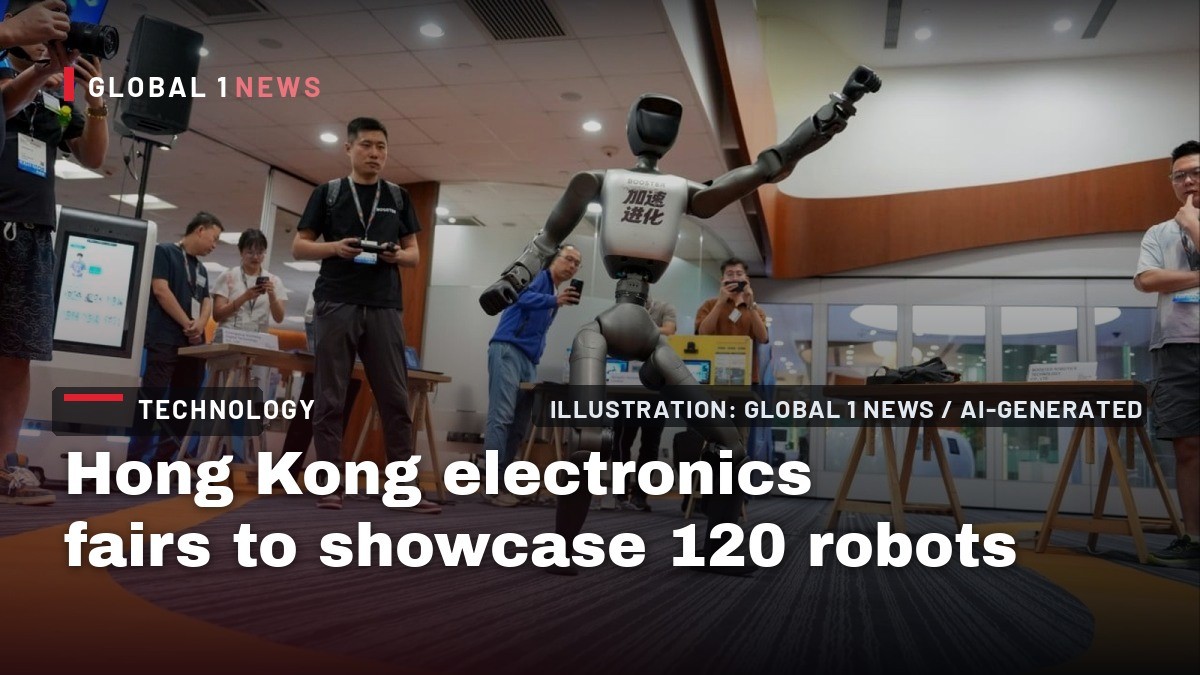
Hong Kong’s annual electronics exhibitions are set to become a showcase for the next wave of artificial intelligence hardware, as more than 120 robots will be displayed across the Hong Kong Electronics Fair (Autumn Edition) and electronicAsia. The two fairs, which open on Tuesday at the Hong Kong Convention and Exhibition Centre in Wan Chai, bring together over 3,200 exhibitors from fifteen countries and regions. For mainland Chinese manufacturers, the fairs represent a strategic platform to demonstrate the commercial potential of AI‑driven robotics and to seek footholds in overseas markets.
Scale of the fairs and the robot showcase
The Hong Kong Electronics Fair (Autumn Edition) and electronicAsia together host a substantial roster of participants, with more than 3,200 exhibitors representing a broad geographic spread. This scale underscores Hong Kong’s role as a regional hub for technology trade shows, where manufacturers from across Asia and beyond converge to present new products and forge business connections.
Within this expansive exhibition environment, the robot segment stands out for its volume and diversity. Over 120 robotic units, ranging from factory‑floor humanoids to machines designed for elderly care, will be on display. The presence of such a large number of robots signals a clear shift in the industry’s focus: from traditional consumer electronics toward integrated AI solutions that address both industrial productivity and social welfare needs.
Strategic intent of mainland Chinese firms
Chinese manufacturers are using the Hong Kong fairs as a launchpad to expand the commercial applications of artificial intelligence. By positioning their robots alongside a wide array of electronic components and devices, they aim to illustrate how AI can be embedded across product categories, creating new value chains that extend beyond pure hardware sales.
The emphasis on overseas market penetration reflects a broader strategic priority for mainland firms. While domestic demand remains strong, Chinese companies are increasingly aware that sustained growth will require acceptance in international markets, where standards, consumer expectations, and regulatory environments differ. The Hong Kong venue, with its global connectivity and reputation for transparent trade, offers an ideal setting for these firms to test market receptivity and to gather feedback from potential foreign partners.
Competitive landscape: China versus the United States
Leo Yang, Asia‑Pacific director of Booster Robotics, a mainland Chinese robotics firm, highlighted the competitive dynamics shaping the sector. He noted that China and the United States occupy the top positions in the global robotics industry, acknowledging that American manufacturers currently hold a technological edge.
This candid assessment points to a nuanced competitive posture. Chinese firms are not merely seeking to match American capabilities; they are also pursuing cost‑effectiveness and market accessibility. By emphasizing affordability, companies like Booster Robotics aim to democratize robot adoption, particularly among small‑ and medium‑sized enterprises that may find premium American systems prohibitively expensive.
Focus on affordability and market segmentation
The drive for affordable robotics is a recurring theme among the exhibitors. Booster Robotics, for example, is developing robots that can compete on price while delivering functional performance suitable for a range of applications. This approach aligns with a broader industry trend that seeks to lower the entry barrier for automation, especially in sectors where labor costs remain a critical concern.
Affordability does not imply a sacrifice in capability. The showcased robots include humanoid platforms capable of performing repetitive tasks on assembly lines, as well as assistive units tailored for elderly care. By offering a spectrum of solutions, manufacturers can address distinct market segments—from manufacturers looking to boost productivity to service providers aiming to enhance quality of life for aging populations.
Implications for Hong Kong’s technology ecosystem
The concentration of robot exhibitors at the Hong Kong fairs is likely to have a ripple effect on the city’s own innovation landscape. As local firms and research institutions encounter the latest AI‑enabled hardware, opportunities arise for collaboration, technology transfer, and joint development projects. Hong Kong’s position as a financial centre also means that investors attending the fairs can more readily assess the commercial viability of emerging robotic solutions.
Moreover, the visibility of elderly‑care robots resonates with Hong Kong’s demographic challenges. An aging population creates a growing demand for assistive technologies, and the presence of such robots at the fairs may stimulate local policy discussions on how to integrate AI‑driven care solutions into the public health system.
Potential pathways to overseas expansion
For mainland Chinese firms, the Hong Kong exhibitions serve as a stepping stone toward broader international outreach. By demonstrating product readiness and market relevance in a globally recognized venue, companies can attract distributors, licensing partners, and joint‑venture opportunities. The fairs also provide a platform to gauge competitive responses from foreign rivals, allowing Chinese firms to refine their value propositions.
Success in overseas markets will depend on several factors beyond price competitiveness. Compliance with foreign safety standards, adaptability to local operating conditions, and the ability to provide after‑sales support are critical considerations. The exposure at Hong Kong’s fairs offers Chinese manufacturers a chance to identify and address these challenges early, increasing the likelihood of sustainable export growth.
Outlook for AI‑driven robotics in the region
As the Hong Kong Electronics Fair and electronicAsia progress over their four‑day schedule, the prominence of robotics within the exhibition floor signals a broader regional shift. AI‑enabled machines are moving from niche laboratory prototypes to mainstream commercial products, driven by cost reductions, expanding application domains, and strategic market ambitions.
Looking ahead, the interplay between Chinese manufacturers seeking to close the technology gap with American firms and the growing demand for affordable automation will shape the competitive dynamics of the sector. The Hong Kong fairs, by convening a diverse set of exhibitors and visitors, will likely accelerate this evolution, fostering a more integrated Asia‑Pacific robotics ecosystem that balances innovation, affordability, and market reach.
This article was produced with AI-assisted research and editorial support. Reporting is based on the source material cited below. Sources: South China Morning Post; scmp.com; Global1.News (12 October 2026).
By Kenji Tanaka, Staff Writer
What's Your Reaction?
 Like
0
Like
0
 Dislike
0
Dislike
0
 Love
0
Love
0
 Funny
0
Funny
0
 Wow
0
Wow
0
 Sad
0
Sad
0
 Angry
0
Angry
0

Japan Correspondent at Global1.News. Tokyo-based voice covering Japanese politics, technology, economy, and culture. Tracks the intersection of tradition and innovation in one of the world's most dynamic societies.














Comments (0)