
Last call: Disrupt volunteer application closes soon
TechCrunch Disrupt 2026 is shaping up to be a make‑or‑break moment for anyone who wants to see the startup circus from the inside. That’s the kind of insider knowledge that can tilt a founder’s decision‑making from guesswork to data‑driven confidence.
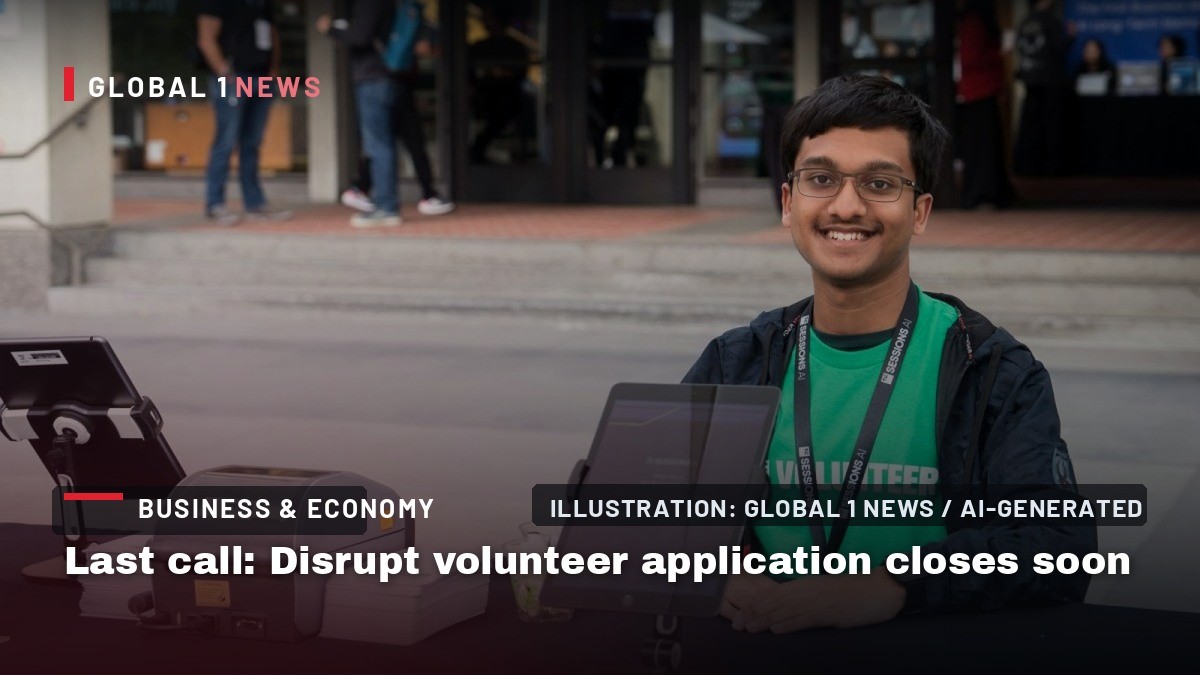
TechCrunch Disrupt 2026 is shaping up to be a make‑or‑break moment for anyone who wants to see the startup circus from the inside. The headline‑grabbing call‑to‑action – “Last call: Disrupt volunteer application closes soon” – isn’t just marketing fluff; it’s a genuine warning that the only way to get past the velvet rope this year is to roll up your sleeves and volunteer. As a founder who has spent a decade wrestling with real‑world hosting infrastructure, I can tell you that the value of being on the ground floor of an event like Disrupt far outweighs the cost of a paid ticket. The article from TechCrunch makes that point clear: volunteers get “direct access, behind‑the‑scenes perspective, and real working relationships” that you simply can’t buy with a ticket, no matter how many zeros are on the price tag.
Why the Volunteer Slot Is the Real Ticket
The piece emphasizes that most attendees shell out “thousands of dollars” for a ticket and still walk away with a surface‑level view. Volunteers, on the other hand, receive a free three‑day pass for the October 13–15 window and, more importantly, a backstage pass to the people who actually make the magic happen. That’s the kind of insider knowledge that can tilt a founder’s decision‑making from guesswork to data‑driven confidence. In my own experience, the difference between watching a pitch from the audience and sitting next to the founder during a coffee break is the difference between hearing a story and feeling the pulse of the business.
TechCrunch’s call‑to‑action is blunt: the deadline is Tuesday, September 22, and once the spots fill, they’re gone for good. Unlike regular tickets that you can always buy later, volunteer positions won’t reopen until the next year. That scarcity is not a gimmick; it’s a reflection of how limited the real access truly is. For founders and operators who have to allocate every ounce of bandwidth, missing that window means missing a chance to network with the very people who fund, advise, and sometimes acquire startups.
The Real Cost of “Free” Access
Don’t be fooled by the “free” label. The article points out that volunteers get a three‑day pass, but the real cost is the time and effort you invest in the event. That’s a trade‑off every founder knows: you give up a few hours of engineering or ops work to be at the right place at the right time. In my own hosting business, we’ve learned that a single day spent on a conference can pay for itself many times over if it leads to a partnership that saves you from a costly infrastructure upgrade.
The piece also mentions a commission on purchases made through links in the article, a reminder that even seemingly neutral content can have a commercial tilt. As a founder, you have to filter that noise and focus on the actual value proposition: access to founders pitching “billion‑dollar ideas,” exposure to “the best operators and VCs at work,” and a glimpse of the “mechanics of how the startup ecosystem actually functions.” Those are the signals that move markets, not the glossy marketing copy.
What You’ll Actually See Inside Disrupt
The article lists a handful of headline‑grabbing items that will be on display: a clean‑tech startup claiming to tap “50,000 years’ worth of nuclear fuel,” a new reasoning model from Salesforce and Nvidia that “is everything the AI labs should fear,” and the long‑awaited second‑generation Roadster from Tesla slated for an October 1 unveiling. While the piece doesn’t dive into technical details, it paints a picture of the kind of high‑stakes innovation that will dominate the floor.
From a founder’s risk perspective, these are the signals you need to watch. A clean‑tech claim of that magnitude could signal a disruptive supply‑chain shift for data‑center power. The AI reasoning model could rewrite the cost structure for inference workloads, directly impacting hosting margins. And the Roadster, while a consumer product, underscores the continued appetite for high‑performance hardware – a reminder that edge computing and high‑throughput networking will remain hot bets. As someone who runs real servers, I’m constantly scanning for the next wave that could either break my cost model or present a new revenue stream.
The Hidden Value of the Expo Hall
Beyond the stages and panels, the article warns that the last day to book an exhibit table is September 18. That deadline is a separate but equally critical piece of the puzzle. An exhibit table in the Expo Hall offers “high‑impact leads, investor access, and a brand spotlight.” For independent hosting providers, that’s a chance to showcase reliability, security, and cost‑effectiveness directly to the buyers who matter – the startups that need to move from hobbyist hosting to enterprise‑grade infrastructure.
In my own war stories, a single conversation at an expo table turned a fledgling SaaS startup into a long‑term client that now accounts for a sizable slice of monthly recurring revenue. The upside of that exposure far outweighs the modest cost of a table, especially when you consider the alternative of chasing leads cold on LinkedIn, where response rates are notoriously low. The article’s emphasis on “high‑impact leads” is not hyperbole; it’s a practical reminder that face‑to‑face credibility still beats any VC‑funded hype machine.
The VC‑Funded Hype Machine vs. Ground‑Truth Learning
The TechCrunch piece leans heavily on the allure of “billion‑dollar ideas” and “the best operators and VCs at work.” That’s the classic VC‑funded narrative that sells tickets. As a founder who has seen countless “best practices” crumble under production load, I’m wary of taking those buzzwords at face value. The real learning comes from watching how founders handle Q&A, how VCs probe for unit‑economics, and how operators troubleshoot live demos under pressure.
Those moments are where theory meets reality. For example, the article mentions a “customer data breach through fake government requests” involving Revolut. That’s a stark reminder that compliance and security are not optional add‑ons; they’re core to any hosting operation. Watching how a company like Revolut responds in real time can teach you more about incident response than any whitepaper from a hyperscaler.
Actionable Steps for Founders and Hosting Providers
If you’re reading this and thinking “I’ll just buy a ticket later,” stop. The deadline to volunteer is September 22, and the deadline to secure an exhibit table is September 18. Mark those dates in your calendar, allocate a team member to handle the application, and prepare a concise pitch for why you deserve a volunteer slot. Emphasize the value you bring – whether it’s technical expertise, operational know‑how, or a network that can help the event run smoothly.
Once you’re in, treat the three days as a high‑stakes audit of the market. Take notes on every claim that sounds too good to be true, every AI model that promises to replace existing workloads, and every security incident that surfaces. Then, back at the office, run a rapid risk assessment: does this new AI model threaten my current compute costs? Does the clean‑tech claim offer a cheaper power source for my data centers? Use those insights to adjust your roadmap before your competitors even finish their post‑event debrief.
Bottom Line: Don’t Let the Hype Pass You By
TechCrunch’s “last call” is more than a marketing push; it’s a genuine window into the engine room of the startup ecosystem. For founders, operators, and hosting providers, the chance to volunteer is a rare opportunity to cut through the VC‑funded hype and see what actually works in production. The article’s timeline – volunteer deadline September 22, exhibit table deadline September 18, three‑day event October 13‑15 – gives you a clear roadmap. Miss it, and you’ll be left watching the replay on YouTube, hoping the insights will translate without the context.
My advice, from a decade of running servers and watching hype crumble under load, is simple: apply now, bring your team, and treat the event as a live‑fire drill for your business. The real payoff isn’t the free pass; it’s the actionable intel you’ll walk away with, the relationships you’ll forge, and the competitive edge you’ll earn over those who only watch from the sidelines.
— Allan Ali, Founder
This article was produced with AI-assisted research and editorial support. Reporting is based on the source material cited below. Sources: TechCrunch; techcrunch.com; Global1.News (17 September 2026).
By Allan Ali, Global1.News
What's Your Reaction?
 Like
0
Like
0
 Dislike
0
Dislike
0
 Love
0
Love
0
 Funny
0
Funny
0
 Wow
0
Wow
0
 Sad
0
Sad
0
 Angry
0
Angry
0

Publisher of Global1.News. Automation architect, systems builder, and the guy making sure the truth gets published.













Comments (0)