
Lake Kariba Disaster: Zimbabwe Officials Face Hard Questions as Death Toll Rises
The waters of Lake Kariba, usually a lifeline for the communities that straddle the Zimbabwe-Zambia border, turned into a scene of tragedy on Tuesday, 11 August 2026. At least 15 people are confirmed dead after a passenger vessel capsized mid-lake, and with rescue operations still underway, officials are bracing for the possibility that the final toll could be significantly higher.
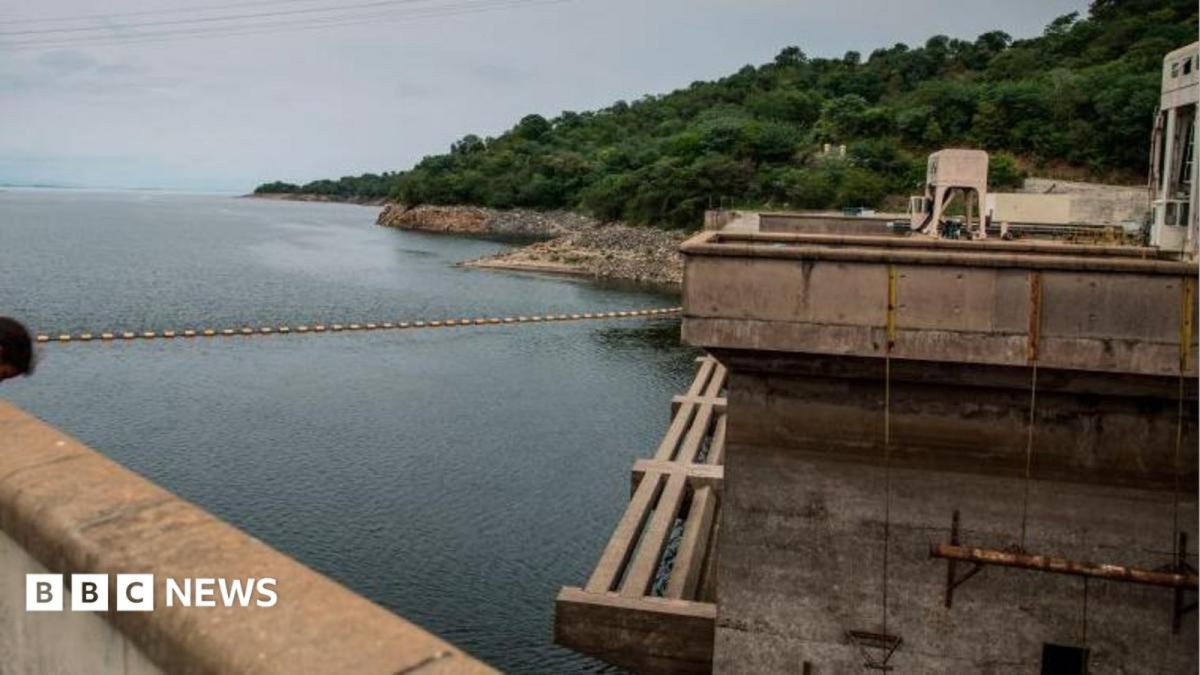
The waters of Lake Kariba, usually a lifeline for the communities that straddle the Zimbabwe-Zambia border, turned into a scene of tragedy on Tuesday, 11 August 2026. At least 15 people are confirmed dead after a passenger vessel capsized mid-lake, and with rescue operations still underway, officials are bracing for the possibility that the final toll could be significantly higher. The disaster has not only plunged families into mourning but has also ignited a furious public debate about safety regulations, overcrowding, and the accountability of those who manage the vital transport routes on one of Africa's largest man-made reservoirs.
The incident occurred on Tuesday afternoon when the boat, which was ferrying passengers across the vast expanse of water, was struck by a powerful wave and overturned. Police confirmed that the vessel had 90 passengers and five crew members onboard according to their initial manifest, but that number is already being treated with deep suspicion by local authorities and residents alike. The Zimbabwe Civil Protection Unit (CPU) has since revealed that registered ticket sales for the journey showed 114 adults were on the vessel, a figure that does not account for an unknown number of children who may have been travelling below ticketing age. The discrepancy between the police's initial count and the ticket sales has become the central flashpoint in the aftermath of the disaster, with many demanding to know exactly how many souls were on that boat when it went down.
A Community in Shock: The Journey to Kariba Town
For the residents living on the southern shores of Lake Kariba, the boat is not a luxury; it is a necessity. The journey across the lake to Kariba town, a trip that takes approximately five hours, is a daily reality for traders, students, and families who rely on the waterway to access markets, hospitals, and schools. Mutsa Murombedzi, the local member of parliament, took to social media platform X to share a video of the boat at the start of its ill-fated journey, capturing the moment before tragedy struck. Her post was laced with grief and anger, as she wrote: "We have very hard questions that require honest answers. The officials must release the correct number of people who were onboard." The MP's words resonate deeply with the local population, who feel that the authorities have been less than transparent in the immediate aftermath of the sinking. The video she shared shows the vessel, seemingly crowded, preparing to depart, a stark visual reminder that the boat may have been dangerously overloaded. The journey across Lake Kariba is often taken for granted, a routine commute that has now become a symbol of systemic failure. For the families waiting on the shores, the five-hour trip has turned into an agonising wait for news, as rescue teams scour the murky waters for survivors and the missing.Conflicting Numbers and the Overloading Question
The official narrative began to unravel almost as soon as the first distress calls were made. Police initially reported that 90 passengers and five crew were onboard, but the Civil Protection Unit’s statement, based on registered ticket sales, painted a far more alarming picture. The CPU confirmed that 114 adults had purchased tickets for the voyage, and they conceded that there could have been an unknown number of children who were not ticketed. This discrepancy is not a minor administrative error; it is a matter of life and death. If the boat was carrying 114 adults plus children, the number of people unaccounted for could be far higher than the initial rescue figures suggest. The question of overloading is now at the forefront of the investigation. Police have stated that the vessel may have been overloaded, a claim that aligns with the visual evidence shared online. Footage that has circulated on social media appears to show the hull of the boat floating in the water after the capsizing, a haunting image that underscores the violence of the wave that struck it. The Lake Kariba transport system has long been plagued by reports of ageing vessels and lax enforcement of safety protocols, but Tuesday's disaster has brought these issues into sharp, tragic focus. The CPU has confirmed that 77 passengers have so far been rescued and that 15 bodies have been retrieved, with two funeral parlours tasked with collecting the deceased. But the arithmetic is grim: if 114 adults were on board, and only 77 have been rescued, the search for the missing is far from over.Rescue Operations Underway Amidst Difficult Conditions
Rescue operations are continuing on Lake Kariba, but the conditions are proving challenging. The lake, one of the world's largest man-made reservoirs, is vast, and the area where the boat capsized is deep and murky. The Civil Protection Unit is coordinating the efforts, working alongside police and local volunteers who have taken to the water in smaller boats to search for survivors. The retrieval of bodies has been a sombre task, with funeral parlours now involved in the grim process of identifying the dead and returning them to their families. The rescue teams are racing against time, but the chances of finding more survivors are dwindling. The fact that the boat was struck by a strong wave suggests that the passengers may have been thrown into the water suddenly, with little time to react. For those who were rescued, the trauma of the event will be lasting. For the families of the missing, the wait is a torment. The authorities have promised that more details will be released "in due course," but for a community in mourning, that promise offers little comfort. The immediate priority is to account for every person who was on that vessel, and to do so with the transparency that the public is demanding.Lake Kariba: A Vital Resource and a Potential Hazard
Lake Kariba is not just a body of water; it is an economic engine for both Zimbabwe and Zambia. Straddling the border between the two nations, it is one of the largest man-made reservoirs in the world, supporting a thriving fishing industry, providing a crucial transport link, and generating vital hydroelectric power that keeps the lights on in both countries. The lake is a source of pride and a symbol of regional cooperation, but Tuesday's disaster has exposed the darker side of this reliance. The boats that ply these waters are often old, poorly maintained, and frequently overloaded, as operators seek to maximise profits in a struggling economy. The disaster has raised urgent questions about the regulation of water transport in the region. How is it that a vessel can be allowed to set sail with more passengers than it can safely carry? Who is responsible for enforcing safety standards on the lake? These are the questions that local MP Mutsa Murombedzi is demanding be answered, and they are questions that resonate far beyond the shores of Lake Kariba. Across Africa, where water transport is a lifeline for many communities, the tragedy serves as a stark warning about the consequences of neglect and the cost of cutting corners. The hydroelectric power generated by the Kariba Dam is essential to the region's economy, but the human cost of the transport that crosses its waters is now painfully clear.Demands for Accountability and the Search for Answers
In the wake of the disaster, the demand for accountability is growing louder. The local MP's call for the release of the correct number of passengers is just the beginning. There are questions about the boat's seaworthiness, the qualifications of its crew, and the decision to set sail in conditions that may have been hazardous. The police have said that more details will be released "in due course," but the public is impatient. They want to know who authorised the voyage, who sold the tickets, and why the vessel was allowed to carry more people than it could safely hold. The tragedy has also highlighted the broader issue of infrastructure and safety in rural Africa. For too long, communities that depend on lakes and rivers for their daily survival have been forced to rely on unsafe vessels, often with tragic results. The disaster on Lake Kariba is not an isolated incident; it is part of a pattern that has seen similar tragedies on waterways across the continent. The response from the authorities will be closely watched, not just in Zimbabwe, but across the region. Will there be a thorough investigation? Will those responsible be held to account? Or will this become another forgotten tragedy, buried beneath the waters of a lake that continues to provide for the living?A Region in Mourning, A Future in Question
As the sun sets over Lake Kariba, the mood is one of profound sorrow and simmering anger. The lake, which has given so much to the people of Zimbabwe and Zambia, has taken a heavy toll. The families of the victims are left to grieve, while the survivors are left to grapple with the trauma of their ordeal. The rescue operations may still be ongoing, but the focus is already shifting to the future. How will this disaster change the way the lake is used? Will there be new safety regulations? Will the boats be inspected and the operators held to a higher standard? These are the questions that will define the legacy of this tragedy. For the people of Kariba, the lake is not just a resource; it is a part of their identity. It is the source of their livelihood, the route to their markets, and the link to their neighbours. But on Tuesday, it became a graveyard. The hard questions that MP Mutsa Murombedzi spoke of are not just about numbers; they are about the value of human life and the responsibility of those in power to protect it. The answers must come, and they must be honest. The waters of Lake Kariba may have calmed, but the anger and grief of its people will not be so easily soothed. By Amara Diop, Staff Writer This article was produced with AI-assisted research and editorial support. Sources: BBC NewsWhat's Your Reaction?
 Like
0
Like
0
 Dislike
0
Dislike
0
 Love
0
Love
0
 Funny
0
Funny
0
 Wow
0
Wow
0
 Sad
0
Sad
0
 Angry
0
Angry
0

West Africa/Sahel Correspondent at Global1.News. Dakar-based journalist covering politics, security, climate, and development across Francophone and Anglophone West Africa. Tells the stories of a region undergoing profound transformation.









Comments (0)