
Khamenei Health Rumors Test Iran's Hormuz Leverage and Ceasefire Stability
Iran's leadership transition following the February 2026 US-Israeli strikes intersects directly with the ongoing blockade of the Strait of Hormuz, creating ripple effects across Gulf security arrangements and US-Iran negotiations. The reported health struggles of Supreme Leader Mojtaba Khamenei have slowed decision-making on shipping lanes and ceasefire compliance, while Saudi Arabia, Turkey, and Pakistan advance a new defense pact.
Iran's leadership transition following the February 2026 US-Israeli strikes intersects directly with the ongoing blockade of the Strait of Hormuz, creating ripple effects across Gulf security arrangements and US-Iran negotiations. The reported health struggles of Supreme Leader Mojtaba Khamenei have slowed decision-making on shipping lanes and ceasefire compliance, while Saudi Arabia, Turkey, and Pakistan advance a new defense pact. These developments occur against a backdrop of Sunni-Shia tensions, energy market volatility, and great-power competition in the region.
Mojtaba Khamenei's Health Rumors Test Iran's Hormuz Leverage and Ceasefire Stability
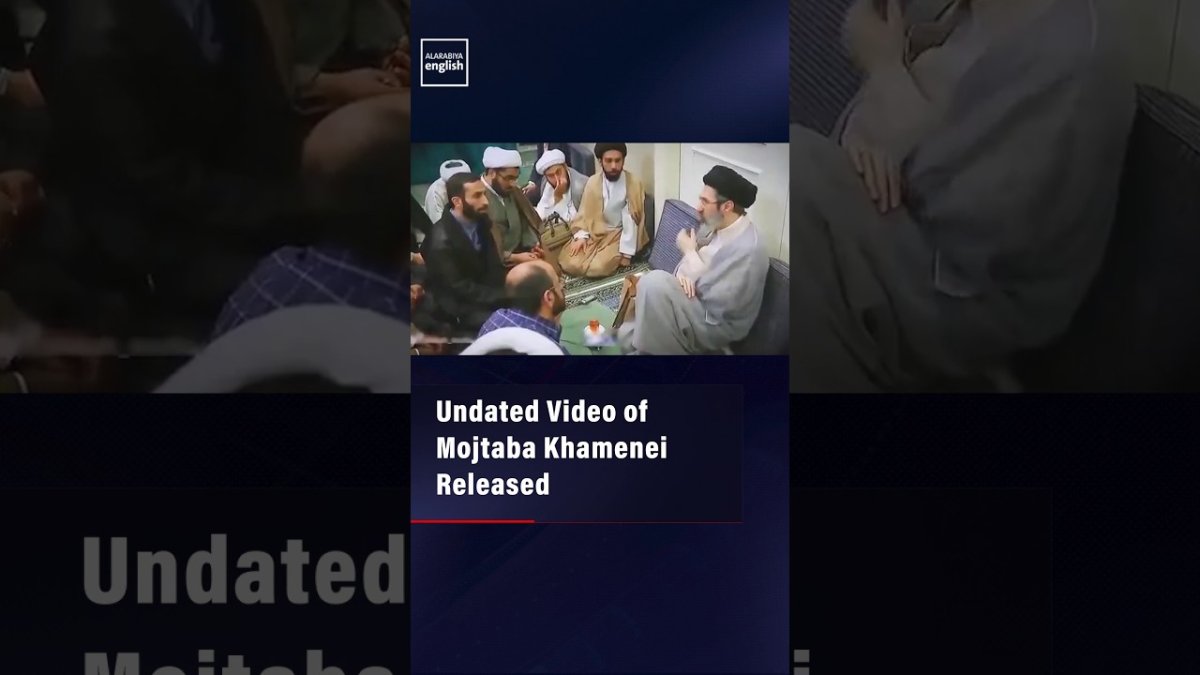
Beirut, Lebanon - August 10, 2026 - Iran's semi-official Mehr news agency released an undated video on August 9 showing Supreme Leader Mojtaba Khamenei in what appears to be a lecture session, marking the first such publication by the outlet run by Iran's Islamic Development Organisation. This development comes amid conflicting reports on his condition following the February 28, 2026 strikes that killed his father, Ayatollah Ali Khamenei, during Operation Epic Fury.
Succession After Operation Epic Fury
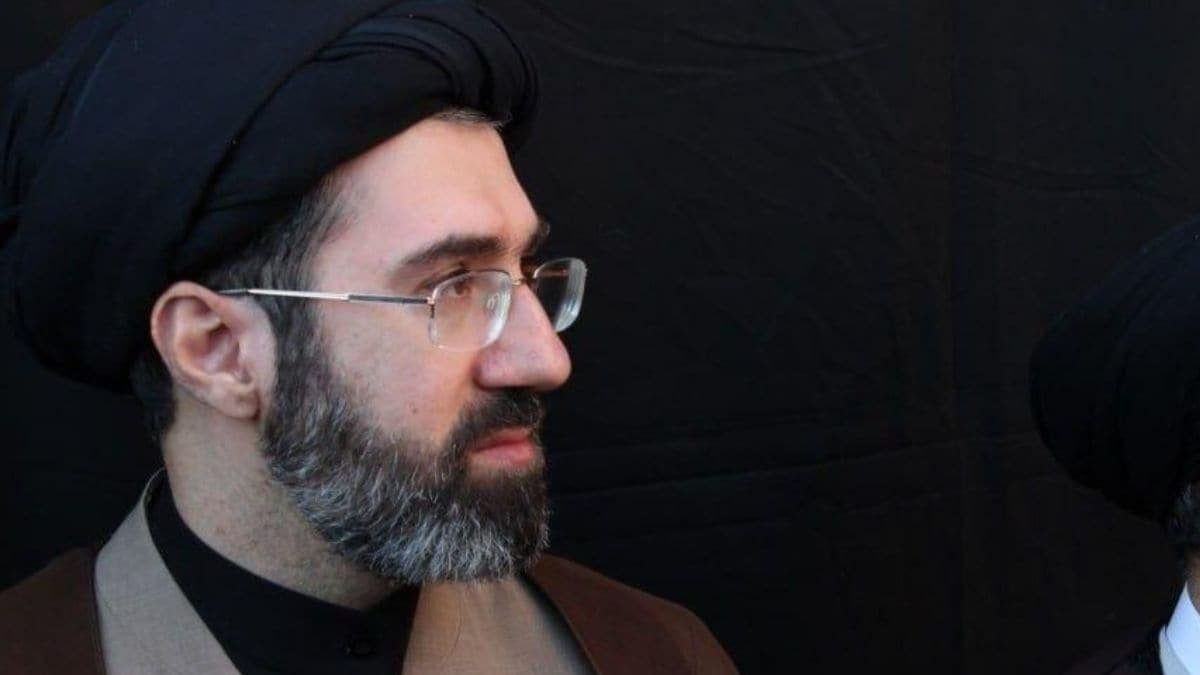
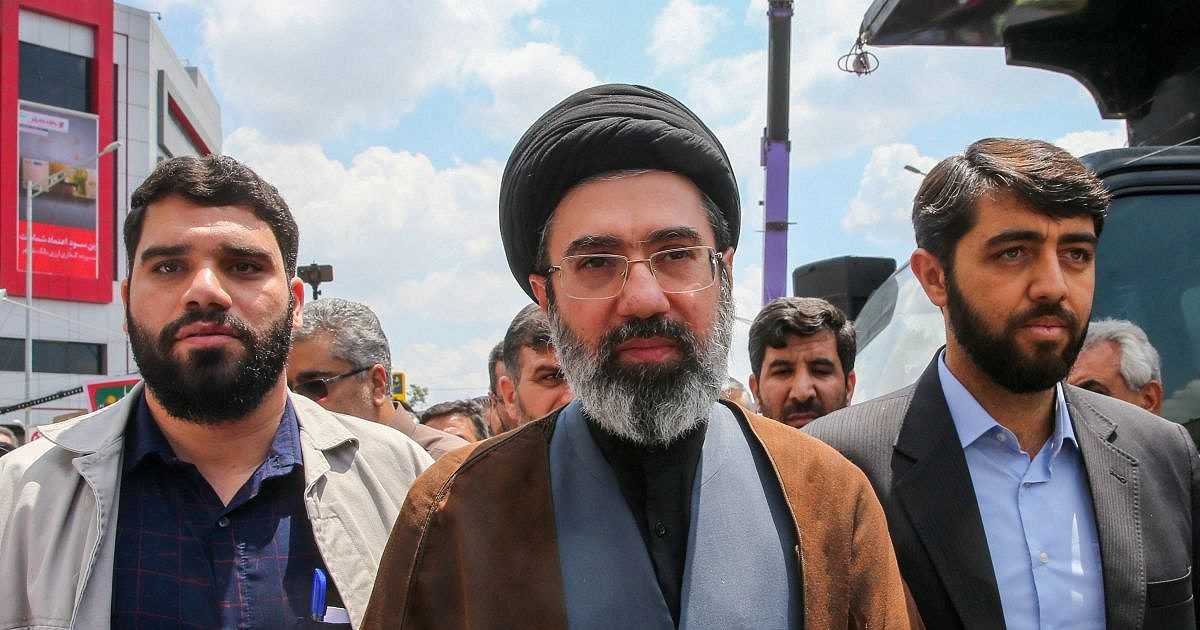
Mojtaba Khamenei assumed the Supreme Leader position shortly after the February 28, 2026 joint US-Israeli military strikes. Since taking office he has made no public appearances and has communicated only through written statements. The strikes targeted his father's compound, leaving him injured and potentially disfigured according to reports, which forced him into hiding and required communication through a slow network of intermediaries with senior regime figures.
The transition occurred under extraordinary pressure as the new leader navigated the immediate aftermath of coordinated airstrikes that dismantled key command structures. Intermediaries became essential because direct access risked exposing vulnerabilities in an already fractured hierarchy. This arrangement has prolonged internal debates over every major policy choice, from military posture to diplomatic overtures.
Historical precedents in Iranian succession show that opaque transitions often empower hardline factions while marginalizing reformist voices. Mojtaba's reliance on written directives has reinforced this pattern, limiting the agility required for sensitive talks on Hormuz reopening. Regional observers note that such constraints amplify the influence of military commanders who favor prolonged confrontation.
Historical Background: The February 2026 War and Succession
The 2026 Iran war began February 28, 2026 with Operation Epic Fury, US-Israel coordinated airstrikes on military facilities, nuclear sites, and leadership. Ayatollah Ali Khamenei was killed in the initial wave. Iran responded with missile barrages on Israeli cities and US bases in UAE, Qatar, and Bahrain. The Strait of Hormuz has remained closed since, disrupting roughly one-fifth of global oil trade that normally sees about 20 million barrels per day in transit.
A fragile June 2026 ceasefire emerged amid repeated violations, while Houthi attacks on Saudi energy infrastructure added further instability. Mojtaba Khamenei's succession unfolded against this backdrop of destroyed infrastructure and contested authority, shaping every subsequent negotiation posture.
Conflicting Health Assessments
On August 7 several Israeli media outlets reported that Khamenei was in extremely critical condition and had been hospitalised. Channel 14 reported concerns over his health circulating within Iran's leadership. A source cited by The Jerusalem Post stated that officials would not be surprised if news of his martyrdom emerged soon. On August 5 Iranian President Masoud Pezeshkian acknowledged in a state television interview that communication with Khamenei is currently very difficult. Iranian state officials have described his injuries as superficial and maintain that he continues to oversee key decisions.
Trump told Fox News that Khamenei was "90 per cent gone" and incapacitated, a claim that aligned with earlier reporting from the Saudi outlet Al Hadath citing an Israeli security source that Khamenei was "not in Iran." These external assessments contrast sharply with domestic messaging that seeks to project continuity.
State media earlier released a video titled "First Images of the Leader" that backfired, heightening health rumors among Iranian social media users. The episode underscored how visual evidence intended to reassure instead fueled speculation when it failed to show clear signs of active leadership.
Communication Difficulties and Internal Doubts
Iran International reported that President Pezeshkian was taken to an undisclosed location in Tehran for a brief meeting with a man introduced as Supreme Leader Mojtaba Khamenei. Pezeshkian was escorted into the back seat of a dark tinted-window vehicle with windows covered and communicated only by voice. He later questioned whether the voice actually belonged to the Supreme Leader. These episodes highlight the opacity surrounding decision-making authority at the highest levels.
Such restricted encounters erode trust between the presidency and the supreme leadership office, complicating coordination on time-sensitive issues like Hormuz shipping lanes. Pezeshkian's public acknowledgment of communication difficulties signals to domestic audiences that normal governance channels remain disrupted.
Analysts view these dynamics as symptomatic of a broader institutional paralysis that predates the current health crisis but has been exacerbated by it. The absence of verifiable public appearances leaves room for competing narratives about who truly holds authority over strategic decisions.
Hormuz Negotiations and Blockade Status
Iran-Oman negotiations on temporary shipping lanes through the Strait of Hormuz are in final stages, according to Foreign Minister Abbas Araghchi on August 9. Araghchi stressed that this does not necessarily mean the Strait of Hormuz is reopening. The waterway's status remains tied to separate US commitments, including lifting the naval blockade of Iranian ports. Iran's parliament is reviewing a bill that would bar US and Israeli ships from the waterway and impose a fee structure. Any reopening remains subject to Supreme Leader approval and US concessions.
Broad agreement has emerged on inbound and outbound routes, with proposals for a joint coordination center and temporary arrangements lasting one to three months. Routes near Larak Island would close under these plans. A US official stated on August 7 that Washington expects a deal soon, after which the US would lift its blockade of Iranian ports in a performance-based manner.
Oil markets have registered Brent crude around US$82 per barrel in early August 2026, up 23.55 percent year-on-year. Prices fell about 7 percent in late July when Trump signaled renewed efforts toward a deal. Despite five months of mostly closed Hormuz, markets have not spiked to $150-200 levels because of spare capacity and demand concerns.
Regional Security Realignments
The US-Israel campaign that began February 28 prompted Iran to respond with missile barrages on Israeli cities and US bases in the Gulf including UAE, Qatar, and Bahrain. The Strait of Hormuz has been closed since the conflict began, disrupting roughly one-fifth of global oil trade. A fragile ceasefire has held since June 2026 amid repeated violations. Houthi attacks have targeted Saudi energy infrastructure. In August 2026 Saudi Arabia, Turkey, and Pakistan signed a joint defence pact in Mecca.
Gulf states continue pursuing economic diversification under frameworks such as Saudi Vision 2030, even as the Abraham Accords normalization context shapes their hedging options. The Mecca pact, described by some as NATO-style, reflects a collective response to prolonged Iranian instability and proxy activity by groups including the Houthis and Iraqi militias.
Energy Market Pressures
Brent crude traded around US$82 per barrel in early August 2026, up more than 23 percent year-on-year. Traders are weighing the Hormuz closure against progress in US-Iran talks. The leadership uncertainty in Tehran adds another layer of risk assessment for markets already strained by the blockade and intermittent ceasefire breaches.
Spare global capacity has prevented sharper spikes, yet any sudden reopening or renewed closure could shift sentiment rapidly. Iranian parliamentary review of fee structures and exclusion rules for US and Israeli vessels introduces additional variables that markets must price in over coming months.
Strategic Calculus: What Tehran and Washington Want
Tehran seeks performance-based relief from the naval blockade in exchange for controlled shipping lanes, while retaining the option for Supreme Leader approval on any final reopening. Washington aims for verifiable de-escalation and gradual normalization of port access without conceding permanent exclusion zones for its vessels or those of Israel.
Both sides recognize that leadership uncertainty in Tehran complicates rapid concessions, yet the economic costs of sustained closure push negotiators toward incremental arrangements. Oman's role as facilitator underscores the value of neutral intermediaries in bridging these divergent objectives.
Regional Implications
The combination of reported health constraints on Mojtaba Khamenei and the Hormuz blockade creates leverage dynamics that affect Gulf states' diversification efforts and Arab-Israeli normalization tracks. Saudi Arabia's new defence pact with Turkey and Pakistan signals a hedging strategy against prolonged Iranian instability. US-Iran negotiations on naval blockades and shipping lanes will likely determine whether the ceasefire solidifies or fractures further, with second-order effects on energy prices and proxy conflicts across the region. Turkey's involvement in the Mecca pact positions it to influence Sunni security architectures while great-power competition between Washington and Tehran continues to shape outcomes in the Gulf.
The Mehr video release on August 9 signals to regional audiences that Iran seeks to project institutional continuity despite the Supreme Leader's absence from public view. Yet the footage's undated nature and the leader's reliance on intermediaries have instead intensified speculation, particularly after Israeli media reports of hospitalisation and concerns within Iran's leadership circles.
If Mojtaba Khamenei's health deteriorates further, the succession question could trigger a leadership struggle involving the IRGC and the Assembly of Experts, with state media releases likely serving as the primary tool for managing perceptions. Such uncertainty would directly affect the timeline for Hormuz negotiations and the June ceasefire, as parliament reviews legislation on shipping fees while Brent crude remains near 82 dollars per barrel.
Middle East observers should monitor video authenticity debates, additional state media outputs, and US-Iran contacts through intermediaries in the coming weeks, alongside movements in oil prices and shipping insurance costs. These indicators will reveal whether Gulf energy security stabilises or whether Arab-Israeli normalisation tracks face renewed disruption from proxy actions.
The succession crisis surrounding Mojtaba Khamenei has already begun to erode Iran's negotiating leverage in talks over Hormuz shipping lanes. With no public appearances since taking office and communication limited to written statements, the leadership's opacity makes it harder for Tehran to project unified positions during the final stages of Iran-Oman discussions. Reports of critical condition and hospitalisation, alongside claims that the Supreme Leader is not in Iran, further complicate efforts to secure commitments that would allow a performance-based lifting of the naval blockade.
Hardline factions within the IRGC appear positioned to benefit from prolonged confrontation, as any deal tied to economic relief would require credible assurances from an authority whose visibility remains restricted. The release of the undated Mehr video on August 9, intended to signal continuity, instead amplified doubts after earlier state media footage backfired. Washington's domestic incentives, including the posture that the leader is 90 per cent gone, align with incentives to maintain pressure while Gulf states hedge through intermediaries such as Oman.
An invisible Supreme Leader fundamentally alters the credibility of any agreement signed in Tehran's name, raising questions about enforcement amid the fragile June ceasefire. The risk grows that a power vacuum could embolden proxies, as evidenced by ongoing Houthi attacks on Saudi energy infrastructure, potentially drawing in additional actors before any blockade adjustments take effect.
By Malik Hassan, Staff Writer
This article was produced with AI-assisted research and editorial support. Reporting is based on sources cited in the article.
What's Your Reaction?
 Like
0
Like
0
 Dislike
0
Dislike
0
 Love
0
Love
0
 Funny
0
Funny
0
 Wow
0
Wow
0
 Sad
0
Sad
0
 Angry
0
Angry
0
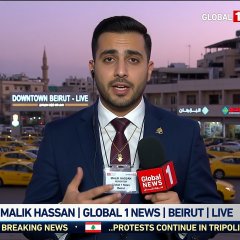
Middle East Correspondent at Global1.News. Based in Beirut, covering politics, conflict, energy, and society across the Middle East. Brings context and depth to a region often reduced to headlines.










Comments (0)