
Did a goat herder's lucky $200 nugget spark a gold rush in western Kenya?
A goat herder's lucky nugget find in Cheporor, West Pokot county, has drawn thousands of prospectors from Kenya and Uganda to a makeshift gold rush, transforming a remote village and raising urgent questions about safety, schooling, and the region's future.
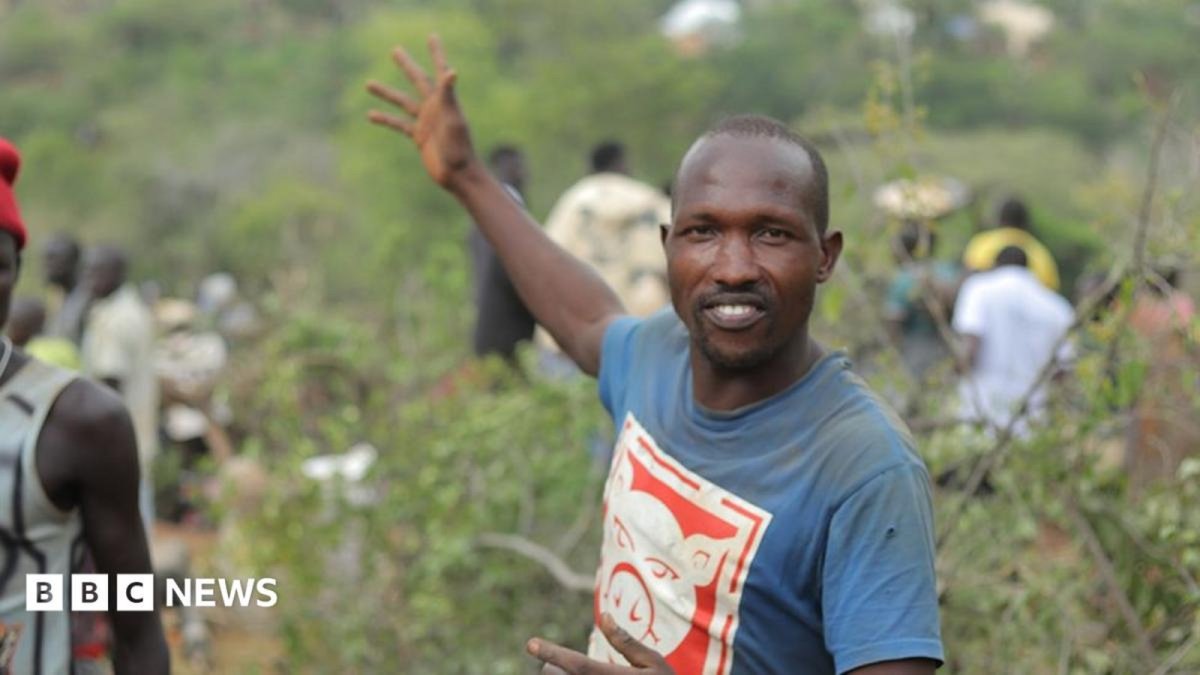
The dusty, thorn-scrubbed landscape of Cheporor village in West Pokot county was, until last month, just bushland and rough grazing ground—where a man’s wealth is counted in cattle and his worries in rainfall. But today, the earth is scarred with pits, mounds of ochre soil, and makeshift camps where thousands of men and women from Kenya and neighbouring Uganda hack, dig, and sift in a desperate search for gold. The catalyst? A 33-year-old goat herder named Manasse Lomachar, who stumbled upon a three-gram nugget worth 36,000 Kenyan shillings ($280; £205) while looking for a lost animal. His find has triggered what local authorities estimate was a rush of up to 10,000 prospectors at its peak—an influx that has overwhelmed this remote village and rewritten the rhythms of daily life.
Kenya's Gold Rush: A Lucky Nugget Draws Thousands
Cheporor, Kenya — The discovery of gold in this remote corner of West Pokot county has turned daily life upside down. Here is what is happening on the ground, and what it means for the region.
A Chance Encounter on a Riverbed
Lomachar’s story is one of pure serendipity. He was not a miner, nor had he ever panned for gold. His day began like any other—searching for a missing goat in the scrubland near his village. It was during this search that he came across a group of women panning along a seasonal riverbed, their hands in the murky water, washing sand and mud in battered tins. Curious, he joined them. "I joined them, and that's how [the village] realised there was gold in this area," he told the BBC.
What happened next was a chain reaction no one could have predicted. When word spread that Lomachar had sold his small nugget for a sum that could cover a year’s school fees or buy several goats, the news travelled like wildfire. Within days, hundreds arrived; within weeks, thousands. The village of Cheporor, which had no infrastructure to handle such an influx, was suddenly host to a sprawling, chaotic mining camp. Local authorities estimate about 2,500 prospectors remain on site, with many others having given up and gone home.
Desperation and Hope in the Pits
For many of those who came, the gold rush is not about greed—it is about survival. Patrick Lokolia, a farmer and herder from the neighbouring village of Napawoi, stands amid the mining activity wearing an old Chelsea football top. "I have children in school, and paying school fees has been a big problem for me," he told the BBC. Like many in this arid region, Lokolia’s livelihood depends on unreliable farming and livestock, both vulnerable to drought and fluctuating markets. The chance to earn extra money from gold is a lifeline he cannot afford to ignore.
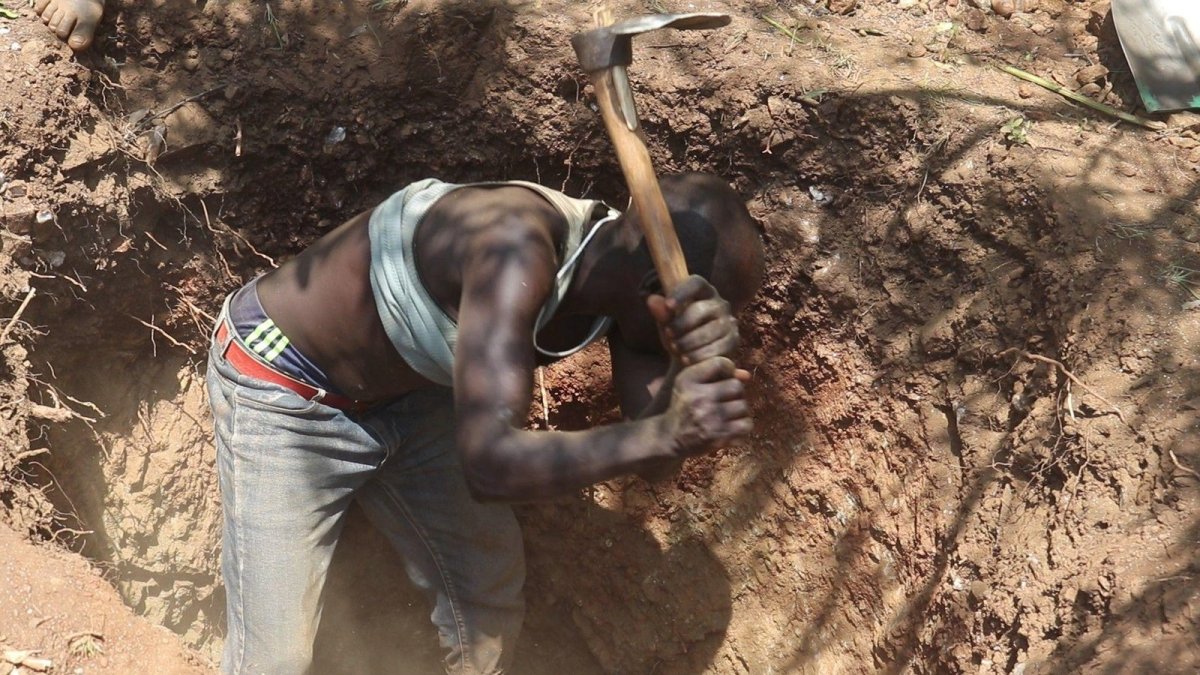
Eighteen-year-old Abigael Chelengat had never mined before she arrived in Cheporor from a nearby district. She came alone, hoping to find enough gold to pay her own school fees and keep her younger siblings in class. Behind her, hundreds of people work side by side, hacking into the rocky ground with hoes and shovels. Others carry the earth to the seasonal river, where mostly women crouch in the murky water, washing and sifting mud and sand, hoping to detect a tiny trace of the precious element.
Authorities Confirm the Rush, Question the Riches
Samuel Kiarie, the deputy commissioner of West Pokot county, has been monitoring the situation closely. He believes the rush began after two notable discoveries at the beginning of August. "Young men found what appeared to be a substantial amount of gold. The following day, women made another significant find in the same area," he told the BBC. Kiarie explains that women have been finding small quantities of alluvial gold along the same seasonal riverbed for years, typically earning between $8 and $23 a week—enough to supplement a household’s income but hardly enough to transform it.
The uncovering of larger quantities, however, changed the calculus. As rumours spread, Kiarie reckons the number and size of the discoveries were exaggerated, drawing in ever larger groups of people with little or no mining experience. "I can confirm that small-scale gold traders told us they received an average of about 100 people every day," he says. Individual discoveries reportedly range from a few hundred Kenyan shillings to one find valued at approximately 78,000 shillings ($600). But whether all these finds are actually gold remains unverified, and questions linger about the size of the deposit and its commercial potential.
Cross-Border Migration and Shared Hardship
West Pokot county borders Uganda, and the communities on both sides have long-standing social and family ties that predate colonial borders. It is no surprise, then, that the gold rush has drawn prospectors from across the frontier. Mugisha Godfrey, an artisanal miner from Busia in eastern Uganda, travelled to Cheporor after hearing about the discovery from a friend, spending about 100,000 Ugandan shillings ($27) to get there—a significant sum for a man whose livelihood depends on the whims of the earth. The living conditions, he admits, are not favourable. "We sleep under the trees, and when morning comes, we continue working. Sometimes we work both day and night," Godfrey told the BBC. So far, he has found nothing. But he is not discouraged. "We can't return unless we find something. Only when we have found what we need can we go back home," he says.
His words capture the grim determination of the thousands who have staked their futures on this patch of earth. For many, returning home empty-handed is not an option—they have already spent their savings on transport, food, and tools. That investment keeps them digging, even as the rewards remain elusive.
Children, Schools, and the September Deadline
One of the most pressing concerns for local authorities is the presence of children at the mining site. With the new school term set to begin in September, officials are working to ensure that minors leave the site and return to their classrooms. The rush has already disrupted education, as families who see the potential for quick cash may be tempted to keep their children in the pits rather than sending them to school. This is a familiar tension in rural Africa, where the immediate promise of income often competes with the long-term benefits of education.
The authorities’ push is not just about enforcing attendance—it is about protecting futures. In a region where school fees are a constant burden, the lure of gold could easily derail a child’s education permanently. The deputy commissioner’s office has indicated that measures will be taken to enforce school attendance, but the challenge is immense given the scale of the rush and the desperation of the families involved.
A Boomtown Economy Emerges
While many prospectors have found nothing but dust and disappointment, the gold rush has created opportunities for others without requiring them to dig. More than 200 businesses have emerged around the site, from food stalls and tea kiosks to tool sellers and makeshift lodging. For local entrepreneurs, the rush has been an unexpected windfall, injecting cash into a village that previously had little commerce beyond livestock trading.
This boomtown economy is a double-edged sword. It provides income for those who are not mining—women who cook and sell food, young men who haul water, and traders who bring in supplies from nearby towns. But it is fragile, built on a speculative bubble: if the gold runs out or proves commercially unviable, the businesses will collapse as quickly as they emerged.
What This Means for the Region
The gold rush in Cheporor is a microcosm of a larger story playing out across rural Africa—of people whose livelihoods are precarious, whose governments are often absent, and who are willing to risk everything for a chance at a better life. The rush has brought hope, but also chaos: environmental degradation, the disruption of traditional livelihoods, and the ever-present danger of exploitation.
For West Pokot county, the immediate challenge is managing the rush safely and fairly. The authorities have not yet established a formal framework for small-scale mining, and there are concerns about the safety of miners who work without protective equipment in unstable holes. There is also the question of who benefits—in many parts of Africa, artisanal mining is dominated by middlemen who buy gold cheap and sell it at a significant profit, leaving miners with a fraction of the value.
The long-term implications are uncertain. If the deposit proves substantial, it could bring investment, infrastructure, and jobs—but also conflict over land and resources. If it proves a flash in the pan, as many such rushes have been, the village will be left with scars on the land and broken dreams. For now, the miners keep digging, the traders keep selling, and the children are being urged back to school. The earth holds its secrets, and the people of Cheporor wait to see whether their gamble will pay off.
This article was produced with AI-assisted research and editorial support. Sources: BBC Africa.
By Amara Diop, Staff Writer
What's Your Reaction?
 Like
0
Like
0
 Dislike
0
Dislike
0
 Love
0
Love
0
 Funny
0
Funny
0
 Wow
0
Wow
0
 Sad
0
Sad
0
 Angry
0
Angry
0

West Africa/Sahel Correspondent at Global1.News. Dakar-based journalist covering politics, security, climate, and development across Francophone and Anglophone West Africa. Tells the stories of a region undergoing profound transformation.















Comments (0)